

A failing catalytic converter, rich engine, or sulfur-rich fuel often causes a rotten egg smell in your car.
If you are wondering why does my car smell like rotten eggs, the odor usually comes from sulfur compounds in the exhaust or a damaged battery. The smell can point to a simple fuel issue, but it may also signal an engine, catalytic converter, or electrical problem that needs prompt attention. This guide explains the likely causes, warning signs, safe checks, and proper repairs.
Why Does My Car Smell Like Rotten Eggs?
A rotten egg smell in a car usually comes from hydrogen sulfide, a gas with a strong sulfur odor. Your vehicle can produce this smell when it fails to burn fuel correctly or when the catalytic converter cannot clean the exhaust.
The catalytic converter changes harmful gases into less harmful emissions. When it works well, you should not notice a strong sulfur smell. A rich air fuel mixture, an aging converter, poor fuel, or a failing sensor can upset this process.
Why does my car smell like rotten eggs even when the engine seems to run normally? Sometimes the problem starts before clear symptoms appear. A sulfur smell may be an early warning of an issue that later causes poor fuel economy, rough running, or a check engine light.
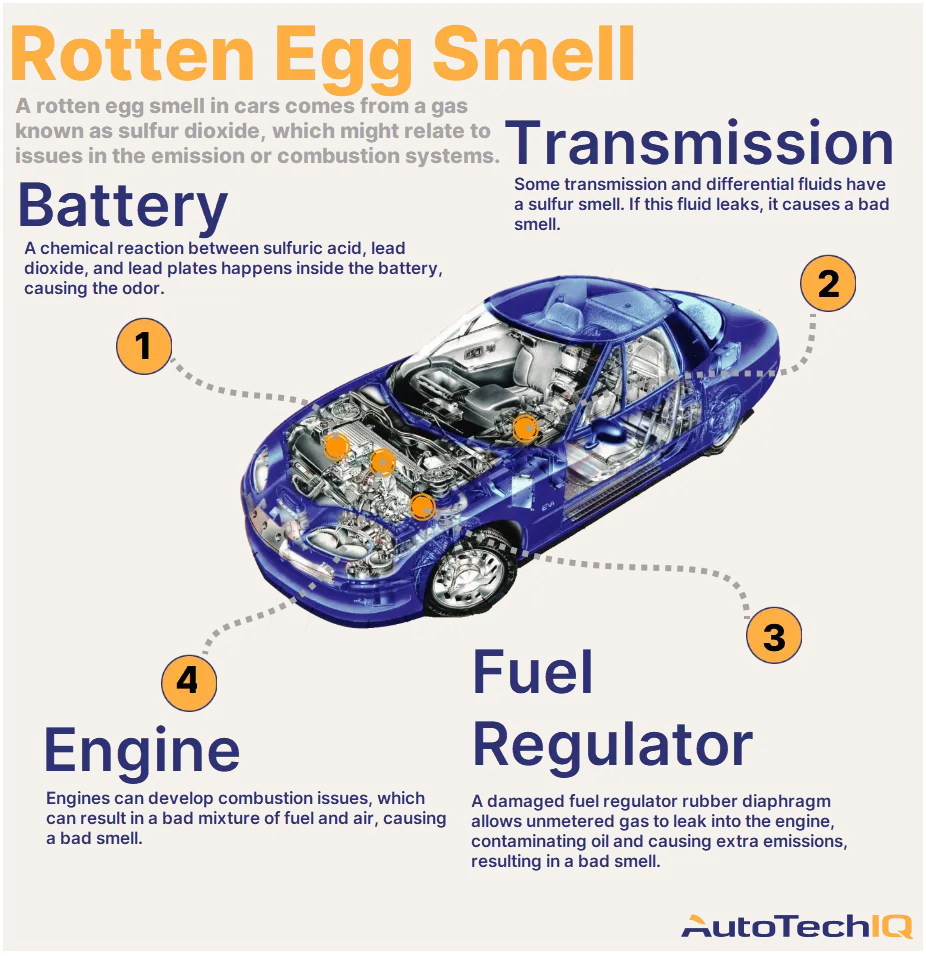
Common Causes of a Rotten Egg Smell in a Car
Several systems can create or carry a sulfur odor. Finding the source helps you decide whether the vehicle needs a quick inspection or immediate service.
A failing catalytic converter
The catalytic converter is the most common cause of a rotten egg smell from the exhaust. It may become worn, clogged, overheated, or contaminated by excess fuel.
A damaged converter cannot process exhaust gases correctly. It may release a sulfur smell, reduce engine power, or make the exhaust area unusually hot. In some cases, you may hear a rattling sound from inside the converter.
A rich fuel mixture
A rich engine receives too much fuel or too little air. Unburned fuel then enters the exhaust system, where it can overheat and damage the catalytic converter.
Common causes include:
• A bad oxygen sensor
• A dirty or faulty mass airflow sensor
• A leaking fuel injector
• A clogged air filter
• Excessive fuel pressure
• A faulty engine coolant temperature sensor
A rich mixture may also cause poor gas mileage, dark exhaust smoke, rough idling, or hard starting. These symptoms make the answer to why does my car smell like rotten eggs easier to identify.
Sulfur in the fuel
Some gasoline contains more sulfur than others. Modern fuel standards limit sulfur content, but fuel quality can still vary due to storage, contamination, or problems at a fuel station.
If the smell began soon after filling the tank, the fuel may be the cause. Try using fuel from a reliable, busy station and avoid repeatedly using the same questionable source. If the smell continues after several drives, do not assume fuel is the only problem.
A weak or overcharging battery
A car battery can produce a rotten egg smell when it is overcharged, damaged, or close to failure. The odor may come from sulfur compounds released from the battery during excessive charging.
Look for:
• Swollen battery sides
• Wet spots or fluid near the battery
• Corroded terminals
• A battery that feels hot
• Dimming lights or slow cranking
A battery problem can be dangerous. Battery gas may ignite, and acid can damage nearby parts. Turn off the engine and avoid sparks if the smell is strongest under the hood.
Transmission fluid or other fluid leaks
Some automotive fluids have a sulfur-like odor. Certain gear oils, especially those used in differentials and manual transmissions, can smell similar to rotten eggs.
A leak near the exhaust may become much stronger when the fluid heats up. Oil or fluid on hot exhaust parts can also create smoke or a burning smell. Look for fresh drops under the vehicle, but never touch unknown fluid with bare skin.
Sewer gas or an outside odor
Not every rotten egg smell comes from the car. You may drive past a sewer, landfill, farm, or industrial area and bring the odor into the cabin through the ventilation system.
If the smell disappears after you leave the area and does not return, your vehicle may be fine. If it stays inside the car or returns during acceleration, have the vehicle checked.

How to Find the Source of the Smell
Start by noting when the odor appears. Timing can reveal more than the smell itself.
Ask yourself:
• Does the smell come from the exhaust pipe?
• Is it stronger inside the cabin or under the hood?
• Does it appear during acceleration, idling, or braking?
• Did it start after refueling?
• Is the check engine light on?
• Do you notice poor fuel economy or weak engine power?
If the smell is strongest at the rear of the car, the exhaust system or catalytic converter deserves attention. If it is strongest under the hood, inspect the battery and look for fluid leaks.
Do not crawl under a hot vehicle or touch the exhaust system. A catalytic converter can remain hot long after the engine is turned off. Let the car cool, use good lighting, and arrange a professional inspection when the source is not obvious.
A repair shop can use a scan tool to check trouble codes and live sensor data. A technician may also test fuel mixture, exhaust temperature, charging voltage, and backpressure. These tests are more reliable than replacing parts based only on the smell.

Is It Safe to Drive When Your Car Smells Like Rotten Eggs?
A mild odor that appears once after refueling may not mean immediate danger. However, a repeated or strong smell should not be ignored.
Stop driving and seek help if you notice:
• Smoke from the engine bay
• A hot or swollen battery
• Severe loss of power
• Loud exhaust rattling
• A flashing check engine light
• Strong fumes inside the cabin
• Dizziness, headache, nausea, or unusual tiredness
A rotten egg odor is not the same as carbon monoxide. Carbon monoxide has no smell, so you cannot detect it with your nose. Exhaust leaks can still allow carbon monoxide into the cabin, which creates a serious poisoning risk.
Open the windows only long enough to leave an unsafe area. Do not sit in a running car inside a garage, even with the door open. If you feel sick, move outdoors and call emergency services.

What Repairs Can Fix a Rotten Egg Smell?
The repair depends on the root cause. A technician should diagnose the problem before replacing an expensive part.
Possible repairs include:
• Replacing a faulty oxygen sensor
• Cleaning or replacing a mass airflow sensor
• Repairing a leaking fuel injector
• Replacing a clogged air filter
• Fixing a fuel pressure problem
• Replacing a damaged catalytic converter
• Replacing an unsafe battery
• Repairing an exhaust or fluid leak
Replacing only the catalytic converter may not solve the problem. If a rich fuel mixture caused the converter to fail, the new converter can suffer the same damage. Good diagnosis must address both the failed part and the reason it failed.
In my experience helping people sort through vehicle odors, the most common mistake is guessing. One driver may replace the battery when the real issue is a rich engine. Another may replace the catalytic converter without testing the oxygen sensors. A simple scan and visual inspection can prevent a costly parts swap.
Repair prices vary by vehicle, location, and part quality. Sensors and filters are often less expensive than catalytic converters, while battery replacement may cost less than either. Ask the shop for the test results, the failed component, and the reason the repair is needed.
How to Prevent a Rotten Egg Smell
Regular maintenance reduces the chance of fuel and exhaust problems. It also helps you spot trouble before a small fault damages an expensive emissions component.
Use these habits:
• Follow the service schedule in your owner’s manual.
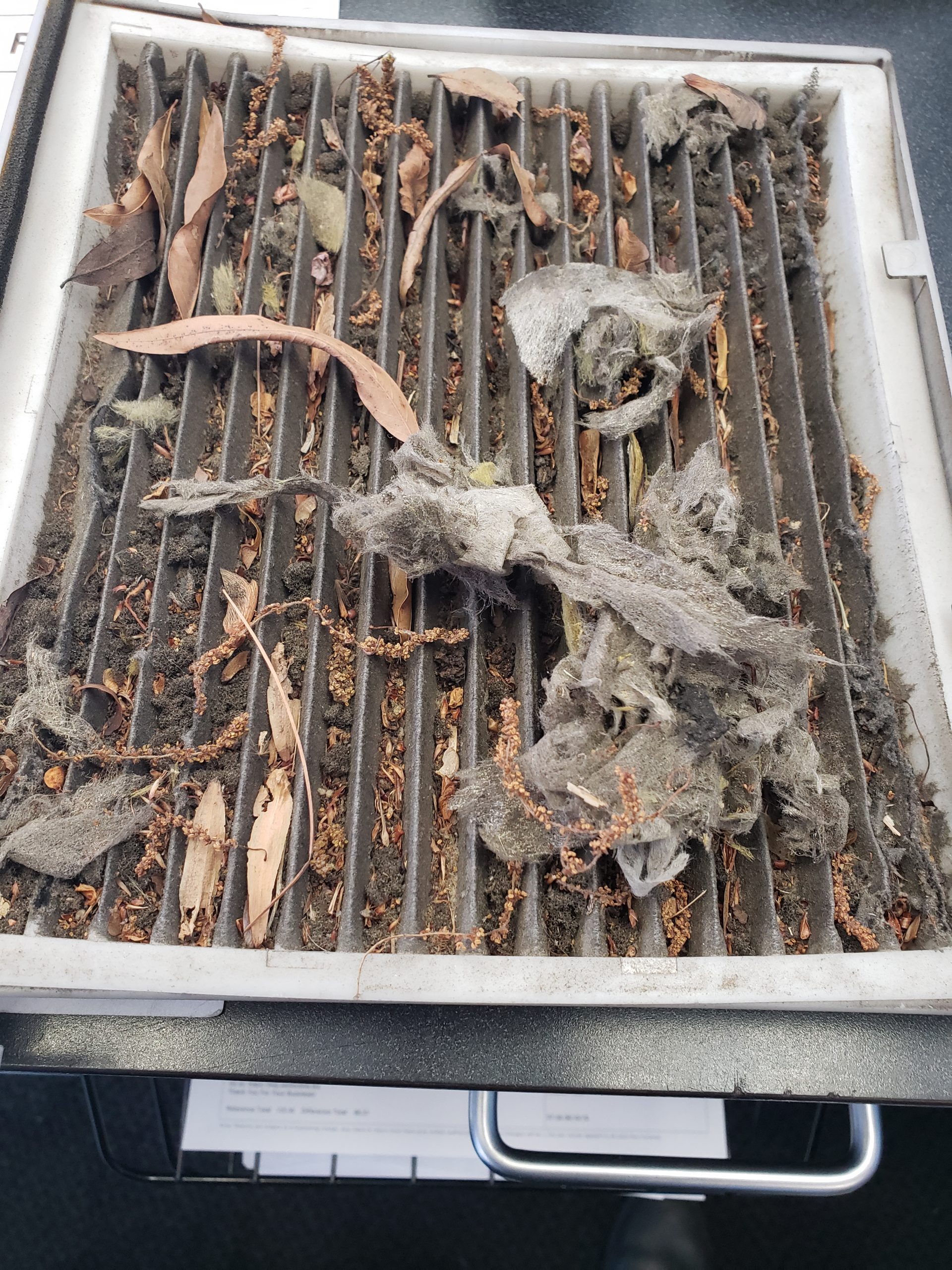
• Replace the air filter when it becomes dirty.
• Use fuel from trusted stations.
• Respond promptly to a check engine light.
• Avoid driving for long periods with a misfire.
• Inspect the battery during routine service.
• Watch for fluid spots under the vehicle.
• Keep exhaust repairs up to date.
Never use fuel additives as a guaranteed cure. Some products may help with limited deposits, but they cannot repair a failed sensor, injector, battery, or catalytic converter. Check your vehicle manual before using any additive.
A useful lesson I have seen repeatedly is that early action saves money. A small sensor fault may be manageable, while continued driving with excess fuel can overheat the catalytic converter and turn one repair into several.

What the Check Engine Light Tells You
The check engine light often appears when the engine computer detects an emissions or fuel control problem. Codes related to oxygen sensors, fuel mixture, misfires, or catalytic converter efficiency can help explain why does my car smell like rotten eggs.
Common examples include:
• P0172 or P0175, which may indicate a rich fuel mixture
• P0130 through P0167, which may relate to oxygen sensor faults
• P0420 or P0430, which may indicate low catalytic converter efficiency
A code does not identify a part that should automatically be replaced. It identifies a system or condition that needs testing. For example, a catalytic converter code can result from an exhaust leak, a misfire, a bad sensor, or a truly worn converter.
If the check engine light is flashing, reduce engine load and stop driving when safe. A flashing light often indicates an active misfire that can quickly damage the catalytic converter.

Frequently Asked Questions
Why does my car smell like rotten eggs when I accelerate?
Acceleration increases fuel use and exhaust flow, so a weak catalytic converter or rich fuel mixture may create a stronger sulfur odor. An exhaust leak can also direct the smell toward the cabin or outside of the vehicle.
Can a bad catalytic converter cause a rotten egg smell?
Yes. A failing catalytic converter may produce a sulfur odor because it cannot process exhaust gases correctly. It may also cause reduced power, poor fuel economy, overheating, or a rattling noise.
Can a car battery smell like rotten eggs?
Yes. An overcharged or damaged battery can release sulfur-smelling gas. If the battery is swollen, hot, leaking, or heavily corroded, stop using the vehicle and have it inspected.
Is it safe to drive a car that smells like sulfur?
It may be safe for a short trip only if the smell was brief and no other symptoms exist. A strong or repeated smell, smoke, poor running, or fumes inside the cabin requires prompt diagnosis and may make driving unsafe.
Why does my car smell like rotten eggs after getting gas?
The fuel may contain sulfur or may have been contaminated. If the smell continues after the tank is partly used or after you refuel elsewhere, have the engine and emissions system tested.
Can low-quality gasoline damage a catalytic converter?
Poor or contaminated fuel can contribute to poor combustion and emissions problems. However, a lasting rotten egg smell usually deserves a full inspection rather than a fuel-only explanation.
Will changing the oil remove a rotten egg smell?
An oil change usually will not fix a sulfur odor unless old oil has leaked onto a hot exhaust part. The more likely causes involve the fuel system, exhaust system, catalytic converter, or battery.
Conclusion
Why does my car smell like rotten eggs? In most cases, sulfur compounds point to a catalytic converter, rich fuel mixture, poor fuel, battery fault, or fluid leak. The smell may be minor, but it can also warn of damage, fire risk, or unsafe exhaust fumes.
Note when the odor appears, check for warning signs, and avoid guessing at expensive repairs. Have a qualified technician scan the vehicle and test the fuel, exhaust, battery, and emissions systems. If this guide helped, share your experience or explore more car care resources so you can catch small problems before they become major repairs.