

After a crash that was not your fault, stay safe, document everything, report it, and protect your claim.
Knowing what to do after a car accident not your fault can protect your health, evidence, and right to fair payment. The steps may feel confusing, but a calm plan can help you avoid common mistakes and deal with insurers with confidence.
What to Do Immediately After a Car Accident Not Your Fault
The first few minutes matter. Your safety comes before your car, your claim, or the other driver’s insurance details. Take a breath and follow these steps.
Move to safety if you can. Turn on your hazard lights. If the cars block traffic and you can drive them, move to a safe nearby area. Do not leave the scene unless staying creates a serious danger.
Check for injuries. Ask whether anyone needs help. Do not move an injured person unless there is an immediate threat, such as fire or traffic.
Call 911. Ask for police and medical help when anyone is hurt, the damage is serious, or the other driver refuses to cooperate. A police report can create a useful record of what happened.
Stay calm and avoid arguing. Do not admit fault, even if you feel bad about the crash. Simply share facts with the officer and exchange information with the other driver.
Turn off unsafe vehicles. A damaged car may have leaking fuel, exposed wires, or a failing battery. Wait for help if the vehicle seems unsafe to drive.
The National Highway Traffic Safety Administration and emergency care experts stress the need to call for help after serious crashes. Even a crash that seems minor can cause delayed pain, especially in the neck, back, and head.

Gather Important Information at the Accident Scene
Strong evidence can make the insurance process much easier. Think of the scene as a puzzle. Each photo, name, and time stamp can help show what happened.
Collect the following information:
• The other driver’s full name, phone number, address, and driver’s license number
• The other driver’s insurance company and policy number
• The vehicle’s make, model, year, color, and license plate
• The names and contact details of passengers and witnesses
• The responding officer’s name, badge number, and report number
• The exact location, date, and approximate time of the crash
Take photos and videos of:
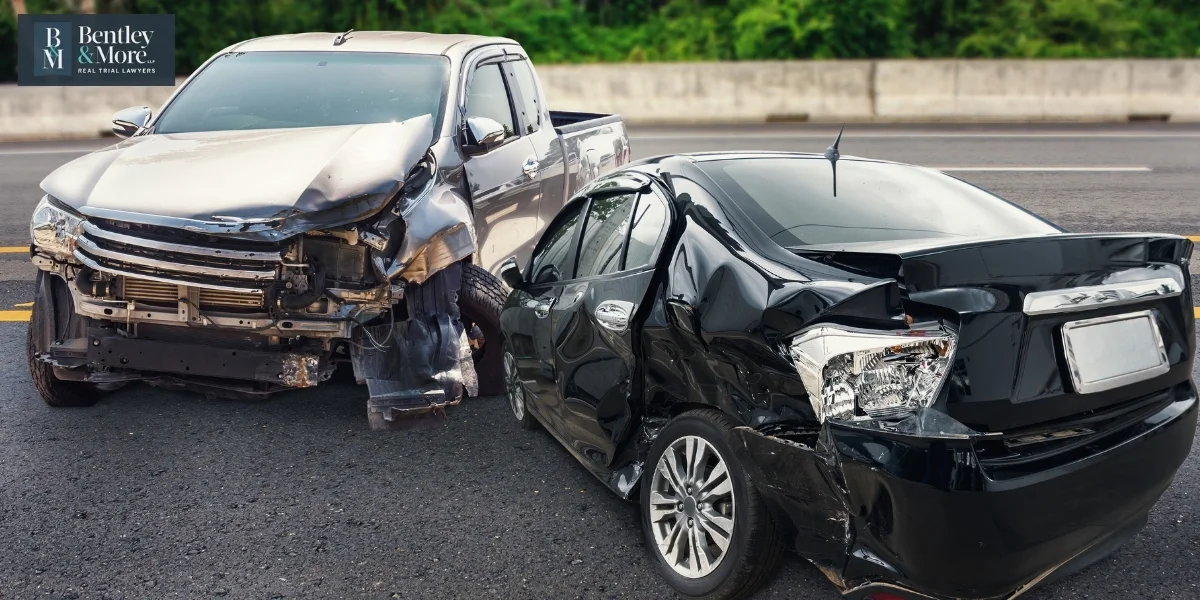
• The position of each vehicle
• Damage to all involved cars
• License plates and insurance cards
• Traffic lights, signs, lane markings, and road conditions
• Skid marks, broken glass, debris, and visible injuries
• Nearby businesses or homes that may have security cameras
Do not rely only on the police report. Officers may arrive after the cars have moved, and they may not record every detail. Your photos and notes can preserve evidence that disappears within minutes.
One practical lesson is to avoid photographing only the damage. Wide shots often show lane positions, road signs, weather, and sight lines. Those details may matter when the other driver later gives a different account.
Get Medical Care Even If You Feel Fine
Adrenaline can hide pain after a collision. Symptoms may appear hours or days later. Neck pain, headaches, dizziness, numbness, and back pain deserve medical attention.
Call emergency services right away for:
• Trouble breathing
• Severe bleeding
• Loss of consciousness
• Confusion or unusual sleepiness
• Weakness, numbness, or trouble speaking
• Severe chest, head, neck, or back pain
For less serious symptoms, arrange a medical visit as soon as you can. Tell the provider that a car accident caused the symptoms. Keep copies of medical records, bills, prescriptions, and instructions.
Do not exaggerate symptoms, but do not ignore them either. Your health comes first. Medical records also create a clear timeline between the accident and your injuries.
The Centers for Disease Control and Prevention notes that concussion symptoms may not appear right away. This is one reason a quick medical check can be wise after a forceful impact, even when you believe you are fine.

Report the Crash and Notify the Right Insurers
Most states require drivers to report certain crashes to police or a state agency. The rule may depend on injury, death, or the amount of property damage. Ask the responding officer or check your state’s official motor vehicle website for the exact rule.
You should also notify your own insurance company promptly. Your policy may require timely notice, even when another driver caused the collision. Reporting an accident is not the same as admitting fault.
When speaking with an insurer:
• Give accurate facts
• Explain where and when the crash happened
• Describe known injuries without guessing
• Avoid statements such as “I was not paying attention” or “I feel fine”
• Ask for the claim number and adjuster’s contact details
• Keep a record of every call, email, and message
The other driver’s insurer may contact you quickly. Be polite, but remember that the adjuster works for the insurance company. You do not have to give a recorded statement or sign a broad medical release before understanding your rights.
Rules differ by state. Some states follow fault-based insurance rules, while others use no-fault systems for certain medical expenses. Your policy, state law, and the facts of the crash all matter.

Preserve Evidence for Your Insurance Claim
After a car accident not your fault, evidence can protect you from an unfair denial or low settlement. Create one folder for all accident records, whether on paper or on your phone.
Keep:
• The police report
• Photos and videos
• Medical records and bills
• Repair estimates and towing bills
• Receipts for rental cars, travel, medication, and other costs
• Pay records showing missed work
• Emails, letters, and claim notes
• A daily record of pain, treatment, and how the injury affects your life
Write down what you remember while the details are fresh. Include the direction each car traveled, the traffic signal, the weather, and what happened just before impact.
Do not repair or dispose of the vehicle before the insurer has inspected it, unless necessary for safety. Ask the insurer to explain the inspection process. Keep damaged parts or photos if a repair shop must replace them.
Do not post crash details on social media. An innocent photo or comment can be taken out of context. Privacy settings do not guarantee that a post stays private.

Understand Who May Pay for Your Losses
If another driver caused the collision, that driver’s liability insurance may cover your losses. Depending on your state and policy, possible compensation may include:
• Vehicle repair or the car’s actual cash value if it is totaled
• Medical treatment and related costs
• Lost income
• Rental transportation
• Damage to personal property
• Pain and suffering in some injury claims
The at-fault driver’s policy limit may not cover all losses. If the driver has little or no insurance, your uninsured or underinsured motorist coverage may help. Collision coverage may also pay for vehicle damage, subject to your deductible and policy terms.
A deductible is the amount you may pay before your insurer pays for a covered loss. If your insurer later recovers money from the at-fault driver, it may seek to recover your deductible. The timing and process vary.
Ask for a written explanation if the insurer denies a claim or offers less than your documented losses. You may contact your state insurance department for help with a claim-handling complaint. That office usually cannot act as your lawyer or guarantee payment.

Be Careful With Settlement Offers
An early settlement offer may look helpful when bills are arriving. However, signing a release usually ends the claim. You may lose the right to seek more money if new injuries or costs appear later.
Before accepting an offer, compare it with your likely total losses:
• Current and future medical care
• Lost wages and reduced earning ability
• Vehicle damage and transportation costs
• Out-of-pocket expenses
• The effect of the injury on daily life
Ask how the insurer calculated the offer. Request copies of repair estimates, medical reviews, and other documents used in the decision.
You may want legal advice when:
• You suffered a serious or permanent injury
• Fault is disputed
• More than one driver may be responsible
• The other driver has little or no insurance
• Your child was injured
• You missed significant time from work
• The insurer pressures you to settle quickly
• The claim involves a commercial vehicle or government vehicle
A personal injury lawyer can explain deadlines, damages, and negotiation options. Many lawyers offer an initial consultation, but fees and costs differ. Ask how the lawyer gets paid before signing an agreement.
Know the Mistakes That Can Hurt Your Claim
People often make mistakes because they are stressed, hurt, or trying to be polite. These errors do not always destroy a claim, but they can make the process harder.
Avoid these common problems:
• Leaving the scene before exchanging information or speaking with police
• Admitting fault or guessing about the crash
• Failing to get medical care
• Giving a recorded statement without preparation
• Signing a release before knowing your full losses
• Posting photos or opinions about the accident online
• Missing insurance or legal deadlines
• Throwing away damaged property or receipts
• Choosing a repair shop only because an insurer suggests it
• Ignoring calls and letters about the claim
You have a duty to be honest. Do not hide prior injuries, change your story, or inflate expenses. Honest, clear records are more powerful than dramatic claims.
One lesson that applies to nearly every claim is simple: write things down. Memory fades, but a dated note can help you recall what you reported, when you reported it, and what the insurer promised to do.
What If the Other Driver Leaves or Has No Insurance?
A hit-and-run crash creates a different challenge. Do not chase the other driver. Move to safety, call police, and record every detail you remember, including the car’s color, model, plate number, direction of travel, and driver description.
Look for witnesses and nearby cameras. Ask witnesses to remain until police arrive, if it is safe. Contact your insurer promptly because uninsured motorist coverage often has notice rules.
If the other driver has no insurance, your options may include:
• Uninsured motorist property damage coverage
• Uninsured motorist bodily injury coverage
• Collision coverage
• A claim against the driver personally
Recovery from an uninsured driver can be difficult if that person has few assets. An insurance professional or attorney can help you review available coverage.

How Long Do You Have to File a Claim?
Insurance policies often require prompt notice of a crash. State laws also set deadlines called statutes of limitations. These deadlines can differ for vehicle damage, personal injury, wrongful death, and claims against public entities.
Do not assume that the deadline is the same for every part of your claim. A delay can reduce your options, even when the accident was clearly not your fault.
Take these steps early:
• Report the crash to your insurer
• Request the police report
• Start medical treatment when needed
• Track all losses
• Check your state’s legal deadlines
• Seek advice before a deadline approaches
This article gives general information for the United States. It is not legal advice, and it cannot account for your state, insurance policy, or medical condition.
A Simple Checklist for the Days After the Crash
Use this checklist after a car accident not your fault:
- Get emergency care when needed.
- Report the crash as required.
- Notify your own insurer.
- Save the police report number.
- Photograph the cars, scene, and injuries.
- Gather witness contact details.
- Follow medical advice.
- Keep receipts and records.
- Avoid social media posts about the crash.
- Do not sign a settlement release until you understand it.
- Check your state’s filing deadlines.
- Consider professional advice for serious or disputed claims.
The goal is not to build a perfect case in one day. The goal is to protect your health and preserve reliable facts while the process unfolds.
Frequently Asked Questions About What to Do After a Car Accident Not Your Fault
Should I call the police if the accident was not my fault?
Yes, call the police when anyone is injured, the damage is serious, traffic is blocked, or the other driver disputes what happened. A police report can record driver information, witness details, and statements from the scene.
Should I contact my insurance company after a crash caused by someone else?
Yes, notify your insurer as soon as possible because your policy may require prompt notice. Reporting the crash does not mean you admit fault or agree that your insurer should pay the entire claim.
Do I need a lawyer after a car accident not your fault?
You may not need a lawyer for a minor crash with clear liability and no injuries. Legal advice becomes more useful when injuries are serious, fault is disputed, an insurer denies the claim, or the settlement offer does not cover your losses.
Can I get compensation if I feel pain days after the crash?
Possibly, but seek medical care promptly and explain when the symptoms began. Delayed pain can occur after crashes, yet an insurer may question the connection if there is a long gap in treatment.
What if the other driver’s insurance company calls me?
Give basic facts, but avoid guessing, minimizing pain, or accepting blame. You generally should not sign a release or provide a recorded statement until you understand the request and its effect on your claim.
Can I choose my own repair shop?
In many situations, you can choose the repair shop, but state rules and your policy may affect the process. Ask the insurer whether it has a preferred shop and compare that information with your own choice.
What happens if the other driver has no insurance?
Your uninsured motorist coverage, collision coverage, or a direct claim against the driver may provide options. Review your policy quickly because notice and cooperation requirements can apply.
Conclusion
After a car accident not your fault, focus on safety, medical care, accurate reporting, and careful documentation. Avoid admitting fault, posting online, or accepting a quick settlement before you understand your losses and legal deadlines.
You do not have to solve everything at the roadside. Take one clear step at a time, keep reliable records, and seek qualified help when the claim becomes serious or disputed. For more practical insurance and accident guidance, explore related resources or share your questions in the comments.