Can You Use A Car Seat After An Accident: Safety Guide
In the United States, you should replace a child car seat after a moderate or severe crash. You may be able to keep using it after a truly minor crash, but only if the seat meets every minor-crash condition from the National Highway Traffic Safety Administration (NHTSA) and the seat maker allows continued use.
A car seat can look fine after a crash and still have hidden damage. The safest next step is to check the crash facts, read the seat manual, and contact the manufacturer when anything is unclear.

Key takeaways
- Replace the car seat after a moderate or severe crash.
- A seat may be reusable after a minor crash only when all five NHTSA conditions are met.
- Follow the car seat maker’s instructions if they are stricter than NHTSA guidance.
- Do not use a seat with cracks, broken parts, stretched straps, or other signs of damage.
- Check your auto insurance policy before throwing the seat away.
- Replace a car seat if it is expired, recalled, or missing its history.
When should you replace a car seat after a crash?
Replace the car seat after a moderate or severe crash, even if no child was sitting in it. A crash can place stress on the seat shell, harness, belt path, lower anchors, and other parts that are hard to inspect at home.
NHTSA says a car seat can be reused after a minor crash only if all of these conditions are true:
- You could drive the vehicle away from the crash.
- The vehicle door nearest the car seat was not damaged.
- No one in the vehicle had any injuries.
- The airbags did not deploy.
- There is no visible damage to the car seat.
If even one condition is not met, replace the seat.
These conditions are a screening guide, not a guarantee that every seat is safe to reuse. Some manufacturers tell parents to replace a seat after any crash. The seat manual and the manufacturer’s current guidance control the final decision for that product.
The relevant NHTSA guidance is available in Car Seats and Booster Seats After a Crash.
What counts as a minor crash?
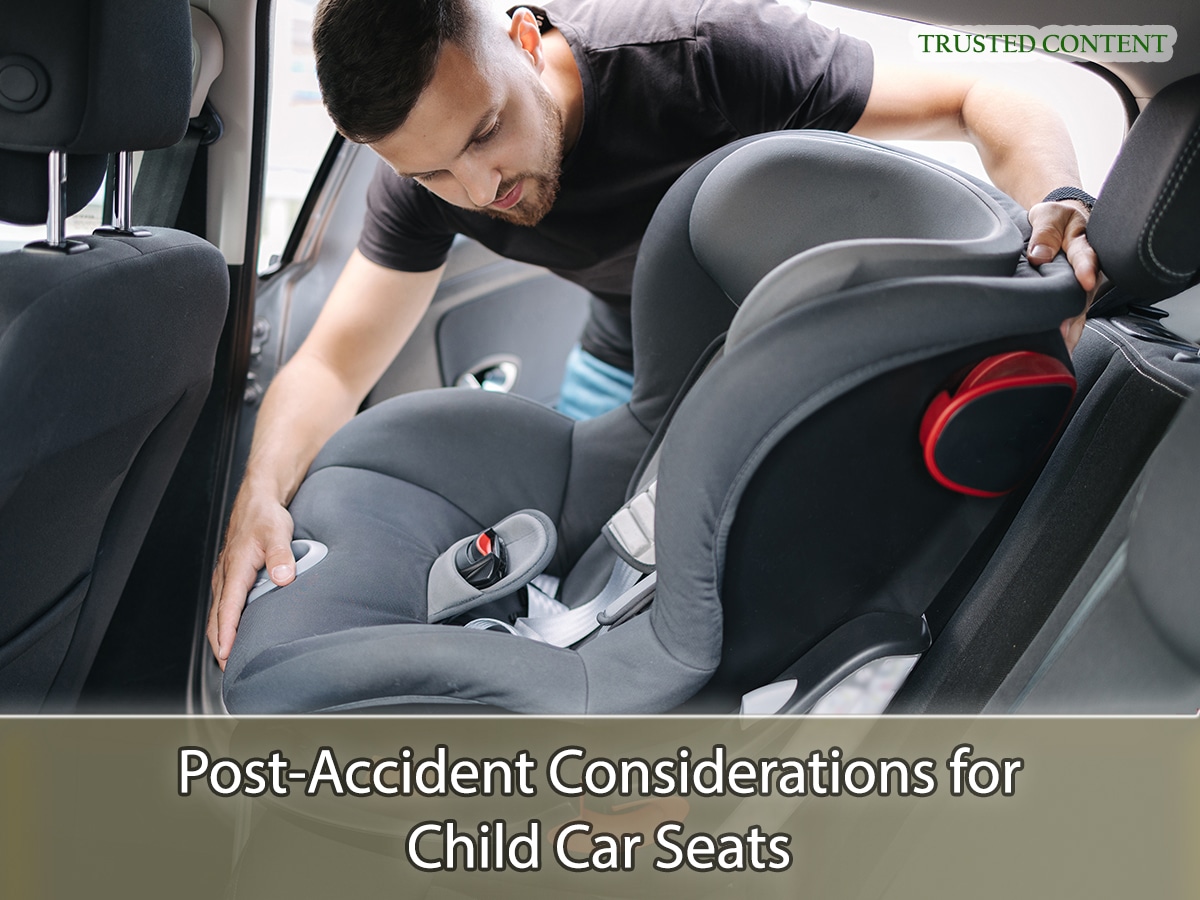
A minor crash is one that meets every NHTSA condition. The word “minor” does not simply mean a low-speed bump or a crash with little visible vehicle damage.
For example, a crash may not seem serious but still fail the minor-crash test if:
- An airbag deployed.
- Someone reported neck, back, head, or other injuries.
- The door beside the seat was dented or pushed out of shape.
- The vehicle could not be driven away.
- The car seat has a crack, loose part, bent component, or other visible problem.
- The crash caused strong impact to the side of the vehicle near the seat.
A seat can also be affected by the way it was installed. A tightly installed seat transfers crash forces through its belt path or lower anchors. That is expected during a crash, but it means the seat may have absorbed forces that are not visible afterward.
Do not try to judge the crash by speed alone. Vehicle size, point of impact, intrusion, restraint use, and the condition of the car all matter.
How to decide whether you can reuse the seat
Use this process before placing a child back in the seat.
1. Stop using the seat until you check it
If the crash was more than a simple, low-force event, use another approved child restraint or arrange another safe ride. Do not make a quick decision beside the damaged vehicle.
If a child was hurt, get medical care first. The car seat decision can wait.
2. Write down the crash facts
Record:
- Whether the vehicle could be driven away
- Whether any airbags deployed
- Whether anyone was injured
- Which doors or parts of the vehicle were damaged
- Where the car seat was installed
- Whether the seat was occupied
- Whether the seat moved, struck another object, or became loose
Photos of the vehicle and seat can help when you speak with the manufacturer or insurer.
3. Inspect the complete car seat
Look at the:
- Plastic shell
- Base, if the seat has a detachable base
- Harness webbing
- Buckle
- Chest clip
- Adjuster
- Recline mechanism
- Carry handle
- Lock-off
- Belt path
- Lower-anchor connectors
- Tether strap and hook
- Foam or padding
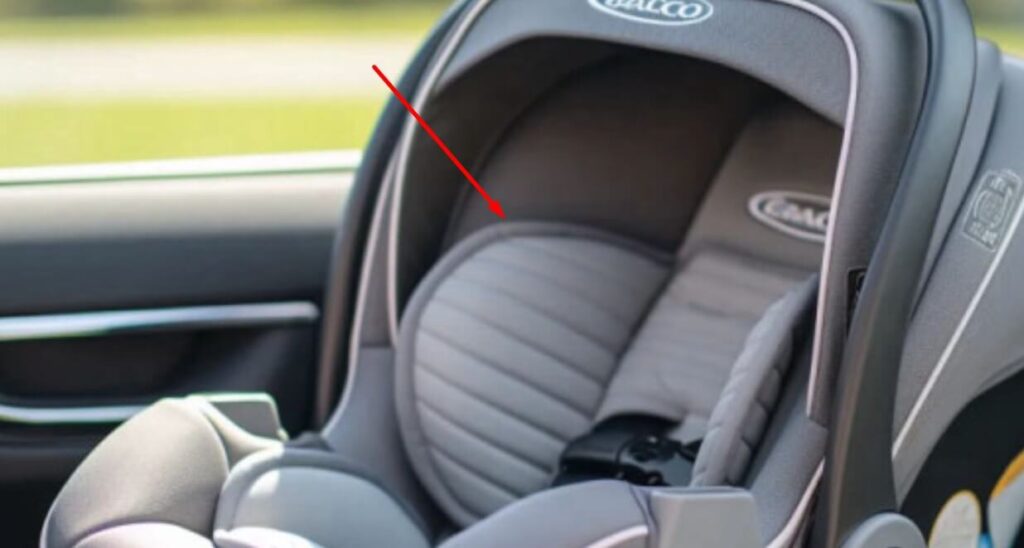
- Labels and expiration information
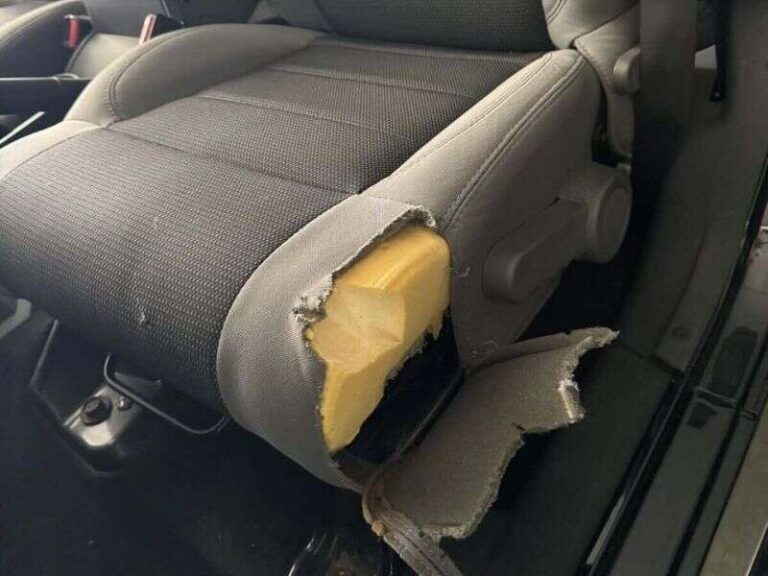
Look for cracks, white stress marks in plastic, bent pieces, loose parts, torn fabric, stretched webbing, or parts that no longer move as intended. A clean appearance does not prove that the seat is safe.
4. Read the manual
Search the manual for terms such as:
- Crash
- Accident
- Collision
- Replacement
- Reuse
- Damage
- Expiration
If you no longer have the manual, find the correct version on the manufacturer’s website. Use the exact model name and model number. Similar-looking seats may have different instructions.
5. Contact the manufacturer
Give the manufacturer:
- Model name
- Model number
- Date of manufacture
- Crash details
- Photos, if requested
Ask whether the seat may be reused after this specific crash. Record the representative’s name, the date, and the advice given.
If the company says to replace it, follow that instruction even if the seat passes the NHTSA minor-crash checklist.

What should you do with a car seat after a crash?
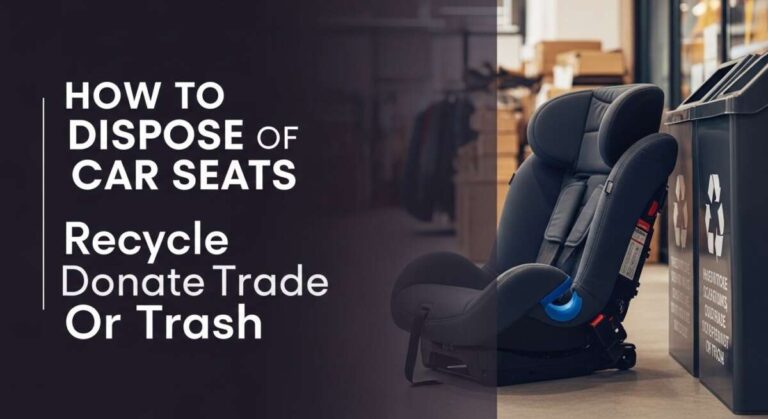
If the seat must be replaced, make it unusable before disposal. This helps prevent another person from finding it and assuming it is safe.
Cut the harness straps and remove or damage other key parts, following local disposal rules. Write “DO NOT USE—CRASHED” on the seat with a permanent marker. If your local waste service accepts plastic car seats, follow its instructions.
Some retailers, public health programs, or community organizations run trade-in events. These programs change over time, so confirm current details before transporting the seat.
Do not donate or sell a crashed seat. A buyer may not know the seat’s full crash history, and a hidden defect may not be visible.
A replacement should also be:
- The right type for the child’s height, weight, and development
- Compatible with the vehicle
- Free from recalls
- Within its usable life
- Used with all required parts
A replacement car seat does not need to be the same brand or model. It must fit the child and vehicle and be used according to its instructions.
Does car insurance pay for a replacement car seat?
Your auto insurance may cover a replacement car seat after a covered crash, but coverage varies by policy and state. Some insurers replace child restraints after a collision; others may require documentation or limit payment.
Call the insurer before discarding the seat when it is safe to do so. Ask:
- Is replacement covered?
- Does the seat need to be inspected first?
- Is there a dollar limit?
- Must you buy the same model?
- What receipts or photos are required?
- Can you use the manufacturer’s replacement recommendation?
If the seat was in the vehicle during the crash, tell the insurer that fact. Do not wait to replace the seat if a child needs a safe ride. Keep receipts and submit them according to the claim process.
Insurance coverage does not decide whether a seat is safe. The crash facts, NHTSA guidance, and manufacturer instructions do that.

What if the car seat was empty during the crash?
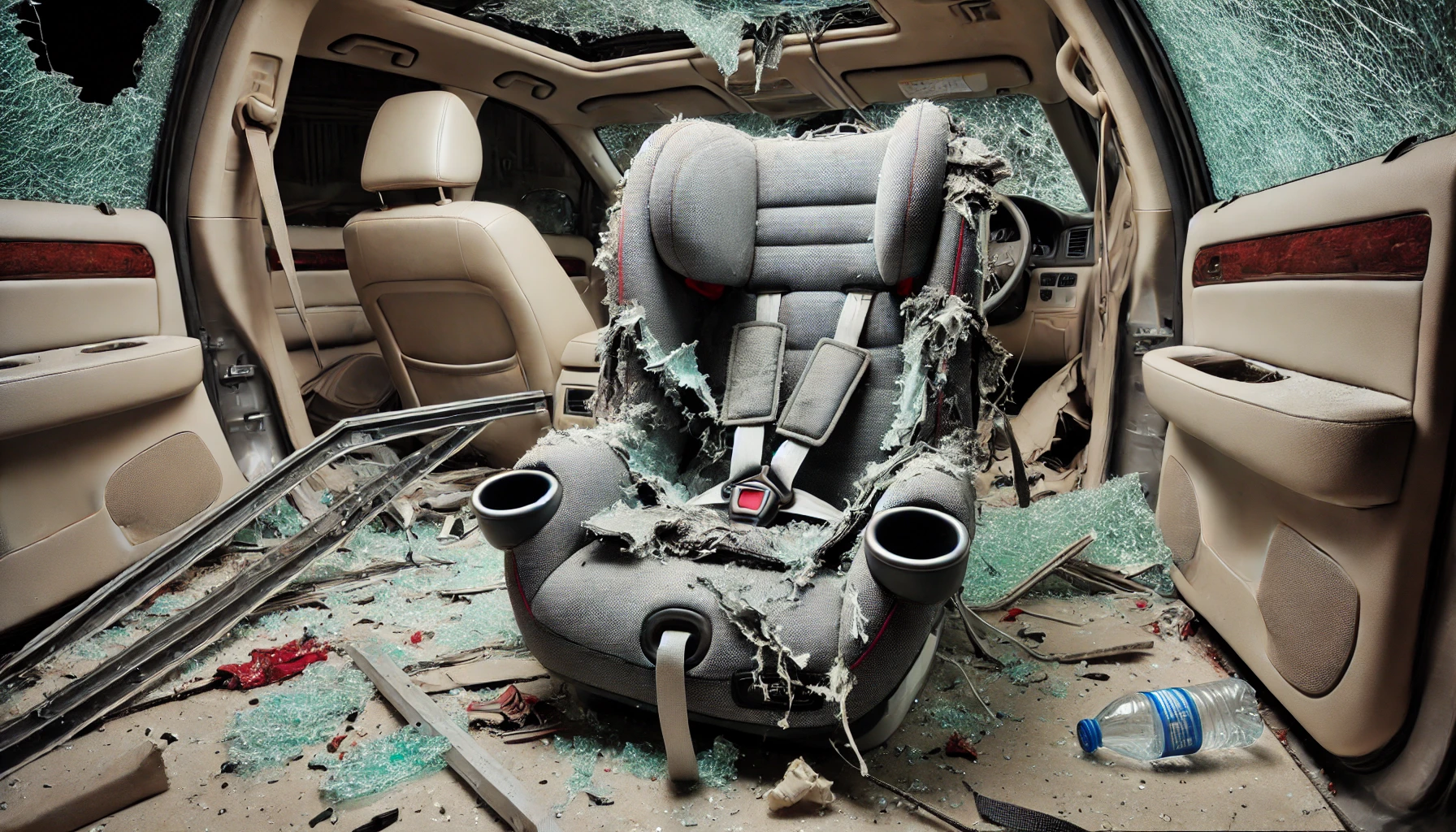
An empty car seat may still need replacement. The seat is attached to the vehicle, so it can experience crash forces even when no child is inside.
Use the same decision process:
- Determine whether the crash met all five minor-crash conditions.
- Inspect the seat.
- Check the manual.
- Ask the manufacturer if needed.
Do not assume that an empty seat is unaffected. The absence of a child changes the injury risk to the child, but it does not prove that the restraint itself avoided damage.
What if the car seat was not installed?
A car seat that was inside the vehicle but not installed may have a different risk profile. It may have moved around the cabin or struck another object. In that case, inspect it closely and ask the manufacturer for guidance.
If the seat was stored outside the vehicle and was not involved in the crash, the crash itself does not require replacement. You should still check its age, condition, recall status, and parts.
The key question is whether the seat was exposed to crash forces, not simply whether it belongs to the vehicle.

Do infant car seats, convertible seats, and boosters follow different rules?
The same basic crash guidance applies to infant seats, convertible seats, all-in-one seats, harnessed boosters, and belt-positioning boosters. However, each product may have different parts and different manufacturer instructions.
Pay special attention to:
- Infant seats used with a separate base
- Bases that stayed in the vehicle during the crash
- Booster seats with a plastic shell
- Harnessed seats with a detachable base
- Seats installed with lower anchors or a seat belt
- Seats with an anti-rebound bar or load leg
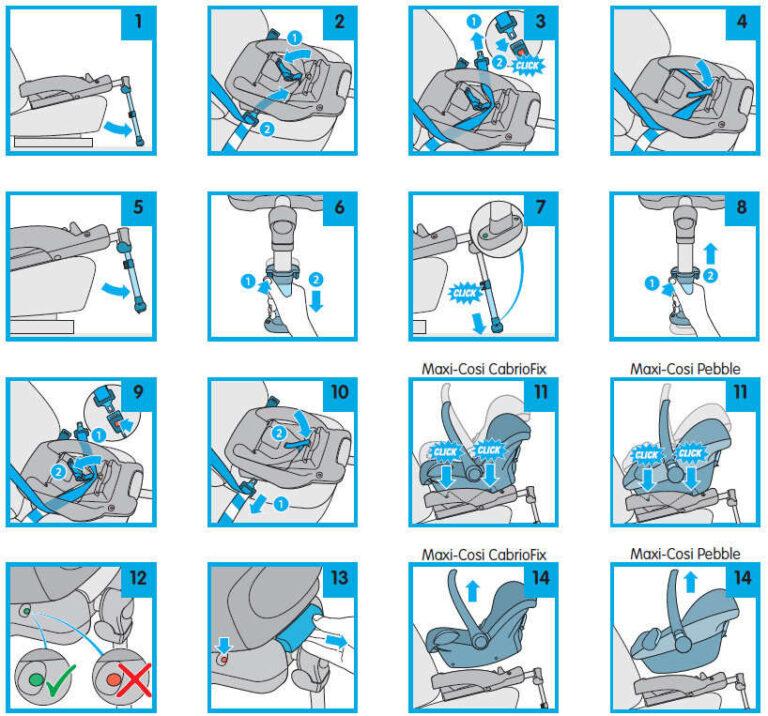
If an infant carrier was not in the vehicle but its base was, the base may need replacement even if the carrier appears unaffected. Check the manual for instructions about replacing one part or the full system.
Never mix parts from different models or brands unless the manufacturer specifically approves that combination.

Can you use a car seat after a fender-bender?
Sometimes, but “fender-bender” is not a safety classification. Use the five NHTSA minor-crash conditions instead.
For example, a low-speed rear-end crash may qualify as minor if:
- The car could be driven away.
- No one was injured.
- No airbags deployed.
- The door nearest the seat was not damaged.
- The car seat has no visible damage.
- The manufacturer permits reuse.
A low-speed crash does not qualify if one of those facts is missing. When the answer is uncertain, replacement is the safer choice.
Common mistakes to avoid
Assuming visible damage is the only concern
Plastic can hide stress. A seat does not need to look broken to require replacement.
Replacing only the cover
A new cover does not repair the shell, harness, buckle, or anchor system. Replace the complete seat or the specific approved component identified by the manufacturer.
Using a seat because the child was not in it
The restraint can still absorb crash forces while empty.
Relying only on a police report
A police report may describe the crash, but it may not assess the condition of the car seat. Use the report as one source of facts, then check the seat manual and manufacturer guidance.
Giving away a seat that appears fine
A seat with an unknown crash history should not be passed to another family. If you cannot confirm its history, do not use it.
Ignoring expiration dates and recalls
A seat may need replacement for reasons unrelated to the crash. Check the label and search the NHTSA car seat recall database.
Frequently asked questions
Does a car seat need to be replaced after every accident?
No. NHTSA allows possible reuse after a minor crash when all five minor-crash conditions are met. The manufacturer may require replacement after any crash, so check the manual and contact the company.
Can a car seat be reused after airbags deploy?
Do not reuse it based on the minor-crash exception. Airbag deployment means the crash does not meet NHTSA’s minor-crash conditions. Replace the seat unless the manufacturer gives a specific instruction that clearly applies to the situation.
What if the car seat has no visible damage?
It may still need replacement. Hidden damage is one reason NHTSA and manufacturers use crash conditions, not visual inspection alone.
Should I replace a car seat after a crash if my child was not hurt?
Yes, consider the seat separately from the child’s injuries. A child may be unharmed while the seat still experienced damaging forces. Follow the crash criteria and the manufacturer’s instructions.
Can I use a secondhand car seat after an accident?
Avoid it unless you can verify the complete history, including whether it was ever in a crash, whether it has all parts, and whether it is recalled or expired. If the history is unknown, choose another seat.
The safest next step
If the crash was moderate or severe, replace the car seat. If it may have been minor, confirm all five NHTSA conditions, inspect the seat, read the manual, and contact the manufacturer when needed.
When there is doubt, do not place a child in the seat until you have a clear answer. A replacement seat costs less than guessing about hidden crash damage.