How To Choose The Right Car Tires: Smart Buying Guide
Choosing the right car tires starts with your vehicle’s approved tire size, load rating, speed rating, and the roads and weather you face in the United States. The best tire is not always the most expensive one. It is the tire that fits your vehicle, supports its weight, matches your climate, and suits the way you drive.
Before you shop, check the tire information placard on the driver’s doorjamb and your owner’s manual. These sources list the correct tire size and recommended cold inflation pressure for your vehicle. Do not rely only on the size printed on the tire currently installed, since a previous owner may have fitted an incorrect tire.

1. Start With the Correct Tire Size
The first step is to find the tire size approved for your car. You can usually find it in three places:
- The label inside the driver’s door
- The owner’s manual
- The vehicle manufacturer’s online specifications
A tire size may look like this:
P215/60R16 95H
Each part gives useful information:
| Marking | Meaning |
|---|---|
| P | Passenger-car tire classification |
| 215 | Tire width in millimeters |
| 60 | Sidewall height as a percentage of width |
| R | Radial construction |
| 16 | Wheel diameter in inches |
| 95 | Load index |
| H | Speed rating |
The tire size alone is not enough. The load index and speed rating also matter.
Match the load index
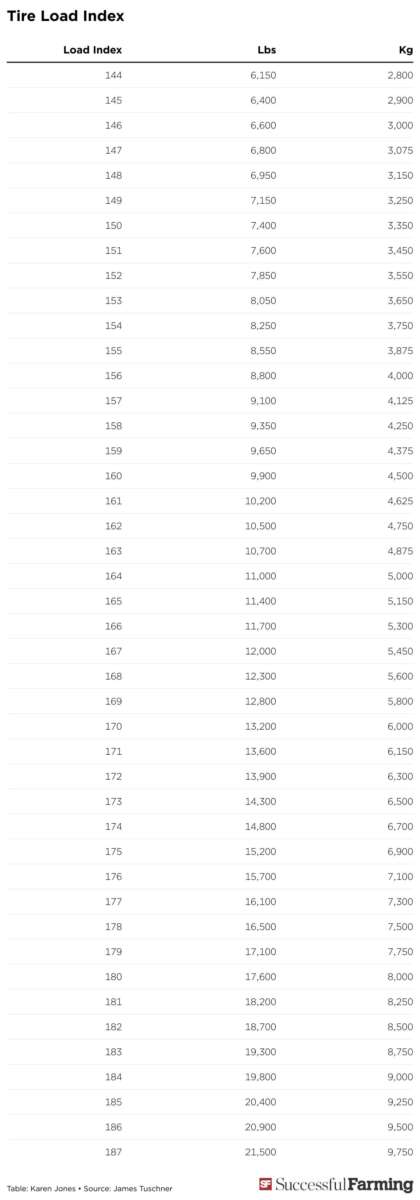
The load index shows how much weight one tire can carry under specified conditions. A replacement tire should meet or exceed the vehicle maker’s required load index unless a qualified tire professional confirms another setup.
Using a tire with too little load capacity can affect handling, heat buildup, braking, and durability. This matters even more when you regularly carry passengers, tools, luggage, or tow a trailer.
Match or exceed the speed rating
The speed rating indicates the tire’s tested speed capability under controlled conditions. It does not mean you should drive at that speed.
For a replacement tire, use the vehicle maker’s recommended speed rating. A lower rating may change handling and may not be suitable for the vehicle. A higher rating can be acceptable in some cases, but it may bring a firmer ride, higher cost, or different wet and snow performance.
Be careful with “plus sizing”
Some drivers install larger wheels with shorter tire sidewalls. This can improve steering response, but it may also:
- Make the ride harsher
- Increase wheel and tire damage from potholes
- Reduce snow traction
- Raise replacement cost
- Change the accuracy of the speedometer if the overall tire diameter changes
If you change wheel size, use a setup approved for your vehicle. A tire shop should confirm load capacity, clearance, wheel width, and overall diameter.
2. Choose Tires for Your Climate and Roads
Your normal weather should guide your tire type. A tire that works well in Arizona may not be the right choice for Minnesota, Colorado, or the Pacific Northwest.
All-season tires
All-season tires are designed for a broad range of conditions, including dry roads, rain, and light winter weather. They are a practical choice for many drivers in the southern and central United States.
However, “all-season” does not mean “all-weather.” These tires may lose grip in deep snow, ice, and very cold temperatures.
All-weather tires
All-weather tires are made to handle more winter weather than many standard all-season tires. They often carry the Three-Peak Mountain Snowflake symbol, also called the 3PMSF mark.
This symbol means the tire met a specified snow-traction performance test. It does not mean the tire is equal to a dedicated winter tire in every condition.
Winter tires
Winter tires use rubber compounds and tread designs made for cold weather. They can provide better grip on snow, ice, and cold pavement than all-season tires.
Consider winter tires if you:
- Drive often in areas with regular snow or ice
- Travel through mountain passes
- Need dependable traction for early-morning commutes
- Live where temperatures often stay below about 45°F
Winter tires should generally be installed on all four wheels. Installing them only on the drive axle can create an unstable balance between front and rear grip.
Summer tires
Summer tires can provide strong dry and wet-road handling in warm weather. They are common on performance cars and some sports sedans.
They are not designed for regular freezing temperatures or snow. Their rubber can become firm in cold weather, reducing traction.
A simple climate guide
| Driving conditions | Tire type to consider |
|---|---|
| Warm climate with little or no snow | All-season or summer |
| Frequent rain and mild winters | Touring all-season or all-weather |
| Regular snow and freezing weather | Winter tires |
| Warm weather and sporty driving | Performance summer or performance all-season |
| Mixed city and highway driving | Touring all-season |
No tire can overcome unsafe speed, poor visibility, worn suspension parts, or a slick road surface. Tire choice helps, but it does not replace careful driving.

3. Decide Which Performance Traits Matter Most
Every tire involves trade-offs. A tire with a quiet ride may not have the sharpest steering response. A long-wearing tire may not provide the same cornering feel as a performance model.
Think about your main priorities before comparing brands.
Ride comfort and noise
Touring tires usually focus on a smooth, quiet ride. They may use tread patterns designed to reduce air noise and vibration.
Choose this type if you spend a lot of time on highways or want a relaxed ride.
Wet-road grip
Look for a tire with strong wet-braking performance and a tread pattern that can move water away from the contact patch. Wet grip depends on more than tread grooves. The rubber compound, tire design, road surface, and temperature also matter.
Do not use the UTQG treadwear number as a direct wet-grip rating. It is not a complete measure of wet performance.
Handling
Performance tires often provide quicker steering response and stronger cornering grip. The trade-offs may include:
- More road noise
- A firmer ride
- Faster wear
- Higher purchase cost
- Lower snow performance
A performance tire may be a poor fit for a driver who values quiet highway travel or long tread life.
Tread life
The UTQG treadwear grade appears on many passenger-car tires sold in the United States. It can help you compare tires from the same brand and test system, but it is not a guaranteed mileage figure.
A tire with a 600 treadwear grade will not necessarily last twice as long as one rated 300. Driving style, alignment, tire pressure, climate, road surface, rotation, and vehicle weight all affect actual wear.
Fuel economy
Some tires are designed to reduce rolling resistance. Lower rolling resistance can help a vehicle use less fuel, but the effect varies by vehicle and driving conditions.
The savings may be modest. Do not sacrifice the required load rating, wet grip, or winter performance to chase a small fuel-economy gain.

4. Compare Tire Ratings and Labels Carefully
Tire labels can help, but they do not tell the whole story.
Read the UTQG information
The Uniform Tire Quality Grading system may show:
- Treadwear
- Traction
- Temperature
Traction grades relate to straight-line wet braking under a specific test. Temperature grades relate to resistance to heat generation under controlled conditions.
These grades are useful for comparison, but they are not a complete score for comfort, snow grip, hydroplaning resistance, noise, or handling.
Check the 3PMSF symbol for severe snow
If you need a tire for regular winter travel, check the sidewall for the mountain-and-snowflake symbol. A tire marked only “M+S” may offer some mud and snow capability, but that marking does not have the same meaning as 3PMSF certification.
Check the tire’s age
The last four digits of the Department of Transportation identification number show the week and year of manufacture. For example, 2423 means the tire was made in the 24th week of 2023.
Tires age even when they are not driven. Heat, sunlight, storage conditions, and time can affect rubber. Inspect older tires for cracks, bulges, vibration, or other damage, and follow the tire maker’s guidance on service life.
The National Highway Traffic Safety Administration provides tire safety information, including guidance on tire condition and maintenance.
Look for the right construction
Most modern passenger tires use radial construction. Some tires also have special markings for:
- Run-flat capability
- Original-equipment fitment
- Electric-vehicle use
- Extra load capacity
- Temporary spare use
Do not assume that a run-flat tire is a direct replacement for a standard tire. The vehicle may require compatible wheels, a working tire-pressure monitoring system, and specific handling procedures.

5. Choose a Tire That Fits Your Vehicle’s Use
The right tire for a commuter car may not be right for a pickup truck, crossover, sports car, or electric vehicle.
Commuter cars
For a sedan or compact car used mainly for commuting, focus on:
- Wet-road braking
- Ride comfort
- Low noise
- Tread life
- Correct load and speed ratings
A touring all-season tire is often a reasonable starting point in areas without severe winters.
SUVs and crossovers
SUV and crossover tires must support the vehicle’s weight and may need a higher load rating. If the vehicle has all-wheel drive, replace tires according to the vehicle manufacturer’s instructions.
Some all-wheel-drive systems require very similar tire circumference at all four corners. Mixing tires with noticeably different tread depths or overall diameters can place stress on the drivetrain.
Pickup trucks
A pickup truck used for towing, hauling, or off-road driving may need a different tire than one used only for commuting.
Common categories include:
- Highway terrain, or H/T
- All-terrain, or A/T
- Mud-terrain, or M/T
Highway tires usually offer lower noise and smoother road manners. All-terrain tires offer a compromise for light off-road use. Mud-terrain tires provide aggressive off-road traction but can be noisy and less comfortable on pavement.
Always confirm the tire’s load range and capacity against the truck’s required ratings.
Electric vehicles
Electric vehicles often weigh more than similar gas-powered vehicles and produce instant torque. They may need tires with sufficient load capacity and a design suited to the vehicle’s weight and range goals.
Some EV-specific tires focus on low rolling resistance and reduced noise. Do not fit a tire solely because it is labeled for an EV. Confirm the correct size, load index, speed rating, and vehicle approval.

6. Set a Realistic Tire Budget
The purchase price is only part of the cost. Include:
- Mounting and balancing
- New valve stems or TPMS service
- Tire disposal fees
- Alignment, if needed
- Seasonal storage or tire changes
- Rotation and inspection
- Road-hazard coverage, if offered
A cheaper tire can cost more if it wears quickly or performs poorly in the conditions you face. A premium tire may be worthwhile when it offers a meaningful improvement in wet braking, winter traction, noise, or durability.
Do not pay extra for a feature you will not use. For example, a dedicated performance tire may make little sense for a driver who spends most of the year in city traffic and values comfort.
Compare like with like
When comparing two tires, check the same basic requirements first:
- Correct size
- Equal or higher load index
- Correct speed rating
- Suitable season and climate rating
- Suitable vehicle fitment
- Similar warranty terms
- Installation and maintenance cost
Only compare price after these requirements match.

7. Inspect Your Current Tires Before Replacing Them
Your current tires can reveal whether the new set should include an alignment check or suspension inspection.
Common wear patterns
| Wear pattern | Possible cause |
|---|---|
| Both outer shoulders worn | Underinflation or heavy cornering |
| Center tread worn | Overinflation |
| One shoulder worn | Alignment problem |
| Cupping or scalloped wear | Worn suspension or poor balance |
| One tire much more worn | Misalignment, tire issue, or drivetrain concern |
| Cracks or bulges | Aging or impact damage |
These patterns are clues, not final diagnoses. A qualified tire technician should inspect the vehicle when wear is uneven, the steering wheel is off-center, or the car pulls to one side.
Check tread depth
Use a tread-depth gauge for a more reliable measurement than a visual check. Replace a tire when the tread reaches the manufacturer’s limit or when damage, age, or uneven wear makes it unsafe.
Federal law and state enforcement may differ, but worn tires can lose wet traction well before they look completely bald. Follow the tire maker’s wear indicators and local requirements.
Check tire pressure
Use the pressure shown on the vehicle placard, not the maximum pressure molded into the tire sidewall. Check pressure when the tires are cold, ideally before driving or after the vehicle has been parked for several hours.
Correct pressure supports handling, braking, tire life, and fuel economy. Underinflation can also create excess heat.
The U.S. Department of Transportation’s TireWise program recommends regular tire-pressure checks and inspection.

8. Know When to Replace Two Tires or All Four
Replacing all four tires is usually the simplest way to maintain balanced traction. However, some drivers need to replace only two because of budget or uneven damage.
If you replace only two tires, many tire manufacturers recommend installing the newer tires on the rear axle, even on a front-wheel-drive vehicle. Better rear traction can help reduce the risk of oversteer on wet roads.
Follow the tire manufacturer’s instructions and ask the installer to check the vehicle’s drivetrain requirements.
Avoid unsafe tire mixing
Do not mix tires with major differences in:
- Size
- Construction
- Season
- Tread pattern
- Load capacity
- Speed rating
On vehicles with all-wheel drive, read the owner’s manual before replacing only one tire or two tires. The system may require matching tread depths or a specific replacement process.
A temporary spare is not a normal replacement tire. Use it only as directed, observe its speed limit, and replace or repair the full-size tire as soon as possible.

9. Use This Tire-Buying Checklist
Before ordering or installing tires, confirm the following:
- The size matches the vehicle placard or manual.
- The load index meets the vehicle requirement.
- The speed rating meets the vehicle requirement.
- The tire fits the local climate.
- The tire has the needed snow rating, if applicable.
- The tire suits your normal roads and driving style.
- The tire’s age and condition are acceptable.
- The warranty terms are clear.
- Installation includes balancing.
- TPMS sensors will be checked.
- Alignment will be inspected if wear is uneven.
- The shop will torque the lug nuts correctly.
- You know the recommended rotation schedule.
After installation, check the tire pressure again when the tires are cold. During the first few miles, listen for unusual noise and confirm that the vehicle tracks straight. If the car vibrates, pulls, or handles differently, return to the installer for an inspection.

Common Mistakes to Avoid
Buying by price alone
The lowest price may not reflect wet grip, winter performance, service life, or installation cost. Compare the features that matter for your roads.
Treating all-season tires as winter tires
Standard all-season tires may not provide enough traction for frequent snow and ice. Look for 3PMSF-rated all-weather or winter tires when conditions require it.
Using the tire sidewall pressure
The number on the sidewall is not normally the recommended pressure for your vehicle. Use the doorjamb placard.
Replacing only one tire without checking the drivetrain
A single new tire can have a different rolling circumference from the others. This can be a serious issue on some AWD vehicles.
Ignoring alignment problems
New tires cannot correct worn steering parts or poor alignment. If the old tires wore unevenly, find the cause before installing a new set.
Assuming a higher rating is always better
A tire with a higher speed rating or stiffer construction may change ride comfort, noise, and cost. The goal is the correct match, not the biggest number.
Waiting for a flat
Tires can become unsafe because of age, cracks, impact damage, or low tread before they fail completely. Inspect them during routine service.
Frequently Asked Questions
How do I know what tire size my car needs?
Read the tire placard inside the driver’s door or check the owner’s manual. The placard is usually the best starting point because it lists the vehicle maker’s approved size and inflation pressure.
Should I buy the same brand as the original tires?
Not always. Original-equipment tires are selected for the vehicle, but replacement tires from other brands can work if they meet the required size, load index, speed rating, and performance needs.
Are expensive tires always better?
No. A more expensive tire may offer better wet grip, lower noise, longer wear, or stronger winter performance, but those benefits depend on your driving conditions. Compare verified specifications and independent test results when available.
Is it safe to use a different tire size?
Only when the vehicle manufacturer or a qualified tire professional confirms that the size is compatible. A different size can affect clearance, handling, braking, speedometer readings, and drivetrain operation.
How often should I rotate my tires?
Use the interval in the vehicle or tire manufacturer’s instructions. Many vehicles need rotation at regular service intervals, but the correct schedule can vary with drivetrain, tire type, alignment, and wear pattern.
Do I need an alignment when I buy new tires?
Not every vehicle needs an alignment with every tire purchase. An alignment check is wise when the vehicle pulls, the steering wheel is off-center, or the old tires show uneven wear.
Final Recommendation
To choose the right car tires, begin with the vehicle placard and manual. Match the required size, load index, and speed rating. Then select the tire type based on your U.S. climate, road conditions, driving habits, and priorities such as quietness, wet grip, winter traction, or tread life.
Before installation, inspect the old tires for uneven wear, check the vehicle’s alignment and TPMS, and confirm the shop will balance the new tires. The right tire is not simply the one with the highest rating or lowest price. It is the one that fits your vehicle and gives you dependable control in the conditions you actually drive.