How To Rotate Tires On A Dually: Step-By-Step Guide
Rotating tires on a dually pickup, such as a Ford F-350, Chevrolet Silverado 3500HD, or Ram 3500, takes more planning than rotating tires on a standard truck. A dually has two rear tires on each side, so the rotation pattern must keep the dual tires matched and correctly positioned.
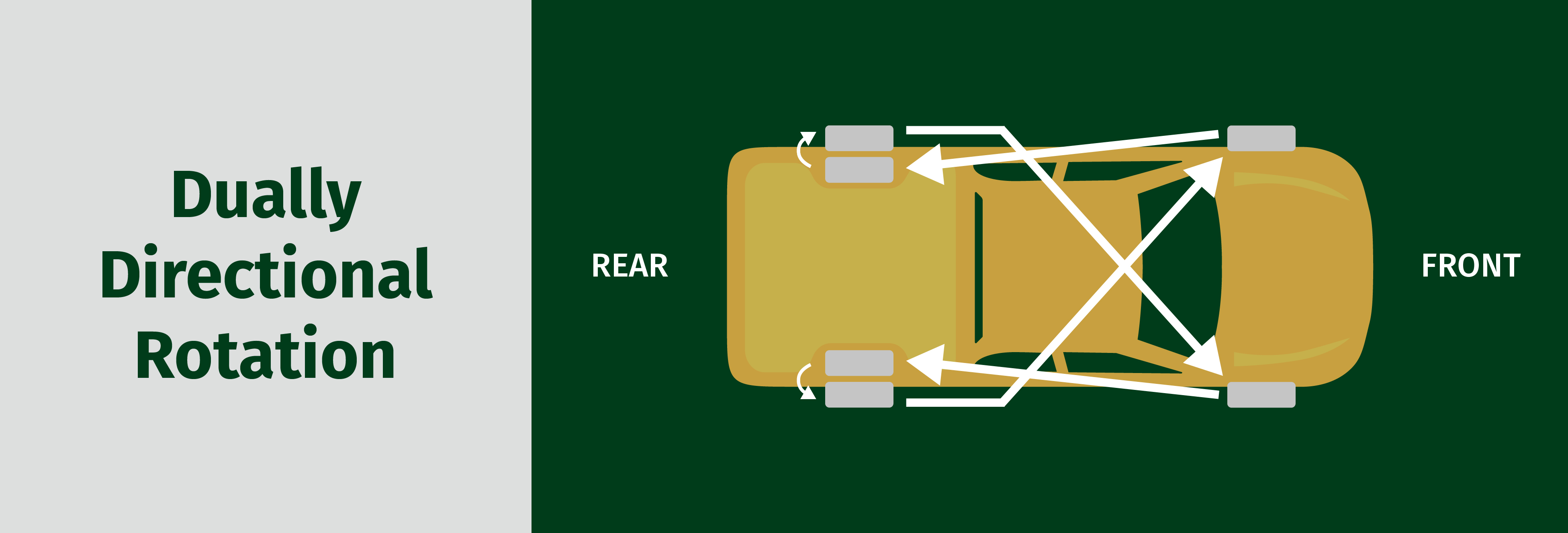
For most US-market dually pickups, the basic pattern is to move each tire through the same-side positions: front to outer rear, outer rear to inner rear, and inner rear to front. However, the exact pattern depends on the truck manual, tire design, wheel fit, and whether the tires are directional or different sizes.
Always check the owner’s manual and tire maker’s instructions before starting. If the truck carries a camper, trailer load, or commercial cargo, a tire shop with heavy-duty lifting equipment may be the safer choice.

What You Need Before Rotating Dually Tires
You need a level work area, proper lifting gear, and a clear tire-position plan. A dually wheel and tire can be very heavy, and the inner rear wheel can be difficult to remove safely without the right tools.
Gather these items:
- Owner’s manual
- Tire rotation diagram, if supplied
- Heavy-duty floor jack or vehicle lift rated for the truck’s weight
- Jack stands rated for the truck’s weight
- Wheel chocks
- Breaker bar or impact wrench
- Correct socket for the wheel nuts
- Torque wrench with enough range for the truck’s specification
- Tire pressure gauge
- Chalk, paint marker, or masking tape
- Tire tread-depth gauge
- Work gloves and eye protection
- Tire dolly or wheel lift, if available
Check the truck’s Gross Vehicle Weight Rating (GVWR) and use equipment rated above the actual load. Never rely on the small factory jack for a full tire rotation unless the manufacturer specifically allows it and you have a safe way to support the truck.
Check the tires and wheels first
Before removing anything, inspect:
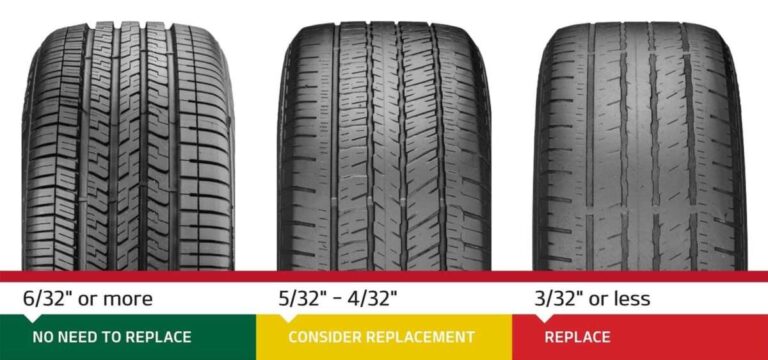
- Tread depth
- Uneven wear
- Cuts, cracks, bubbles, or bulges
- Exposed cords
- Nails or other objects
- Wheel damage
- Loose or damaged valve stems
- Dually valve extensions
- Rust or debris between the dual wheels
Measure the tread on several points across each tire. A tire that is worn on one edge, cupped, or damaged may need diagnosis or replacement instead of rotation.
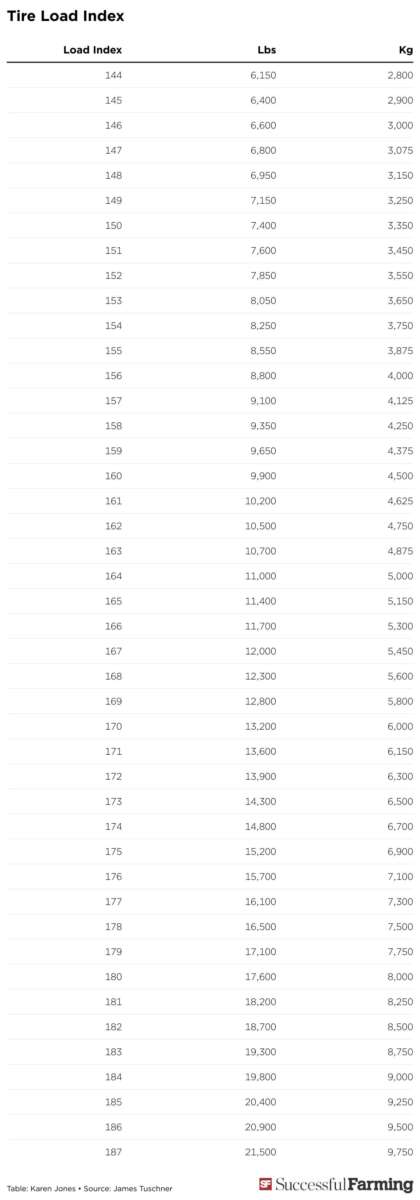
Look for the tire’s maximum load, size, and speed rating on the sidewall. The dual tires on the same side must be suitable for dual use. Never pair a tire that is not approved for a dual application with one that is.
Confirm that rotation is allowed
Do not assume every dually tire setup uses the same pattern. Stop and check the manual if the truck has:
- Different front and rear tire sizes
- Directional tires
- Asymmetric tires
- Different wheels front and rear
- Aftermarket dually wheels
- Tires with different load ratings
- A tire-pressure monitoring system that needs relearning
- A commercial tire setup with special casing or matching rules
Some tires and wheels cannot be moved to every position. If the sidewall says “Rotation Direction” or shows an arrow, the tire must keep rolling in the marked direction.

The Common Dually Tire Rotation pattern
for a truck with four matching, non-directional tires on each side, a common same-side rotation is:
- Move the left-front tire to the left-outer-rear position.
- Move the left-outer-rear tire to the left-inner-rear position.
- Move the left-inner-rear tire to the left-front position.
- Repeat the same pattern on the passenger side.
The right side follows its own three-position cycle. Do not normally cross tires from the driver side to the passenger side unless the tire maker or vehicle maker allows it.
Position map
| Starting position | Common next position |
|---|---|
| Left front | Left outer rear |
| Left outer rear | Left inner rear |
| Left inner rear | Left front |
| Right front | Right outer rear |
| Right outer rear | Right inner rear |
| Right inner rear | Right front |
This pattern helps spread wear across the three positions on each side. It also keeps the tire’s rolling direction unchanged.
The pattern is not a universal rule. Some manufacturers use a different sequence, and some tire makers recommend rotating tires in axle pairs rather than as individual tires. The truck manual and tire manufacturer’s guide take priority.
Why dual tires must remain matched
The two tires on one rear side form a dual assembly. They share the load and must work together. A large difference in:
- Tread depth
- Tire diameter
- Inflation pressure
- Tire construction
- Wear pattern
- Load rating
can increase stress on the tires and drivetrain.
For that reason, keep the best-matched tires together as duals. If one tire on a dual pair is damaged, do not simply install a random replacement beside it. Ask a commercial tire shop to compare the tire sizes and tread depths.
Tire manufacturers often publish a maximum allowable difference in circumference or tread depth for dual assemblies. That limit can vary by tire line, so use the tire maker’s specification instead of guessing.

How to Rotate Tires on a Dually
Follow these steps only when the truck is on stable ground and supported by equipment rated for its weight.
1. Park and secure the truck
Park on a hard, level surface. A concrete driveway or shop floor is better than soft soil or gravel.
Set the parking brake. Place wheel chocks in front of and behind the wheels that will remain on the ground. If the truck is connected to a trailer, follow the vehicle and trailer maker’s instructions before uncoupling or lifting anything.
Turn off the engine and keep the keys away from the ignition.
2. Record the starting positions
Mark each tire before removal:
- LF for left front
- RF for right front
- LOR for left outer rear
- LIR for left inner rear
- ROR for right outer rear
- RIR for right inner rear
This prevents confusion when several heavy wheels are on the floor. Take a photo of each dual assembly before disassembly. Photos can show valve-stem orientation, spacer location, and the original order.
3. Loosen the wheel nuts slightly
With the tires still on the ground, loosen each wheel nut slightly. Do not remove the nuts yet.
Use the correct socket. Some dually trucks have different wheel-nut designs or special inner and outer nuts. Do not use an impact wrench to force a stuck nut if the socket does not fit correctly.
4. Lift and support the truck
Use the lift points listed in the owner’s manual. Raise only the axle or section needed for the rotation, then place jack stands under approved support points.
The jack holds the truck up while lifting. The jack stands support it. Never work under a truck supported only by a hydraulic jack.
If you lift one axle at a time, keep the other wheels chocked. If you lift the entire truck, use a lift designed for heavy pickups and follow its arm-placement rules.
5. Remove the wheels carefully
Remove the wheel nuts and pull each wheel straight away from the hub. Dually wheels can stick because of corrosion or dirt between the mounting surfaces.
Do not place any part of your body under an unsupported wheel. Use a tire dolly or ask for help when moving the rear wheels. Avoid standing in the path of a tire that may fall or roll.
If the rear wheels use a spacer, adapter, valve extender, or special washer, keep each part with its original wheel until you confirm the correct assembly order.
6. Inspect the hub and mounting surfaces
Clean rust, dirt, and debris from the hub, wheel pilot, and mating surfaces with a suitable wire brush. Do not apply grease to wheel studs or nuts unless the manufacturer specifically calls for it.
Inspect the studs and nuts for:
- Cross-threading
- Damaged threads
- Cracks
- Missing washers
- Stretching
- Corrosion
- Loose or damaged spacers
A damaged stud or nut needs repair before the wheel returns to service.
7. Move the tires into the approved positions
For the common same-side pattern:
- Left front goes to left outer rear.
- Left outer rear goes to left inner rear.
- Left inner rear goes to left front.
- Right front goes to right outer rear.
- Right outer rear goes to right inner rear.
- Right inner rear goes to right front.
If the tires are directional, make sure every arrow still points in the forward rolling direction. If a tire would face the wrong way, stop and use the tire maker’s approved pattern.
Install the most closely matched tires together on each dual position. Do not put a badly worn tire beside a much taller tire.
8. Hand-start the wheel nuts
Set each wheel fully against the hub and start every nut by hand. This reduces the chance of cross-threading.
For dual wheels, make sure the inner wheel is seated correctly before installing the outer wheel. The valve stems should remain accessible, and the dual gap should match the wheel and vehicle design.
Do not hammer the outer wheel into place or use the wheel nuts to pull a misaligned wheel onto the hub.
9. Tighten in stages
Snug the wheel nuts in the manufacturer’s specified star or crisscross pattern. Lower the truck until the tires just touch the ground, then torque the nuts with a calibrated torque wrench.
Use the exact torque value in the owner’s manual or service information. Do not copy a generic torque number from another truck. Torque can differ by model, wheel material, stud size, nut design, and wheel position.
After tightening:
- Confirm that every nut received the final torque.
- Check that the wheel sits flush.
- Confirm that the valve stems and extensions are not leaking.
- Reinstall caps or covers as required.
10. Set cold tire pressure
Check and adjust all six tires when they are cold. Use the pressure listed on the driver-door tire information label or in the owner’s manual, not the maximum pressure molded into the sidewall.
A dually may use different recommended pressures for the front and rear axles. The correct pressure also depends on load, so follow the truck maker’s load-inflation chart when one is provided.
Never reduce pressure from a hot tire to match the cold specification. Let it cool first.
11. Reset or check the TPMS
Some dually trucks monitor all six tire positions. Others may not identify each position after a rotation.
Check the owner’s manual for the tire-pressure monitoring system reset or relearn procedure. A warning light, incorrect tire position, or missing sensor reading may require a scan tool or a tire shop visit.
12. Recheck after driving
Drive slowly in a safe area and listen for:
- Clicking
- Scraping
- Vibration
- Pulling
- Steering changes
- Tire rubbing
- Air leaks
Recheck wheel-nut torque after the interval listed by the vehicle maker or installer. Some manufacturers require a torque check after a short distance, especially after wheel removal. If the truck vibrates or a wheel feels loose, stop driving and inspect it immediately.

When Should You Rotate Dually Tires?
Rotate dually tires at the interval listed by the truck or tire manufacturer. Many service schedules fall near 5,000 to 8,000 miles, but that range is only a general guide, not a replacement for the vehicle schedule.
Rotate sooner when you see uneven wear, such as:
- Front-edge or shoulder wear
- Feathering across the tread
- Cupping
- One rear tire wearing faster than its mate
- Different wear between inner and outer dual tires
The cause matters. Rotation can spread wear, but it will not correct a bad alignment, worn suspension part, bent wheel, underinflation, overloading, or a dragging brake.
Inspect at every oil change
A practical US maintenance habit is to inspect the tires at each oil change, even when a full rotation is not due. Check pressure when cold and look at the inner rear tires. These tires are easy to miss because they are hidden behind the outer wheels.
A tread-depth gauge can reveal a problem before it becomes obvious by sight. Compare the two tires in each dual pair and look for a difference in wear.

Dually Tire Rotation Decision Table
Use this table as a quick guide. The owner’s manual and tire maker’s instructions still control.
| Tire or wheel condition | Recommended action |
|---|---|
| Six matching, non-directional tires | Use the approved same-side rotation pattern |
| Directional tires | Keep each tire on the same rolling side unless the tire maker approves another method |
| Different front and rear sizes | Follow the vehicle-specific schedule; rotation may be limited or prohibited |
| One dual tire is much more worn | Have a tire professional measure and match the pair |
| Uneven shoulder wear | Check alignment, pressure, suspension, and load before rotating |
| Damaged tire | Repair or replace according to tire-industry guidance; do not rotate damage away |
| Aftermarket wheels or spacers | Follow the wheel maker’s fitment and torque instructions |
| Inner tire is hard to access | Use a commercial tire shop rather than taking a lifting risk |
| Unknown torque specification | Do not guess; obtain the factory specification first |
Can you cross dually tires from side to side?
Do not cross tires from one side to the other unless the tire manufacturer approves it. Crossing can reverse the rolling direction of directional tires and may create problems with asymmetric tread designs.
A same-side pattern is often the safer default because it keeps each tire on its original side. It also avoids unnecessary changes to the tire’s rolling direction.
Should the inner and outer rear tires be swapped?
They can be swapped when the tire, wheel, and vehicle instructions allow it. The inner and outer wheels may use different valve-stem positions, spacers, or mounting details, so inspect the assembly carefully.
The two tires that end up as a dual pair should be closely matched. If moving one tire would place it beside a tire with a very different diameter or tread depth, ask a tire professional to plan the rotation.
What if the front tires are wearing unevenly?
Do not treat rotation as the complete fix. Check:
- Cold inflation pressure.
- Front-end alignment.
- Toe and camber readings.
- Steering and suspension joints.
- Wheel balance.
- Overloading or repeated heavy towing.
A dually used for towing may show different wear from a lightly loaded truck. The load, road crown, tire pressure, and alignment all affect the pattern.
Common Mistakes to Avoid
The most serious mistakes involve lifting, wheel torque, tire matching, and pressure.
Using the factory jack as a work stand
A factory jack may be designed for emergency tire changes, not for supporting a truck during a six-tire rotation. Use properly rated jack stands or a commercial lift.
Guessing the torque
Too little torque can allow a wheel to loosen. Too much can stretch studs, damage nuts, distort the wheel, or make roadside removal difficult.
Use the factory specification and a calibrated torque wrench.
Ignoring the inner rear tires
The inner tires can lose air, wear unevenly, or develop damage without being seen from outside. Check them directly with a gauge and inspect them whenever the outer wheels are removed.
Mixing unmatched tires in a dual pair
A visibly similar tire may still have a different diameter, casing, load rating, or construction. Have the pair measured before installation.
Inflating to the sidewall maximum
The maximum pressure molded on the sidewall is not always the truck’s normal operating pressure. Use the door-jamb label and load chart.
Rotating a damaged tire
A rotation does not make a damaged tire safe. Replace a tire with a bulge, exposed cord, severe cut, or other condition that the tire maker considers nonrepairable.
Forgetting the valve extension
Dually trucks often use valve extensions or special valve stems. A bent extension, loose connection, or missing cap can cause a slow leak.
Separating a tire from a wheel without training
Dually tires can be large commercial-style assemblies. Removing a tire from a rim requires specialized equipment and training. Do not attempt it with tire irons or improvised tools.

When to Use a Professional Tire Shop
A professional shop is the better choice when the truck is heavily loaded, the wheels are difficult to handle, or the tire setup is unusual.
Get professional help if:
- You cannot safely lift and support the truck.
- The inner wheels will not separate.
- A wheel nut or stud is damaged.
- The tires are different sizes or brands in a dual pair.
- The truck has directional or unusual commercial tires.
- You notice a bulge, exposed cord, or severe cut.
- The vehicle has aftermarket spacers or adapters.
- You do not know the correct wheel-nut torque.
- A TPMS sensor needs programming.
- The truck has a persistent vibration or pull.
A tire shop can measure circumference, compare tread depth, check balance, inspect the wheel hardware, and verify that the dual pair is suitable.
What to do if the rotation causes a vibration
Stop and check the basics first:
- Confirm every wheel nut is torqued correctly.
- Check tire pressure in all six tires.
- Confirm that each tire is on the correct side and position.
- Look for a wheel that is not seated flush.
- Inspect for a damaged tire or bent wheel.
- Have the assemblies balanced if the problem remains.
Do not continue driving at highway speed while a new vibration is present. A vibration can indicate a loose wheel, tire damage, imbalance, or a fitment problem.

Best Practices After Rotating a Dually
Write down the date, mileage, tire positions, tread depth, and pressure. This simple record helps reveal a pattern over time.
After the service:
- Recheck pressures when the tires are cold.
- Confirm the TPMS shows normal readings.
- Check for air leaks around valve stems.
- Listen for noise during a short test drive.
- Recheck wheel-nut torque as required by the manual.
- Inspect the inner rear tires at the next service.
- Keep the tires matched by size, construction, and wear.
Use the rotation as a tire-health check, not just a position swap. It is one of the best times to find alignment problems, pressure loss, worn suspension parts, and hidden damage.

FAQs About Rotating Tires on a Dually
How many tires are rotated on a dually?
A typical dually pickup has six tires, and all six may be included in the rotation. Some tire and wheel setups limit rotation, so check the vehicle and tire instructions first.
Can I rotate dually tires by myself?
You can do it yourself only if you have safe lifting equipment, the correct torque information, and a way to move heavy wheels. If you cannot support the truck securely or handle the wheel assemblies safely, use a qualified tire shop.
Do dually tires need to be rotated in pairs?
The rear tires should remain matched as duals. They do not always need to be removed and moved as a physical pair, but the two tires installed together must meet the vehicle and tire maker’s matching requirements.
Should the best tires go on the front or rear?
Follow the vehicle and tire manufacturer’s recommendations. In general, tire professionals place priority on maintaining stable handling and properly matched dual assemblies. Do not move tires solely by appearance without checking tread depth, load rating, and position limits.
Can I use different tire brands on the same dually?
Mixing brands can create differences in size, construction, and tread shape. The two tires in one dual position should be closely matched, and the complete setup must meet the truck maker’s requirements. A tire professional should approve the combination.
How do I know if a dually tire is underinflated?
Use a pressure gauge on every tire, including both inner tires. Do not judge pressure by appearance alone. A dual tire can be underinflated while its outer partner carries part of the load and makes the pair look normal.
Does rotating tires fix a truck pull?
Usually not. A pull may come from alignment, tire pressure, tire conicity, road crown, brake drag, or worn suspension parts. Rotation can change the symptom but may not correct the cause.

Final Checklist
Before driving away, confirm that:
- The rotation pattern matches the owner’s manual.
- Directional tires still point forward.
- The dual tires are properly matched.
- Every wheel nut is torqued to the factory specification.
- All six tires have the correct cold pressure.
- Valve stems and extensions do not leak.
- The wheels sit flush against the hubs.
- The TPMS has been checked or relearned if needed.
- The truck has no vibration, rubbing, or pulling.
For a standard, matching dually setup, a same-side rotation from front to outer rear, outer rear to inner rear, and inner rear to front is often used. Treat that as a starting pattern, not a universal rule. The exact truck, tire, wheel, load, and manufacturer instructions determine the safe method.
Reference points
- National Highway Traffic Safety Administration: Tire Safety
- Tire Industry Association: Tire service and safety resources
- Michelin Truck and Bus Tire Care
- Your truck’s owner’s manual and the tire manufacturer’s service guide