How To Tell If A Tire Is 10 Ply: Easy Sidewall Guide
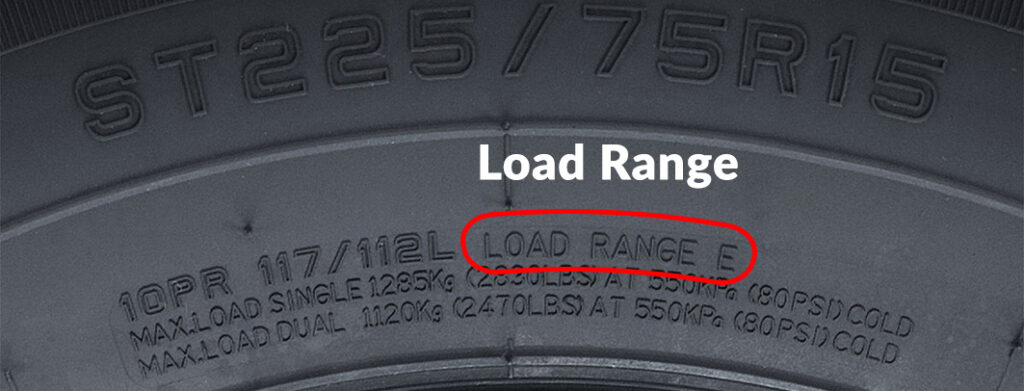
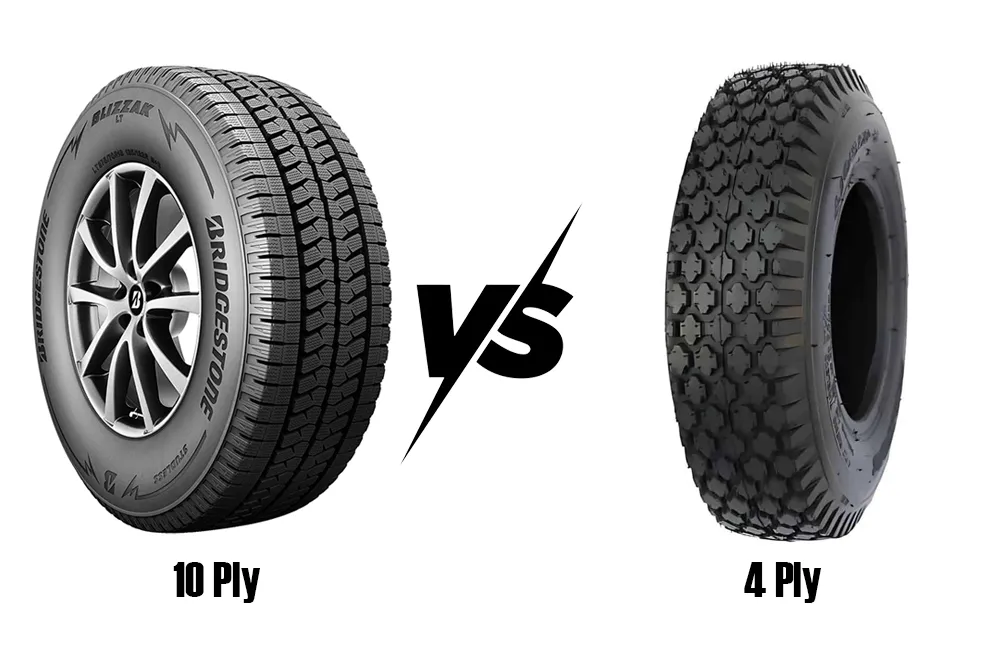
In the United States, the fastest way to tell if a truck, trailer, or RV tire is “10 ply” is to check the tire sidewall for Load Range E, LR-E, or 10 PR. In modern tire language, “10 ply” usually means a 10-ply rating, not that the tire contains 10 physical layers.
Check the sidewall first. Then confirm the tire’s load range, load index, and maximum load in the manufacturer’s specifications. Do not rely on the letter “E” alone, because it may appear as part of another marking.
What Does “10 Ply” Mean on a Tire?
“10 ply” describes a tire’s ply rating, which is a load-carrying strength category. It does not usually describe the actual number of cord layers inside the tire.
Older bias-ply tires used physical cotton or fabric layers to carry the load. Modern radial tires use advanced steel, polyester, nylon, and other materials. These tires may carry the load expected of a 10-ply tire without having 10 physical body plies.
For most light-truck tires in the United States:
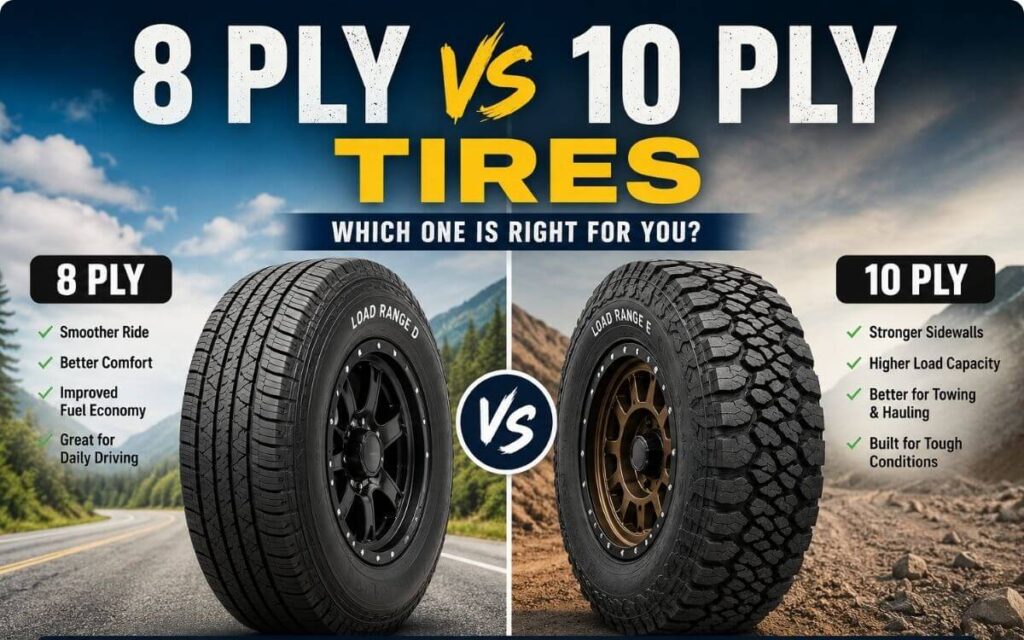
- Load Range C generally corresponds to a 6-ply rating.
- Load Range D generally corresponds to an 8-ply rating.
- Load Range E generally corresponds to a 10-ply rating.
- Load Range F generally corresponds to a 12-ply rating.
This is a general industry convention. The tire’s exact load capacity still depends on its size, construction, and approved inflation pressure.
A tire marked Load Range E is often called an “E-rated” or “10-ply” tire. That term is common in tire stores, truck forums, and product listings, but Load Range E is the more precise modern term.
How to Check the Tire Sidewall
Look at both sidewalls if possible. The load-range marking may be easier to see on the outside of the tire, but some information can appear on only one side.
Search for one of these markings:
- Load Range E
- LR-E
- LRE
- 10 PR
- 10 Ply Rating
- A manufacturer specification that identifies the tire as E-rated
The marking may appear near the tire size, service description, or maximum-load information. You may need a flashlight and a cloth to remove dirt.
Example of a common light-truck marking
A tire might show information similar to:
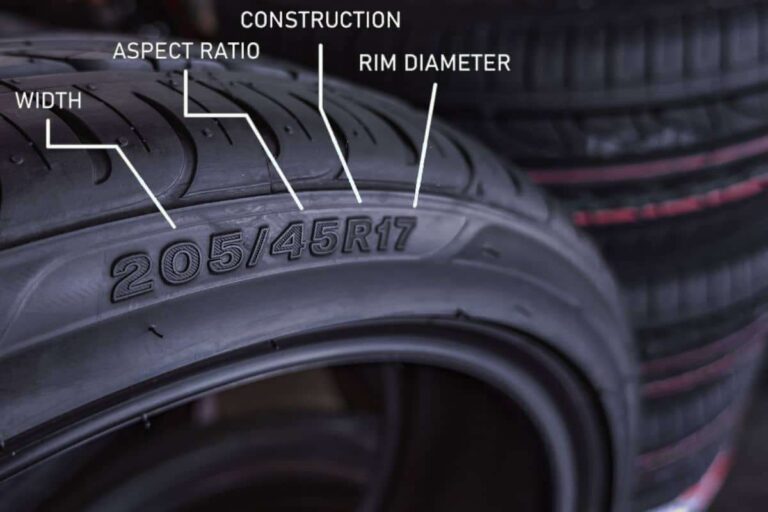
LT265/70R17 121/118S E
The parts mean:
- LT: Light-truck tire
- 265: Approximate section width in millimeters
- 70: Sidewall height as a percentage of the width
- R: Radial construction
- 17: Wheel diameter in inches
- 121/118: Load indexes for single and dual applications
- S: Speed symbol
- E: Load Range E, when the manufacturer places it in the load-range position
The exact layout varies by brand. Do not assume that every letter “E” on a sidewall means the tire is 10-ply. Confirm the marking in the tire maker’s catalog or fitment data.
Do not confuse these markings
The following items do not, by themselves, prove that a tire is 10-ply rated:
- The letter E inside the brand or model name
- A speed rating such as S, T, or H
- The word LT
- A high maximum pressure
- A large load index
- A thick-looking sidewall
- A tire’s tread depth
An LT marking means the tire is designed as a light-truck tire. It does not automatically mean Load Range E. Light-truck tires can have different load ranges.

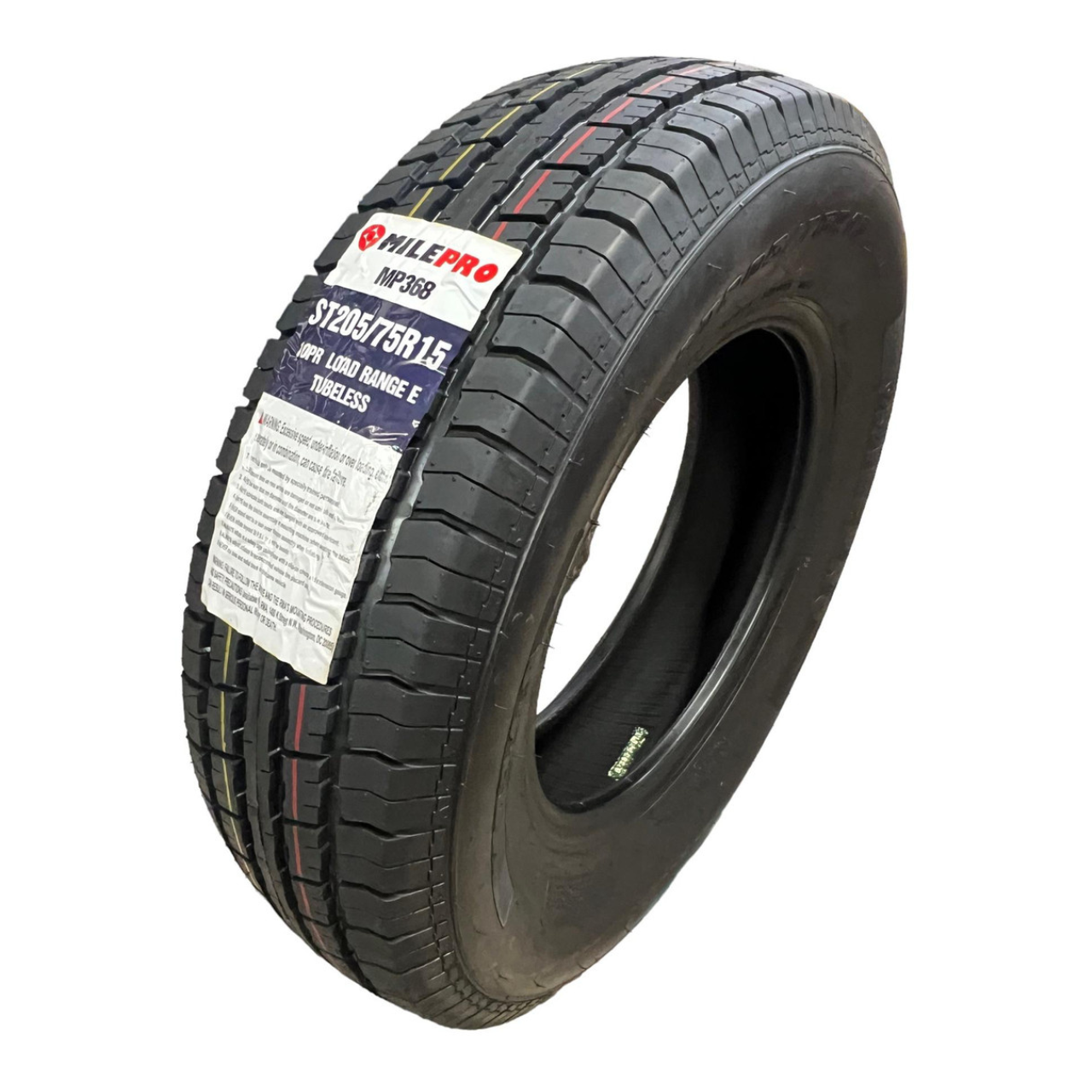
Check for “10 PR” or “Load Range E”
If the sidewall says 10 PR, the tire has a 10-ply rating. If it says Load Range E, it is generally the modern equivalent of a 10-ply-rated light-truck tire.
Some tires show both terms. Others show only the load range. The load-range marking is more common on modern radial tires.
A sidewall may use wording such as:
10 PR10 Ply RatingLoad Range ELR EE Range
These markings may be molded into the rubber in small letters. They can be hard to read when the tire is mounted or dirty.
If you cannot find the marking, record the full tire size, brand, model, and service description. Use those details on the tire manufacturer’s website. The manufacturer’s specification sheet is more reliable than a seller’s short product title.
Confirm the Load Range in the Manufacturer’s Specifications
The sidewall is the best first check, but the manufacturer’s data is the best confirmation when a marking is unclear.
Use this process:
- Write down the tire brand and complete model name.
- Record the full tire size.
- Record the load index and speed symbol.
- Look for the tire’s load range or ply rating.
- Review the load-and-inflation table.
- Confirm whether the table applies to single, dual, trailer, or other use.
The same basic tire name may come in more than one size or load range. For example, a tire model may be available in both Load Range D and Load Range E. The model name alone is not enough.
A trustworthy specification will normally show several of these details:
| Specification | What it tells you |
|---|---|
| Load range | The tire’s strength category |
| Ply rating | The older rating term, such as 10 PR |
| Load index | A coded maximum load value under a stated condition |
| Maximum load | The listed carrying capacity at a stated pressure |
| Maximum pressure | The tire’s pressure limit, not always the vehicle’s target pressure |
| Tire type | Passenger, light truck, special trailer, or another category |
The load-and-inflation table matters because two tires with the same general size may have different approved loads at different pressures.

Use the Tire Size and Load Index as a Second Check
A tire’s load index is a number linked to a maximum load under standardized conditions. On a light-truck tire, you may see one load index for a single-wheel setup and another for a dual-wheel setup.
For example, a marking such as 121/118 does not mean the tire has a 121-ply rating. These are load-index numbers. The first number normally applies to single use, while the second applies to dual use.
The load index does not replace the load-range marking. It provides another way to verify the tire’s capacity, but you must use the correct load-index table and application.
When comparing a replacement tire, check all of these:
- Tire type
- Tire size
- Load range
- Load index
- Speed rating
- Single or dual application
- Approved wheel width
- Required inflation pressure
- Vehicle and axle weight limits
A 10-ply-rated tire is not automatically correct for every truck. It must also fit the wheel, suspension, wheel well, and vehicle specification.

Do You Need a 10-Ply Tire?
A 10-ply-rated tire may suit a truck that regularly carries heavy loads, pulls a trailer, or travels on rough work sites. It can provide a higher load capacity than a lower-rated tire of the same general size.
The right tire depends on the vehicle maker’s requirements and the actual load. Check the driver-door tire label and the owner’s manual before changing tire size or load range.
A higher load range can also change the way a truck feels. Compared with a lower-rated tire, an E-rated tire may have:
- A stiffer sidewall
- A firmer ride when lightly loaded
- Different steering response
- Different traction behavior
- Higher pressure requirements for its rated load
- More resistance to damage in some work conditions
These effects vary by tire model, size, pressure, vehicle, and load. A higher rating is not a promise of longer tread life or better traction.
Never choose a tire only because it has the largest load range. The tire must be compatible with the truck and its wheels. A tire shop or vehicle manufacturer can help when the vehicle is modified, heavily loaded, or used for towing.
How to Read the Maximum Load and Pressure
The sidewall may include a statement such as:
MAX LOAD 3,415 lb AT 80 PSI
This means the tire can carry the listed load when used at the stated maximum pressure and under the applicable conditions. It does not mean you should always inflate the tire to 80 psi.
For normal driving, use the cold tire pressure shown on the vehicle’s driver-door label or in the owner’s manual. That pressure is selected for the vehicle, its original equipment, handling, braking, and expected load range.
The tire sidewall’s maximum pressure is a limit for the tire. The vehicle placard’s recommended pressure is the normal operating target for that vehicle. These numbers can be different.
For trucks carrying unusually heavy loads or towing near their limits, follow the vehicle manufacturer’s load guidance and the tire maker’s load-and-inflation table. If the needed pressure or capacity is unclear, ask a qualified tire professional before driving.
What If the Sidewall Does Not Say “10 Ply”?
Do not guess based on appearance. A tire can have a strong casing without an obvious “10 ply” phrase on the visible sidewall.
Try these checks:
- Clean the sidewall and inspect it again.
- Look at the opposite sidewall.
- Find the full tire size and model.
- Search the manufacturer’s official specification page.
- Check the tire’s technical data or load-and-inflation table.
- Ask a tire dealer to identify the exact model and load range.
If the tire has no clear load-range or ply-rating information, treat its rating as unconfirmed. This is especially important for a loaded pickup, commercial van, trailer, or RV.
Do not use a tire’s maximum pressure as proof that it is 10-ply rated. Pressure and load range are related, but they are not interchangeable labels.
Common Mistakes When Identifying a 10-Ply Tire
Mistake 1: Counting visible tread layers
You cannot determine a modern tire’s ply rating by looking at the tread or cutting into the tire. Tire construction includes different cord materials and belt arrangements, and the visible tread does not show the full casing design.
Mistake 2: Treating every “E” as Load Range E
An “E” may be part of a model name, speed marking, or another code. Look for the words Load Range E, LR-E, or a matching manufacturer specification.
Mistake 3: Assuming LT means 10 ply
LT means light truck. It does not identify a specific load range.
Mistake 4: Using the tire’s maximum pressure as the truck’s normal pressure
The vehicle placard normally provides the correct cold pressure for everyday use. The sidewall maximum is not a universal inflation recommendation.
Mistake 5: Ignoring the tire type
Passenger tires, light-truck tires, and special trailer tires use different marking systems and applications. A “10-ply” label used in a trailer listing may not mean the same fitment as a Load Range E tire for a pickup.
Mistake 6: Checking only the tire model
One model can be sold in several sizes and load ranges. Verify the complete size and service description.

Frequently Asked Questions
Is Load Range E the same as 10 ply?
For many modern light-truck tires, yes. Load Range E generally corresponds to a 10-ply rating. It does not mean the tire has 10 actual physical plies.
Is a 10-ply tire better than a 6-ply tire?
Not in every situation. A 10-ply-rated tire can carry more load when properly matched and inflated, but it may ride more firmly when the truck is empty. Choose the rating required by the vehicle and its real load.
Can I put Load Range E tires on any truck?
No. Check the vehicle maker’s tire size, load index, wheel, clearance, and pressure requirements. A tire dealer should inspect modified trucks or vehicles used near their weight limits.
Does a 10-ply tire need 80 psi?
Not always. Some Load Range E tires have an 80-psi maximum, but the correct operating pressure depends on the vehicle, load, and manufacturer instructions.
Can I identify a 10-ply tire from the DOT number?
The DOT Tire Identification Number mainly identifies the manufacturer, plant, size code, and production date. It is not the normal way to identify a tire’s ply rating. Use the sidewall load-range marking and the manufacturer’s specifications.
Quick Answer: How to Tell if a Tire Is 10 Ply
Look for Load Range E, LR-E, or 10 PR on the sidewall. Confirm the marking with the tire’s full size, load index, and official load-and-inflation data. Remember that “10 ply” means a 10-ply rating, not necessarily 10 physical layers.
Before hauling or towing, compare the tire rating with the truck’s door-placard pressure, axle ratings, and actual loaded weight. If the marking is missing or unclear, have a tire professional identify it before use.