

To open a car bonnet, pull the interior release, find the safety latch, and lift the bonnet carefully.
In the United States, “bonnet” usually means “hood,” but the process is much the same. This guide explains how do you open a car bonnet safely, even when the release feels hidden, the latch is stiff, or the bonnet will not lift.
What Is a Car Bonnet?
A car bonnet is the hinged panel that covers the engine bay. Drivers in the US usually call it the hood. It protects the engine, battery, belts, fluids, and other key parts from rain, dust, and road debris.
Most modern cars use two release points:
• An interior bonnet release inside the cabin
• A secondary safety latch under the front edge of the bonnet
This two step design helps prevent the bonnet from opening while the car is moving. If you are learning how do you open a car bonnet, remember that pulling the interior lever alone usually will not fully release it.

Before You Open the Bonnet
Safety comes first. A bonnet may look simple, but the engine bay can contain hot metal, moving fans, sharp edges, and electrical parts.
Park the car on a flat surface and switch off the engine. Apply the parking brake, then remove the key or keep the key fob away from the vehicle if it has a push button start.
Wait several minutes if the engine has been running. Some parts stay hot long after the engine stops. The radiator fan can also start by itself on some vehicles, even when the engine is off.
Before learning how do you open a car bonnet, check these points:
• Park away from traffic when possible.
• Turn off the engine.
• Apply the parking brake.
• Keep children and pets away from the front of the car.
• Avoid loose clothing near belts and fans.
• Use gloves if the latch or bonnet edge is dirty or sharp.
Your owner’s manual is the best source for the exact release location. Vehicle designs differ, so never force a lever that does not move.

How Do You Open a Car Bonnet?
The basic process is simple. Most vehicles open in the same general way, although the release position may change.
Step 1: Find the interior release lever
Sit in the driver’s seat and look below the dashboard. The bonnet release is often near the lower left side of the dashboard, close to the driver’s door or footwell.
Look for a small symbol that shows an open bonnet. The lever may be black, gray, or marked with a white or red icon.
Pull the lever firmly until you hear a click. The front of the bonnet should lift slightly. If it does not move, pull the lever again without using extreme force.
Step 2: Move to the front of the car
Walk to the front of the vehicle. Look beneath the front edge of the bonnet, usually near the center or slightly to one side.
You may feel a small lever, tab, or metal catch. This is the secondary safety latch. It stops the bonnet from opening fully if the interior release is pulled by accident.
Step 3: Release the safety latch
Slide your fingers under the raised edge of the bonnet. Move the latch sideways, upward, or toward one side, depending on the car.
At the same time, lift the bonnet with your other hand. Some latches need a push, while others need to be pulled. If you cannot find it, check the owner’s manual rather than reaching deep into the engine bay.
Step 4: Secure the bonnet
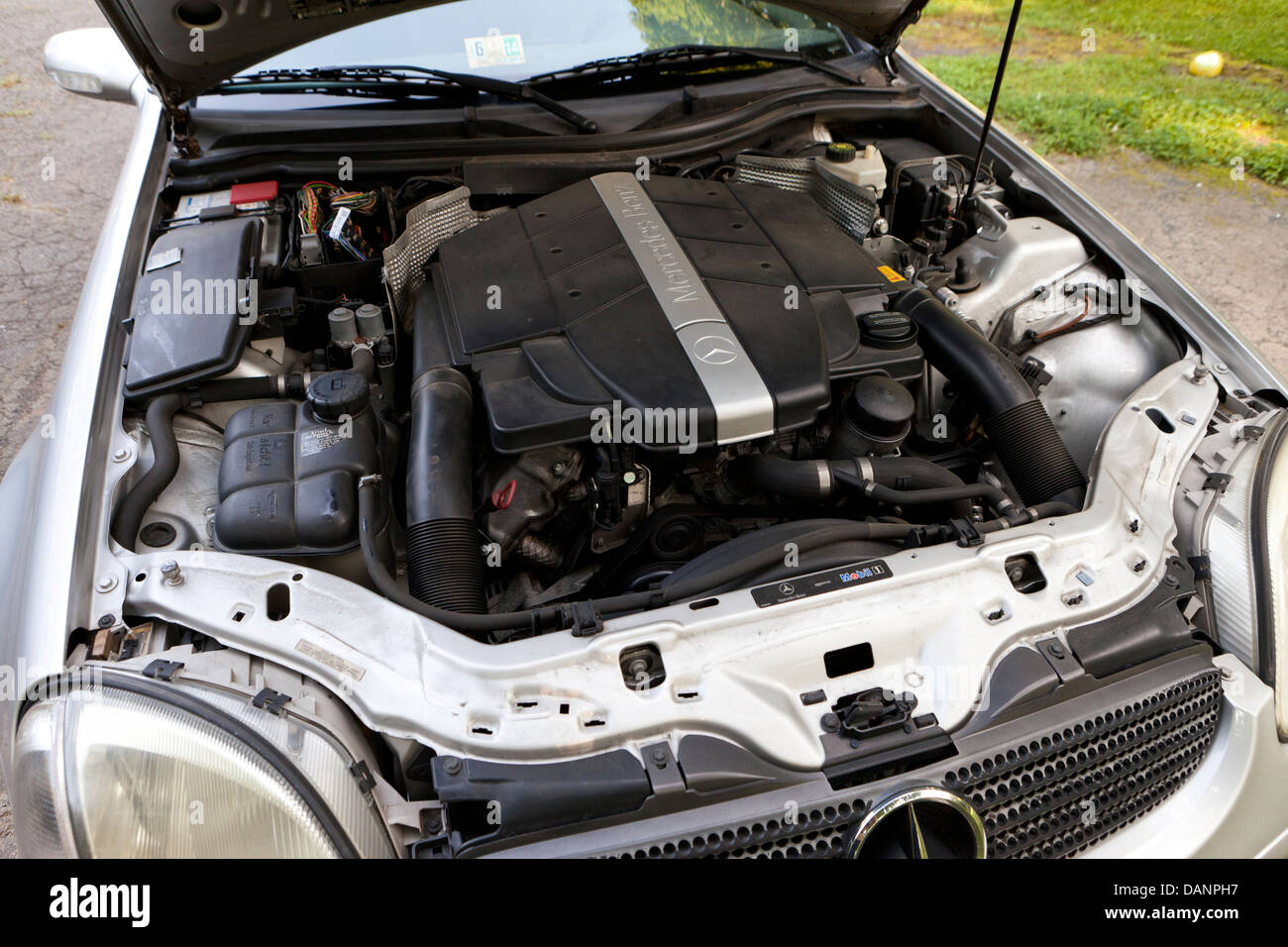
Many cars use a support rod. The rod is often clipped near the front or side of the engine bay. Remove it from its clip and place its end into the matching hole on the bonnet.
Some newer cars use gas struts. With this design, the bonnet rises and stays open on its own. Do not add a support rod unless the vehicle was designed to use one.
This four step method is the standard answer to how do you open a car bonnet. Take your time, keep your hands clear of moving parts, and never lean on the bonnet while it is open.
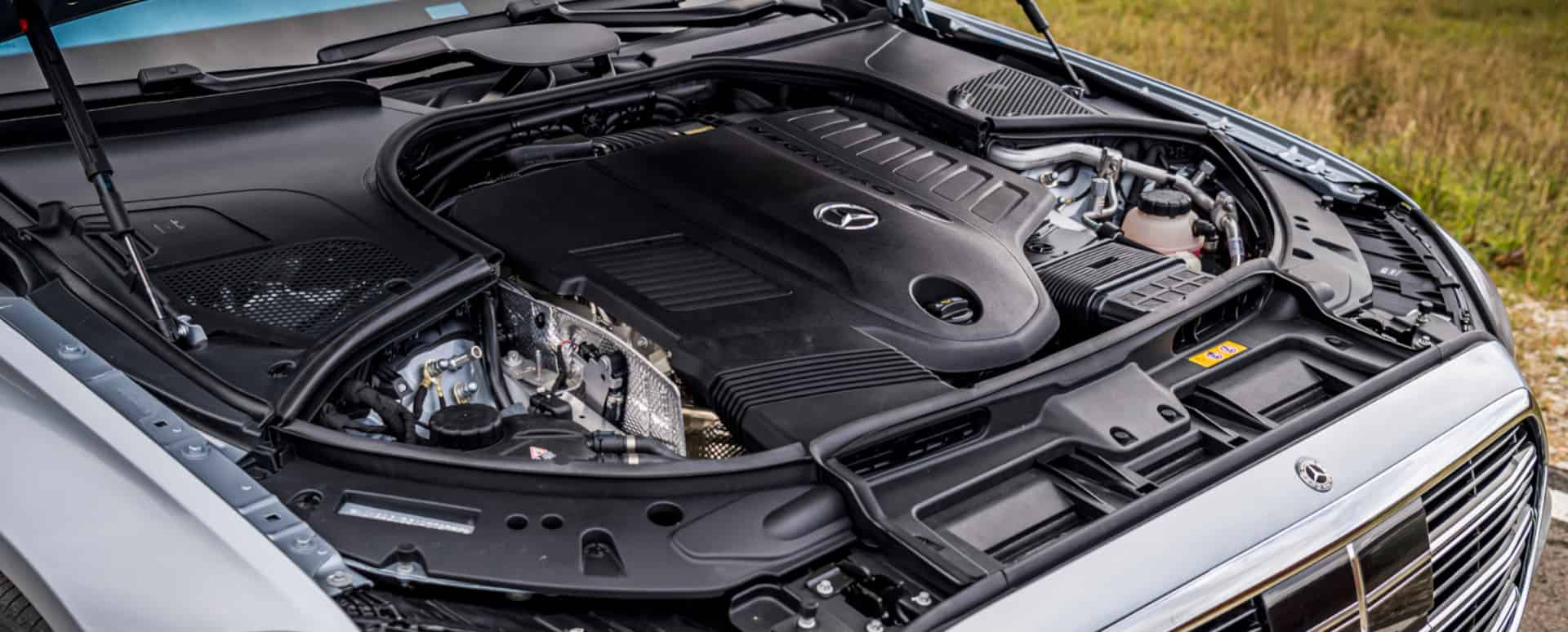
How to Find a Hidden Bonnet Release
Some release levers are easy to spot. Others are tucked behind a trim panel or low beside the driver’s seat.
Look for a picture of a car with its front panel raised. The symbol may be small, especially in older vehicles. Use a flashlight if the footwell is dark.
Common release locations include:
• Under the dashboard on the driver’s side
• Beside the driver’s seat
• Near the kick panel by the door
• Inside the glove box on some imported models
• Beneath a small removable dashboard cover
Do not confuse the bonnet release with the fuel door release or trunk release. The bonnet symbol usually shows a vehicle viewed from the side or front with a raised panel.
If you still cannot find the lever, search the index of the owner’s manual for “hood release,” “bonnet release,” or “engine compartment.” In the US, “hood release” will usually be the term used.
Learning how do you open a car bonnet is easier when you know that manufacturers may use different words for the same part.

How Do You Open a Car Bonnet Without Damage?
A stuck bonnet does not always mean a serious fault. Dirt, rust, cold weather, or a stretched release cable can make the latch hard to operate.
Start by pulling the interior release once. Then press down gently on the front of the bonnet while another person pulls the release. This can remove pressure from the latch.
Next, try lifting the bonnet while moving the safety latch. Use small, controlled movements. Do not pry the bonnet with a screwdriver, knife, or other metal tool. That can bend the panel, damage the paint, or break the latch.
If the cable feels loose, it may have come off the release mechanism. If the lever feels very hard, the latch may need cleaning and lubrication. Use a lubricant made for automotive latches, and follow the product directions.
In my experience helping drivers with basic car checks, the most common mistake is pulling harder instead of reducing pressure on the latch. A gentle push down on the bonnet often works better than force.
Stop and seek professional help if:
• The release lever breaks
• The bonnet is bent after a collision
• The latch will not move
• You smell fuel or burning material
• You see smoke
• The bonnet opens but will not stay up
These limits matter when learning how do you open a car bonnet. A damaged latch can let the bonnet open unexpectedly while driving.
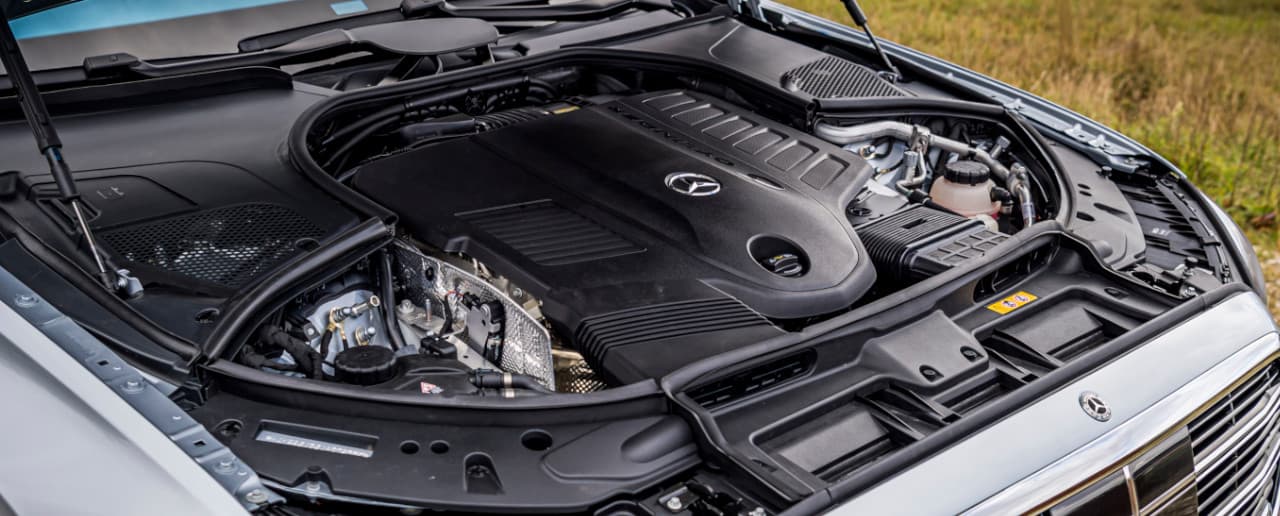
How Do You Open a Car Bonnet on Different Vehicles?
The release method can vary by vehicle type. The steps below cover common designs, but the owner’s manual remains the final guide.
Cars with a front engine
Most gasoline and diesel cars have an interior lever and a front safety latch. The bonnet then rests on a support rod or gas struts.
Electric cars
Electric vehicles may have a front storage area called a frunk. Some EVs also have a small service area under the front panel. Never touch high voltage cables or orange wiring.
If you only need access to windshield washer fluid, the car may have a separate filler point. Follow the vehicle manual closely.
Older cars
Older cars may have a release handle near the grille or inside the cabin. Their support rods can also be less secure due to rust or wear.
Test the support rod before placing your head or hands inside the engine bay. A weak rod can allow the bonnet to fall.
Luxury and performance cars
Some vehicles use electronic releases, multiple latches, or special bonnet supports. A low front design may also make the safety latch hard to reach.
If the car has been in a crash, do not force the bonnet. The latch and front structure may be misaligned.
The general answer to how do you open a car bonnet stays the same, but the location and mechanism can differ greatly.
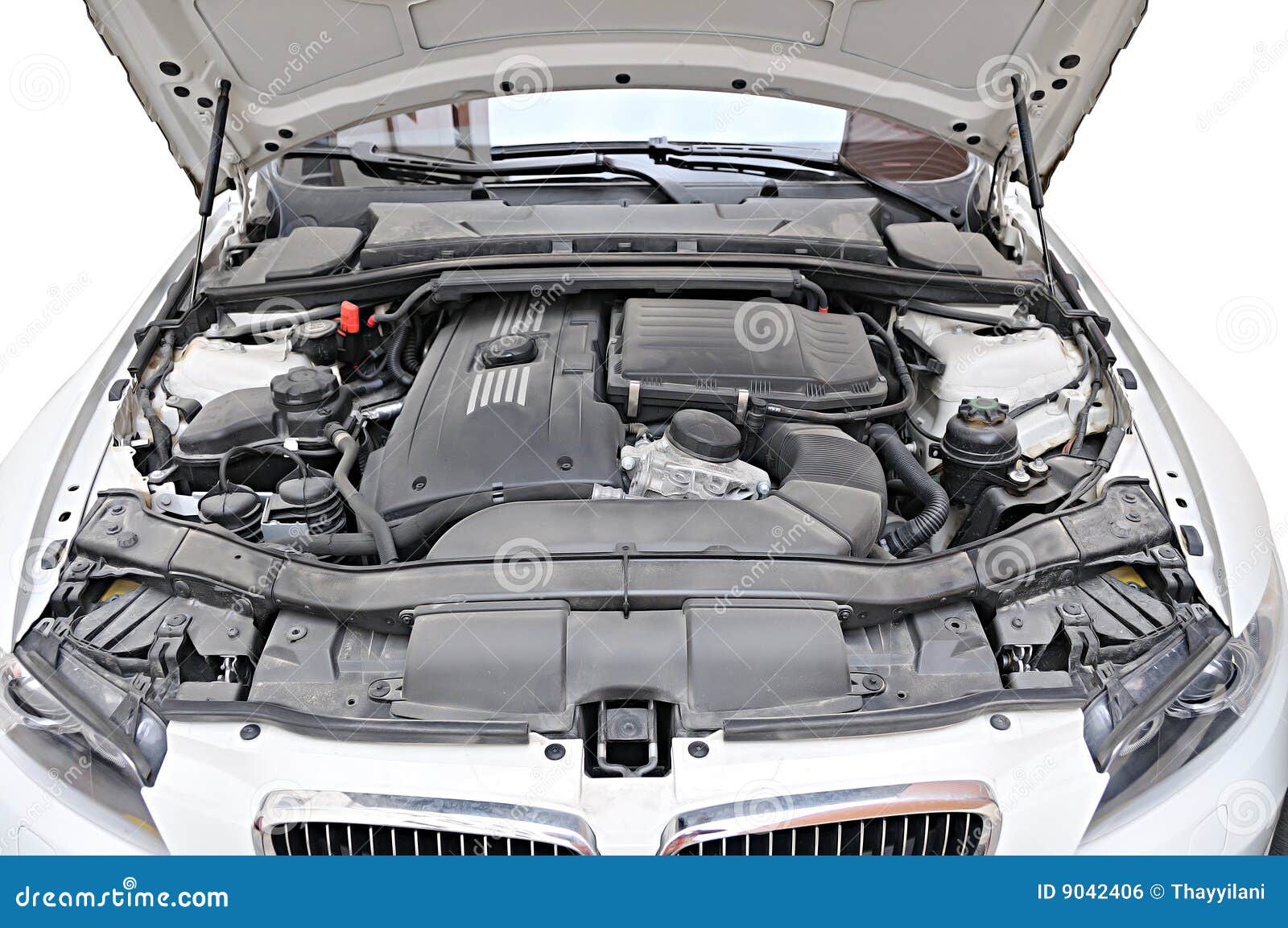
What to Check After Opening the Bonnet
Opening the bonnet is often the first step in a basic safety check. Never touch hot parts unless you know they have cooled.
You can make a quick visual inspection of:
• Engine oil level, if the vehicle uses a dipstick
• Coolant level in the marked reservoir
• Brake fluid level
• Windshield washer fluid
• Loose or damaged belts
• Leaking fluid
• Broken hoses
Check fluid levels on level ground. Some readings must be taken when the engine is cold, while others follow a specific procedure in the manual.
Never remove a radiator cap while the engine is hot. Pressurized coolant can spray out and cause severe burns. The same caution applies to any warning label in the engine bay.
If you see a red warning light, a large fluid leak, a damaged belt, or smoke, close the bonnet safely and contact a qualified technician. Knowing how do you open a car bonnet does not mean every engine repair is safe to do at home.
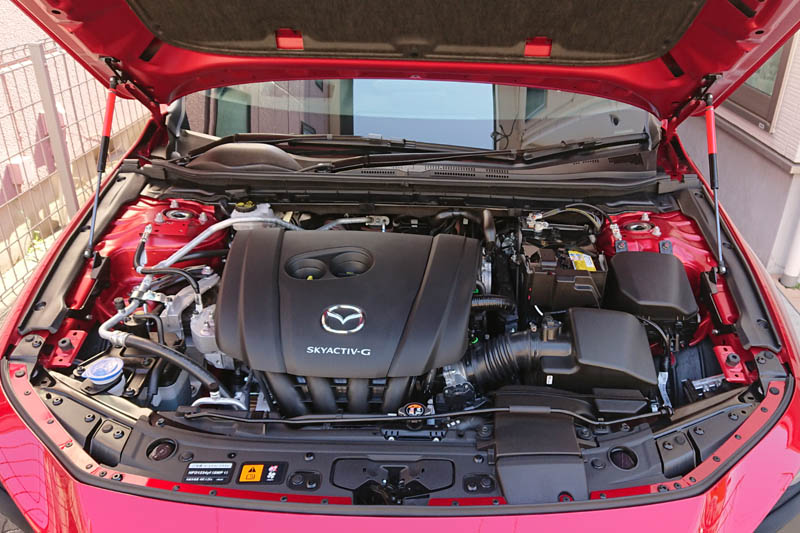
How to Close a Car Bonnet Safely
Before closing the bonnet, remove the support rod and return it to its clip. Check that no tools, rags, or loose parts remain in the engine bay.
Lower the bonnet until it is several inches above the latch. Then let it drop under its own weight. Do not slam it with your hands unless the manufacturer gives different instructions.
After closing it, lift the front edge gently to confirm that it is locked. If it rises, open it again and check the latch. Never drive with a bonnet that is not fully secured.
Some vehicles show a warning message if the bonnet is not closed. Treat the warning seriously. A bonnet that opens at speed can block your view and create a major crash risk.
When people ask how do you open a car bonnet, they often forget that closing it correctly is just as important.
Common Mistakes to Avoid
A few simple errors can cause injury or expensive damage. Avoid these habits when opening a bonnet.
• Pulling the release lever repeatedly with great force
• Reaching near belts or cooling fans
• Touching the radiator or exhaust while hot
• Using a sharp tool to pry the bonnet open
• Forgetting to remove the support rod before closing
• Driving before checking that the bonnet is latched
• Working near traffic without warning lights or a safe position
• Removing a radiator cap from a hot engine
One mistake I have seen often is placing a phone, rag, or tool on the edge of the engine bay. It can fall into a tight space and become difficult to remove. Put every item in a safe place before you begin.
A calm approach is usually best. The bonnet release is designed to work with normal hand pressure. If it does not, the problem may need repair rather than more force.

When to Call a Mechanic
You can usually open a bonnet without professional help. However, a broken release cable, damaged latch, or crash related problem requires care.
Call a mechanic or roadside assistance service if the bonnet will not open after basic checks. Explain what happened and whether the interior lever feels loose, stiff, or normal.
Do not crawl under the car to reach the latch unless you have proper equipment and training. The vehicle may move, and hot or sharp components may be nearby.
A professional can inspect the cable, latch, spring, hinges, and alignment. They can also replace worn parts and confirm that the bonnet closes securely.
The safest answer to how do you open a car bonnet is sometimes to stop and get help. Protecting yourself and the vehicle matters more than completing a quick inspection.
Frequently Asked Questions
How do you open a car bonnet from inside the car?
Find the bonnet release lever below the dashboard, usually on the driver’s side. Pull it until you hear the bonnet release, then go to the front and use the secondary safety latch.
Why will my car bonnet not open?
A dirty latch, stretched cable, rust, or pressure on the locking mechanism may prevent it from opening. Try pressing down gently on the bonnet while pulling the interior release, but do not force it.
Where is the bonnet release located?
It is commonly under the dashboard near the driver’s door or footwell. Check the owner’s manual if you cannot find a lever with a bonnet symbol.
Can I open the bonnet when the engine is hot?
Yes, but use caution and keep your hands away from hot parts. Never remove a radiator cap or coolant cap while the engine is hot because pressurized fluid can cause serious burns.
How do I know the bonnet is fully closed?
Lower it until it engages with the latch, then lift the front edge gently to test it. If it moves upward, it is not secure and should not be driven.
What should I do if the bonnet release cable breaks?
Do not pry the bonnet open with a sharp tool. Contact roadside assistance or a mechanic, who can access and repair the latch without causing unnecessary body damage.
Do electric cars have a bonnet?
Many electric cars have a front hood or bonnet that covers storage space, service parts, or both. Follow the vehicle manual and avoid orange high voltage cables.
Conclusion
Opening a car bonnet is usually a simple two latch process: pull the interior release, find the safety latch, and secure the bonnet with its support rod or gas struts. Work on level ground, wait for hot parts to cool, and never force a stuck mechanism.
Use the owner’s manual for your exact vehicle, and check that the bonnet is fully locked before driving. Practice these steps during daylight so you are prepared when you need to check a fluid or handle a roadside problem. Share this guide with another driver or explore your vehicle manual for more useful maintenance tips.