
Matching numbers matter less on new cars, but VIN accuracy and original documentation still matter greatly.
The question “do matching numbers on new cars matter anymore” comes from classic-car collecting, where an original engine, transmission, and body can add major value. Modern cars use a more complex identity system, so the answer depends on whether you care about daily use, resale value, motorsports, or future collectability. Understanding VINs, engine codes, build sheets, and service records will help you judge a new car with confidence.
What “matching numbers” means
Matching numbers means that a car’s major parts carry identification numbers that match the vehicle’s original factory records. These parts may include the engine, transmission, body, frame, and sometimes major components such as the rear axle.
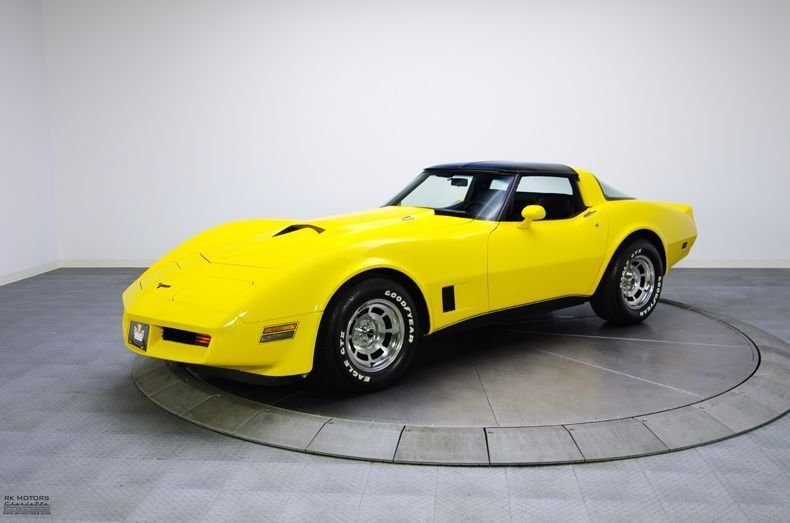
The phrase is most common in the classic-car market. A 1969 Chevrolet Camaro, for example, may be worth more if its original engine and transmission remain with the car. Collectors often compare casting dates, stamped engine codes, transmission tags, and factory build records.
When people ask, “do matching numbers on new cars matter anymore,” they are often applying an old collector rule to a modern vehicle. That rule does not transfer perfectly because today’s cars have different parts, tighter emissions rules, computer systems, and more frequent powertrain replacements.
Matching numbers also do not always mean that every part has the same number. Instead, they usually mean that the key parts can be linked to the vehicle’s original production record.

Do matching numbers on new cars matter anymore?
For most new-car buyers, matching numbers do not matter in the same way they matter on classic cars. A modern vehicle’s value usually depends more on its VIN history, mileage, condition, service records, accident history, warranty status, and equipment.
Still, matching numbers can matter in a few cases:
• Limited-production sports cars may become collectible.
• Factory-built race cars may gain value from original parts.
• High-performance models may attract buyers who want an untouched example.
• Certain electric vehicles may become historically important.
• A complete factory record can support a future collector claim.
So, do matching numbers on new cars matter anymore? Yes, but only in a narrow way. They are usually a bonus, not the main measure of a modern car’s quality or value.
A new car with a replaced engine is not automatically a bad car. If the replacement was installed by an authorized dealer, documented properly, and covered by warranty, it may be a safer purchase than a car with its original engine but poor maintenance.

Why matching numbers matter more on classic cars
Classic cars are often valued as historical objects, not just as transportation. Their age, limited production, racing history, and original design create a strong link between originality and price.
Collectors may pay more for a car that still has:
• Its original engine
• Its original transmission
• Its factory body panels
• Correct production-date components
• Original interior materials
• Factory documentation
A matching-numbers classic can tell a more complete story. It shows that the car has not been heavily altered or rebuilt with unrelated parts. In the collector world, that story can be worth thousands of dollars.
Modern cars are different because manufacturers build them for regular use. Engines, transmissions, batteries, control modules, and body panels may be replaced during the vehicle’s life. A well-documented repair does not always reduce the car’s usefulness or safety.
That is the key difference when asking, “do matching numbers on new cars matter anymore.” For a classic car, originality may be central to value. For a modern car, documented condition usually matters more.

How modern vehicle identification works
Modern vehicles use a 17-character vehicle identification number, or VIN. The VIN identifies the manufacturer, vehicle type, model, body style, engine family, model year, assembly plant, and production sequence.
The VIN appears in several places, including:
• The dashboard near the windshield
• The driver’s door jamb
• The vehicle title
• The registration record
• Insurance documents
• Factory service records
Federal rules require VIN labels and markings to help identify vehicles and reduce theft. Manufacturers also track engines, transmissions, batteries, and electronic modules through internal production records.
However, most modern cars do not have one simple “matching number” system for every major component. A dealer may be able to trace a part through a factory database, but that information may not appear on the part in a way that a private buyer can easily read.
This makes VIN consistency more important than traditional matching numbers. You should confirm that the VIN on the car matches the title, registration, insurance records, and vehicle history report.
What matters more than matching numbers on a new car?
If you are buying a new or nearly new car, focus on the vehicle’s complete history. Matching numbers alone will not tell you whether the car was damaged, neglected, or poorly repaired.
Pay close attention to these factors:
VIN accuracy
Check the VIN in at least three places. Compare the dashboard plate, door sticker, title, and dealer paperwork. Any mismatch deserves a clear explanation before you buy.
Service history
A complete service record shows how the car was maintained. Look for oil changes, recalls, software updates, battery work, brake service, and warranty repairs.
Accident and flood history
A vehicle can have original major parts and still suffer from serious damage. Ask for a vehicle history report, but do not treat it as perfect. Some accidents and repairs are never reported.
Factory warranty
A valid warranty can be more valuable than an original engine. Confirm the warranty start date, mileage limit, transfer rules, and coverage for replacement parts.
Repair quality
A replacement engine or transmission may be acceptable if the work was completed correctly. Ask for the repair order, part number, mileage, reason for replacement, and warranty details.
Vehicle specification
Check whether the car has the correct engine, transmission, battery size, performance package, and software configuration for its VIN. A wrong component may create future service problems.
Overall condition
Paint quality, tire wear, interior condition, warning lights, suspension noise, and panel alignment can reveal more about a modern car’s life than a matching part number.
When I review a used performance car, I treat documentation like a chain of evidence. One original part is helpful, but a clear paper trail is far more useful than a seller’s promise.

Does an original engine increase a modern car’s value?
An original engine can increase value, but the effect depends on the model and the buyer. Most ordinary sedans, crossovers, and pickup trucks do not receive a major price increase simply because the original engine remains installed.
The situation changes with special vehicles. An original engine may matter more for:
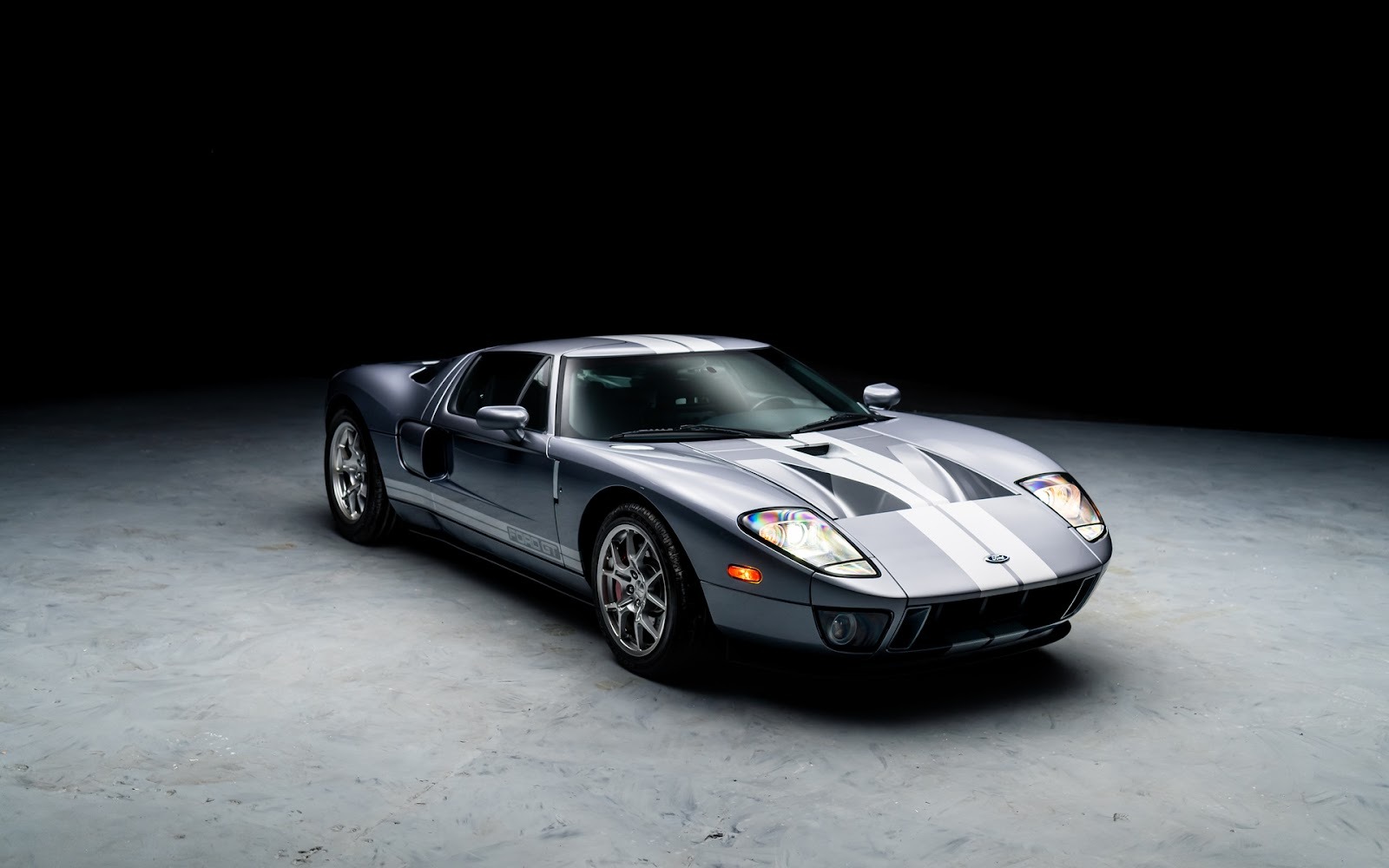
• Rare sports cars
• High-output muscle cars
• Limited-run luxury vehicles
• Factory performance editions
• Homologation cars
• Vehicles with racing history
• Early examples of important electric vehicles
Even then, buyers usually want proof. A claim that an engine is original is weak without factory records, dealer documents, build sheets, or credible inspection results.
A replaced engine may reduce collector value if the car is rare. Yet a documented factory replacement may be viewed positively if the original engine failed under warranty and the new unit is the correct specification.
The practical answer to “do matching numbers on new cars matter anymore” is simple: originality may support value, but proof, condition, rarity, and buyer demand decide how much it matters.
Do electric cars have matching numbers?
Electric vehicles make the topic more complicated. They do not use a traditional internal-combustion engine, but they still have major components that can be identified and tracked.
Important electric-vehicle components may include:
• Battery pack
• Electric drive motor
• Inverter
• Onboard charger
• Battery control module
• High-voltage wiring
• Vehicle control modules
A battery pack may have its own serial number. The drive unit may also carry a production code. However, replacing these components does not usually make an electric car undesirable. Battery technology changes quickly, and replacement may improve reliability or range.
For an electric car, battery health often matters more than whether the original pack is still installed. Ask for a battery health report, remaining warranty, charging history when available, and details of any high-voltage repair.
This is another reason the old matching-numbers idea has limits. A modern electric vehicle is more like a connected computer on wheels than a 1960s car with a single, easily identified engine.

How matching numbers affect resale value
Matching numbers affect resale value only when buyers care about originality. The effect is strongest when a model has a strong collector following and a limited supply of original examples.
For a normal modern car, resale value is more closely tied to:
• Depreciation
• Mileage
• Accident history
• Ownership history
• Maintenance records
• Trim level
• Fuel economy
• Reliability
• Remaining warranty
• Local demand
A replacement engine can lower resale value if buyers worry about hidden damage or poor workmanship. It may have little effect if the repair was performed by the manufacturer and supported by detailed records.
A vehicle history report may show an engine replacement, but reports vary in quality. Always inspect the repair documents and ask whether the replacement unit was new, remanufactured, or used.
Never pay a collector premium based only on a seller’s statement that a car has matching numbers. Have an independent specialist verify the claim.
How to check whether a modern car is original
You do not need to be a mechanic to perform a useful first check. Start with the documents, then inspect the car.
Use this process:
Read the VIN from the dashboard and door label.
Compare it with the title, registration, and insurance records.
Run a reputable vehicle history report.
Ask the dealer or seller for factory build information.
Review every repair order involving the engine, transmission, battery, or control modules.
Check whether the replacement part matches the original factory specification.
Look for signs of tampering, such as damaged labels, fresh paint around fasteners, or missing stickers.
Hire an independent inspector for an expensive or rare vehicle.
Ask a brand specialist to confirm the car’s trim, options, and production details.
Keep copies of every document after purchase.
One mistake I often see in enthusiast purchases is placing too much trust in a clean-looking engine bay. A fresh engine bay can hide recent repairs, while a dusty but well-documented car may be the better buy.

Common mistakes buyers should avoid
The biggest mistake is assuming that “original” always means “better.” Original parts can be worn, damaged, or poorly maintained. A correct replacement part may deliver better safety and reliability.
Other common mistakes include:
• Confusing a VIN with an engine serial number
• Assuming all parts should carry the same number
• Ignoring a replacement battery or motor
• Accepting a verbal originality claim
• Skipping an independent inspection
• Relying on one vehicle history report
• Paying a premium without checking production records
• Forgetting to verify warranty coverage
It is also easy to confuse factory-correct with matching numbers. A factory-correct part has the right design and specification for the vehicle. A matching part is tied to that specific vehicle’s original production history. Those terms are related, but they are not identical.
When should you care about matching numbers?
You should care more about matching numbers when buying a vehicle as an investment or collectible. You should care less when buying a car for commuting, family use, or basic transportation.
Matching numbers deserve extra attention if:
• The car is rare or historically important.
• The seller claims it is a collector-grade example.
• The car has a famous performance or racing history.
• The price is far above normal market value.
• The manufacturer produced a limited number of units.
• The vehicle is likely to enter a future collector market.
For a regular new car, your priority should be safe operation, fair pricing, warranty protection, and good records. A matching engine will not compensate for a poor purchase contract or an unsuitable vehicle.
Frequently Asked Questions About Matching Numbers on New Cars
Do matching numbers increase the value of a new car?
Usually, matching numbers do not add much value to a normal new car. They may matter more for rare, limited-production, or high-performance models with collector interest.
What does matching numbers mean on a car?
Matching numbers means that major components can be connected to the vehicle’s original factory records. On classic cars, this often refers to the original engine and transmission.
Is a replacement engine a red flag?
Not always. A replacement engine is acceptable when the repair was properly completed, the part is correct for the vehicle, and the work is supported by dealer or manufacturer records.
Do electric cars have matching numbers?
Electric cars have serial numbers for parts such as battery packs, drive motors, and inverters. However, battery health, warranty coverage, and repair quality usually matter more than whether those parts are original.
How can I verify matching numbers?
Start with the VIN, title, service records, and factory documents. For a rare or expensive vehicle, hire a marque expert or independent inspector to verify component numbers and production history.
Is a clean title more important than matching numbers?
For most modern cars, yes. A clean and accurate title, verified history, proper repairs, and strong maintenance records are usually more important than original component numbers.
Should I pay extra for a car with its original engine?
Only if the model has real collector demand and the originality is documented. For a regular modern vehicle, condition, warranty, mileage, and service history should guide the price.
Conclusion
So, do matching numbers on new cars matter anymore? They matter, but not as a universal rule. For most modern cars, VIN accuracy, maintenance records, accident history, warranty coverage, repair quality, and battery or powertrain health are more important.
Matching numbers become valuable when a vehicle is rare, collectible, historically important, or sold as an investment. Before paying extra, verify every claim with factory records and an independent inspection.
Treat originality as one piece of the puzzle, not the whole picture. Compare the documents, inspect the car, and make your decision based on evidence. If you are shopping for a modern performance or collector car, explore its production records and consult a qualified brand specialist before signing the deal.