

Yes, Mazda is a good car brand for drivers who value style, safety, comfort, and engaging handling.
If you are asking, “is Mazda a good car,” the honest answer depends on your needs, budget, and chosen model. Mazda builds cars that feel more refined and fun than many rivals, while offering strong safety scores, useful fuel economy, and above-average reliability in many owner surveys. However, some Mazda models have tight rear seats, firm rides, and higher repair costs than basic economy brands. This guide explains the strengths, weaknesses, costs, and best models so you can make a smart choice.
Is Mazda a good car brand?
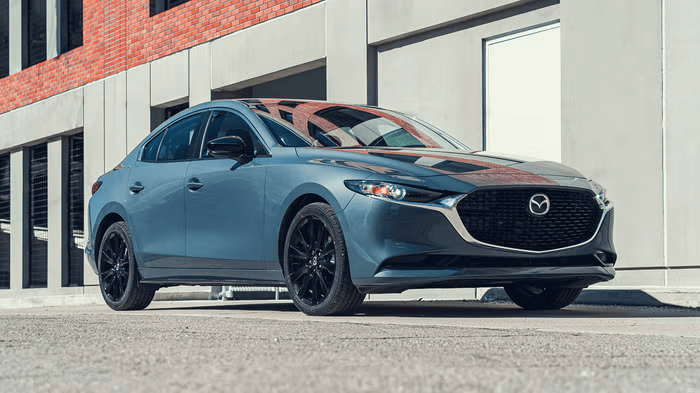
Yes, Mazda is generally a good car brand. It has a strong reputation for making vehicles that are stylish, dependable, and enjoyable to drive. Mazda also offers a wide range of models, from the compact Mazda3 to family SUVs such as the CX-5, CX-50, and CX-90.
Mazda takes a different path from many mainstream brands. It focuses on simple controls, high-quality cabins, and responsive steering. The result is a car that often feels more special than its price suggests.
In reliability surveys, Mazda has often ranked near the top or above the industry average. Still, reliability can change by model year, engine, and owner care. A well-maintained Mazda may run for many years, while a neglected one can become costly.
The best answer to “is Mazda a good car” is that Mazda is a strong choice for buyers who want more driving enjoyment without paying luxury-brand prices.
What makes Mazda vehicles good?
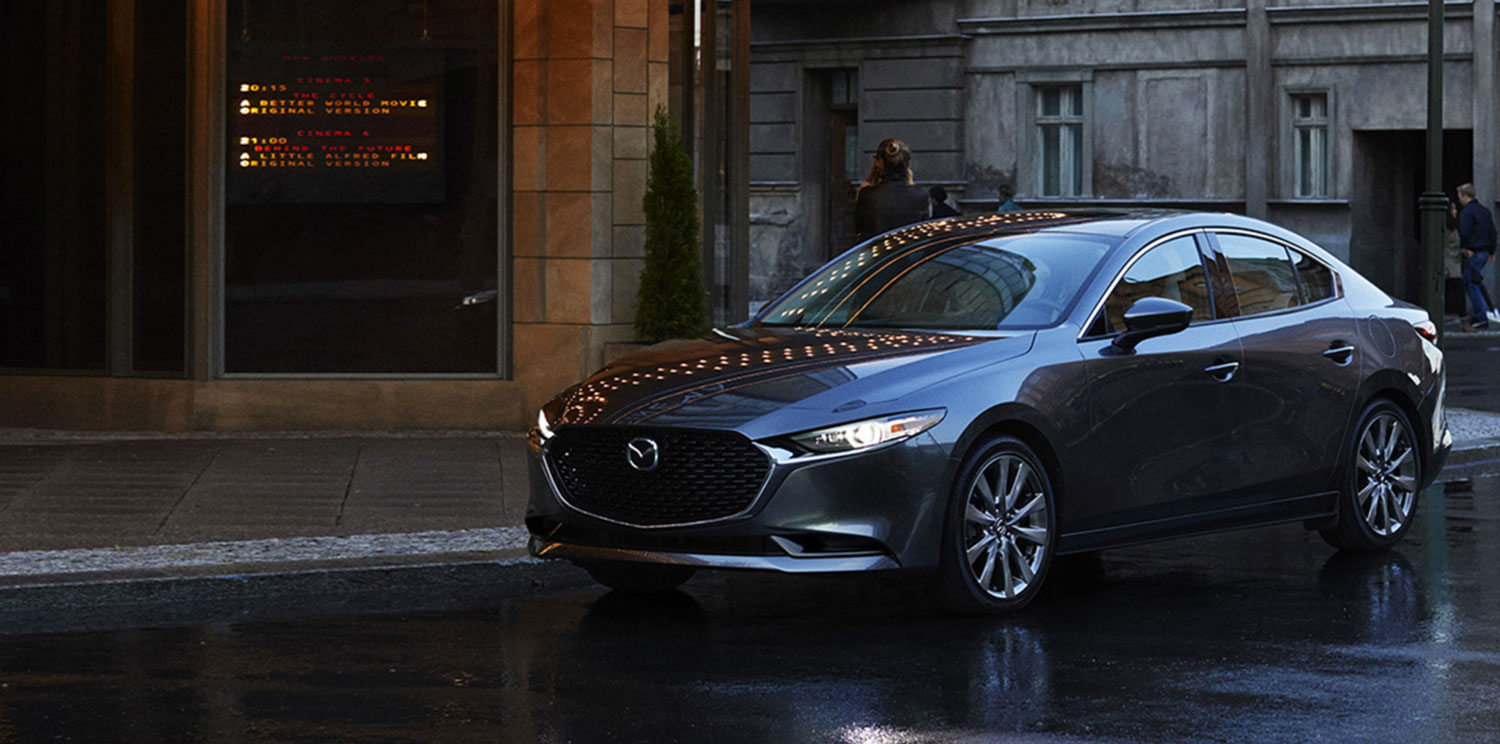
Mazda vehicles have several qualities that make them popular with drivers. These benefits apply to many current models, although equipment can vary by trim and model year.
Fun and precise driving
Mazda cars are known for sharp steering and controlled handling. The vehicle feels easy to place on the road, whether you are driving through town or taking a winding country road.
The Mazda3 is a good example. It feels stable at highway speeds and quick in corners. The CX-5 is also more athletic than many compact SUVs, yet it remains comfortable for daily use.
This does not mean every Mazda is a sports car. Instead, Mazda adds a sense of connection that many practical cars lack.
Attractive design
Mazda vehicles have a clean and mature look. Their long hoods, smooth body lines, and simple grilles help them stand out in a crowded parking lot.
The design also carries into the cabin. Many Mazda interiors use soft-touch materials, clear displays, and a calm layout. Higher trims may include leather, heated seats, a premium audio system, and real wood or metal accents.
This upscale feel is one reason people ask, “is Mazda a good car” when comparing it with Honda, Toyota, Hyundai, or Kia.
Strong safety features
Modern Mazda vehicles usually include important driver-assistance features. Depending on the model and trim, these may include:
• Automatic emergency braking
• Forward collision warning
• Blind-spot monitoring
• Rear cross-traffic alert
• Lane departure warning
• Adaptive cruise control
• Lane-keeping assistance
Crash test results vary by model and year, so check the exact vehicle before buying. Independent safety groups have given several Mazda models strong ratings, but no brand earns the same score across its entire lineup.
Good fuel economy
Mazda’s Skyactiv engines are designed to balance power and fuel use. Many Mazda models use naturally aspirated engines, which can offer smooth power and simpler operation than some turbocharged rivals.
Actual fuel economy depends on the model, engine, drivetrain, weather, traffic, and driving style. A front-wheel-drive Mazda3 will usually use less fuel than an all-wheel-drive CX-50 or a larger CX-90.
Quality interior design
Mazda cabins often feel more expensive than expected. Controls are usually easy to understand, and the dashboard avoids a cluttered appearance.
The infotainment system may use a center control dial rather than relying only on touch input. Some drivers like this design because it reduces the need to reach toward the screen while driving. Others prefer a traditional touchscreen.
Smooth long-distance driving
Many Mazda models are quiet and stable on the highway. The seats provide good support, and the suspension controls body movement well.
For a commuter or small family, a CX-5 can be a comfortable daily vehicle. For buyers who need three rows, the CX-90 offers more space and available all-wheel drive, but it may cost more to own than smaller Mazda SUVs.

Mazda reliability: How dependable are Mazda cars?
Mazda reliability is usually good, but it is not perfect. The brand has earned a favorable reputation because many of its engines and transmissions can last a long time with regular service.
Routine maintenance matters more than many shoppers realize. Oil changes, tire rotations, brake inspections, fluid checks, and prompt repairs can prevent small problems from becoming large ones.
Some Mazda models use turbocharged engines. These engines provide stronger acceleration, but they can place more stress on engine parts and may cost more to repair. They also require the correct oil and careful maintenance.
A used Mazda deserves a careful inspection. Before buying, review:
• The service records
• The vehicle history report
• Open safety recalls
• Signs of water damage or rust
• Tire wear and brake condition
• Transmission behavior
• Engine oil leaks
• Warning lights on the dashboard
• The results of a pre-purchase inspection
A mechanic can find problems that are easy to miss during a short test drive. This is especially important for older vehicles, high-mileage models, and cars sold by private owners.
Common Mazda issues to watch for
No car brand is free from problems. Mazda issues can differ by model and year, so avoid treating online complaints as proof that every vehicle has the same fault.
Some owners report concerns such as:
• Infotainment glitches
• Noisy brakes
• Paint that chips easily
• Carbon buildup on some direct-injection engines
• Oil leaks on certain older engines
• Transmission or turbocharger concerns when maintenance is ignored
Some model years may also have recalls or technical service updates. A recall does not automatically mean a car is bad. It means the manufacturer has identified a potential safety or performance issue and may offer a repair.
The most reliable buying method is simple: check the vehicle identification number, confirm completed recall work, and have the car inspected before signing.
Mazda maintenance and ownership costs
Mazda maintenance costs are usually reasonable for a mainstream brand. They are often close to Honda and Toyota costs, though prices vary by region and service center.
A basic Mazda service may include an oil change, inspection, and tire rotation. Larger services can add air filters, brake fluid, spark plugs, transmission fluid, or coolant.
Your ownership cost will depend on:
• Model and engine type
• Front-wheel drive or all-wheel drive
• Turbocharged or non-turbocharged engine
• Annual mileage
• Local labor rates
• Tire size
• Insurance costs
• Repair history
Mazda SUVs with larger wheels can cost more to maintain because replacement tires are more expensive. Turbo models may also have higher repair costs if major engine parts fail outside the warranty period.
New Mazda vehicles in the United States typically include a limited basic warranty and a longer powertrain warranty. Warranty terms can change, so confirm the exact coverage before purchase. Certified pre-owned vehicles may include extra warranty protection and roadside assistance.
One lesson worth remembering is that the cheapest Mazda is not always the cheapest to own. A low-priced used car with poor records can cost more than a slightly newer model with complete service history.
Best Mazda models to consider
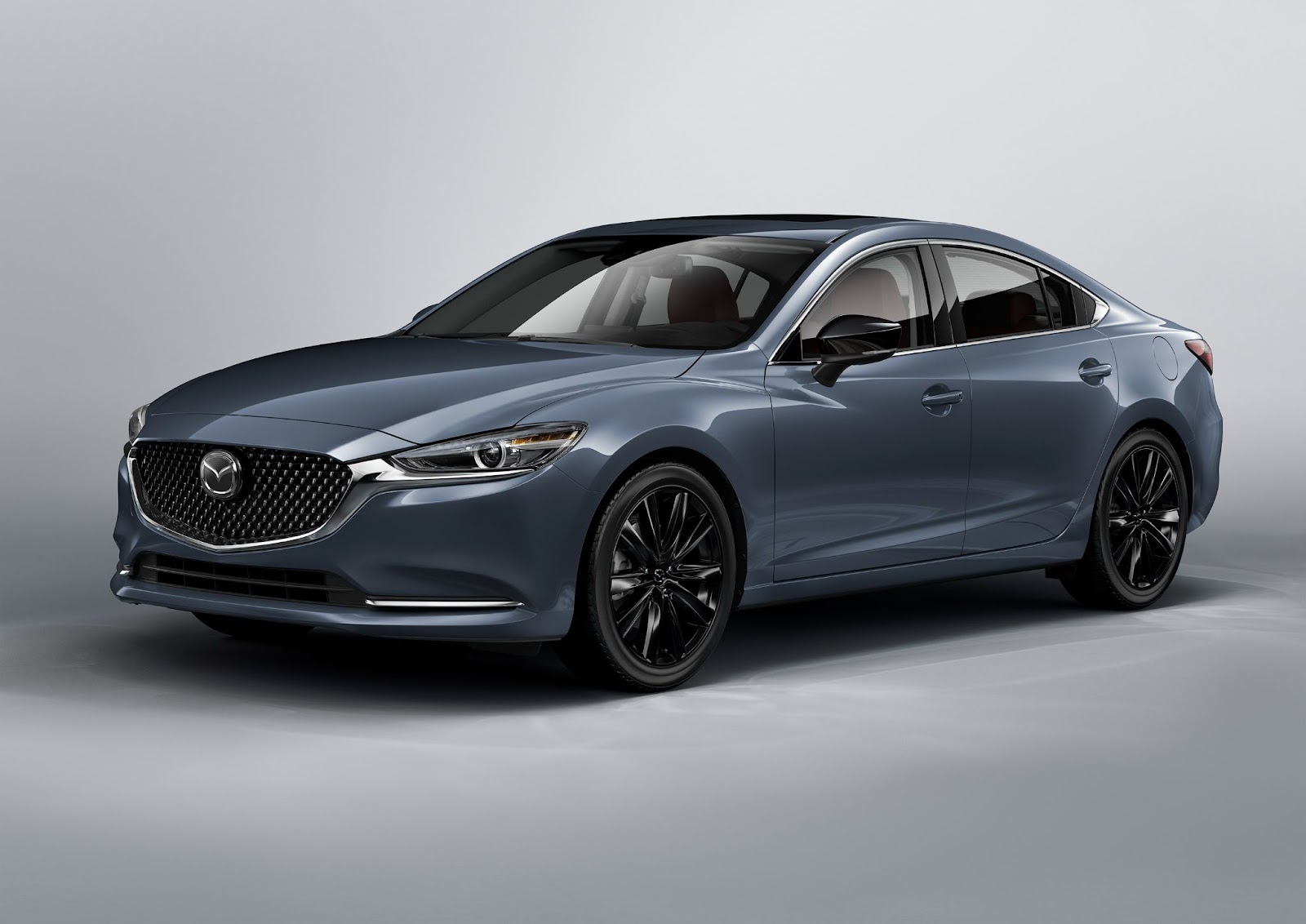
The best Mazda depends on your lifestyle. Each model has a different purpose, price, and level of practicality.
Mazda3
The Mazda3 is a compact sedan or hatchback. It offers attractive styling, a polished cabin, and enjoyable handling.
It works well for:
• Commuters
• Small households
• First-time buyers
• Drivers who want good fuel economy
• People who prefer a smaller car
The back seat is not the roomiest in the class. The hatchback adds cargo flexibility but may have less rear visibility and a higher price.
Mazda CX-30
The CX-30 is a small crossover based on the Mazda3 platform. It sits higher than a sedan and offers easier entry.
It is a good fit for city drivers who want:
• A small footprint
• Available all-wheel drive
• A higher seating position
• Good interior quality
• Easy parking
Its rear seat and cargo area are modest. Families with large child seats may want to test the space before buying.
Mazda CX-5
The CX-5 is one of Mazda’s strongest all-around models. It has a comfortable cabin, good driving manners, and a useful amount of cargo space.
It is well suited to:
• Couples
• Small families
• Daily commuters
• Road trips
• Buyers who value comfort and handling
The CX-5 may not offer the largest cargo area in its class. Some rivals also provide more rear-seat room and more advanced towing options.
Mazda CX-50
The CX-50 has a wider, more rugged design than the CX-5. It offers available all-wheel drive and a cabin aimed at outdoor-focused buyers.
It may suit people who enjoy camping, biking, or light trail travel. However, it is not a replacement for a serious off-road SUV. Ground clearance, tires, and drivetrain limits still matter.
Mazda CX-90
The CX-90 is a larger SUV with three-row seating. It offers more power and space than Mazda’s smaller SUVs.
The CX-90 can be a good choice for families who need:
• Three rows
• More towing ability
• A larger cabin
• Available plug-in hybrid power
• A premium driving feel
Because the CX-90 is more complex, buyers should review reliability information for the exact model year. A longer test drive is also important because third-row space and cargo room may not meet every family’s needs.

Mazda compared with Toyota, Honda, and Subaru
Mazda competes closely with Toyota, Honda, Subaru, Hyundai, and Kia. Each brand has different strengths.
Toyota often has a strong reputation for long-term reliability and excellent hybrid options. Honda usually offers roomy cabins, useful storage, and efficient engines.
Subaru is popular with buyers who want standard all-wheel drive and a practical outdoor image. Hyundai and Kia often provide generous features and strong warranties.
Mazda stands out through its:
• Refined styling
• Driver-focused handling
• Upscale interior design
• Simple cabin controls
• Balanced ride and road feel
The trade-off is that Mazda may not lead every category. Some competitors offer more rear-seat space, larger cargo areas, stronger hybrid choices, or lower starting prices.
When asking “is Mazda a good car,” compare the whole vehicle rather than only the badge. A Mazda3 may be better for one buyer, while a Toyota hybrid or Honda SUV may be better for another.
Is Mazda good for families?
Mazda can be a good family car, especially in CX-5, CX-50, and CX-90 form. These SUVs offer useful safety features, comfortable seats, and a calm ride.
Still, family buyers should check practical details. Bring the child seats you use and test them in the second row. Then place a stroller, bags, or sports equipment in the cargo area.
A Mazda may not be ideal if you need maximum space. Some competing SUVs have wider rear seats, more third-row room, or larger cargo openings.
For many small families, the CX-5 is a sensible middle ground. It is easy to drive, easy to park, and comfortable enough for road trips.
Is Mazda good for snow and winter driving?
Mazda vehicles can perform well in winter when equipped with all-wheel drive and proper winter tires. However, all-wheel drive does not replace good tires or careful driving.
Winter tires improve grip on snow, ice, and cold pavement. They can matter more than the difference between front-wheel drive and all-wheel drive during braking.
For winter driving:
• Install quality winter tires when needed
• Check tread depth and tire pressure
• Keep the windshield washer tank full
• Carry a charged phone and emergency kit
• Drive slowly on ice
• Leave more room for braking
Mazda’s all-wheel-drive system can help the vehicle start moving and maintain traction. It cannot defeat physics, especially on polished ice or during sudden stops.
Is buying a used Mazda a smart choice?
A used Mazda can be a smart purchase if you choose the right model year and verify its condition. Depreciation may make a lightly used Mazda more affordable than a new one.
The safest process includes these steps:
Set a total budget, including tax, registration, insurance, and repairs.
Research the exact model year.
Check the vehicle history.
Confirm recalls and maintenance records.
Test-drive the vehicle on city streets and highways.
Pay for an independent inspection.
Compare insurance quotes before buying.
Keep money aside for tires, brakes, and routine service.
Avoid buying based only on a clean appearance. A polished car can still have worn suspension parts, hidden accident damage, or poor maintenance.
From a practical buyer’s viewpoint, service history is often more valuable than a very low asking price. A car that received regular oil changes and careful repairs has a better starting point.
Who should buy a Mazda?
Mazda is a strong match for drivers who want a practical vehicle with personality. It suits people who care about how a car feels, not just how much cargo it holds.
Consider a Mazda if you want:
• An attractive exterior
• A refined interior
• Responsive handling
• Strong safety equipment
• A comfortable daily driver
• A mainstream price with an upscale feel
Mazda may not be the best match if your top priorities are maximum cabin space, the lowest possible price, or a large selection of hybrid powertrains.
You should also think about your driving habits. A small Mazda3 may be perfect for city use but frustrating for a growing family. A CX-90 may offer needed space but cost more to fuel and maintain.
Who should avoid a Mazda?
Mazda is not ideal for every shopper. Knowing the limits can help you avoid buyer’s remorse.
You may want another brand if you need:
• A very large third row
• Maximum cargo capacity
• Serious off-road ability
• The lowest repair costs possible
• A broad range of hybrid models
• Very soft suspension tuning
Mazda’s handling-focused setup can feel firm to drivers who prefer a soft ride. Some seats and rear cabins may also feel tight for tall passengers.
The key is to test the exact model. Brand reputation matters, but your body, family, commute, and roads matter more.
Frequently Asked Questions
Is Mazda a good car for long-term ownership?
Yes, many Mazda vehicles can provide dependable long-term service when maintained correctly. Check the exact model year, follow the service schedule, and repair warning signs early.
Is Mazda more reliable than Toyota?
Toyota has a very strong reliability reputation, and it may lead in some model comparisons. Mazda is also often rated well, but reliability depends on the specific model, engine, year, and maintenance history.
Are Mazda cars expensive to repair?
Mazda repair costs are usually moderate for a mainstream brand. Turbo engines, all-wheel drive, larger wheels, and dealership labor can raise costs, especially after the warranty ends.
Does Mazda hold its value?
Many Mazda models retain reasonable resale value, especially popular SUVs such as the CX-5. Resale value depends on mileage, condition, accident history, location, trim, and market demand.
Is Mazda a good car for a first-time buyer?
A Mazda3 or CX-30 can be a good first car because both are easy to drive, comfortable, and available with useful safety features. Buyers should still compare insurance costs and choose a model with a complete service history.
Are Mazda vehicles safe?
Many Mazda vehicles earn strong crash-test results and include modern driver-assistance systems. Safety scores and standard features differ by model year and trim, so verify the exact vehicle before purchase.
Should I buy a Mazda with a turbo engine?
A turbocharged Mazda can be a good choice if you want stronger acceleration. It may require more careful maintenance and could cost more to repair, so it is important to review service records and warranty coverage.
Conclusion
So, is Mazda a good car? For many drivers, yes. Mazda offers attractive vehicles, engaging handling, comfortable cabins, useful safety features, and generally solid reliability.
The brand is not perfect. Some models have limited rear space, firm rides, or higher costs with turbo and all-wheel-drive equipment. The smartest choice is to compare the exact model year, inspect a used vehicle, review warranty details, and take a long test drive.
If you value style and driving enjoyment but still need everyday practicality, Mazda deserves a place on your shortlist. Explore owner reviews, compare local prices, and share your Mazda experience in the comments before making your final decision.