

Having sex in a car is not always illegal, but public exposure, location, and consent can change the answer.
The answer to “is it illegal to have sex in a car” depends on state law, the place where the car is parked, what others can see, and whether everyone involved is a consenting adult. A private driveway may create fewer legal risks than a public street, beach, parking lot, or trailhead. This guide explains the main laws, common charges, real-world risks, and safer choices so you can make an informed decision.
Is it illegal to have sex in a car?
There is no single rule across the United States. Some states treat sexual activity in public as a crime. Others focus on indecent exposure, lewd conduct, disorderly conduct, or behavior that could offend or alarm another person.
The key issue is often not the car itself. The key issue is whether the activity occurs in a place open to the public or where another person could reasonably see it.
Sex in a car may be illegal when:
• The car is parked on a public road, public lot, or other public property.
• People outside the vehicle can see sexual activity or exposed body parts.
• The conduct is likely to alarm, annoy, or offend another person.
• A child could observe the conduct.
• The vehicle is on private land but visible from a public place, depending on local law.
• One person does not freely agree to the activity.
So, is it illegal to have sex in a car on private property? It may be less likely to lead to a public-sex charge, but private property does not guarantee safety from prosecution. Local laws may still apply if the conduct is visible from outside the property or involves trespassing, harassment, or another offense.

What laws may apply?
Different states use different legal terms. The exact charge can depend on the facts, the location, and the person who reports the incident.
Public indecency
Public indecency laws often prohibit sexual acts, nudity, or other behavior in a public place. In many states, the prosecution may need to show that the person knew, or should have known, that others could see the conduct.
A public parking lot can qualify as a public place even when the car doors are closed. A vehicle is not always treated as a private room simply because it has a roof and windows.
Indecent exposure
Indecent exposure laws generally involve exposing intimate body parts in a way that is sexual, intentional, or likely to offend or alarm. Some states require proof that another person actually saw the exposure. Other laws focus on the risk that someone could see it.
The facts matter. A person briefly changing clothes in a car is different from deliberate sexual activity in front of a visible window.
Lewd conduct
Some jurisdictions use terms such as lewd conduct or lewd behavior. These laws can cover sexual acts in public or in a place where the conduct is visible to others.
The word “lewd” can be broad. It may include sexual touching, intercourse, oral sex, or other conduct, depending on the statute and court decisions in that area.
Disorderly conduct
In some cases, police may consider a disorderly conduct charge. This may apply when behavior creates a public disturbance, causes alarm, or interferes with the use of a public space.
This charge may be considered even when prosecutors cannot prove a more specific sex-related offense.
Trespassing
A person may face trespassing concerns if the car is on private property without permission. Examples include an apartment lot, closed business lot, school property, or a private park after hours.
Consent between the people in the car does not give them permission to use someone else’s land.
Child-related offenses
If a child sees sexual activity, the legal consequences can become much more serious. Some states have separate offenses involving lewd conduct in the presence of a minor or exposure to a minor.
Never assume that tinted windows, darkness, or a short distance from a playground makes the situation safe.
Does location determine whether sex in a car is illegal?
Location is one of the most important factors when asking, “is it illegal to have sex in a car?” A car parked in a private garage is very different from a car parked beside a public playground.
Public streets and parking lots
Public streets, city lots, shopping center lots, and rest areas can create a strong risk of public-sex or exposure charges. Even a nearly empty lot may still be treated as public.
A security guard, delivery driver, police officer, customer, or passerby could arrive at any time. The fact that no one was present when the activity began may not protect you.
Parks, beaches, and trailheads
Parks and beaches often have extra rules. Some are open to the public during the day but closed at night. Others prohibit sexual activity, nudity, or conduct that disturbs visitors.
Federal land, state land, and city land may also have different rules. A federal recreation area can involve federal regulations as well as state criminal law.
Private driveways and garages
A private driveway or closed garage usually offers more privacy. Still, it is wise to consider whether neighbors, children, workers, or people on the sidewalk can see inside the vehicle.
A private location may reduce the chance of a public-indecency charge, but it does not erase other legal concerns. Consent, age, trespass, recording, and harassment laws still matter.
Hotel and apartment parking areas
Hotel and apartment lots can be confusing. They may be privately owned but open to guests, residents, workers, and visitors. Police may still treat them as public or semi-public spaces under the relevant statute.
A private lot is not automatically a private place for criminal-law purposes.
What factors do police and prosecutors consider?
When deciding whether to make an arrest or file charges, authorities may examine the full setting rather than one detail.
Important factors may include:
• Whether the vehicle was on public or private property.
• Whether the windows were clear, tinted, open, or covered.
• Whether anyone actually saw the conduct.
• Whether the activity could be seen from a road, sidewalk, home, or business.
• Whether the conduct was intentional.
• Whether a child was nearby or witnessed it.
• Whether a complaint was made.
• Whether the people involved were adults who consented.
• Whether the location had posted rules or restricted access.
• Whether there were other offenses, such as trespassing or alcohol-related violations.
Visibility is often central. However, covering the windows does not make a public location legally safe. It can also appear that the people inside knew the activity was inappropriate for the location.
What are the possible penalties?
Penalties vary widely by state and by the charge. A first offense may be a misdemeanor, but some cases can carry serious consequences.
Possible outcomes include:
• Arrest or a summons to appear in court.
• Fines and court costs.
• Probation.
• Community service.
• Required counseling or education.
• A criminal record.
• Restrictions on contact with a child witness.
• Sex-offender registration in limited and serious cases.
Sex-offender registration is not automatic for every public-sex allegation. It depends on the specific offense, the state, the person’s criminal history, and the court’s order. Because registration can affect housing, work, travel, and reputation, anyone facing charges should speak with a licensed criminal-defense lawyer quickly.
A police officer’s decision to issue a ticket or make an arrest is not the same as a finding of guilt. The prosecution still must prove the required legal elements.

Is it illegal to have sex in a car if no one sees?
Not necessarily, but “no one saw” is not a complete legal defense in every state. Some laws focus on whether the conduct occurred in a public place or whether someone could reasonably have observed it.
For example, a person may think a dark parking lot is private. A nearby security camera, open window, passing pedestrian, or police patrol may tell a different story.
The safest rule is simple: if a stranger could see, hear, or reasonably come across the conduct, assume there is legal risk. Privacy is not measured only by whether someone happened to look at the exact moment.

Is it illegal to have sex in a car on private property?
Private property usually lowers the risk of a public-sex charge, but the answer still depends on state law and the facts. A locked garage with no public view is generally more private than a driveway beside a busy sidewalk.
Consider these questions:
• Do you have permission to be on the property?
• Can neighbors or passersby see inside the car?
• Is the property open to customers, guests, or the public?
• Are children, workers, or residents nearby?
• Does the property owner prohibit this conduct?
• Are all participants consenting adults?
Even in a private setting, recording or sharing intimate activity without permission may violate privacy or revenge-porn laws. Consent to sex is not consent to recording.
What should you do if police approach the car?
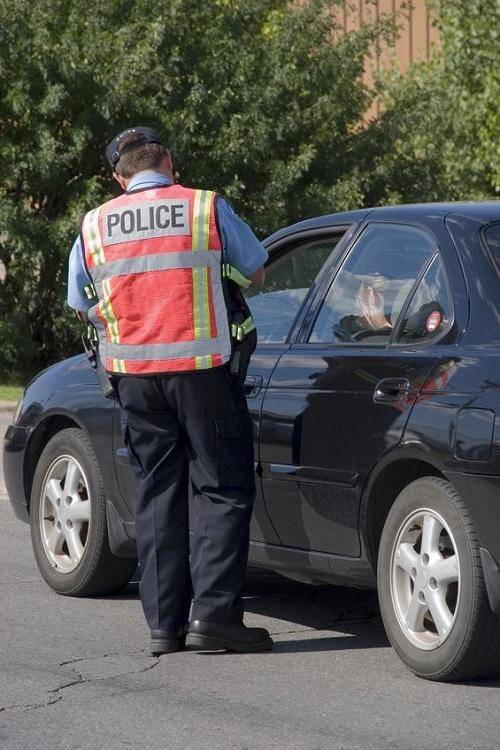
Stay calm and avoid sudden movements. Do not argue, make threats, or try to drive away unless you are lawfully free to do so and can do it safely.
You can politely ask:
• “Am I being detained?”
• “Am I free to leave?”
• “What is the reason for the stop?”
You generally have the right to remain silent, apart from providing identification when legally required. Do not consent to a search simply because you feel pressured. You can say, “I do not consent to a search,” while remaining calm and respectful.
If you are arrested or issued a citation, do not explain the entire situation on the roadside. Contact a criminal-defense lawyer in the relevant state before making detailed statements.
Common mistakes to avoid
Many legal problems begin with a poor choice of location rather than an intent to break the law.
Avoid these mistakes:
• Using a public parking lot because it looks empty.
• Parking near a school, playground, park, or family event.
• Assuming tinted windows block all views.
• Leaving doors open or windows down.
• Ignoring posted closing times.
• Having sex in a vehicle that is not yours or is on land you do not have permission to use.
• Recording the encounter without clear permission.
• Continuing after a partner says stop.
• Using alcohol or drugs in a way that affects consent or driving ability.
• Believing that a complaint cannot be made because nobody confronted you.
A practical lesson is to treat public privacy like a thin curtain. It may seem to hide everything, but light, movement, sound, and timing can expose far more than expected.
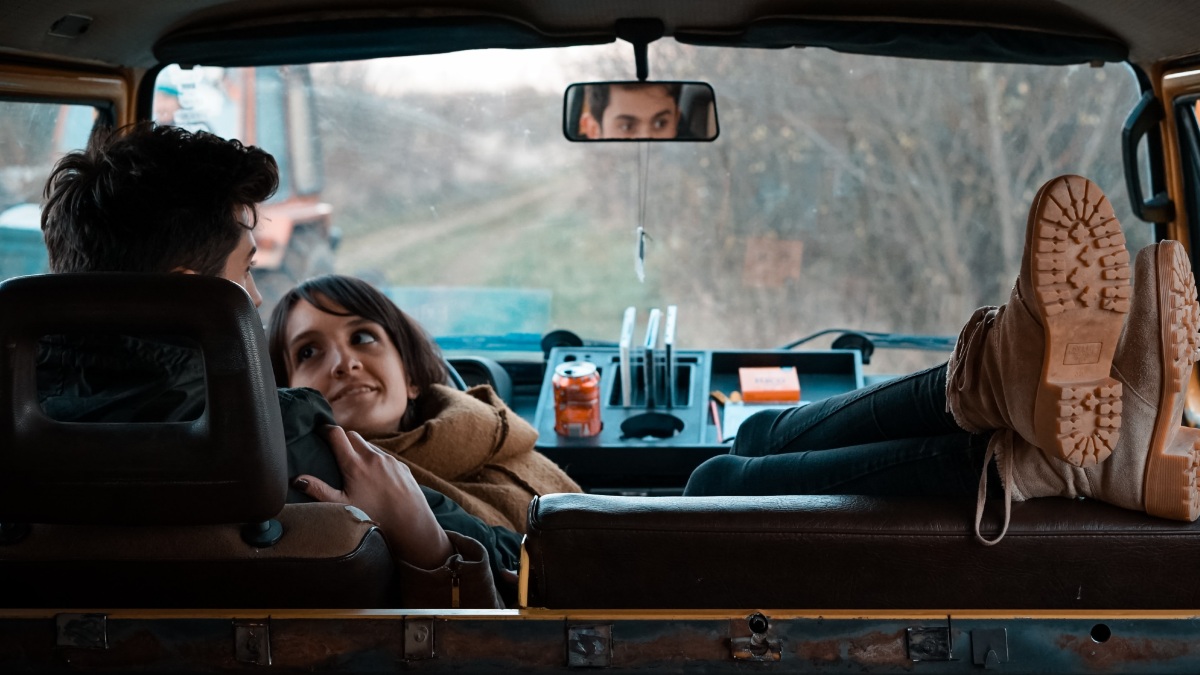
Safer and legal alternatives
The simplest way to reduce legal risk is to choose a lawful private setting. A rented room, private residence, or secure garage may offer more privacy than a public place.
Before deciding, check:
Whether the location is private and lawfully available to you.
Whether everyone is a consenting adult.
Whether the conduct can be seen or heard by others.
Whether the property owner allows the activity.
Whether anyone has been drinking or using drugs.
Whether you can leave safely without impaired driving.
If you are traveling, a legitimate hotel room is usually a better option than a roadside stop. Follow the hotel’s guest rules and avoid recording anyone without clear, informed consent.
State laws and legal advice
Because criminal law differs by state, online general information cannot answer every version of “is it illegal to have sex in a car.” Some states use broad public-indecency laws. Others have detailed rules about exposure, public places, minors, and intent.
Check the current statute for the state and city involved. Municipal ordinances may add restrictions, especially in parks, transit areas, beaches, and public lots.
If police contacted you, you received a citation, or someone claims you exposed yourself, speak with a local attorney. A lawyer can review the exact location, visibility, witness statements, video evidence, and applicable statute.
This article provides general legal information, not legal advice for a specific case. Laws can change, and small facts can produce very different results.
Frequently Asked Questions About Sex in a Car
Is it illegal to have sex in a car in the United States?
It can be illegal when the car is in a public place or when other people can see the sexual activity. The exact offense and penalty depend on state and local law.
Is it illegal to have sex in a car parked in a public parking lot?
Often, there is a meaningful risk of public-indecency, lewd-conduct, or exposure charges. An empty lot is still usually treated as a public or accessible place.
Can I be arrested if nobody sees me having sex in a car?
Possibly. Some laws focus on public location or the reasonable possibility of observation, while others require proof that someone saw or was likely to see the conduct.
Is it legal to have sex in a car on private property?
Private property may provide more privacy, especially inside a closed garage, but it is not an automatic defense. Visibility, permission to use the property, consent, and local law still matter.
Can tinted windows prevent criminal charges?
No. Tinted windows may reduce visibility, but they do not guarantee privacy or make public sexual activity lawful. Police or witnesses may still observe the conduct through windows, doors, cameras, or other angles.
What happens if a child sees sex in a car?
The case may become much more serious. Depending on the state, exposure or sexual conduct in front of a minor can lead to enhanced charges and severe penalties.
Can someone record sex in a car without permission?
Recording intimate activity without consent may violate privacy or criminal laws. Sharing or posting the recording can create additional offenses and civil liability.
Conclusion
So, is it illegal to have sex in a car? Sometimes. The greatest risks usually involve public locations, visible conduct, lack of permission, minors, and nonconsensual recording or activity.
A vehicle is not automatically a private space under U.S. law. Choose a lawful private setting, confirm clear consent, avoid impaired driving, and check the rules in your state. If an incident has already led to police contact, speak with a local defense lawyer before giving detailed statements. For more practical legal guides, explore trusted state-law resources and share your questions in the comments.