

To add coolant to a car, let the engine cool, check the reservoir, and fill it with the correct coolant.
Learning how to add coolant to car is simple, but safety and the right coolant matter. A cooling system protects the engine from heat, freezing weather, and costly damage. This guide explains each step, shows what mistakes to avoid, and helps you spot signs of a deeper problem.
What coolant does in your car
Coolant, also called antifreeze, is a fluid that moves through the engine and radiator. It carries heat away from the engine and releases that heat through the radiator. In cold weather, it also helps stop the fluid from freezing.
Most coolant is a mix of antifreeze and distilled water. Many products use a 50/50 mix, while concentrated coolant must be mixed before use. The correct formula depends on the vehicle, climate, and product label.
A low coolant level can cause:
• Engine overheating
• Poor cabin heat
• Warning lights on the dashboard
• Damage to the water pump, radiator, head gasket, or engine block
Coolant does not normally disappear quickly. If the level keeps dropping, the car may have a leak or another cooling system fault. Adding fluid may solve the immediate low-level problem, but it will not repair the cause.
What you need before adding coolant
Gather the right supplies before you open the hood. This makes the job safer and helps prevent contamination.
• The correct coolant for your vehicle
• Distilled water, if the coolant requires dilution
• Clean gloves
• A funnel
• A flashlight
• A clean cloth
• A drain pan for checking leaks
Check your owner’s manual first. The manual lists the required coolant type, color, capacity, and mixture. Coolant color is not a reliable way to identify the formula because manufacturers use different dyes.
Look for terms such as “meets the vehicle manufacturer’s specification.” Do not assume that all green, orange, blue, or pink coolant is interchangeable. Some coolants can react when mixed, which may reduce corrosion protection or create sludge.
If you are unsure, ask a trusted parts store, dealer, or qualified mechanic. Bring the vehicle identification number, or VIN, if needed.

How to add coolant to car safely
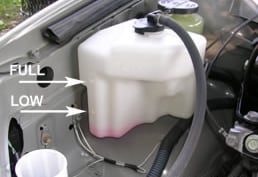
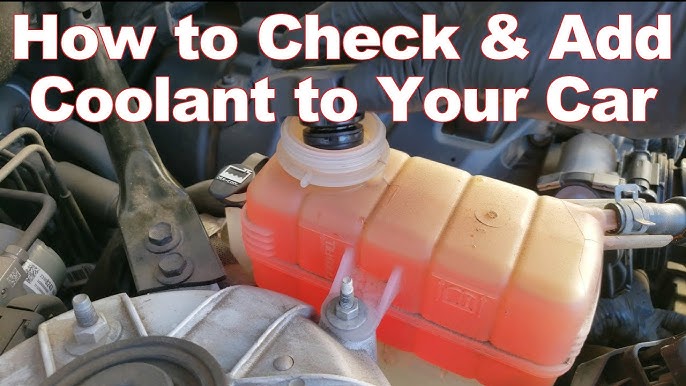
The safest method is to add coolant through the expansion tank or coolant reservoir. This tank is usually a translucent plastic container near the radiator. It often has “FULL,” “MAX,” or “MIN” marks.
Follow these steps when learning how to add coolant to car:
Park on level ground
Turn off the engine and set the parking brake. Keep children and pets away from the work area.
Let the engine cool fully
Wait until the engine is cool to the touch. This can take at least 30 minutes after normal driving and longer after overheating. Never remove a radiator cap from a hot engine.
Find the coolant reservoir
Use the owner’s manual if you cannot identify it. Do not confuse the coolant tank with the windshield washer, brake fluid, or power steering reservoir.
Check the coolant level
Look at the marks on the side of the tank. The level should sit between the minimum and maximum marks when the engine is cold.
Clean the cap area
Wipe away dust and dirt near the cap. This keeps debris from entering the cooling system.
Remove the reservoir cap slowly
Turn the cap slowly. If you hear pressure escaping, stop and wait. A cold system should not have strong pressure.
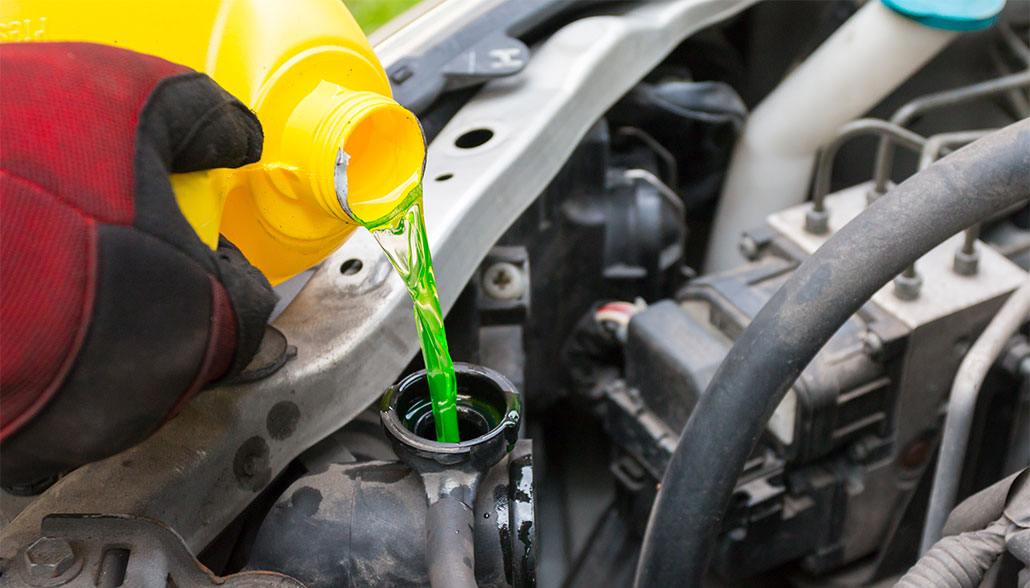
Add the correct coolant
Use a funnel and pour slowly. Fill only to the cold “FULL” or “MAX” line. Do not overfill the tank.
Replace the cap
Tighten the cap until it is secure. A loose cap can allow coolant to escape and may cause overheating.
Clean any spills
Coolant is toxic to people and animals. Wipe up spills at once and keep the container closed. Its sweet smell can attract pets.
Start the engine and check the temperature
Let the engine run for a few minutes. Watch the temperature gauge and look for leaks. Turn the engine off if the gauge rises too high, steam appears, or coolant sprays out.
This process explains how to add coolant to car through the reservoir. Some vehicles require a special bleeding procedure after the system is opened. Follow the manufacturer’s instructions for those models.

Can you add coolant directly to the radiator?
Some vehicles allow you to add coolant directly to the radiator, but only when the engine is completely cold. The radiator cap may be located under the hood or behind a separate cover. Check the owner’s manual before opening or filling it.
To add coolant to a cold radiator, remove the cap slowly and check the fluid level. Add the correct premixed coolant until it reaches the filler neck. Then fill the overflow reservoir to its cold mark and reinstall both caps.
Never open a hot radiator. The cooling system can hold pressurized fluid above the boiling point. Hot coolant may spray out and cause severe burns.
Many modern cars use a pressurized expansion tank instead of a traditional radiator cap. In that case, the reservoir is the correct fill point. This is why checking the manual is an important part of how to add coolant to car.

Should you use water instead of coolant?
Water can be used as a short-term emergency measure if the engine is low on fluid and coolant is not available. Use clean water, preferably distilled water, and drive only far enough to reach a repair shop or safe location.
Water alone is not a proper long-term replacement. It freezes more easily, boils sooner, and does not contain the corrosion inhibitors found in coolant. It may also damage the cooling system over time.
Do not pour cold water into a severely overheated engine. A sudden temperature change can stress metal parts and may cause damage. Wait until the engine cools, then check the level carefully.
If you use water as an emergency measure, have the system tested and restored with the correct coolant mixture soon after. This is one of the most important limits to remember when learning how to add coolant to car.

How to choose the right coolant
The correct coolant depends on the vehicle manufacturer and model year. Common coolant technologies include inorganic additive technology, organic acid technology, and hybrid organic acid technology. These terms describe the additives used to protect metal parts from rust and corrosion.
Use the product specified in the owner’s manual. Some vehicles need a specific formula that meets a manufacturer standard. A universal coolant may be suitable for some cars, but the label must clearly say it is compatible with your vehicle.
Keep these tips in mind:
• Do not select coolant by color alone
• Do not mix products unless the label or manufacturer confirms compatibility
• Do not use concentrated coolant without the required water mixture
• Do not use tap water when the product calls for distilled water
• Do not add stop-leak products unless a professional recommends them
A 50/50 premix is convenient because it contains the proper amount of water. Concentrated coolant may cost less per gallon, but it must be mixed accurately. Too much antifreeze can reduce heat transfer, while too much water can reduce freeze and corrosion protection.

Common mistakes to avoid
The most dangerous mistake is opening the cooling system while the engine is hot. The cap can release steam and boiling coolant with great force. Always choose safety over speed.
Another common mistake is filling the tank above the maximum mark. Coolant expands as it heats. Extra fluid needs room to expand, so overfilling can force coolant out of the reservoir or create a mess under the hood.
Avoid these errors:
• Using the wrong coolant formula
• Pouring coolant into the windshield washer tank
• Ignoring a sweet smell or wet spot under the car
• Driving with a rising temperature gauge
• Mixing coolant types without checking compatibility
• Leaving the reservoir cap loose
• Using a kitchen container for coolant storage
• Leaving spilled coolant where animals can reach it
A mistake I often see is treating repeated top-ups as normal maintenance. They are not. If you need to add coolant more than once, inspect the system for a leak and arrange a professional diagnosis.
What to check after adding coolant
After you learn how to add coolant to car, inspect the vehicle during the next few drives. Start with short trips and watch the temperature gauge. It should remain within its normal range.
Look under the vehicle after parking. A puddle may point to a leaking hose, radiator, water pump, thermostat housing, or heater core. Green, orange, pink, or blue fluid can be coolant, but some leaks are hard to see.
Check for these warning signs:
• A low coolant warning returns
• Steam comes from under the hood
• The heater blows cold air when the engine is warm
• The engine temperature rises in traffic
• A sweet smell enters the cabin
• White exhaust smoke continues after startup
• The oil looks milky or creamy
Do not continue driving an overheating vehicle. Pull over safely, turn off the engine, and wait for it to cool. Continuing to drive can turn a small leak into major engine damage.
When low coolant means a bigger problem
A low reservoir may result from a small hose leak, a loose clamp, a damaged radiator cap, or normal service work. It can also signal a failed water pump, radiator, thermostat housing, head gasket, or heater core.
A mechanic can pressure-test the cooling system to find leaks that are not visible. They may also test the coolant for combustion gases if they suspect an internal engine leak.
Do not rely only on the dashboard temperature gauge. Some vehicles can lose enough coolant that the sensor no longer sits in liquid. The gauge may appear normal while the engine is already at risk.
If the engine overheated, arrange an inspection even after adding coolant. Overheating can damage seals and gaskets. A quick check is often far cheaper than an engine repair.

How often should you check coolant?
Check the coolant level when the engine is cold, especially before long trips or during very hot or very cold weather. Many drivers check it when they check the engine oil and tire pressure.
Follow the service schedule for coolant replacement. The interval varies by vehicle and coolant type. Some modern coolants last for many years, but time and mileage limits still apply.
A service technician may test the coolant’s freeze protection and condition. This matters in areas with harsh winters, where weak coolant can freeze and damage the engine or radiator.
Do not remove the cap simply to check the level. Use the markings on the cold reservoir whenever possible. This reduces the risk of burns and keeps the system sealed.
Frequently asked questions
Can I add coolant when the engine is hot?
No. Wait until the engine is completely cool before removing a coolant or radiator cap. Hot coolant is pressurized and can cause serious burns.
How much coolant should I add to my car?
Add enough to reach the cold “FULL” or “MAX” line on the reservoir. Do not fill above that mark because coolant expands as it heats.
Can I mix different coolant colors?
Do not mix coolant based on color. Check the owner’s manual and product label to confirm that the formulas are compatible.
Can I drive after adding coolant?
You can drive if the engine is cool, the correct coolant was added, the level is stable, and the temperature gauge stays normal. Stop at once if the vehicle overheats, steams, or loses coolant again.
Why does my car keep losing coolant?
Repeated coolant loss usually points to a leak or another cooling system problem. A pressure test can help find leaks in hoses, the radiator, water pump, heater core, or engine.
Is water an acceptable replacement for coolant?
Water may work as a short emergency measure, but it is not a long-term replacement. Restore the correct coolant mixture as soon as possible to protect against freezing, boiling, and corrosion.
Where do I add coolant in my car?
Most cars take coolant through the marked expansion tank or reservoir under the hood. Some models use a radiator filler neck, so check the owner’s manual before adding fluid.
Conclusion
Knowing how to add coolant to car can help you handle a low fluid level safely and avoid unnecessary engine damage. Let the engine cool, use the correct coolant, fill only to the marked line, clean spills, and monitor the temperature gauge.
If the level drops again, do not keep topping it off and hope for the best. Have the cooling system inspected for leaks or other faults. Keep your owner’s manual and the correct coolant in mind before your next trip, and share your questions or maintenance tips in the comments.