

A modern Formula 1 car usually costs about $12 million to $20 million before race operations and development.
The real answer to how much is a F1 car depends on what you count. A bare chassis, a complete race-ready machine, and an entire development program have very different price tags. This guide breaks down each cost in simple terms, using public team budgets, FIA rules, auction results, and industry estimates to show where the money goes.
How much is a F1 car in 2025?
A current Formula 1 car is commonly estimated to cost between $12 million and $20 million as a complete racing machine. This estimate includes major parts such as the carbon-fiber chassis, hybrid power unit, gearbox, suspension, electronics, brakes, and aerodynamic parts.
However, Formula 1 teams do not publish a simple retail price. Most cars are built for one team and one racing season. Their price also changes based on the engine supplier, the level of research, and the number of spare parts produced.
A useful estimate looks like this:
| Part of the car | Estimated cost |
|---|---|
| Carbon-fiber chassis | $1 million to $2 million |
| Hybrid power unit | $5 million to $10 million |
| Gearbox | $500,000 to $1 million |
| Front and rear wings | $100,000 to $300,000 each |
| Steering wheel | $40,000 to $100,000 |
| Brakes and brake-by-wire system | $100,000 to $200,000 |
| Suspension | $100,000 to $250,000 |
| Electronics and sensors | $200,000 to $500,000 |
| Bodywork and cooling parts | $200,000 to $500,000 |
| Tires | Supplied through the race program, not normally sold to teams |
These numbers are estimates, not official invoices. A leading factory team may spend more on testing, design, and spare parts than a smaller customer team.
When people ask how much is a F1 car, they often mean the car that races on Sunday. That figure can be close to $15 million, but the total cost of making and running it is much higher.
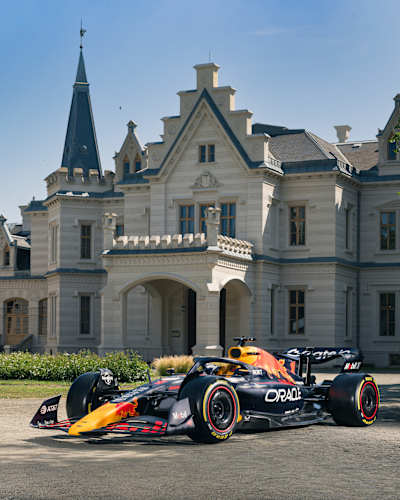
What makes an F1 car so expensive?
An F1 car is more than a fast engine with four wheels. It is a moving research project. Almost every surface is shaped to control air, save weight, or improve tire grip.
The car must also survive extreme force. Drivers can face heavy braking loads and high cornering forces. Parts must be light, strong, precise, and reliable at the same time.
The main reasons for the high cost include:
• Advanced materials such as carbon fiber, titanium, and special alloys
• Thousands of hours of design and simulation work
• Strict manufacturing standards
• Complex hybrid engine technology
• Constant aerodynamic updates
• Very small production runs
• Expensive testing and quality checks
A normal road car may be built in large numbers. An F1 car may use a part that is made only a few times. That means the cost of design, tools, labor, and testing is divided across very few units.
This is similar to ordering one custom-made suit instead of buying a shirt from a large store. The fabric matters, but the fitting, design, and skilled work make up much of the price.
F1 car cost by major component
### Carbon-fiber monocoque
The central safety cell, called the monocoque, is one of the most important parts of the car. It holds the driver and connects the front and rear sections.
A modern F1 chassis may cost around $1 million to $2 million. The final figure depends on the design, testing, tooling, and number of chassis produced.
Carbon fiber is expensive because it is made in layers. Each layer must be placed in a precise direction. The finished part is then cured under heat and pressure.
The monocoque must pass strict FIA crash tests. If it fails, the team cannot use it in a race. Those safety tests add time and cost, but they protect the driver in a sport where crashes can happen at very high speed.
Hybrid power unit
The power unit is often the most expensive part of a modern F1 car. It combines a turbocharged internal combustion engine with electric motor systems and energy storage.
A current F1 power unit can cost several million dollars. Public estimates often place the figure between $5 million and $10 million, although the number changes by supplier and contract.
The power unit includes:
• A V6 turbocharged engine
• The MGU-K electric motor
• Energy storage batteries
• Turbocharger systems
• Control electronics
• Cooling systems
• Energy recovery software
Formula 1 hybrid engines must deliver high power while using fuel with great efficiency. They also need to run for many race weekends under strict component limits.
For many buyers, how much is a F1 car is answered mainly by the engine. A car without its power unit may look complete, but it is missing one of its most valuable systems.
Gearbox
The gearbox transfers power from the engine to the rear wheels. It must shift quickly and operate under extreme heat and load.
An F1 gearbox may cost between $500,000 and $1 million. Teams often build several units during a season because damage can occur through crashes or mechanical stress.
The gearbox case is usually made from carbon fiber or a lightweight metal alloy. Inside are highly engineered gears, shafts, hydraulic systems, and electronic controls.
A small gain in shift speed or reliability can affect lap time. That is why teams invest heavily in gearbox design even when the part is hidden from view.
Front and rear wings
F1 wings may appear simple, but they are among the most carefully developed parts on the car. Their job is to create downforce while limiting drag.
A front wing can cost roughly $100,000 or more. A rear wing can reach a similar or higher price, depending on its design and construction.
Teams bring different wing shapes to different circuits. A low-drag design may suit a fast track such as Monza. A high-downforce design may work better at a slow circuit with many corners.
Crashes make wing costs rise quickly. One contact with another car can destroy a part that took weeks of design and manufacturing work.
Suspension
F1 suspension must keep the tires in the best possible position while the car changes direction, brakes, and rides over curbs.
A complete suspension system may cost hundreds of thousands of dollars. It includes wishbones, springs, dampers, push rods or pull rods, and other precision parts.
The suspension also affects tire performance. A small change in suspension geometry can alter grip, tire wear, and how the car responds to the driver.
Steering wheel
An F1 steering wheel is closer to a small computer than a normal car wheel. It may contain screens, switches, radio controls, clutch paddles, and settings for the engine and brakes.
A steering wheel can cost between $40,000 and $100,000. The exact price depends on its electronics, display, materials, and software.
The driver may adjust many settings without taking a hand off the wheel. These can include brake balance, differential settings, engine modes, and energy deployment.
Brakes and electronics
F1 brakes use carbon materials that work at very high temperatures. They are designed to deliver strong stopping power with low weight.
The brake system may cost between $100,000 and $200,000 when the discs, calipers, brake-by-wire hardware, and related systems are included.
Electronics add another major cost. The car uses sensors to measure tire temperature, brake temperature, suspension movement, acceleration, pressure, and energy use.
Teams collect large amounts of data during practice and races. Engineers use it to set up the car and find problems before they become failures.

How much does it cost to develop an F1 car?
The cost of the physical car is only one part of the answer. Designing a new F1 car can cost tens or even hundreds of millions of dollars when salaries, factories, simulation, testing, and manufacturing are included.
A team may pay for:
• Aerodynamic research
• Computer-aided design
• Computational fluid dynamics
• Wind tunnel operation
• Driver simulator work
• Material research
• Factory staff
• Software development
• Crash testing
• Spare parts
• Transport and track support
The FIA cost cap limits many team expenses. In recent seasons, the standard cap has been set around $135 million, with adjustments for inflation, race count, and other factors. The cap does not cover every expense, and some items receive special treatment or are excluded.
Examples of commonly excluded or separately treated costs can include driver salaries, the salaries of the three highest-paid staff members, marketing, and some power unit expenses. The exact rules are detailed and change over time.
This means a team’s total business spending may be higher than the cost cap. It also means the cap is not the same as the price of one F1 car.
How much is a F1 car with research and spare parts included?
A race team does not build only one car. It needs spare chassis, wings, suspension parts, floors, bodywork, gearboxes, and other components.
A team may build several chassis during a season. It also produces many versions of aerodynamic parts because the car is updated from race to race.
When research, manufacturing, and spares are included, one active car program can represent $20 million to $30 million or more. A top team’s yearly development effort can be far larger.
The cost rises further when a team introduces a major design change. A new floor, sidepod, or front wing may require:
Wind tunnel testing
Computer simulation
Full-size design work
Tooling and molds
Manufacturing
Track testing
Data analysis
Further redesign
This cycle can repeat many times. Formula 1 development is not a single purchase. It is an ongoing race against rivals.
Does the F1 cost cap include the whole car?
No. The F1 cost cap does not simply place one limit on every dollar spent on the car and team.
The cap covers many performance-related costs, including much of the design and operation of the racing team. However, the regulations exclude or adjust several important areas.
The most important limits to remember are:
• Driver salaries are generally outside the main cap
• Some senior staff salaries are excluded
• Marketing costs are excluded
• Power unit costs have separate treatment
• Certain financial and legal expenses may be excluded
• The cap can change with inflation and race schedules
The rules are designed to reduce the spending gap between teams. They do not make every team spend the same amount, and they do not make an F1 car cheap.
A well-funded team may still gain advantages through experience, facilities, staff quality, and smarter use of its allowed budget.
How much is a used or old F1 car?
A retired F1 car can sell for far less or far more than its original build cost. The value depends on its history, driver, team, condition, and whether it still has a working engine.
A show car or display chassis may sell for tens of thousands of dollars. A real race-used car can sell for hundreds of thousands or several million dollars.
Historic cars driven by famous champions can be much more expensive. For example, race-winning Ferrari and McLaren cars linked to drivers such as Michael Schumacher, Ayrton Senna, or Lewis Hamilton have reached multi-million-dollar prices at specialist auctions.
The key factors are:
• Who drove the car
• Whether it won races or championships
• Whether the car is authentic
• Whether the engine and gearbox are included
• Whether it can run
• Its ownership records
• Its condition and restoration quality
• Its importance in F1 history
A display car may look nearly identical to a race car but contain no engine, gearbox, electronics, or working suspension. That difference can change the price by millions.
Can you buy a real F1 car?
Yes, but buying one is not like buying a used road car. Former F1 cars are usually sold through specialist auctions, private collectors, teams, museums, or racing dealers.
Before buying, check exactly what the listing includes. Ask whether the car has:
• A genuine chassis number
• A race history
• A working power unit
• Original electronics
• The original gearbox
• A steering wheel
• Brake and suspension parts
• Technical documents
• Restoration records
Many former F1 cars cannot run because their engines are too complex, their electronics are outdated, or their parts are no longer supported.
Running a historic F1 car can also be expensive. You may need specialist mechanics, transport, fuel, tires, safety equipment, and engine servicing. The purchase price is only the first lap of a very long race.
How much does it cost to run an F1 car?
Running an F1 car costs much more than buying a single machine. A team must transport people and equipment around the world, maintain its factory, build parts, and operate at every race.
Major running costs include:
• Staff salaries
• Freight and logistics
• Fuel and lubricants
• Tires and testing
• Spare parts
• Engine supply
• Trackside equipment
• Data systems
• Factory operations
• Crash repairs
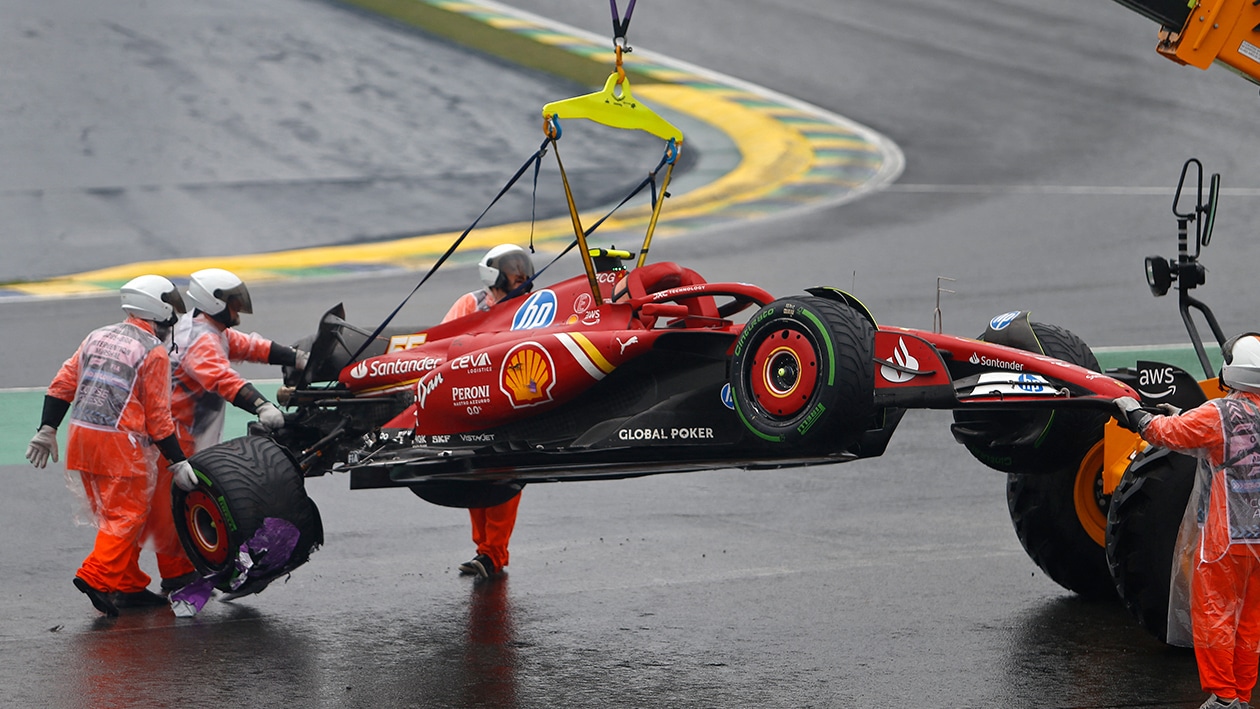
A crash can create a large bill. A damaged floor, front wing, suspension, gearbox, and sidepod may cost hundreds of thousands of dollars. A major accident can destroy much of the car and require a complete rebuild.
From my experience studying motorsport budgets and comparing race machinery with road cars, the most common mistake is to focus only on the purchase price. In racing, repair, transport, engineering, and spare parts often matter just as much as the original machine.
Why F1 cars cost more than supercars
A high-end supercar may cost $300,000 to $5 million. That is expensive, but it is still built for a wider market and designed to last for years.
An F1 car has a different purpose. It is built to achieve the fastest possible lap under strict rules. Comfort, luggage space, low maintenance, and long service life are not its main goals.
An F1 car also uses:
• A custom carbon-fiber safety cell
• Race-only aerodynamic parts
• A complex hybrid power unit
• Custom software
• Lightweight materials
• Hand-built components
• A very small production run
A supercar owner can take a car to a dealer for service. An F1 team needs engineers, data specialists, mechanics, and a full supply chain.
That is why the answer to how much is a F1 car can seem surprising. You are not just paying for transportation. You are paying for a concentrated package of science, engineering, labor, and competition.
How much is a F1 car compared with an IndyCar or NASCAR?
F1 cars are generally more expensive than IndyCars and many NASCAR vehicles because F1 teams design much more of their own technology.
An IndyCar chassis is supplied by approved manufacturers, which keeps the basic car cost lower. A complete IndyCar may cost roughly $2 million to $3 million, depending on the engine and equipment.
A NASCAR Cup Series car may cost around $400,000 to $600,000 for the main vehicle, although a full team program costs much more.
These figures are broad estimates. Teams may spend extra money on testing, engines, engineering, transport, and spare cars.
The comparison is useful:
| Racing vehicle | Approximate car cost |
|---|---|
| F1 car | $12 million to $20 million |
| IndyCar | $2 million to $3 million |
| NASCAR Cup car | $400,000 to $600,000 |
| Formula 2 car | Around $1 million or more |
| High-level GT3 car | About $500,000 to $1 million |
The exact numbers vary by season, supplier, and specification. Still, Formula 1 remains one of the most expensive forms of circuit racing.
What happens to F1 cars after a season?
Teams may keep, sell, display, or dismantle old cars. Some cars are used for demonstrations and private events. Others become part of a manufacturer’s heritage collection.
Many parts do not reach the public market. Teams may destroy or retain components that contain confidential designs. A floor, wing, or suspension part can reveal useful information to competitors.
Older cars may also be converted into show cars. These vehicles can use a real chassis with non-racing bodywork, a simplified engine, or a replacement power unit.
Collectors should be careful when a seller describes a car as “F1.” The term may refer to:
• A genuine race-used car
• A test car
• A show car
• A replica
• A rolling chassis
• A car with an original body but non-original mechanical parts
The more complete and documented the car, the more reliable its value estimate becomes.

Common mistakes when estimating F1 car prices
People often search how much is a F1 car and expect one exact number. That approach creates several problems.
Mistake 1: Confusing the car with the team
A $15 million car is not the same as a $135 million team budget. The team budget covers people, factories, development, travel, and many cars and parts.
Mistake 2: Ignoring the power unit
Some estimates describe only the rolling chassis. If the engine and hybrid systems are missing, the price may look much lower than the cost of a race-ready car.
Mistake 3: Treating estimates as official prices
Formula 1 teams rarely publish the exact cost of every component. Public figures are usually based on industry estimates, reported budgets, and technical analysis.
Mistake 4: Forgetting spare parts
A team needs replacement parts after crashes and failures. The cost of spares can add millions to a season.
Mistake 5: Assuming an old car is ready to race
A retired car may need a full inspection, new fluids, new electronics, and specialist support before it can run safely.
The best method is to ask what the estimate includes. A clear answer should state whether it covers the chassis, engine, gearbox, electronics, spares, design work, and race operation.
How much is a F1 car? A practical cost summary
Here is the simplest way to understand the numbers:
• A basic display chassis may cost $50,000 to several hundred thousand dollars
• A rolling race chassis may cost $1 million to $5 million
• A complete modern F1 car may cost $12 million to $20 million
• A complete car with spares and development may represent $20 million to $30 million or more
• A famous historic race-winning car may sell for $5 million to over $10 million
• A full F1 team program can cost hundreds of millions of dollars each year
These figures are not fixed. A new regulation cycle, engine program, crash, auction result, or technical upgrade can change the final number.
For a realistic estimate, always define the car first. Are you asking about a new 2025 race car, a used championship car, a show car, or the total cost of operating one?

Frequently Asked Questions About How Much Is a F1 Car
How much is a brand-new F1 car?
A brand-new modern F1 car is commonly estimated at $12 million to $20 million. The price can be higher when development work, spare parts, and advanced power unit costs are included.
How much does an F1 engine cost?
A modern F1 hybrid power unit may cost about $5 million to $10 million by industry estimate. The final price depends on the supplier, contract, technology, support package, and season.
Can I buy a Formula 1 car?
Yes, used F1 cars are sometimes sold through specialist auctions and private dealers. Buyers must check whether the car is genuine, complete, race-ready, and supported by proper records.
What is the cheapest F1 car to buy?
A non-running display car or incomplete rolling chassis may be the cheapest option. Prices can begin around tens of thousands of dollars, but authentic race-used examples often cost hundreds of thousands or millions.
How much does it cost to run an F1 car?
Running an F1 car can cost hundreds of thousands of dollars for a single private event. A professional team spends far more because it must pay for staff, transport, engineering, repairs, parts, and race operations.
Why are F1 cars more expensive than supercars?
F1 cars use custom technology, rare materials, advanced hybrid systems, and small-batch manufacturing. They are also supported by large engineering and development programs that road-car prices do not usually include.
How much does an old F1 car cost?
An old F1 car may cost from tens of thousands of dollars for a show car to several million for a famous race-winning example. Driver history, authenticity, condition, and working mechanical parts have a major effect on value.
Conclusion
So, how much is a F1 car? A modern race-ready machine usually costs about $12 million to $20 million, while development, spare parts, and team operations push the real investment much higher. Historic cars can sell for less or far more, depending on their story and condition.
The best way to judge any F1 car price is to look beyond the bodywork. Check the chassis, power unit, race history, documentation, spare parts, and support costs before trusting a number.
Formula 1 engineering is a remarkable blend of speed, science, and risk. Explore auction records, FIA regulations, and team technology reports to learn more, and share your thoughts on which F1 car is worth its price.