

Most car batteries last three to five years, but climate, driving habits, and battery type can change that range.
Knowing how often to replace a car battery helps you avoid a dead engine at work, at home, or on a cold roadside. A battery can fail with little warning, yet simple checks can reveal when it is losing strength. This guide explains battery life, warning signs, testing methods, replacement timing, and practical ways to get more reliable service.

How often should you replace a car battery?
Most drivers should replace a car battery every three to five years. This is a useful rule, not a fixed deadline. Some batteries fail after two years, while others last six years or longer under mild conditions and careful use.
The best answer to how often to replace a car battery depends on several factors:
• Climate and outside temperature
• Driving distance and trip length
• Battery quality and design
• Vehicle electrical demand
• Charging system health
• Battery maintenance
• How often the vehicle sits unused
A battery does not usually stop working because of one single event. Instead, its internal plates slowly lose their ability to hold and deliver a charge. Think of it like a water bottle with a small leak. It may still work for a while, but it holds less energy each day.
If your battery is more than three years old, test it before winter or before a long trip. If it is five years old, replacement is often a smart preventive step, even if the engine still starts normally.
What affects car battery life?
Battery life can vary widely from one vehicle to another. Two cars of the same age may need new batteries at very different times because their use and storage conditions are not the same.
Extreme heat
Heat is one of the biggest causes of battery wear. High temperatures speed up chemical reactions inside the battery and can cause water loss from the electrolyte. This may damage the internal plates and reduce future starting power.
In hot regions, a battery may last closer to three years than five. A battery that survives several very hot summers may already be weak when colder weather arrives.
Cold weather
Cold weather does not always cause the original damage, but it exposes a weak battery. Low temperatures slow the chemical reaction that produces electrical power. At the same time, the engine needs more power to turn thick oil and start.
This is why many drivers discover a failing battery on the first freezing morning of the year. If your battery is aging, test it before winter rather than waiting for the first hard freeze.
Short trips
Frequent short trips can shorten battery life. Starting the engine uses a large amount of power, and a short drive may not give the alternator enough time to restore it.
For example, repeated five-minute trips to school, work, or a store can leave the battery partly charged. Over time, this may cause sulfation, a buildup that reduces the battery’s ability to accept and hold a charge.
Long periods of storage
A parked vehicle still uses a small amount of electricity. The alarm, computer modules, clock, and keyless entry system may slowly drain the battery.
If a car sits for weeks, use a quality battery maintainer made for your battery type. Do not rely on starting the vehicle for a few minutes. Idling briefly may not replace the power used during startup.
Vehicle electronics
Modern vehicles often have more electrical equipment than older cars. Heated seats, advanced driver assistance systems, navigation units, cameras, entertainment systems, and automatic start-stop systems can increase battery demands.
Vehicles with start-stop systems often require an enhanced flooded battery or an absorbed glass mat battery. Installing the wrong type can lead to poor performance and early failure.

Signs you need a new car battery
A weak battery may show several warning signs before it fails completely. Pay attention to changes in starting performance and electrical behavior.
Common signs include:
• The engine cranks slowly when you start the car
• The headlights look dim before the engine starts
• Interior lights flicker or seem weaker than usual
• The battery warning light appears on the dashboard
• Electrical accessories work slowly
• The vehicle needs a jump-start more than once
• The battery case looks swollen or cracked
• There is a strong sulfur or rotten egg smell
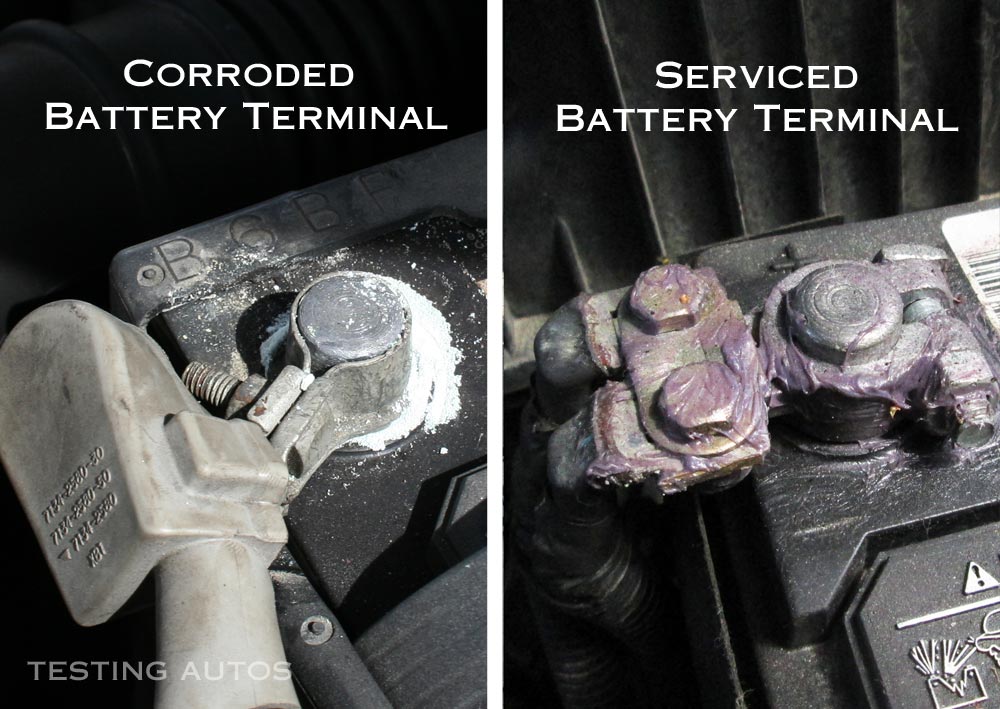
• Corrosion covers the battery terminals
• The date label shows the battery is more than three years old
A slow crank is one of the clearest signs. The starter should turn the engine quickly and smoothly. If it sounds sluggish, the battery may not have enough cold-cranking amps.
However, not every starting problem means you need a new battery. A faulty alternator, poor ground connection, damaged starter, or corroded cable can create similar symptoms. Testing the complete starting and charging system prevents unnecessary replacement.
A swollen battery case is more serious. It can indicate heat damage, overcharging, or internal failure. Do not continue using a visibly damaged battery. Arrange for safe inspection and disposal.

How to test a car battery
A battery test is the most reliable way to decide how often to replace a car battery. Many auto parts stores and repair shops offer a basic test at little or no cost.
Check the battery age
Look for a date sticker or stamped code on the battery. The code may show the month and year of manufacture or installation. If you cannot read it, a repair professional may be able to identify its age from the label.
Age alone does not prove that a battery has failed. Still, it helps you judge risk. A four-year-old battery that tests well may continue working, but it deserves closer attention.
Measure resting voltage
A fully charged, healthy 12-volt battery often measures about 12.6 volts when the vehicle has been off for several hours. A reading near 12.4 volts may show partial charge, while a reading near 12.2 volts suggests a low state of charge.
Voltage is only one part of the test. A battery can show an acceptable voltage and still fail under load. For that reason, do not use a voltage reading alone to decide how often to replace a car battery.
Perform a load or conductance test
A load tester checks whether the battery can deliver power under stress. A conductance tester estimates the battery’s remaining starting capacity without placing the same heavy load on it.
The test result may show terms such as:
• Good battery
• Good but recharge
• Weak or marginal battery
• Replace battery
• Charge and retest
Follow the tester’s instructions and the vehicle manufacturer’s specifications. A test performed immediately after charging may not reveal every problem.
Check the charging system
With the engine running, a typical charging system may show about 13.7 to 14.7 volts, although the exact value varies by vehicle and charging strategy. Smart charging systems may change voltage during normal operation.
If the alternator is not charging correctly, a new battery may also become weak. Always inspect the alternator, drive belt, cables, and ground connections when diagnosing a battery problem.
Should you replace a car battery before it dies?
Preventive replacement can make sense when a battery is older than four or five years, especially before a major trip or harsh season. The decision depends on how important reliable starting is to your daily life.
Replacing an aging battery early may help you avoid:
• Missing work or an important appointment
• Paying for an emergency jump-start
• Being stranded in extreme heat or cold
• Towing costs
• Problems in a remote area
• Stress during travel
Some drivers prefer to use every month of battery life. That approach may save money if the battery lasts longer, but it also increases the chance of sudden failure.
A useful middle ground is regular testing. Test the battery when it reaches three years old, then test it before each winter or summer season. Replace it when the test shows poor reserve capacity or when symptoms begin to appear.
The answer to how often to replace a car battery is not always based on age. A battery that has passed a professional load test may be safe to keep. A newer battery with a charging fault may need replacement much sooner.
How to choose the right replacement battery
Choosing the correct battery involves more than matching the size. The battery must fit the vehicle’s electrical and physical requirements.
Check these details before buying:
• Group size
• Cold-cranking amps, or CCA
• Reserve capacity
• Battery type
• Terminal position
• Physical dimensions
• Warranty length
• Start-stop compatibility
Cold-cranking amps describe how much starting power a battery can provide in cold conditions. Use the rating recommended by the vehicle manufacturer. A larger number is not always better if the battery does not fit or match the charging system.
Common battery types include:
• Flooded lead-acid batteries: A common and lower-cost option for many vehicles
• AGM batteries: Designed for higher electrical demand and some start-stop systems
• Enhanced flooded batteries: Used in certain vehicles with moderate start-stop demands
• Lithium batteries: Found in some special applications and electric vehicles
Some modern vehicles require battery registration after installation. This process tells the vehicle’s computer that a new battery is present. Without it, the charging system may not manage the battery correctly.
Always follow the owner’s manual. If the battery is located in the trunk, under a seat, or near sensitive electronics, professional replacement may be safer.

How to replace a car battery safely
A conventional 12-volt battery can be replaced at home if you have the right tools and the vehicle does not require special programming. Safety matters because batteries contain acid and can produce flammable gas.
Use this general process:
- Turn off the engine, lights, and accessories. Remove the key from the vehicle.
- Wear eye protection and gloves.
- Locate the battery and identify the positive and negative terminals.
- Disconnect the negative cable first.
- Disconnect the positive cable second.
- Remove the hold-down bracket.
- Lift out the old battery without tilting it.
- Clean the tray and cable connections if needed.
- Place the new battery in the correct position.
- Secure the hold-down bracket.
- Connect the positive cable first.
- Connect the negative cable second.
- Start the vehicle and check for warning lights.
- Reset the clock, radio settings, windows, or other systems if needed.
Never allow a metal tool to touch both battery terminals. Do not smoke or create sparks near the battery. Keep the battery upright, and recycle the old unit through a parts store, repair shop, or approved collection center.
Hybrid and electric vehicles contain high-voltage systems. Do not attempt to replace a high-voltage battery yourself. A trained technician should handle those systems.
How to make a car battery last longer
Good habits can add useful months or years to battery life. They cannot stop normal aging, but they can reduce avoidable strain.
Try these practical steps:
• Take longer drives when possible so the alternator can recharge the battery.
• Turn off lights, chargers, and accessories before shutting down the engine.
• Keep battery terminals clean and tight.
• Inspect the battery case for cracks, leaks, or swelling.
• Use a battery maintainer during long storage.
• Fix electrical drains, such as a trunk light that stays on.
• Check the alternator if the battery repeatedly loses charge.
• Avoid repeated jump-starts without finding the cause.
• Follow the correct maintenance schedule for your vehicle.
One common mistake is replacing the battery but ignoring the charging system. If the alternator overcharges or undercharges, the replacement battery may fail early. Another mistake is buying the cheapest battery without checking its warranty, CCA rating, or compatibility.
In real-world service situations, the most preventable failures often involve loose terminals, forgotten lights, or vehicles that sit unused. A five-minute inspection can sometimes prevent a costly roadside problem.
Car battery replacement cost
The cost of a new car battery varies by vehicle, battery type, brand, warranty, and installation requirements. A standard flooded battery often costs less than an AGM battery, while batteries in hard-to-reach locations may cost more to install.
You may also pay for:
• Battery testing
• Installation
• Battery registration
• Terminal cleaning
• Electrical diagnosis
• Recycling or disposal fees
A low purchase price may not be the best value. Compare the warranty, expected use, cold-cranking rating, and retailer support. A reliable battery with a strong warranty can be a better choice for drivers who depend on their vehicle every day.
If a battery repeatedly dies within a short time, do not keep buying replacements. Ask for a parasitic draw test and charging-system inspection. The real problem may be an alternator, wiring fault, computer module, or accessory.
How often to replace a car battery in different climates
Climate changes the answer to how often to replace a car battery.
In hot climates, plan to inspect the battery after about three years. Heat can cause faster internal wear, so replacement may be needed sooner.
In cold climates, a battery may last four to six years if it is well maintained. Still, test it before winter because cold weather places heavy demand on starting power.
In mild climates, many batteries reach the common three-to-five-year range. Driving patterns and battery quality still matter more than the calendar alone.
If you move from a mild area to a hot or cold region, adjust your inspection schedule. A battery that performed well in one climate may age faster in another.
Frequently Asked Questions About How Often to Replace a Car Battery
How often should I replace a car battery?
Most car batteries should be replaced every three to five years. Test the battery sooner if you drive short trips, live in extreme temperatures, or notice slow engine cranking.
Can a car battery last more than five years?
Yes, some batteries last longer than five years under favorable conditions. Regular testing is safer than relying only on age because battery life can vary by climate, vehicle, and driving habits.
What are the first signs of a weak car battery?
Slow cranking, dim lights, repeated jump-starts, and electrical problems are common early signs. Corrosion, a swollen case, or a sulfur smell may also indicate battery trouble.
Should I replace my car battery before winter?
Replacing an old or marginal battery before winter can prevent a no-start situation. At minimum, have the battery and charging system tested before freezing weather arrives.
Does driving recharge a car battery?
Driving allows the alternator to recharge the battery, but very short trips may not replace the energy used during starting. A battery maintainer or longer drive may help when a vehicle sits often.
Can a bad alternator ruin a new battery?
Yes, an alternator that undercharges or overcharges can damage a new battery. Test the full charging system whenever a battery fails early or repeatedly loses power.
How long can a car sit before the battery dies?
A healthy battery may start a car after several weeks, but the exact time varies. Cold weather, vehicle electronics, alarms, and battery age can drain it sooner.
Conclusion
Most drivers should expect to replace a car battery every three to five years, but the right schedule depends on climate, driving habits, battery type, and charging-system health. Watch for slow cranking, dim lights, corrosion, and repeated jump-starts. Test an older battery before winter, summer travel, or a long period of storage.
Do not wait for a complete failure if reliable transportation is important to you. Check your battery’s age today, arrange a professional test if needed, and choose a replacement that matches your vehicle. Share your battery experience or explore more car maintenance guides to keep your vehicle dependable.