

A good car for a teenager is safe, reliable, easy to drive, and affordable to insure and maintain.
Choosing what’s a good car for a teenager takes more than picking a small, cheap vehicle. Crash protection, driver-assistance features, repair costs, fuel use, and the teen’s driving habits all matter. This guide combines safety data, practical ownership advice, and real-world lessons to help your family make a smart choice.
What Makes a Good Car for a Teenager?
A good car for a teenager should protect its driver, reduce distractions, and forgive small mistakes. New drivers are still building judgment, hazard awareness, and confidence. The right car can support that learning without encouraging risky behavior.
The best teen cars often have these traits:
• Strong crash-test results from trusted safety organizations
• Automatic emergency braking and blind-spot warning
• A calm engine with enough power for highway driving
• Simple controls and good outward visibility
• Low repair, fuel, and insurance costs
• A proven record for reliability
• A practical size that is easy to park
A very small car is not always the safest choice. It may cost less and use less fuel, but a larger vehicle can offer more protection in a serious crash. On the other hand, a huge SUV may be harder to control and more expensive to insure.
Think of the car as a pair of training wheels. It should help a young driver build skill, not reward speed or aggressive driving. 
The Most Important Safety Features
Safety should come before style, horsepower, or a large touchscreen. A vehicle with strong crash protection and modern driver-assistance tools gives a new driver more room to react when something goes wrong.
Look for these features when comparing what’s a good car for a teenager:
• Automatic emergency braking can warn the driver and may brake to avoid or reduce a front crash.
• Forward collision warning alerts the driver to a possible impact ahead.
• Blind-spot monitoring can warn about vehicles beside the car.
• Rear cross-traffic alert helps when backing out of a parking space.
• Electronic stability control helps the driver maintain control during sudden turns.
• Lane departure warning can alert a distracted or tired driver.
• A rearview camera makes reversing safer and easier.
• Good headlights improve visibility on dark roads.
Crash-test ratings also matter. Check ratings from the Insurance Institute for Highway Safety and the National Highway Traffic Safety Administration. These tests do not predict every crash, but they offer a useful comparison between vehicles.
Remember that driver aids are a backup, not a substitute for attention. A teen should still check mirrors, scan intersections, leave space, and keep the phone out of reach. 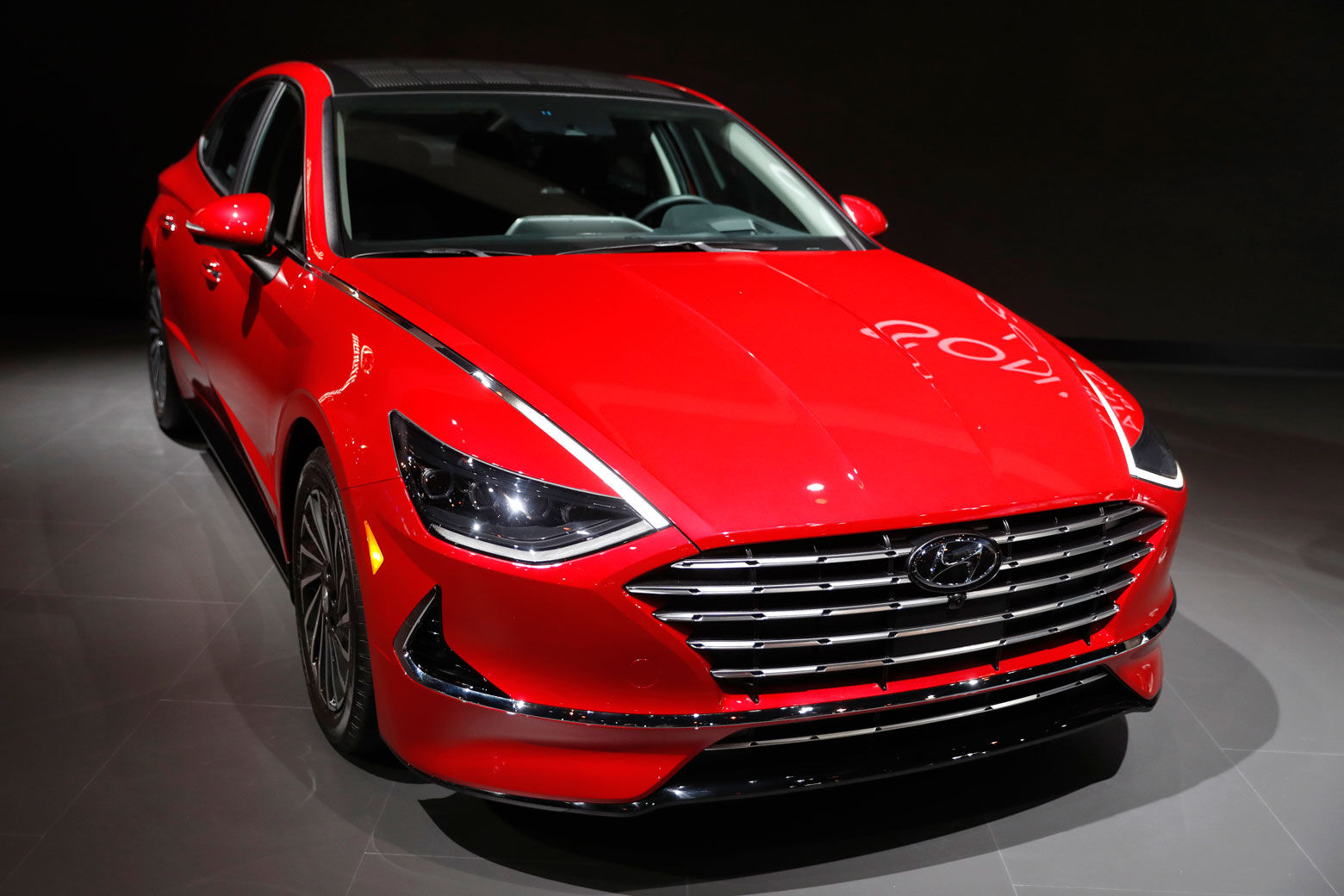
Best Types of Cars for Teen Drivers
There is no single perfect model for every family. Budget, climate, commute length, parking space, and insurance rates can change the answer. Still, some vehicle types tend to work well for new drivers.
Compact sedans
Compact sedans are often a strong choice for teenagers. They are easy to park, usually use less fuel, and often cost less to insure than larger vehicles.
Examples may include the Honda Civic, Toyota Corolla, Mazda3, Hyundai Elantra, and Subaru Impreza. Safety equipment and crash ratings can change by model year, so check the exact vehicle before buying.
Small and compact SUVs
A small SUV offers a higher seating position and useful cargo room. Models such as the Honda HR-V, Mazda CX-30, Subaru Crosstrek, Toyota Corolla Cross, and Hyundai Kona may suit families that need extra space.
However, compare visibility, braking performance, insurance prices, and ease of handling. A tall vehicle is not automatically safer.
Midsize sedans
A midsize sedan can offer more cabin space and stronger highway comfort. The Toyota Camry, Honda Accord, Subaru Legacy, and Nissan Altima are examples that may work for older teens who drive long distances.
These cars can be more expensive to buy and insure. Some versions also have powerful engines, so avoid performance trims for a new driver.
Used cars
A carefully checked used car can be an excellent first vehicle. It may cost less to buy, and a minor scratch in a school parking lot will feel less painful than damage to a new car.
A used car needs a vehicle history report, a safety recall check, and an independent inspection. A low price is not a bargain if the car needs tires, brakes, suspension work, or major engine repairs.
Good Cars for a Teenager by Budget
Your budget should include more than the purchase price. Plan for insurance, fuel, registration, tires, maintenance, parking, and unexpected repairs.
Lower-cost used options
Families on a tight budget may consider:
• Toyota Corolla
• Honda Civic
• Mazda3
• Subaru Impreza
• Toyota Prius
• Honda Fit
• Hyundai Elantra
• Kia Forte
The best choice depends on the year, condition, mileage, and safety equipment. A newer compact car with automatic emergency braking may be a better buy than an older luxury car with high repair costs.
Moderate-cost choices
With a larger budget, families may look at:
• Toyota Camry
• Honda Accord
• Subaru Crosstrek
• Mazda CX-30
• Honda HR-V
• Toyota Corolla Cross
• Hyundai Tucson
• Kia Sportage
Compare total ownership costs instead of focusing only on monthly payments. A vehicle with a low price but high insurance or repair costs may cost more over time.
Electric and hybrid cars
A hybrid can reduce fuel use, especially in city driving. An electric car can also offer quick acceleration and low routine maintenance.
Still, charging access, winter range, battery condition, insurance, and purchase price matter. For a teen, a modest hybrid or electric car may be sensible, but a powerful performance model may not be. 
New or Used: Which Is Better for a Teenager?
A new car offers the latest safety systems, a full warranty, and no unknown repair history. It can also be easier to finance and may have better fuel economy. The main drawbacks are higher purchase costs, depreciation, and expensive insurance.
A used car offers value, but its condition matters greatly. Maintenance records, tire age, previous accidents, flood damage, and open recalls should all be reviewed.
Use this process before buying a used car:
Get the vehicle identification number and check for recalls.
Review a reputable vehicle history report.
Schedule an inspection with an independent mechanic.
Test every safety feature and warning light.
Check tire tread, tire age, brake wear, and fluid leaks.
Ask for service records.
Get an insurance quote before making an offer.
One lesson families often learn the hard way is that a “cheap” car can become expensive within weeks. Spending money on an inspection is far wiser than discovering major problems after the sale.
How Much Should You Spend on a Teen’s Car?
There is no universal price limit, but the vehicle should fit the family budget without creating stress. A reliable used car can be a better choice than stretching to afford a new model.
Build a simple ownership budget that includes:
• Monthly loan payment, if any
• Insurance premium
• Fuel or charging costs
• Routine service
• Tires and brakes
• Registration and taxes
• Parking fees
• Emergency repairs
Insurance can vary sharply by driver, location, vehicle, coverage level, and claims history. Ask an insurer for quotes on several cars before you buy. Safety equipment may help in some cases, but a young driver often still costs more to insure.
It is also wise to keep an emergency repair fund. Even reliable cars need batteries, tires, oil changes, and occasional repairs.
Cars Teenagers Should Usually Avoid
Some vehicles create extra risk or expense for inexperienced drivers. They may look exciting, but they are often a poor match for a first car.
Be cautious with:
• High-horsepower sports cars
• Turbocharged performance trims
• Large SUVs with poor visibility
• Very old cars without stability control
• Vehicles with a history of repeated repairs
• Salvage-title cars without expert documentation
• Luxury cars with costly parts and service
• Modified cars with altered suspension or engine parts
• Pickup trucks that are difficult to maneuver
Power is not always dangerous by itself, but extra power makes mistakes happen faster. A teen who is still learning smooth braking and safe cornering does not need a fast car to enjoy driving.
Large vehicles also have risks. They may offer more mass in a crash, but they can be harder to stop, turn, and park. Some have large blind zones that can hide pedestrians or smaller cars.
How to Test-Drive a Teen’s Car
A test drive should be calm and practical. Do not focus only on how the car feels for five minutes on a dealership street.
Test these areas:
• Can the teen see clearly over the dashboard?
• Are the mirrors easy to adjust?
• Can the driver reach the pedals comfortably?
• Is the steering light enough for parking?
• Are the brake and accelerator easy to control?
• Can the teen understand the dashboard quickly?
• Does the car feel stable on a highway?
• Are blind spots manageable?
• Is there enough room for school bags or sports equipment?
• Can the driver park it without stress?
Drive in different settings if possible. Try a quiet street, a busy road, a freeway entrance, a parking lot, and a hill. Listen for unusual sounds and watch for warning lights.
I often recommend that parents let the teen explain what they notice during the drive. If the teen cannot find the blind-spot alert or does not understand the adaptive cruise controls, the car may have too many distractions. Simple is often better.
Reduce Teen Driving Risk After the Purchase
The car is only one part of safe teen driving. Family rules, practice, and supervision matter just as much.
Create a written agreement that covers:
• Seat belt use for every trip
• No texting or phone handling while driving
• No alcohol, cannabis, or drug-impaired driving
• Limits on teen passengers
• Night driving rules
• Speed expectations
• Weather restrictions
• Who pays for fuel, tickets, and damage
Many states use graduated driver licensing rules. These laws may limit nighttime driving or passengers during the first months of a license. Check your state’s current requirements, because rules differ across the United States.
Parents should also practice skills that new drivers may not learn fully in basic lessons. These include merging, wet-road braking, changing a tire, driving in snow, and recovering from a skid. Calm practice is better than a stressful lecture after a mistake.
Common Mistakes When Choosing a Teen Car
Families often make the same errors when deciding what’s a good car for a teenager. Avoiding them can save money and reduce risk.
Choosing appearance over safety
A stylish car may attract attention, but looks do not show crash performance. Review safety ratings and equipment first.
Buying the cheapest car available
The lowest sticker price may hide major maintenance needs. Check the full cost of ownership.
Assuming newer always means safer
Newer cars often have better technology, but not every model performs equally in crash tests. Compare ratings for the exact year and trim.
Ignoring insurance
A vehicle that fits the purchase budget may be costly to insure. Get a quote before signing paperwork.
Adding too many distractions
A large screen, loud audio system, and complicated controls can pull attention from the road. Teach the teen to set navigation and music before driving.
Skipping winter equipment
In snowy areas, good tires can matter more than all-wheel drive. All-wheel drive helps with traction when moving, but it does not shorten braking distance on ice.
A Simple Car-Buying Checklist
Use this checklist to compare each option fairly:
Confirm strong crash-test performance.
Check for automatic emergency braking and stability control.
Get an insurance quote.
Estimate fuel, charging, and repair costs.
Review the vehicle history.
Arrange an independent inspection for a used car.
Confirm open recalls are repaired.
Test visibility, controls, braking, and parking.
Compare at least three similar vehicles.
Discuss family driving rules before handing over the keys.
This method keeps emotion from taking over. A teen may love one car, but a side-by-side comparison can show that another model offers better safety and value.
The ideal car should fit the driver, the family, and the roads where it will be used.
Frequently Asked Questions About What’s a Good Car for a Teenager
What is the safest car for a teenage driver?
There is no single safest car for every teen. Look for a vehicle with strong current crash-test results, electronic stability control, automatic emergency braking, good headlights, and a design that the driver can handle easily.
Is a small car or SUV better for a teenager?
Both can work well. A compact car is often easier to park and cheaper to run, while a small SUV may offer more space and a higher seating position; compare safety ratings, visibility, handling, and insurance costs.
Should a teenager get a new or used car?
A new car offers newer safety technology and warranty coverage, while a used car can provide better value. The best used choice has a clean history, strong safety equipment, good maintenance records, and a professional inspection.
How much horsepower should a teen’s car have?
A teen does not need a high-performance engine. Choose a car with enough power for safe highway merging, but avoid sports cars and performance trims that can encourage speeding or make mistakes harder to control.
Are used Honda and Toyota cars good for teenagers?
Many Honda and Toyota models have strong reliability records and reasonable operating costs. Condition, maintenance history, safety equipment, and crash ratings still matter more than the badge alone.
Does all-wheel drive make a teen car safer?
All-wheel drive can help a car accelerate on snow or loose ground, but it does not guarantee better braking or cornering. Good tires, slower speeds, and careful driving remain essential in winter weather.
What safety technology should a teen’s car have?
Prioritize automatic emergency braking, forward collision warning, blind-spot monitoring, rear cross-traffic alert, a rearview camera, and electronic stability control. These tools can help, but they cannot replace focused driving.
Conclusion
The best answer to “what’s a good car for a teenager” is a safe, reliable, manageable vehicle that fits the family budget. Compact sedans, modest small SUVs, and carefully inspected used cars can all work well when they have strong safety ratings and reasonable ownership costs.
Before buying, compare crash results, insurance quotes, repair needs, visibility, and driving feel. Then pair the car with clear family rules and steady practice. Use this guide to build a shortlist, arrange test drives, and choose the vehicle that gives your teen confidence without encouraging unnecessary risk.