Is It A Good Time To Buy A Car: Smart Buying Guide
Yes, it can be a good time to buy a car if the payment, price, and vehicle fit your budget.
The answer to “does is it a good time to buy a car” depends on more than today’s sticker price. Interest rates, dealer inventory, trade-in value, fuel costs, vehicle demand, and your personal finances all matter. This guide explains how to judge the market, spot a fair deal, and decide whether buying now or waiting makes more sense.
Is it a good time to buy a car right now?
For many shoppers, it can be a good time to buy a car, but there is no single best answer for everyone. New vehicle supply has improved from the severe shortage years, yet prices and loan rates can still vary widely by brand, model, and region.
The better question is not only, “does is it a good time to buy a car?” It is also, “Can I buy the right vehicle at a payment I can safely afford?”
Consider these factors:
• Your credit score and loan offer
• The total price, including taxes and fees
• Your trade-in value
• Local vehicle inventory
• The age and repair cost of your current car
• Insurance, fuel, and maintenance costs
• Whether you plan to keep the car for several years
A car purchase is usually sensible when your current vehicle is unsafe, unreliable, or too costly to repair. It may be wiser to wait when you are stretching your budget or buying only because of a temporary sales promotion.

What is happening in the car market?
The U.S. car market changes from month to month. New vehicle inventory, manufacturer incentives, financing rates, and consumer demand can all affect the final deal.
During periods of tight inventory, popular vehicles may sell near or above the manufacturer’s suggested retail price. Buyers may also face fewer choices in colors, trims, and features. When inventory grows, dealers have more reason to offer discounts, low-rate financing, or cash incentives.
However, a lower sticker price does not always mean a lower total cost. A vehicle with a large discount may still be expensive if it has a high interest rate, costly insurance, or poor fuel economy.
New car prices and incentives
New car pricing depends heavily on the model. High-demand trucks, SUVs, hybrids, and newly redesigned vehicles may have limited discounts. Slow-selling models may have better offers.
Look at the following before visiting a dealership:
• The vehicle’s fair market value
• Current manufacturer rebates
• Dealer-added accessories
• Destination and documentation fees
• Financing requirements tied to special offers
• The out-the-door price
A low promotional interest rate may require excellent credit. A cash rebate may not be available with the lowest-rate loan. Ask the dealer to show both options so you can compare the full cost.
Used car prices
Used car prices are shaped by supply, age, mileage, condition, and demand. A two-year-old vehicle may still cost much more than expected if the original model was in short supply.
Used car buyers should pay close attention to:
• Vehicle history
• Accident records
• Service history
• Tire and brake condition
• Open safety recalls
• Remaining warranty coverage
• Certified pre-owned benefits
A used car can be a strong value, but only when its condition supports the price. An inexpensive car with major repairs can quickly become more costly than a well-maintained vehicle with a higher purchase price.

When is the best time to buy a car?
Timing can help, but it should not replace careful budgeting. The best time to buy a car is usually when several conditions line up: you need a vehicle, your credit is stable, financing is reasonable, and the model has enough inventory.
Best times during the year
Many buyers shop during periods when dealerships are trying to meet sales goals. These may include:
• The end of the month
• The end of a sales quarter
• The end of the calendar year
• Holiday sales events
• Model changeover periods
These periods can create more negotiating room, but they do not guarantee a bargain. A dealer may advertise a sale while keeping the final price high through fees, accessories, or a high-rate loan.
Best time during the week
Shopping early in the week may mean fewer customers and more time for a salesperson to work with you. A quiet dealership can also make the process less rushed.
Still, the strongest advantage comes from preparation. A buyer with a preapproval, a researched price, and a firm budget is often in a better position than a buyer who arrives at a busy holiday event without a plan.
Should you wait for the next model year?
Waiting for a new model year may help if the current model has large incentives. It can also reduce the value of an older model as the newer version arrives.
But waiting can work against you if:
• Interest rates rise
• Your current car loses value
• Repairs become more frequent
• Inventory becomes tighter
• The next model receives a price increase
The answer to “does is it a good time to buy a car” is personal because waiting has a cost as well as a possible benefit.

How interest rates affect the right time to buy
Loan rates can have a bigger effect on your total cost than a small dealer discount. A lower vehicle price may not help much if the loan rate is high and the term is long.
For example, suppose you finance $30,000 for 60 months:
• At 5% interest, the payment is about $566 per month
• At 9% interest, the payment is about $623 per month
That difference adds up to thousands of dollars over the life of the loan. Your actual payment will vary, but the example shows why the interest rate matters.
How to get a better car loan
Take these steps before shopping:
- Check your credit reports for errors.
- Get preapproved through a bank or credit union.
- Compare the annual percentage rate, not only the monthly payment.
- Ask whether the dealer can beat your preapproval.
- Choose the shortest term you can comfortably afford.
- Avoid rolling old loan debt into the new loan.
A 72-month or 84-month loan can make the payment look smaller. It can also leave you owing more than the car is worth for years. This is known as negative equity, and it can make your next trade-in difficult.
Should you wait for rates to fall?
Waiting for lower rates is uncertain. The Federal Reserve influences economic conditions, but it does not set the exact rate you receive on an auto loan. Your credit, income, loan term, down payment, and lender all play a role.
If you need a car now, buying at a manageable rate may be better than waiting with an unsafe or unreliable vehicle. If your current car works well and rates are too high, waiting and improving your credit may be wise.

When buying a car now makes sense
The answer to “does is it a good time to buy a car” is often yes when your current vehicle has become a financial burden or a safety concern.
Buying now may make sense if:
• Your current car needs repairs worth more than its practical value
• You face repeated breakdowns
• The vehicle no longer meets your work or family needs
• You have enough cash for taxes, fees, and a down payment
• You have secured affordable financing
• You found a vehicle with a strong inspection and fair price
Think of your current car as a tool. If it helps you get to work and costs little to maintain, keeping it may be the cheapest option. If it leaves you stranded or needs major repairs, replacing it may protect your income and peace of mind.
A simple break-even example
Suppose your current vehicle needs $3,000 in repairs. Replacing it with a newer used vehicle might require a $5,000 down payment and a $450 monthly payment.
Repairing the current car may be cheaper if the repair solves the main problem. Replacing it may make more sense if the $3,000 repair is only the beginning of repeated failures.
Ask a trusted mechanic for an honest estimate. A pre-purchase inspection is also valuable when buying used.

When you should wait to buy a car
Sometimes the best answer to “does is it a good time to buy a car” is no. Waiting can protect you from a purchase that creates financial stress.
Consider waiting if:
• You have no emergency savings
• Your income may change soon
• Your debt payments are already high
• You need to use a very long loan term
• You are underwater on your current auto loan
• You have not compared insurance costs
• You are buying because of pressure from a salesperson
A common mistake is focusing on the monthly payment instead of the total cost. A dealer may lower the payment by extending the loan, but that usually increases the interest you pay.
Another mistake is ignoring ownership costs. A luxury SUV may fit the payment but cost far more to insure, fuel, repair, and register than a compact sedan.

Should you buy new, used, or certified pre-owned?
The right vehicle type depends on your priorities. New cars offer the latest features and full warranty coverage, while used vehicles usually have a lower purchase price. Certified pre-owned cars sit between the two.
New cars
New vehicles may offer:
• Full factory warranty
• The latest safety technology
• Better financing incentives
• No previous owner’s wear
• More predictable maintenance
Their main disadvantages are higher prices and faster early depreciation.
Used cars
Used vehicles may offer:
• Lower purchase prices
• Lower depreciation
• More choices within a fixed budget
• Cheaper registration in some states
Their risks include unknown maintenance, shorter warranty coverage, and possible repair needs.
Certified pre-owned cars
Certified pre-owned vehicles usually pass a manufacturer inspection and may include limited warranty coverage. They often cost more than ordinary used cars but less than new vehicles.
Read the certification details carefully. Programs differ by brand. Some include roadside assistance or special financing, while others provide only limited coverage.

How to know if a car deal is good
A good deal is not defined by a large discount alone. It is the complete transaction, including the vehicle price, financing, trade-in, fees, and future ownership cost.
Use this checklist:
• Research the fair purchase price.
• Request the out-the-door price in writing.
• Compare at least three lenders.
• Keep the trade-in discussion separate when possible.
• Decline products you do not understand.
• Check the vehicle identification number.
• Review the contract before signing.
• Confirm that promised repairs or accessories are written into the agreement.
The out-the-door price should include the vehicle price, dealer fees, taxes, registration, and required charges. It should not change without a clear reason.
Watch for common dealer add-ons
Optional products may include:
• Paint protection
• Fabric protection
• Theft recovery systems
• Extended warranties
• Wheel and tire coverage
• Gap insurance
Some products may be useful, but none should be accepted automatically. Compare prices from outside providers and ask whether each product is cancelable.
How trade-ins affect the purchase
A trade-in can simplify the transaction, and some states provide a tax benefit on the trade value. But you still need to know the car’s market value.
Get several estimates. If you owe more than the car is worth, the unpaid balance may be added to your new loan. That increases your debt and can place you in negative equity again.

Electric vehicles, hybrids, and gas cars
Fuel type can affect whether this is a good time to buy a car. Electric vehicles and hybrids may offer lower energy costs, but their purchase price, charging access, insurance, and resale value deserve careful review.
Electric vehicles
An electric vehicle may fit your needs if:
• You can charge at home or work
• Your daily driving fits the range
• Your local electricity cost is reasonable
• You understand available tax incentives
• You plan to keep the vehicle for several years
Federal, state, and local incentives can change. Eligibility may depend on income, vehicle price, battery sourcing, and whether you buy or lease.
Hybrids
Hybrids can be useful for drivers who want better fuel economy without depending on public charging. They may cost more than similar gas models, but fuel savings can help over time.
Gas vehicles
Gas cars remain practical for long trips, rural driving, towing, and buyers without reliable charging. A smaller gas car may also cost less than a larger electric or hybrid vehicle.
Compare the total ownership cost instead of choosing based on one feature. Fuel savings matter, but so do purchase price, maintenance, insurance, and depreciation.
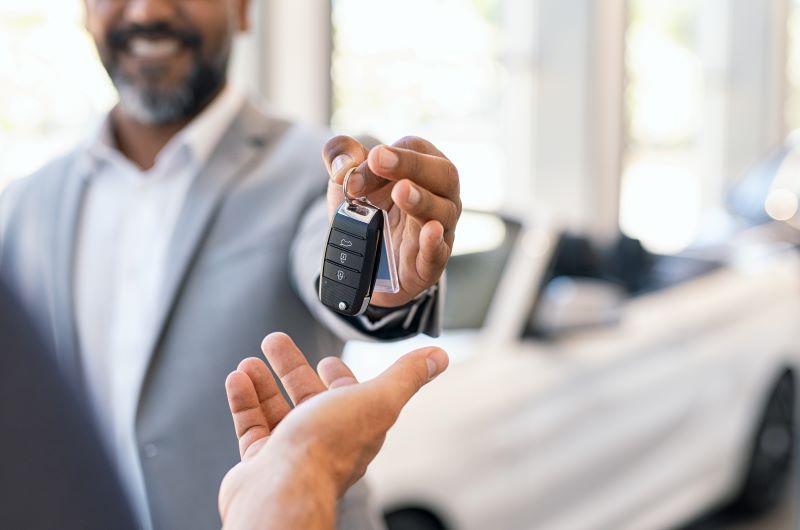
A practical car-buying decision test
If you still wonder, “does is it a good time to buy a car,” use this five-step test.
-
Review your budget
Add the payment, insurance, fuel, maintenance, parking, registration, and repairs. Try to leave room for emergencies.
-
Check your credit and loan options
A preapproval gives you a useful benchmark and helps you avoid focusing only on the dealer’s monthly payment.
-
Research the exact vehicle
Compare prices for the same trim, mileage, features, and condition. Two similar cars may have very different values.
-
Test the total deal
Ask for the out-the-door price. Then calculate the total amount paid over the life of the loan.
-
Give yourself permission to walk away
If the numbers do not work, leave. A good car deal should still make sense the next morning.
This process may take extra time, but it can prevent an expensive mistake. In my experience observing car-buying decisions, rushed buyers often focus on a small monthly payment and overlook thousands in added interest and fees.
Mistakes to avoid when buying a car
Even careful shoppers can make avoidable errors. The most common problems are simple: too little research, too much pressure, and unclear numbers.
Avoid these mistakes:
• Shopping without a firm total budget
• Choosing a car before checking insurance
• Skipping the test drive
• Buying a used car without an inspection
• Discussing only the monthly payment
• Accepting the first financing offer
• Rolling negative equity into a new loan
• Signing blank or incomplete paperwork
• Assuming every dealer fee is required
• Buying features you do not need
One lesson worth remembering is this: a salesperson may be friendly, but you are responsible for protecting your budget. Ask questions, slow down, and read every page before signing.
Frequently Asked Questions About Does Is It a Good Time to Buy a Car
Is it a good time to buy a car if interest rates are high?
It can be, especially if you need reliable transportation and can secure a payment that fits your budget. Compare lenders, make a larger down payment if practical, and avoid stretching the loan term too far.
Is it better to buy a car at the end of the month?
The end of the month may create more negotiating opportunities because dealers may be working toward sales targets. However, the final price still depends on inventory, demand, the model, and your financing.
Should I buy a new car or a used car?
A used car often costs less, while a new car usually offers stronger warranty protection and newer features. Compare the total ownership cost, including interest, insurance, repairs, fuel, and depreciation.
How much should I put down on a car?
There is no universal amount, but a larger down payment can reduce your loan balance and monthly payment. Keep enough cash for emergencies, taxes, registration, insurance, and upcoming maintenance.
Should I wait for car prices to drop?
Waiting may help if you do not need a car and current prices or rates are uncomfortable. It can hurt if your current vehicle needs major repairs, loses value quickly, or becomes unsafe.
Is buying a car better than leasing?
Buying may be better if you plan to keep the vehicle for many years and want to build equity. Leasing may offer a lower payment and a newer vehicle, but it includes mileage limits and does not usually give you ownership at the end.
What credit score is needed to buy a car?
There is no single minimum score. Many lenders work with different credit profiles, but stronger credit usually brings lower rates and better loan terms.
Conclusion
So, does is it a good time to buy a car? It can be, but the right time is based on your budget, vehicle needs, financing offer, and the complete out-the-door price.
Research the model, compare lenders, inspect used vehicles, and calculate the full cost of ownership. Do not let a low monthly payment hide a high total price. When the numbers work and the car meets your needs, you can buy with confidence instead of relying on market timing alone.
Use this checklist before your next dealership visit, and share your car-buying experience or questions in the comments.