

Car struts support the vehicle, control spring movement, and help the tires stay safely planted on the road.
If you have ever wondered what do struts do on a car, you are asking about one of the most important parts of the suspension system. Struts affect ride comfort, steering control, braking, tire wear, and safety. This guide explains how they work, how to spot trouble, and when replacement makes sense.
What Do Struts Do on a Car?
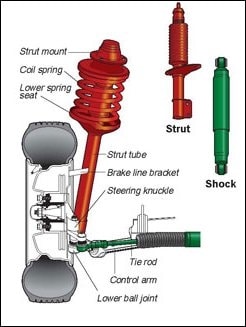
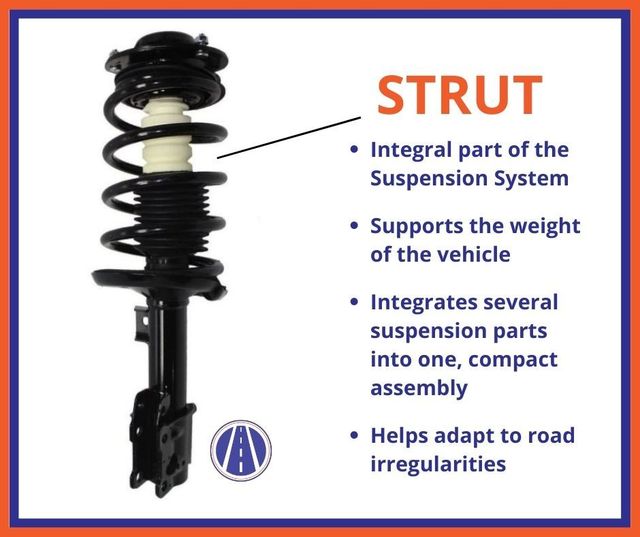
Struts are suspension parts that connect the vehicle body to the wheel assembly. They help carry the car’s weight and control the up-and-down motion caused by bumps, dips, and rough roads.
A typical strut assembly may include:
- A shock absorber
- A coil spring
- A strut mount
- A bearing or plate that allows the strut to turn
- A dust boot
- A bump stop
The shock absorber inside the strut controls spring movement. The spring holds the vehicle up, while the shock portion keeps that spring from bouncing again and again.
Think of a strut as both a leg and a damper for your car. The leg supports the car, and the damper keeps movement calm and controlled.
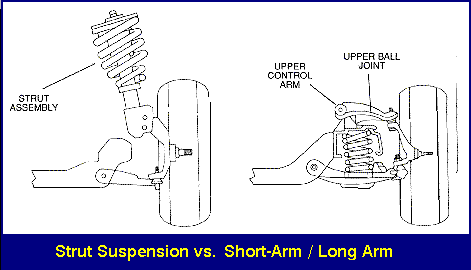
Many modern vehicles use MacPherson struts on the front suspension. This design saves space and combines several suspension jobs into one compact unit. Some cars also use struts at the rear, while others use separate shocks and springs.
When people ask what do struts do on a car, the simplest answer is that struts support the vehicle and control wheel movement. However, their role is broader than comfort alone. They also help maintain tire contact with the road during turns, braking, and acceleration.
How Car Struts Work
A strut works through a combination of spring force and hydraulic resistance. When a tire hits a bump, the spring compresses to absorb much of the impact. Without the shock absorber, the spring would keep bouncing like a pogo stick.
Inside the shock portion, a piston moves through hydraulic fluid. Small valves control how quickly the fluid passes from one side of the piston to the other. This resistance slows the spring’s movement.
The process usually looks like this:
- The tire strikes a bump.
- The coil spring compresses.
- The strut piston moves through hydraulic fluid.
- Internal valves resist that movement.
- The wheel settles back onto the road in a controlled way.
Struts work during both compression and rebound. Compression happens when the suspension moves upward. Rebound happens when the suspension returns after the spring has compressed.
Good struts do not make the road perfectly smooth. Instead, they prevent harsh impacts and repeated bouncing. They help the tire follow the road rather than losing contact with it.
This explains what do struts do on a car during normal driving. They manage suspension energy so the vehicle feels stable instead of loose, floaty, or difficult to control.
Why Struts Matter for Safety and Handling
Worn struts can affect more than ride comfort. They may increase stopping distance, reduce steering control, and make the car less stable in emergency situations.
A tire can only grip the road when it stays in contact with the road surface. If a weak strut allows the wheel to bounce, the tire may briefly lose contact. That can reduce braking and cornering performance.
Struts also help control:
- Body roll during turns
- Front-end dive during braking
- Rear-end lift during acceleration
- Wheel bounce after a bump
- Steering response
- Tire contact with the pavement
The effect may be small at first. You might notice only a soft ride or a slight delay in steering response. On wet roads, gravel, or during sudden braking, that small problem can become much more serious.
Vehicle safety agencies and suspension manufacturers commonly recommend inspecting suspension parts when handling changes, tires wear unevenly, or a vehicle begins to bounce. The exact inspection interval depends on the vehicle, road conditions, mileage, and driving habits.
If you frequently drive on pothole-filled roads, carry heavy loads, or tow a trailer, your struts may wear faster. A smooth highway commute is usually easier on suspension parts than rough city streets.

Symptoms of Bad or Worn Struts
Understanding what do struts do on a car makes failure symptoms easier to recognize. When struts lose their ability to control motion, the vehicle often gives clear warnings.
Common signs include:
Excessive bouncing
Push down firmly on one corner of the parked vehicle and release it. The car should rise and settle fairly quickly. Continued bouncing may point to weak struts, although this simple test cannot replace a full inspection.
Nose diving during braking
If the front of the car drops sharply when you brake, the front struts may not be controlling weight transfer well. Worn brakes, suspension bushings, or other parts can also cause this symptom.
Vehicle swaying in turns
A car with weak struts may lean more than usual in corners. It may also feel delayed or vague when you turn the steering wheel.
Uneven tire wear
Cupping or scalloping looks like a series of dips around the tire tread. It can result from worn struts, poor wheel balance, incorrect alignment, or damaged suspension parts.
Fluid leaking from the strut
A light film of oil may be normal on some designs, but heavy oil leaking down the strut body is a warning sign. A technician should inspect it before you decide on repairs.
Clunking or knocking sounds
A damaged strut mount, loose fastener, broken spring, or worn suspension joint can make a clunk. The sound does not prove the strut itself has failed.
Longer stopping or unstable braking
A vehicle that feels unsettled during braking needs prompt attention. The cause may be struts, tires, brakes, alignment, or several parts working together.
A common mistake is to replace struts based on one symptom alone. A careful diagnosis checks the entire suspension, steering system, tires, and alignment.
Struts vs. Shocks: What Is the Difference?
Many people use “struts” and “shocks” as if they mean the same thing. Both control suspension movement, but they do not always serve the same structural purpose.
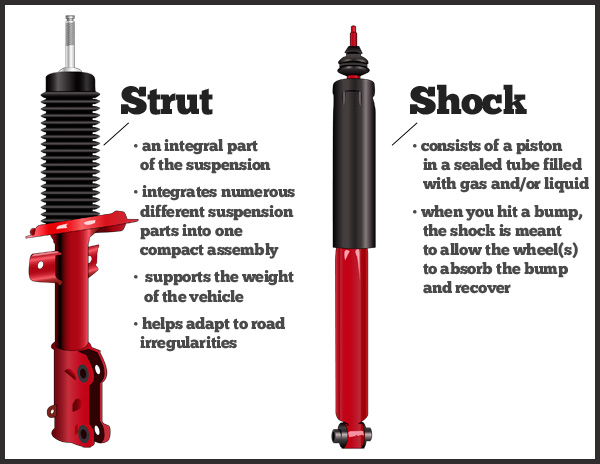
A shock absorber usually controls spring movement but does not support the vehicle’s weight or guide the wheel. A strut often combines the shock absorber with a structural suspension component.
The main differences are:
- A strut can be part of the vehicle’s steering and suspension geometry.
- A shock absorber usually performs only damping work.
- Replacing a strut may affect wheel alignment.
- Replacing a shock does not always require an alignment.
- Strut assemblies often include a spring and upper mount.
The design varies by vehicle. Some cars have front struts and rear shocks. Others use four struts or four separate shock absorbers.
When researching what do struts do on a car, always check the exact suspension design for your make and model. A repair guide for a 2018 Honda Civic may not apply to a 2018 Ford F-150.

What Causes Struts to Wear Out?
Struts wear through normal use. Every bump sends force through the spring, mount, shock absorber, and related joints.
Common causes of strut wear include:
- High mileage
- Potholes and rough roads
- Repeated heavy loads
- Towing
- Corrosion
- Broken coil springs
- Damaged strut mounts
- Contaminated or leaking hydraulic fluid
- Poor installation
- Collision damage
Age matters, too. Even a low-mileage vehicle may develop worn rubber mounts or corrosion if it sits outside in harsh weather.
There is no universal replacement mileage for every vehicle. Some struts last well beyond 80,000 miles, while others wear sooner. The best answer comes from inspection, vehicle history, driving conditions, and manufacturer guidance.
One practical lesson from suspension repairs is to avoid blaming every noise on the struts. A loose sway bar link can sound like a bad strut. A worn control arm bushing can cause poor handling. Accurate diagnosis prevents wasted money.

How to Check Your Struts
A basic visual check can help you decide whether professional inspection is needed. Park on a level surface, set the parking brake, and look behind the wheel if the design allows it.
Check for:
- Oil leaking from the strut body
- A broken or sagging coil spring
- Torn dust boots
- Damaged rubber mounts
- Uneven tire wear
- Bent suspension parts
- Rust or collision damage
You can also pay attention to changes while driving. Does the car bounce after a speed bump? Does it pull or wander? Does the steering feel loose? Do you hear a sharp clunk over small bumps?
The bounce test has limits. Modern struts may feel firm even when they are worn, and some suspension problems do not show during a driveway test. A trained technician can inspect mounting points, compare side-to-side movement, and test the vehicle on a lift.
Never place any part of your body under a vehicle supported only by a jack. Use properly rated jack stands and follow the vehicle service manual. If you are unsure, have a qualified shop perform the inspection.

Should You Replace One Strut or Both?
Struts on the same axle are usually replaced in pairs. If one front strut is weak, the other front strut may have similar age and wear.
Replacing both sides helps maintain balanced handling. It also prevents one new strut from working beside one old, weak strut.
A complete repair may involve more than the strut cartridge. Depending on the design, the technician may recommend replacing:
- Strut mounts
- Strut bearings
- Dust boots
- Bump stops
- Coil springs
- Spring insulators
Replacing worn related parts at the same time can prevent duplicate labor later. However, not every vehicle needs every part replaced. The correct choice depends on inspection and manufacturer procedures.
After front strut replacement, an alignment is often wise or required. The strut may be part of the steering geometry, and even a small position change can affect toe, camber, or steering wheel centering.
Ask for a written estimate that identifies the parts being replaced. It should also explain whether the price includes an alignment and whether the parts carry a warranty.
Can Bad Struts Damage Other Parts?
Yes, worn struts can contribute to extra wear, but they are not always the original cause of every suspension problem.
Poor damping may cause the tire to bounce and develop irregular tread wear. It can also place more stress on mounts, bushings, springs, and steering components.
Possible related problems include:
- Uneven or cupped tire wear
- Faster wear in suspension bushings
- Damage to strut mounts
- Reduced braking stability
- Alignment changes
- Extra stress on wheel bearings or steering parts
The risk depends on how badly the strut has failed and how long you continue driving. A minor loss of damping is different from a broken spring or a strut that has separated from its mount.
Do not ignore a loud clunk, severe pull, sudden ride-height change, or fluid leak after a collision. Those symptoms can indicate a safety issue that needs immediate inspection.
Strut Replacement Cost and Repair Tips
Strut replacement cost varies widely. The vehicle model, labor rates, part quality, location, and related repairs all affect the final price.
A basic estimate should account for:
- Parts for both sides of the axle
- Labor
- Strut mounts and hardware
- Alignment
- Rust removal or seized fasteners
- Broken springs or damaged suspension parts
Complete “quick strut” assemblies can simplify installation because they include the spring and mount. They may reduce labor time, but quality varies by brand. A bare strut may cost less at first but require spring compression and additional parts.
Ask these questions before approving the job:
- What evidence shows the struts are worn?
- Are both sides being replaced?
- Are the mounts, springs, and bump stops still safe?
- Is a wheel alignment included?
- What warranty covers the parts and labor?
A low quote is not always the best value. Cheap parts may produce poor ride quality or fail sooner, while the most expensive parts may not be necessary for every daily driver. Choose parts that meet the vehicle maker’s specifications and fit your driving needs.
Driving With Worn Struts
You may be able to drive a short distance with mildly worn struts, but the safest choice depends on the symptoms. A small loss of damping is less urgent than a broken spring, severe leak, or loose mount.
Avoid normal driving and arrange prompt inspection if:
- The vehicle bounces repeatedly
- Steering feels loose or unpredictable
- The car pulls sharply
- A tire loses contact over bumps
- A strut mount makes loud impacts
- A spring is broken
- The vehicle sits lower on one side
- Braking feels unstable
Driving slowly does not remove the risk. A sudden lane change, wet road, or emergency stop can expose a suspension problem that seemed harmless during normal trips.
If you must travel to a repair shop, keep the speed low, avoid heavy loads, leave extra stopping space, and choose smooth roads. Stop driving if the vehicle becomes difficult to control.
Frequently Asked Questions About What Do Struts Do on a Car
What do struts do on a car during braking?
Struts control how quickly the suspension moves when the vehicle’s weight shifts forward. Good struts help limit front-end dive and keep the tires more firmly connected to the road.
How long do car struts usually last?
Strut life varies with vehicle design, road quality, load, weather, and driving habits. Many last for tens of thousands of miles, but inspection is more reliable than using a fixed mileage rule.
Can bad struts affect wheel alignment?
Yes, worn or damaged strut parts can change suspension movement and tire contact. Replacing front struts can also alter alignment angles, so an alignment check is often recommended afterward.
Can I replace only one strut?
Technically, one strut can be replaced if the other side is new or in excellent condition. In most cases, replacing both struts on the same axle provides more even handling and wear.
Are struts and shocks the same thing?
Both parts control spring movement, but a strut often supports the vehicle and forms part of the suspension structure. A shock absorber usually provides damping without serving as a main structural link.
Is it safe to drive with leaking struts?
A light film may not show complete failure, but a heavy leak means the strut needs inspection. Driving with severely worn or damaged struts can reduce handling and braking stability.
Do new struts improve ride quality?
New struts can reduce bouncing, sway, harsh movement, and uneven tire response when the old parts are worn. They cannot correct unrelated problems such as bad tires, bent wheels, or worn control arm bushings.
Conclusion
Struts support your car, control spring movement, guide suspension motion, and help keep the tires connected to the road. They influence comfort, steering, braking, tire wear, and overall stability.
Watch for bouncing, nose diving, swaying, leaks, clunks, and uneven tire wear. If these signs appear, have the entire suspension inspected instead of guessing which part is at fault.
Understanding what do struts do on a car helps you make better repair choices and avoid unsafe delays. Schedule an inspection when handling changes, compare repair estimates carefully, and follow the service guidance for your vehicle.
