

No, you should not pump gas with the car on because fuel vapors can ignite near an active engine.
The question “can you pump gas with the car on” comes up often during cold mornings, hot days, and quick fuel stops. The safest answer is simple: turn the engine off, put the vehicle in Park, set the parking brake, and stay near the fuel pump. This advice follows standard gas station safety rules and helps reduce fire, movement, and static electricity risks.
Can You Pump Gas With the Car On?
You should not pump gas with the car on. Turn off the engine before removing the fuel cap or pressing the pump handle.
Gasoline gives off vapors that can catch fire when they meet a spark, flame, or hot surface. Your car’s engine bay contains many possible ignition sources, including electrical parts, hot exhaust parts, and moving components.
Most gas stations post signs that tell drivers to stop the engine. Some local fire codes and station policies also prohibit fueling while a vehicle is running. Even where a specific law does not apply, the practice remains unsafe and may violate the station’s rules.
When someone asks, “can you pump gas with the car on,” they may be thinking about convenience. However, saving a few minutes is not worth increasing the risk around liquid fuel and flammable vapor.

Why Should the Engine Be Off While Refueling?
The main concern is not that every running car will catch fire. The concern is that refueling creates a small area where gasoline vapor is present, and an ignition source can cause a serious fire.
Gasoline vapor is highly flammable
Gasoline vapor can spread around the fuel filler and pump nozzle. You may not see the vapor, but it can collect near the ground or move with the wind.
A spark can ignite the vapor quickly. Possible sources include:
• Electrical faults in the vehicle
• Static electricity from clothing or the car seat
• A hot engine or exhaust component
• A lighter, cigarette, or match
• Damaged wiring near the fuel system
• A spark from a loose or faulty fuel pump
Turning the engine off removes several active heat and electrical sources. It does not remove every possible risk, but it is one of the easiest safety steps you can take.
A running vehicle can move
An idling car may shift, roll, or lurch if the gear is not fully in Park. This risk is greater with manual transmissions, remote starters, faulty parking brakes, or driver confusion.
A vehicle that moves while the nozzle is in the fuel tank can pull on the hose. That may damage the pump, spill gasoline, or create a dangerous trip hazard.
This is another reason the answer to “can you pump gas with the car on” should be no. The engine does not need to run during a normal fuel stop.
Modern safety systems do not remove the risk
Modern vehicles have fuel vapor controls, automatic shutoffs, and sealed fuel systems. These features help limit emissions and reduce hazards, but they do not make running the engine during refueling safe.
Safety systems can fail. They can also be affected by damage, poor maintenance, or incorrect repairs. Good safety habits should not depend on every part working perfectly.

What Can Happen If You Pump Gas With the Car On?
The result may be harmless, but the possible outcomes can be serious. Understanding the risks helps explain why gas stations ask drivers to shut down the engine.
Fire from gasoline vapor
The most serious risk is a flash fire. Gasoline vapor can ignite without producing a large explosion. A brief flame can still cause burns, damage the vehicle, and spread to nearby fuel pumps.
Fire risk is higher if the vehicle has a fuel leak, damaged wiring, or an unusually hot engine. Cars with older fuel systems may also have worn hoses or loose connections.
Static electricity
Static electricity is a common concern during refueling. It can build up when you slide across a seat or wear certain clothing. Touching the pump nozzle or fuel filler area after creating a static charge may produce a spark.
For this reason, avoid getting back into the vehicle while fueling. If you must enter the car, touch a metal part of the vehicle away from the fuel filler before touching the nozzle again.
Static electricity can occur whether the engine is running or off. Turning off the engine is still required because it removes additional possible ignition sources.
Fuel spills
A running vehicle may distract the driver. You may focus on the engine sound, climate control, warning lights, or a passenger instead of watching the fuel nozzle.
A spill can damage paint, create slippery pavement, and release more vapor. If gasoline spills, stop fueling and notify station staff. Do not start the engine until the spill has been handled and the area is safe.
Damage to the fuel pump or vehicle
If a driver pulls away with the nozzle still in the tank, the hose may disconnect or the pump may suffer damage. Many modern pumps have breakaway fittings, but those fittings are not a guarantee against injury or a costly repair.
A moving car can also damage its own fuel door, filler neck, or body panel. Keeping the car off reduces the chance of an accidental departure.
Is It Ever Legal to Pump Gas With the Car On?
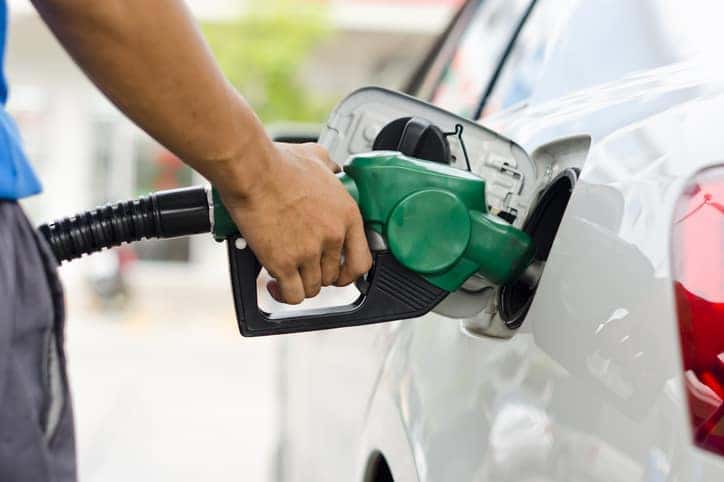
Rules vary by state, city, and gas station. In many places, the law or fire code requires the engine to be off during fueling. In other areas, the station’s posted rules still prohibit the practice even if the local law is less specific.
A station employee may ask you to stop fueling if your engine is running. You should follow that request immediately.
Some vehicles, such as emergency vehicles or certain commercial vehicles, may follow special operating procedures. Those exceptions do not apply to most private cars. If you are unsure, check the signs at the pump or ask the station manager.
The safest general rule remains the same: do not pump gas with the car on.
How to Refuel Safely
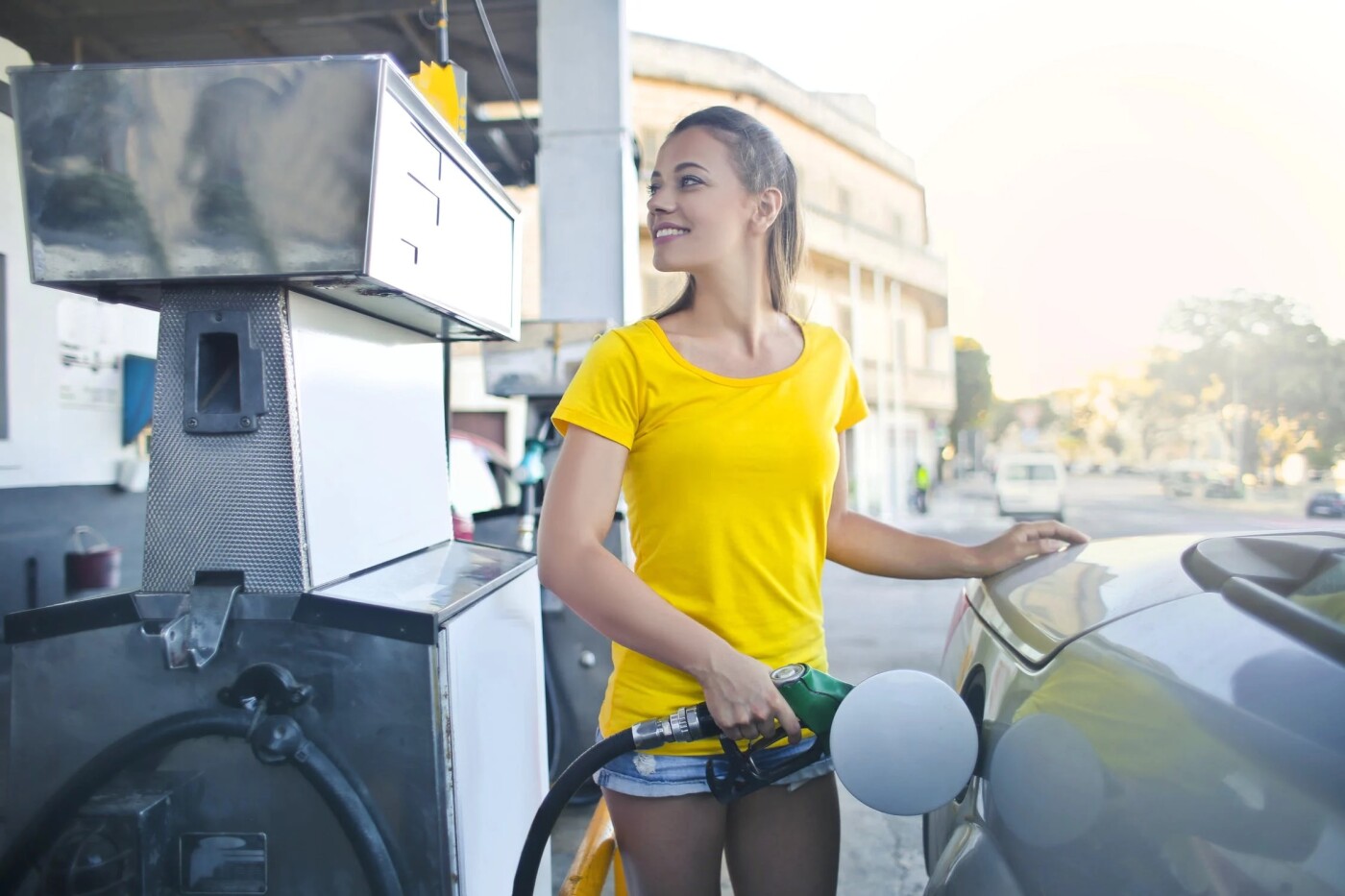
Safe fueling is easy when you follow the same steps each time. Treat the process like handling a hot pan: it only takes a few seconds of care to avoid a much bigger problem.
- Pull up close enough for the fuel door to reach the pump.
- Shift the vehicle into Park.
- Turn off the engine.
- Set the parking brake.
- Turn off cigarettes, cigars, and open flames.
- Open the fuel door and remove the gas cap.
- Select the correct fuel grade for your vehicle.
- Place the nozzle fully into the filler neck.
- Stay with the pump while fuel is flowing.
- Do not use your phone in a way that distracts you.
- Stop when the nozzle clicks off.
- Replace the fuel cap until it clicks or seals firmly.
- Return the nozzle to the pump.
- Check that the fuel door is closed before driving away.
Do not top off the tank after the nozzle stops. Adding more fuel can flood the filler area and may damage the vehicle’s vapor recovery system.
If fuel touches your skin, wash the area with soap and water. If gasoline gets into your eyes, rinse them with clean water and seek medical advice if irritation continues.

What About Cold Weather or Extreme Heat?
Cold weather does not make it safe to pump gas with the car on. You may want to keep the heater running, but the safer choice is to turn off the engine and stay outside for the short fueling period.
In extreme heat, air conditioning may seem necessary. Even so, leaving the engine running adds risk near gasoline vapor. Most fuel stops take only a few minutes, so turn the vehicle off and restart it after you finish.
If someone in the vehicle has a medical condition, plan ahead. A passenger may wait inside with the doors closed while the driver fuels, but the engine should still be off. Never leave a child or pet unattended in a vehicle, especially in hot or cold weather.

What If You Accidentally Pump Gas With the Car On?
Do not panic. If you realize the engine is running, stop the pump and turn off the engine right away.
Then check for obvious problems:
• Look for spilled fuel.
• Check for unusual smells or smoke.
• Make sure the nozzle and hose are not damaged.
• Tell the station employee if fuel spilled or equipment was pulled.
• Do not restart the vehicle if you see flames, smoke, or a large spill.
A single mistake does not mean the vehicle will catch fire. However, the correct response is to stop, remove the ignition source, and report any spill or equipment damage.
If a fire starts, move away from the pump and alert station staff. Use the emergency shutoff only if you can do so without moving toward the fire. Call 911 from a safe location.

Common Refueling Mistakes to Avoid
Many fueling problems happen because drivers rush. A few small habits can make a fuel stop much safer.
Leaving the engine running
This is the main mistake behind the question “can you pump gas with the car on.” Turn the key off or press the stop button before opening the fuel door.
Re-entering the vehicle
Getting back into the car can create static electricity. It also increases the chance that you will forget the nozzle or become distracted.
Smoking near the pump
Never smoke while fueling. Keep cigarettes, matches, lighters, and other flames away from the pump.
Using the wrong fuel
Most gasoline vehicles use regular, midgrade, or premium gasoline. Diesel vehicles require diesel fuel. Check the owner’s manual or fuel door label before filling the tank.
If you put diesel in a gasoline car, or gasoline in a diesel vehicle, do not start the engine. Tell station staff and contact roadside assistance.
Driving away with the nozzle attached
Before leaving, look at the pump and fuel door. Confirm that the nozzle is back in its holder and the cap is secure.
Does Turning Off the Car Save Fuel?
Turning off the engine during a normal fuel stop prevents unnecessary idling. The amount of fuel saved during a few minutes is small, but the habit can reduce waste over time.
The larger benefit is safety. When the engine is off, the car is less likely to move unexpectedly, and several active heat and electrical sources are removed.
There is no useful reason to leave a standard gasoline car running while you pump fuel. The engine will restart after the fueling process is complete.
What About Electric and Hybrid Vehicles?
Electric vehicles do not use gasoline, so you do not pump gas into them. However, you should follow the charging station’s instructions and use the vehicle’s Park setting before connecting the charger.
Hybrid vehicles can be confusing because the gasoline engine may shut off and restart automatically. If you are fueling a hybrid, turn the vehicle fully off and look for the ready or power indicator to disappear.
Do not assume a silent hybrid is off. A hybrid may be able to start its gasoline engine without warning. The answer to “can you pump gas with the car on” is still no for a hybrid that uses gasoline.
Frequently Asked Questions About Can You Pump Gas With the Car On
Can you pump gas with the car on if the vehicle is in Park?
You should not. Park helps prevent movement, but it does not remove heat, electrical, or ignition sources from a running engine.
Can you pump gas with the car on during winter?
No. Cold weather does not remove the danger from gasoline vapor. Turn off the engine, fuel the vehicle, and restart it when the nozzle is returned.
Can a car catch fire while pumping gas with the engine running?
Yes, although a fire is uncommon. Gasoline vapor can ignite if it meets a spark, flame, hot surface, or static discharge.
Should you turn off a hybrid before getting gas?
Yes. Turn the hybrid completely off and confirm that its ready indicator is no longer active. A quiet hybrid may still be able to start its gasoline engine.
What should you do if gasoline spills while fueling?
Stop fueling and tell the station employee at once. Keep away from flames and do not start the vehicle until the spill has been safely addressed.
Is it safe to use your phone while pumping gas?
A phone is not usually considered a major ignition source, but it can distract you. Keep your attention on the nozzle, fuel level, and surrounding area.
Conclusion
The safest answer to “can you pump gas with the car on” is no. Turn off the engine, set the parking brake, avoid smoking and static buildup, stay with the nozzle, and check the pump before driving away.
These steps take almost no time, yet they reduce the chance of fire, spills, vehicle movement, and equipment damage. Make engine-off fueling your normal habit, and share this simple safety rule with other drivers.