

No, most electric cars do not need oil changes because they use electric motors, not gasoline engines.
If you own an electric vehicle, you can skip one of the most familiar parts of gas car maintenance: engine oil service. Still, an EV is not maintenance-free. It has tires, brakes, coolant, cabin filters, battery systems, and other parts that need regular care. This guide explains exactly why electric cars do not need oil changes, what fluids they may use, and how to protect your vehicle for years.
Why electric cars do not need oil changes
To understand why do electric cars need oil changes is such a common question, it helps to compare the two powertrains.
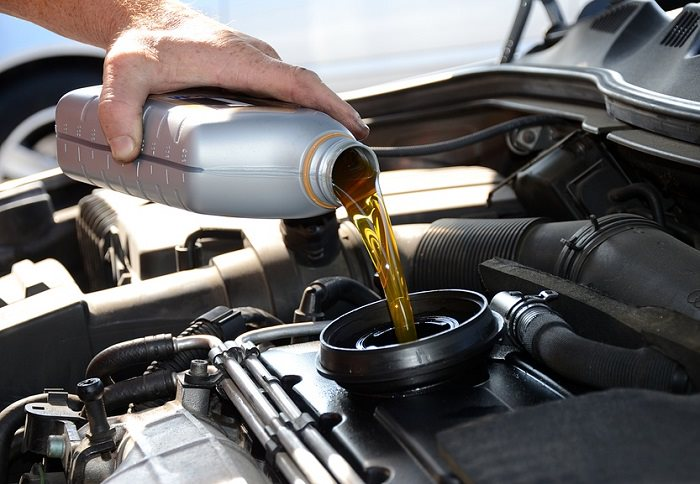
A gasoline car uses an internal combustion engine. Inside that engine, fuel burns to move pistons. Many fast-moving parts rub against each other. Engine oil reduces friction, carries heat away, and traps small particles. Over time, the oil breaks down and must be replaced.
A fully electric car works in a much simpler way. Electricity flows from the battery to an electric motor. The motor creates a magnetic field that turns the wheels through a simple drive unit.
Most EV motors do not have:
• Pistons
• Spark plugs
• Valves
• Timing belts or chains
• Engine cylinders
• Engine oil
• Oil filters
That is the main reason electric cars do not need oil changes. There is no traditional combustion engine that requires oil lubrication.
The motor and reduction gearbox may contain a small amount of special fluid. This fluid is not the same as the engine oil used in a gasoline car. It usually lasts much longer, and the manufacturer may not list a routine replacement interval.

Do electric cars use any oil or fluid?
The answer depends on what you mean by “oil.” A fully electric vehicle does not use engine oil, but it can use other fluids for cooling, lubrication, and braking.
Some common EV fluids include:
• Reduction gear fluid: This lubricates gears and bearings inside the drive unit.
• Battery coolant: This helps control battery temperature during charging and driving.
• Brake fluid: This transfers pressure from the brake pedal to the brake system.
• Windshield washer fluid: This cleans the windshield.
• Air conditioning refrigerant: This supports cabin heating and cooling.
• Grease: This may protect wheel bearings, hinges, seals, and suspension parts.
These fluids do not mean an EV needs regular oil changes. They serve different jobs and follow different service schedules.
Some manufacturers inspect drive unit fluid during routine service. Others may recommend changing it after a certain time, mileage, repair, or severe use. Always check the owner’s manual because EV designs vary.
For example, a vehicle used for towing, racing, repeated fast charging, or extreme heat may need closer inspection than one used for short daily trips.
What maintenance do electric cars need instead?
Although do electric cars need oil changes has a simple answer, EV maintenance still matters. It just focuses less on the engine and more on the battery, tires, brakes, software, and cooling systems.
A typical electric car maintenance plan may include the following:
Tire checks and rotations
EVs are often heavy because of their large battery packs. They also produce instant torque, which can wear tires quickly if you accelerate hard.
Check tire pressure at least once a month. Rotate the tires according to the vehicle’s manual. Replace them when the tread becomes too shallow or the sidewalls show damage.
Correct tire pressure can improve range, handling, comfort, and tire life.
Brake inspections
Electric vehicles use regenerative braking. When you lift your foot from the accelerator, the motor can act like a generator. It slows the car and sends some energy back to the battery.
This reduces the use of the friction brakes. As a result, EV brake pads and rotors may last much longer than those on gas cars.
However, less use can create a different problem. Brake rotors may develop surface rust, especially in wet climates. Drivers should use the regular brakes from time to time when safe. A service technician should also inspect the brake system.
Battery coolant checks
Many EVs use a liquid cooling system to manage battery temperature. The system may also cool the motor, inverter, and onboard charger.
Low coolant, a leak, or a failed pump can affect charging speed and vehicle performance. Never add random coolant. Use only the type approved for that vehicle.
Cabin air filter replacement
The cabin filter cleans air before it enters the passenger area. It can collect dust, pollen, smoke, and other particles.
Most drivers should replace it based on the service schedule or sooner in dusty areas. A clogged filter can reduce airflow and make the climate system work harder.
Software updates
Software controls many EV functions. Updates can improve charging, range estimates, safety features, and battery management.
Some updates arrive over the air. Others require a visit to a service center. Keep the vehicle connected to its approved network and install important updates promptly.
Electric car maintenance schedule
The correct schedule varies by brand and model. Some EVs need only an annual inspection. Others have service intervals based on time, mileage, or battery use.
Here is a general guide:
| Service item | Typical need |
|---|---|
| Engine oil and oil filter | Not required on a fully electric vehicle |
| Tire pressure | Check monthly |
| Tire rotation | Often every 5,000 to 8,000 miles, if listed by the manufacturer |
| Brake inspection | Usually during scheduled service |
| Brake fluid | Inspect regularly; replace by the vehicle schedule |
| Cabin air filter | Replace as listed in the owner’s manual |
| Battery coolant | Inspect or replace according to the manufacturer |
| Drive unit fluid | Inspect or replace only if specified |
| Wiper blades and washer fluid | Replace or refill as needed |
| High voltage battery check | Perform during scheduled service or when a warning appears |
| Software updates | Install when required |
These figures are general examples, not a substitute for the owner’s manual. Tesla, Ford, Chevrolet, Hyundai, Kia, Rivian, Volkswagen, Nissan, and other brands use different designs and schedules.
The safest approach is simple:
- Read the maintenance section of your owner’s manual.
- Follow the time and mileage intervals.
- Use an EV trained technician for high voltage work.
- Respond quickly to warning lights or charging problems.
- Keep records of inspections and repairs.

How EV maintenance differs from gas car maintenance
The question do electric cars need oil changes often comes from people comparing an EV with a gasoline car. The biggest difference is the number of moving parts.
A typical gasoline engine has hundreds of moving parts. It needs regular oil and filter changes because combustion creates heat, soot, acids, and microscopic wear material.
An electric motor has far fewer moving parts. It does not burn fuel inside the motor. That means there is no engine oil to become dirty from combustion.
EV owners may avoid several common services:
• Oil and filter changes
• Spark plug replacement
• Fuel filter replacement
• Exhaust system repairs
• Catalytic converter repairs
• Engine air intake service
• Timing belt replacement on some vehicles
• Emissions testing in areas where EVs are exempt
This can lower routine maintenance costs. However, EV repairs can be expensive when they involve the high voltage battery, power electronics, or specialized sensors.
An EV is not automatically cheaper to repair in every situation. Routine service may cost less, but a major battery or drive unit repair can cost more than a common gas car repair.

Do hybrids need oil changes?
Yes. Most hybrids still need oil changes.
A traditional hybrid combines a gasoline engine with one or more electric motors. The electric motor can handle some driving, but the gasoline engine still burns fuel. Therefore, it still needs engine oil and an oil filter.
Plug in hybrids also need oil changes. Even if you drive many miles on electric power, the vehicle still has a combustion engine. The owner’s manual may set a time based interval because oil can age even when the engine is used less often.
This distinction is important:
• Battery electric vehicle: No traditional engine oil change.
• Hybrid vehicle: Requires engine oil changes.
• Plug in hybrid vehicle: Requires engine oil changes.
• Gasoline vehicle with mild hybrid technology: Requires engine oil changes.
If you are unsure which type of vehicle you own, check the manual or look for an engine maintenance schedule.
:max_bytes(150000):strip_icc()/GettyImages-483730955-32a77f9d4495467ab85f50ab318919b9.jpg)
Do electric cars need transmission fluid?
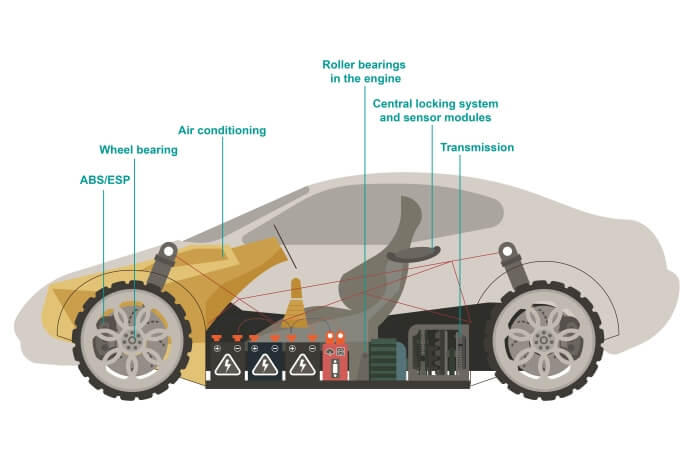
Some electric cars use a small reduction gearbox. It transfers motor power to the wheels and may contain a special lubricant.
This leads to another version of the question do electric cars need oil changes. The answer remains no for engine oil, but some EVs may need drive unit fluid service.
The fluid in an EV drive unit usually supports gears and bearings. It does not lubricate pistons or a multi gear automatic transmission.
Manufacturers handle this fluid in different ways:
• Some recommend inspection only.
• Some recommend replacement at a set mileage.
• Some recommend service after a drive unit repair.
• Some describe the fluid as long life but not truly permanent.
Do not assume “no oil change” means “never check any fluid.” Ask the dealer or a qualified EV technician to confirm the correct fluid and interval for your model.
Using the wrong fluid can damage seals, gears, or electric motor components.

Does skipping oil changes save money?
Yes, avoiding engine oil changes can reduce routine ownership costs. The savings come from both the service itself and the time spent visiting a repair shop.
A gas car may need several oil changes each year, depending on mileage and the manufacturer’s schedule. A fully electric car does not need that service.
EV drivers may also save on:
• Spark plugs
• Engine filters
• Exhaust repairs
• Transmission service on some models
• Engine belts
• Fuel system repairs
Still, the total cost of ownership depends on more than routine maintenance. Insurance, tire wear, electricity rates, depreciation, financing, and repair costs also matter.
Public fast charging can cost more than charging at home. Battery replacement is uncommon, but it can be costly outside warranty coverage. A fair comparison should include all ownership costs, not just oil service.
Common mistakes EV owners should avoid
Many new EV owners focus so much on battery range that they overlook basic maintenance. The following mistakes are common and easy to prevent.
Ignoring tire wear
Instant torque can wear the drive tires faster than expected. Check the tread and watch for uneven wear. A vehicle that pulls to one side may need an alignment.
Treating brake service as unnecessary
Regenerative braking reduces brake wear, but it does not eliminate the need for inspections. Rust, seized components, and old brake fluid can still create safety problems.
Using the wrong coolant
EV cooling systems may require a specific coolant with strict electrical and chemical properties. Do not top off the system with a random universal product.
Letting the battery sit at a very high charge
For daily use, many manufacturers suggest setting a charge limit below 100 percent. The exact limit varies by model. Follow the brand’s instructions, and charge to 100 percent when the manual recommends it for battery calibration or long trips.
Doing high voltage work at home
High voltage battery systems can be dangerous even when the car is turned off. Leave battery pack, inverter, and orange cable repairs to trained professionals.
Forgetting underbody damage
The battery pack often sits beneath the vehicle. After hitting road debris, a deep pothole, or standing water, have the underside inspected if you notice warning lights, leaks, unusual sounds, or charging problems.

My practical advice for new EV owners
When reviewing EV service plans and real owner reports, one lesson appears again and again: simple does not mean careless.
The owners who have the fewest problems usually follow a basic routine. They check tire pressure, keep charging equipment in good condition, install software updates, and use the maintenance schedule as a guide rather than ignoring it.
A useful monthly check takes only a few minutes:
- Check all four tires and the spare, if the car has one.
- Look for warning messages on the dashboard.
- Inspect the charging cable and plug for heat damage or cracks.
- Test the windshield washer fluid and wipers.
- Listen for new brake, tire, or suspension noises.
- Review the battery charge settings for your normal driving.
One mistake to avoid is paying for an oil change package simply because it appears on a generic service menu. Tell the service center that your vehicle is fully electric and ask for a model specific inspection.
If a shop cannot clearly explain why a fluid or service is needed, request the maintenance item and interval in writing. This small step can prevent unnecessary work.
When should an EV owner visit a service center?
You should schedule service when the vehicle reaches the time or mileage listed in the manual. You should also seek help sooner if the car shows signs of a problem.
Contact a qualified EV service center if you notice:
• A battery or high voltage warning
• A sudden drop in driving range
• Slower charging without an obvious cause
• A burning smell near the charge port
• A coolant leak
• New grinding or whining sounds
• Brake vibration or pulling
• Repeated charging interruptions
• Damage to the battery underbody area
• A warning that the vehicle cannot drive
Do not ignore a dashboard warning simply because the car still drives. EV systems communicate through sensors and software. Early diagnosis may prevent a small issue from becoming a major repair.
For high voltage problems, choose a technician with EV training and the correct diagnostic tools. A general repair shop may handle tires and basic brakes, but not every shop is equipped for battery system work.
Environmental benefits and limits of fewer oil changes
Fewer oil changes can reduce the use of engine oil, oil filters, packaging, and transportation. Used motor oil must be collected and recycled or disposed of correctly because it can contaminate soil and water.
That does not make every EV impact free. Battery production requires minerals, energy, and complex supply chains. Tire wear also matters because EVs can be heavy and powerful.
The cleanest ownership approach is to:
• Charge from lower carbon electricity when possible.
• Drive smoothly to reduce tire wear.
• Maintain correct tire pressure.
• Keep the vehicle for many years.
• Recycle the battery through an approved program at the end of its life.
The environmental picture depends on how the vehicle is made, charged, driven, and maintained. Still, eliminating routine engine oil changes is one clear benefit of a fully electric powertrain.
Frequently asked questions about do electric cars need oil changes
Do electric cars need oil changes every year?
No. Fully electric vehicles do not have gasoline engines, so they do not need engine oil or annual engine oil changes. They may still need annual inspections for tires, brakes, filters, coolant, and software.
Do electric cars have oil filters?
Most fully electric cars do not have engine oil filters because they do not use engine oil. Some drive units may use a fluid filter or screen, but this depends on the model and is not the same as a standard engine oil filter.
Do electric cars need transmission fluid changes?
Some EVs have a reduction gearbox with special fluid. The manufacturer may recommend checking or replacing it, so review the owner’s manual instead of assuming it lasts forever.
Do Tesla vehicles need oil changes?
Tesla vehicles do not need traditional engine oil changes because they use electric motors. They still require tire service, brake inspections, cabin filter replacement, brake fluid checks, and other model specific maintenance.
Do electric cars need coolant?
Many electric cars use coolant to control the temperature of the battery, motor, inverter, or charging system. The coolant level and condition should be handled according to the manufacturer’s instructions.
Are electric cars maintenance-free?
No. Electric cars usually need less routine maintenance, but they still require tire, brake, suspension, cooling, electrical, and software service. High voltage components also need qualified care.
Do plug in hybrid cars need oil changes?
Yes. A plug in hybrid still has a gasoline engine, even when it can travel many miles on battery power. Its engine oil and filter must be serviced according to the manufacturer’s schedule.
Conclusion
So, do electric cars need oil changes? A fully electric vehicle does not need traditional engine oil changes because it has no combustion engine, pistons, or engine oil system.
That does not mean you can ignore maintenance. Keep the tires properly inflated, inspect the brakes, replace the cabin filter, monitor coolant, install software updates, and follow the service plan for your exact model. Treat the battery and high voltage system with extra care, and use trained technicians for specialized repairs.
If you are comparing an EV with a gas car or hybrid, check the complete maintenance schedule and ownership costs. Explore your vehicle’s owner’s manual today, and share your EV maintenance questions or experience in the comments.