

A blown car fuse usually has a broken metal strip, but testing confirms the fault.
If you are wondering, “does how to tell if a car fuse is blown” require special tools, the answer is no in many cases. You can often find the problem with the fuse box diagram, a small flashlight, and a simple visual check. A multimeter or test light gives a more reliable result when the fuse looks normal.
This guide explains how to inspect, test, and replace an automotive fuse safely. It also covers common symptoms, mistakes to avoid, and what to do when a new fuse blows again.

What a car fuse does
A car fuse is a small safety device. It protects a circuit from too much electrical current. If a circuit draws more power than it should, the fuse melts and opens the circuit.
Think of a fuse as a weak link in a chain. It breaks before the wiring or electrical part suffers serious damage. This can prevent melted wires, damaged control modules, and even an electrical fire.
Modern vehicles may have several fuse panels. Common locations include:
• Under the dashboard near the driver’s knee
• Inside the engine compartment
• Behind a glove box or side trim panel
• In the rear cargo area
Your owner’s manual should show the fuse box location and the job of each fuse. The fuse cover may also have a diagram, but the manual is usually more complete.
When people search “does how to tell if a car fuse is blown,” they are often dealing with a dead radio, power window, interior light, or outlet. A fuse is a good first check because it is inexpensive and easy to test.
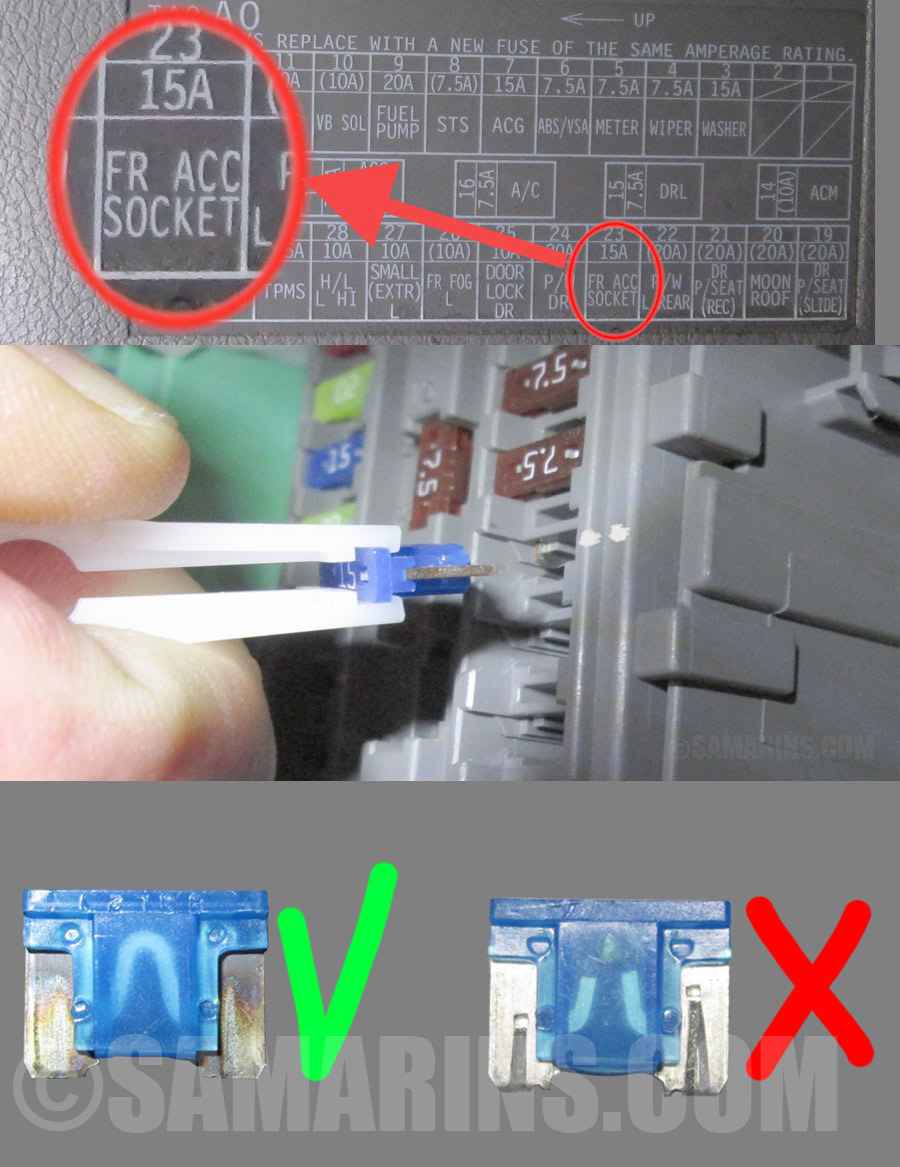
How to tell if a car fuse is blown by looking at it
The fastest method is a visual inspection. First, turn the vehicle off and remove the key. Open the correct fuse panel and compare the fuse with a new fuse of the same type.
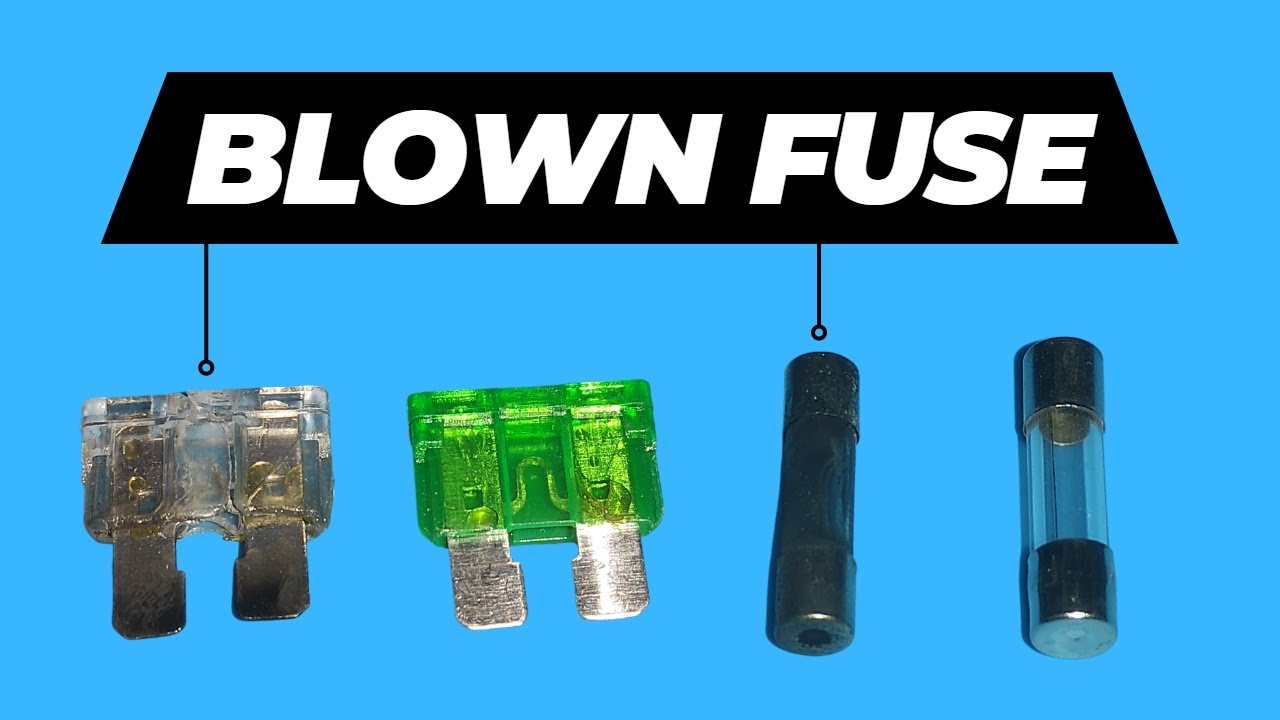
Most blade fuses have a clear plastic body. Inside, you will see a thin metal strip. The fuse may be blown if:
• The metal strip is broken
• You see a dark or cloudy mark inside the plastic
• The plastic body looks melted
• The fuse has burn marks or damaged terminals
A good fuse has a complete metal strip with no gap. Some blown fuses have a clear break that is easy to spot. Others fail near the terminal, where the damage is harder to see.
Good lighting matters. A flashlight can help you see through tinted plastic. Do not rely on color alone, because fuse colors identify their amp rating, not their condition.
This visual check often answers “does how to tell if a car fuse is blown” for a clearly damaged fuse. However, a fuse can fail without obvious signs. Testing is the better choice when the fuse looks normal.

How to test a car fuse with a multimeter
A digital multimeter gives a dependable answer. Set the meter to continuity mode or the lowest resistance setting. Continuity mode often makes a beep when electricity can pass through the fuse.
Follow these steps:
Switch off the ignition and all electrical accessories.
Remove the fuse with a fuse puller or small plastic pliers.
Touch one meter probe to each metal blade.
Check the display or listen for a beep.
A good fuse shows continuity or very low resistance.
A blown fuse shows no continuity or an open circuit.
Do not test the fuse while it is still connected to a powered circuit unless you know how to use the meter safely. Removing the fuse gives a clear result and prevents confusion from other electrical paths.
You can also test a fuse in place. Many blade fuses have two small metal test points on top. With the ignition in the correct position, touch the probe to each point. Both sides should show similar voltage on a powered circuit. Voltage on only one side usually means the fuse is open.
This method helps answer “does how to tell if a car fuse is blown” when a visual inspection is not enough. It also helps find a fuse that has a hairline break.
How to test a fuse with a test light
A test light is another useful tool. It can test many fuses without removing them.
Connect the test light clip to a clean metal ground. Turn the ignition on if the circuit requires ignition power. Touch the probe to both test points on the top of the fuse.
The results usually mean:
• The light turns on at both test points: The fuse is likely good.
• The light turns on at one test point only: The fuse is blown.
• The light stays off at both points: The circuit may not have power, or the ignition may be off.
This test has one limitation. Some circuits are only powered when a switch is turned on. For example, a power window fuse may not show power until the ignition is on and the window system is active.
A test light can also give a false result if its ground connection is poor. Touch the clip to clean, unpainted metal and confirm that the tool works before testing the fuse.
If you are still asking “does how to tell if a car fuse is blown” without a meter, a test light is often the next best tool. It is low cost and useful for basic vehicle troubleshooting.

Common signs of a blown automotive fuse
A blown fuse normally affects one circuit or a group of related components. The symptoms depend on the vehicle and the fuse location.
Common signs include:
• The radio or infotainment screen will not turn on.
• Interior lights stop working.
• One or more power windows become inactive.
• The 12 volt outlet has no power.
• The horn does not sound.
• Heated seats or mirrors stop working.
• The instrument panel loses power.
• The air conditioning controls do not respond.
• Tail lights, brake lights, or turn signals stop working.
One failed component does not always mean one blown fuse. For example, a brake light problem may come from a bulb, socket, wiring fault, switch, or fuse.
Some vehicles use several fuses for one system. A power window system may have a fuse, relay, control module, and separate motor circuit. That is why the fuse should be the first check, not the final diagnosis.
In my own electrical checks, I have seen drivers replace a radio fuse when the real problem was a loose battery terminal. Checking the fuse is smart, but a complete diagnosis looks at power, ground, wiring, and the component itself.

How to replace a blown car fuse safely
Replace a blown fuse only after identifying its correct rating and type. The amp rating is printed on the fuse and listed in the owner’s manual.
Use these steps:
Turn off the ignition and all accessories.
Remove the blown fuse with the correct puller.
Confirm the replacement has the same amp rating.
Install the new fuse in the same slot.
Turn on the affected system and check its operation.
Never install a larger fuse to stop repeated failures. If the original fuse is rated at 10 amps, do not use a 15 or 20 amp fuse. A larger fuse may allow the wiring to overheat before the fuse opens.
Do not replace a blade fuse with foil, wire, or another metal object. This removes the protection that the fuse provides. It can turn a small electrical fault into a costly and dangerous wiring failure.
The replacement should also match the fuse style. Low profile mini, mini, standard, and maxi fuses are not always interchangeable. The physical shape and amp rating must both be correct.
This is an important part of understanding “does how to tell if a car fuse is blown.” Finding the failed fuse is only half the job; replacing it correctly protects the vehicle.
Why does a car fuse keep blowing?
A new fuse that fails right away is sending a warning. The circuit may have a short circuit, damaged wire, failed motor, or defective electrical part.
Common causes include:
• A wire rubbed against sharp metal
• Water inside a connector
• A motor that is locked or drawing too much current
• An aftermarket stereo or accessory installed incorrectly
• A damaged trailer wiring harness
• A faulty relay or control module
• A bulb installed with the wrong part or damaged socket
If the replacement fuse blows as soon as you install it, stop replacing fuses. Remove the fuse and have the circuit tested. Repeatedly installing new fuses can damage wiring and increase safety risks.
A professional technician may use a wiring diagram, current clamp, circuit breaker, or short finder. The exact test depends on the vehicle and circuit. Modern cars can have sensitive electronic modules, so random probing can create new problems.
A useful real-world lesson is to check recent work first. If the fuse failed after a stereo installation, trailer connection, battery replacement, or water leak, that event may point to the cause.
Mistakes to avoid when checking a car fuse
Fuse testing is simple, but small mistakes can lead to the wrong diagnosis.
Avoid these common errors:
• Looking at the fuse in poor light
• Testing the wrong fuse
• Ignoring the fuse diagram
• Installing a fuse with a higher amp rating
• Using a metal tool that can short nearby terminals
• Pulling fuses while the vehicle is operating
• Assuming every electrical failure is a fuse problem
• Replacing a fuse without checking why it failed
Some vehicles have memory settings that can reset when power is removed. This may affect the radio clock, seat positions, or window calibration. Check the owner’s manual before disconnecting the battery or removing large fuses.
Also, do not touch orange high voltage cables in a hybrid or electric vehicle. Those systems require special training and safety procedures. A normal 12 volt fuse check is different from high voltage battery service.
When considering “does how to tell if a car fuse is blown,” remember that safety comes first. If you smell burning plastic, see smoke, find melted wiring, or hear repeated electrical buzzing, stop and seek professional help.
When a fuse is good but the device still does not work
A good fuse does not prove that the circuit is healthy. It only shows that the fuse element can carry current.
The problem may be:
• A burned-out bulb
• A failed switch
• A bad relay
• A loose ground
• A corroded connector
• A broken wire
• A failed motor
• A faulty body control module
• A discharged or weak battery
For example, if a horn does not work, the fuse may be good while the horn itself has failed. If one power window is dead, the window motor or switch may be the issue.
Start with simple checks. Confirm the battery has normal voltage, inspect visible wires and connectors, and test for power at the component. A wiring diagram can show where voltage should appear.
This limitation is why the question “does how to tell if a car fuse is blown” should not be treated as a complete repair guide. Fuse testing identifies one possible fault. It does not replace full electrical diagnosis.
How to choose the right replacement fuse
Automotive fuses come in different sizes and ratings. The most common blade types include mini, low profile mini, standard, and maxi. Older vehicles may use glass tube fuses or other designs.
Match these features:
• Fuse type
• Physical size
• Amp rating
• Manufacturer-approved specification
The amp rating is usually shown by a number and a color. For example, a 10 amp fuse is often red, but color standards can vary by fuse style and manufacturer. Always trust the printed rating and the vehicle manual.
Keep a small assortment of correctly rated spare fuses in the car. Many fuse kits include a puller, which makes removal easier and reduces the chance of damaging the fuse box.
Do not confuse a fuse with a relay. A relay is an electrically controlled switch. It can fail even when the fuse is good. A relay should be tested with the vehicle’s wiring information or replaced with a matching relay only when appropriate.
A simple fuse-check routine
You can use this routine whenever one electrical feature stops working:
Note exactly what stopped working.
Check whether other related features also failed.
Review the owner’s manual for the fuse location.
Turn off the ignition and accessories.
Inspect the fuse with a flashlight.
Test it with a multimeter or test light.
Replace it only with the same type and rating.
Test the vehicle system again.
If the fuse fails again, stop and diagnose the circuit.
Write down what you find. Notes can help a technician locate an intermittent problem, especially when the fuse fails only during rain, braking, turning, or use of a certain accessory.
This routine answers “does how to tell if a car fuse is blown” in a practical way. It is quick enough for roadside checks and careful enough for normal home troubleshooting.
Frequently Asked Questions
How can you tell if a car fuse is blown without removing it?
Look through the clear fuse body for a broken metal strip or dark burn mark. You can also use a test light on the two test points at the top of the fuse, if the circuit has power.
Can a car fuse look good but still be bad?
Yes. A small break may be hard to see, especially in a dark or tinted fuse. A continuity test with a multimeter is more reliable than visual inspection alone.
What happens if you put the wrong fuse in a car?
A fuse with a lower rating may fail too soon, while a fuse with a higher rating may allow dangerous current to flow through the wiring. Always use the same type and amp rating listed by the vehicle maker.
Why does my new car fuse blow immediately?
An immediate failure usually points to a short circuit, damaged wire, overloaded motor, bad component, or incorrect installation. Stop replacing the fuse and have the circuit tested.
Can a bad battery cause a fuse to blow?
A weak battery usually causes slow cranking or low system voltage rather than a blown fuse. However, charging faults, incorrect jump-start connections, or damaged battery cables can create electrical problems that affect fuses.
Where are car fuses usually located?
Most vehicles have a fuse panel under the dashboard and another in the engine compartment. Some models also have a panel in the trunk or cargo area, so check the owner’s manual.
Is it safe to check a car fuse while the engine is running?
It is safer to turn the vehicle off before removing or handling a fuse. Some voltage tests require the ignition on, but keep tools away from moving parts and follow the vehicle manual.
Conclusion
A blown car fuse often has a broken metal strip, but the most reliable answer comes from a multimeter or test light. Start with the fuse diagram, use the correct replacement rating, and never bypass a fuse with wire or foil.
If the new fuse blows again, treat it as a sign of a deeper electrical fault. Check simple causes first, but call a qualified technician when you find heat damage, smoke, melted wiring, or a high voltage system.
Now that you know does how to tell if a car fuse is blown, keep a fuse puller and correctly rated spare fuses in your vehicle. Use this guide during your next electrical check, and share your experience or questions in the comments.
