

Yes, you can touch up car paint at home if you match the color and prepare the damaged area well.
When people search “does how to touch up car paint,” they usually want to know if a small chip, scratch, or paint spot needs a body shop. In many cases, a careful DIY repair can protect the metal, slow rust, and make the damage far less visible. This guide explains how to touch up car paint with simple tools, realistic expectations, and proven steps used in professional refinishing.
What Does It Mean to Touch Up Car Paint?
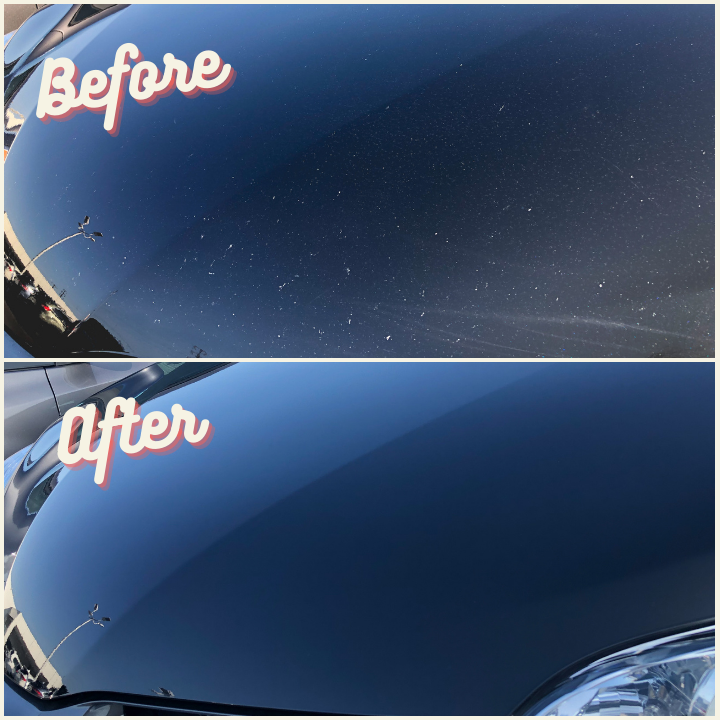
To touch up car paint means applying a small amount of matching paint to a damaged area. The repair may cover a stone chip, door-edge mark, light scratch, or small patch where the factory paint has come off.
A touch-up repair does not restore the whole panel. Instead, it fills the damaged spot and adds protection. Think of it as placing a small patch on a jacket. It can stop more damage, but it may not make the area completely invisible.


When researching “does how to touch up car paint,” it helps to understand the three main layers on most modern vehicles:
• Primer helps the paint bond to the metal or plastic.
• Basecoat provides the vehicle’s color.
• Clear coat adds gloss and helps protect the color from sunlight, water, and chemicals.
Some damage affects only the clear coat. Deeper marks may cut through the color and primer. If you can see bare metal, the repair should be completed soon because moisture can cause corrosion.
When Should You Touch Up Car Paint?
The best time to touch up car paint is when the damage is small, localized, and stable. Small chips and scratches are good candidates for a home repair.
You should consider professional repair when the damage is large, sharply creased, or spread across a full panel. A professional may also be the better choice when the paint is peeling, bubbling, or badly faded.
Use this simple guide:
• Light surface mark: Try polishing first.
• Small paint chip: Use a touch-up paint system.
• Scratch through the color: Use primer, color coat, and clear coat.
• Bare metal with rust: Remove the rust before applying paint.


• Large dent or peeling paint: Seek a body shop estimate.
The question “does how to touch up car paint” often comes from drivers who are unsure if a repair is worth doing. If the damage is smaller than a coin and the surrounding paint is sound, a DIY repair is often practical.
Do not use touch-up paint to hide active rust. Paint applied over rust may look better for a short time, but the corrosion can continue beneath the repair.
How to Find the Correct Car Paint Color
Color matching is the most important part of a successful touch-up repair. The color name alone is not enough. Most vehicles use a paint code that identifies the exact factory formula.
Look for the paint code in places such as:
• The driver-side doorjamb.
• The glove box or trunk area.
• The vehicle identification label.
• The owner’s manual.
• A dealership parts department.
The code may contain letters, numbers, or both. It is not always the same as the vehicle’s marketing color name. For example, “silver” may refer to several different factory formulas.
Paint can also fade over time. Sunlight, washing, road salt, and age may change the panel color slightly. For this reason, even the correct paint code may not create a perfect match on an older vehicle.
Buy paint from a reliable automotive supplier. Avoid general craft paint or hardware-store enamel. Automotive touch-up paint is designed to work with primer and clear coat systems used on vehicles.
If possible, compare the paint on a hidden area before repairing the visible chip. This small test can prevent a frustrating mismatch.
Tools and Materials You Need
A clean setup makes the process easier. You do not need a full body shop, but you do need the right materials.
Gather these items:
• Automotive touch-up paint matched to the paint code.
• Automotive primer for bare metal or plastic.


• Automotive clear coat.
• Car wash soap.
• Clean microfiber towels.
• Isopropyl alcohol or automotive panel cleaner.
• Fine polishing compound.
• Very fine sandpaper, such as 2,000 to 3,000 grit.
• Cotton swabs or a small artist brush.
• Toothpicks for tiny chips.
• Disposable gloves.
• Masking tape and clean paper.
• Good lighting.
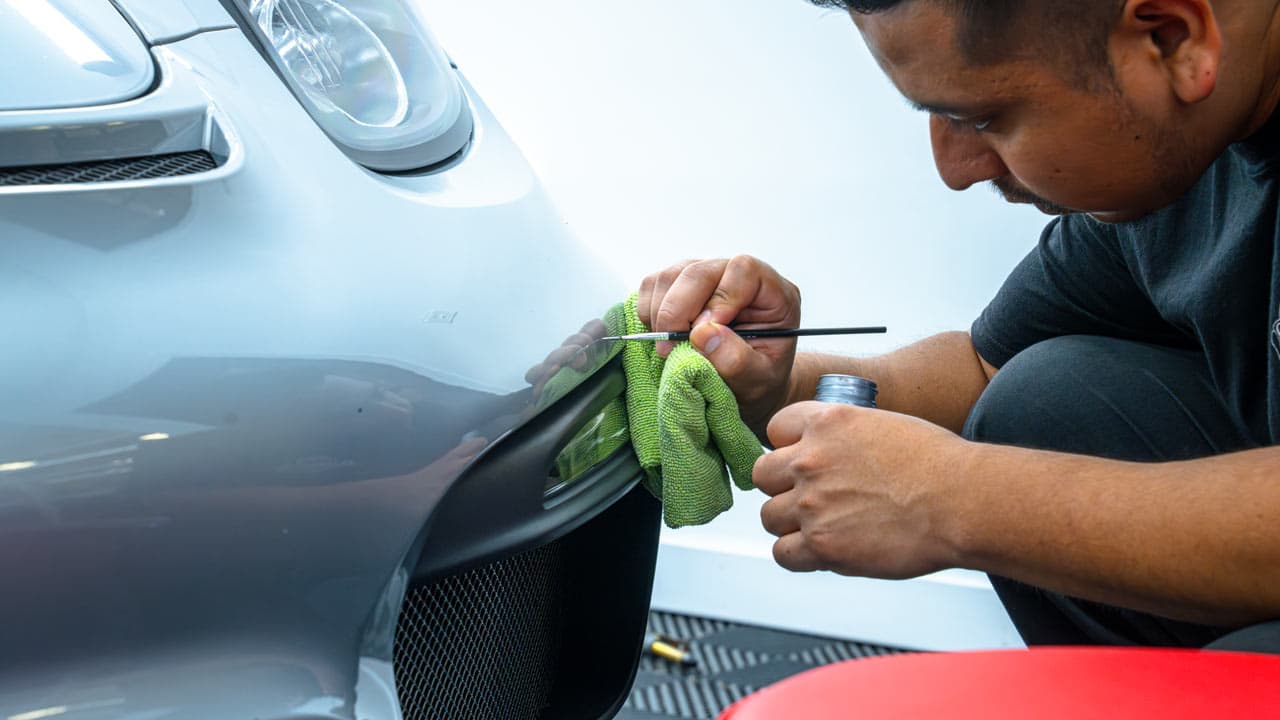
A paint pen works well for narrow scratches. A small brush or toothpick often gives better control on stone chips. Spray paint can work for larger areas, but it requires more skill and careful masking.
When asking “does how to touch up car paint,” many people focus only on the paint bottle. In practice, cleaning, lighting, and application control often matter just as much as the color itself.

How to Touch Up Car Paint Step by Step
1. Wash and Dry the Vehicle
Wash the damaged area with car wash soap and clean water. Remove wax, road film, grease, and dirt.
Dry the area with a microfiber towel. Never apply touch-up paint to a wet or dusty surface. Contamination can trap dirt under the repair and prevent the paint from bonding.
2. Inspect the Damage
Run a clean fingernail across the scratch. If your nail does not catch, the mark may be in the clear coat only. A polishing compound may remove or reduce it.
If your nail catches, the scratch is deeper. Look for exposed primer or bare metal. Check the edges for loose paint and remove only material that is already lifting.
3. Remove Rust
If the chip exposes metal and shows orange or brown corrosion, remove the rust before painting. Use a fine abrasive or a small rust-removal tool.
Work carefully. The goal is to clean the damaged spot, not enlarge it. Wipe away all residue, then allow the surface to dry fully.
4. Clean the Repair Area
Wipe the area with isopropyl alcohol or a suitable panel cleaner. Use a clean, lint-free cloth.


Do not touch the cleaned surface with your fingers. Skin oil can interfere with adhesion. This step is easy to skip, but it often separates a neat repair from a rough one.
5. Apply Primer if Needed
Apply primer only when the scratch reaches bare metal, plastic, or a deep exposed layer. Use a toothpick or very small brush to place a thin amount inside the damaged area.
Do not spread primer over a large section of good paint. Several thin coats are safer than one thick coat. Follow the product’s drying time before applying color.
6. Apply the Color Coat
Shake or mix the touch-up paint as directed. Metallic paint contains small particles that can settle, so proper mixing is important.
Use the smallest tool that can fill the damage:
• Use a toothpick for a tiny stone chip.
• Use a fine brush for a narrow scratch.
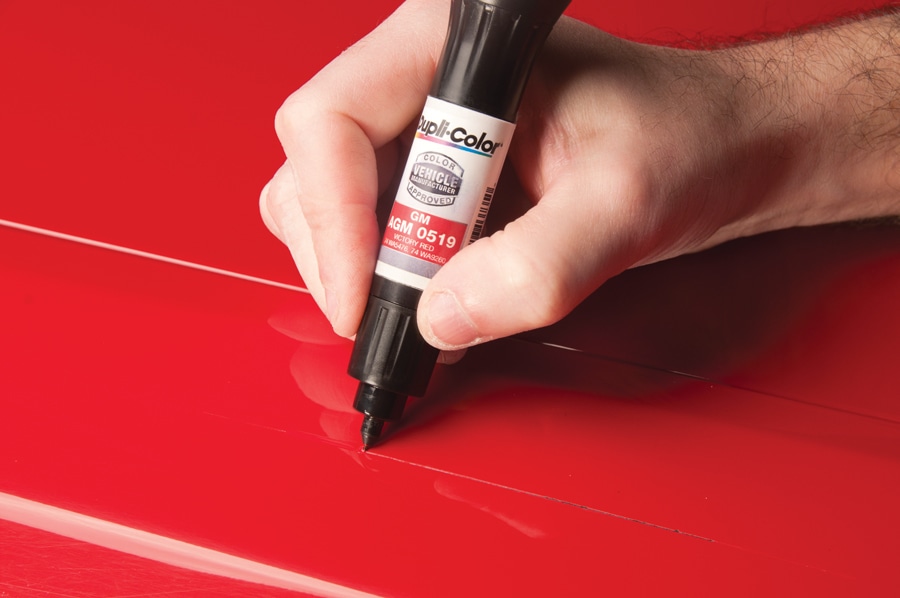
• Use a paint pen for a controlled line.
Apply a thin coat. The paint should fill the damaged spot without forming a raised blob. Allow the coat to dry, then add another thin coat if the primer still shows.
When explaining “does how to touch up car paint,” this is the step most people rush. Patience matters. A thin coat may look incomplete at first, but it usually produces a smoother result than one heavy application.
7. Add Clear Coat
After the color has dried according to the product instructions, apply clear coat. Use a very small amount and keep it inside or close to the repaired area.
Clear coat adds gloss and protection, but too much can create a visible bump. Follow the label because drying times vary between products.
8. Level and Polish the Repair
Allow the repair to cure fully. Depending on the product, this may take a day or longer.
If the touch-up spot sits slightly above the original surface, very lightly wet-sand it with fine sandpaper. Use a small block or your fingertip with care. Stop as soon as the surface feels level.
Finish with a mild polishing compound and a clean microfiber towel. Do not polish aggressively over fresh paint.


9. Protect the Area
Once the repair has cured, apply a gentle wax or paint sealant if the product instructions allow it. Protection helps reduce exposure to sunlight, water, and road contaminants.
Avoid automatic car washes, harsh chemicals, and pressure washing the repair until it has fully hardened.
Common Mistakes That Make Touch-Up Paint Look Worse
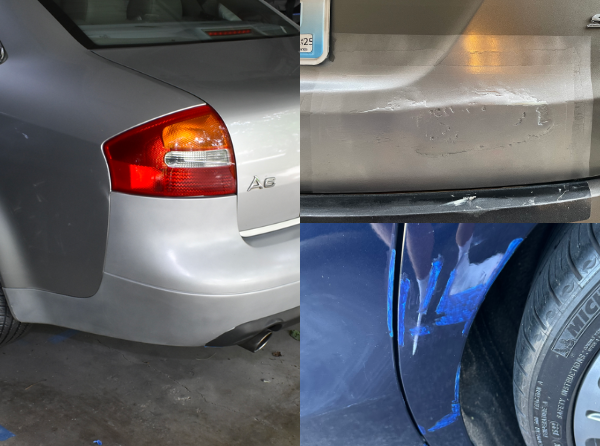
A poor touch-up job usually comes from rushing or using too much product. Small repairs require a light touch.
Avoid these common mistakes:
• Painting over dirt or wax.
• Using the wrong color code.
• Applying one thick coat.
• Skipping primer on bare metal.
• Touching the surface during drying.
• Sanding before the paint has cured.
• Using household paint.
• Applying clear coat too heavily.
• Working in direct sun or extreme heat.
• Repairing rust without removing it first.
Temperature and humidity also affect drying. Most products perform best in a clean, dry space with moderate temperature. Read the label because each paint system has its own limits.
One lesson I have learned from hands-on touch-up work is that preparation often takes longer than painting. A tiny chip may need only a few seconds of paint, but cleaning and curing determine how long the repair lasts.
Another mistake is expecting perfection from a small bottle. Factory paint is applied in controlled conditions with specialized equipment. A home repair can look very good, but it may remain visible at close range.
How to Make a Touch-Up Repair Look More Professional
Good results come from controlling the size, thickness, and edges of the repair.
Use these practical tips:
• Work in bright, indirect light.


• Clean the brush before each coat.
• Use a toothpick for very small chips.
• Keep the paint inside the damaged area.
• Build the repair with thin layers.
• Let each layer dry fully.
• Test the color in a hidden location.
• Polish only after complete curing.
For a scratch, paint from one end to the other with a steady motion. For a chip, place a tiny drop in the center and let it spread naturally. Avoid brushing back and forth many times because this can pull up partly dry paint.
If the paint looks darker, lighter, or more metallic than the panel, stop before adding more layers. The color may change as it dries, but a clear mismatch usually means the paint or application method needs review.
Does how to touch up car paint work better with a pen or brush? The answer depends on the damage. Pens are convenient for narrow lines, while brushes and toothpicks offer better control for small chips.

Touch-Up Paint Pens, Bottles, and Spray Paint
Each type of touch-up product has strengths and limits.
Paint Pens
Paint pens are simple and portable. They work well for thin scratches and small marks along door edges.
Their main weakness is flow control. Pressing too hard can release too much paint and create a thick line.
Brush Bottles
Brush bottles are useful for chips and small areas. They offer more control than many pens, especially when you use your own fine brush or toothpick.
The built-in brush may be too large for tiny damage. Clean the cap and brush after use to prevent dried paint from falling into the bottle.
Aerosol Spray Paint
Spray paint can cover larger areas, but it requires careful masking, smooth passes, and good ventilation. It is harder to blend than a small brush repair.
Never spray automotive paint in a closed room without proper ventilation and protective equipment. Follow the product safety label at all times.
How Long Does Touch-Up Paint Last?
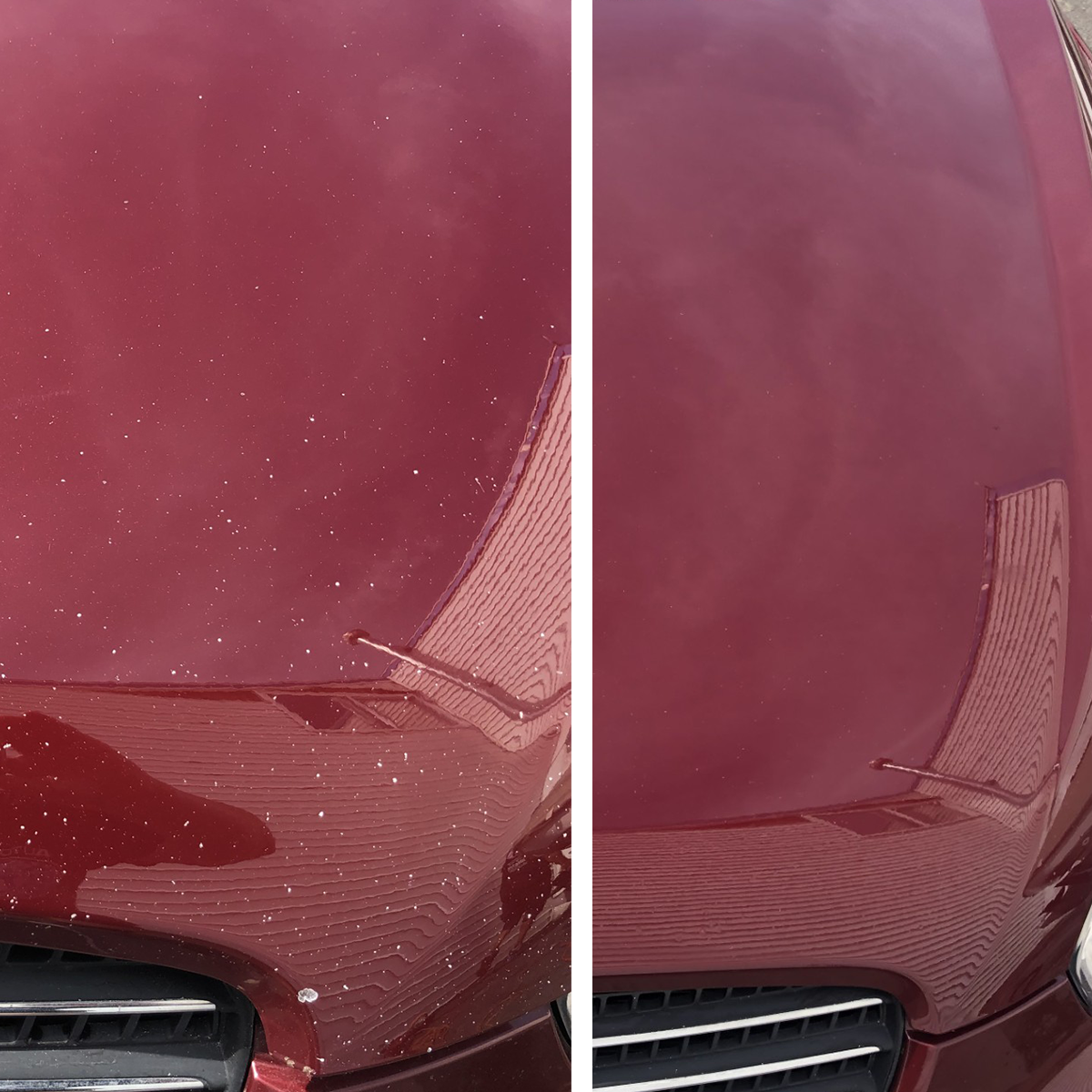
A well-prepared touch-up repair can last for years, but durability depends on the product, surface preparation, weather, washing habits, and the size of the damage.
A repair over clean, dry primer usually lasts longer than paint applied directly over bare metal or dirt. Clear coat also helps protect the color from ultraviolet light and moisture.
Touch-up paint is not a permanent substitute for a full refinishing job. It may fade differently from the original panel, especially on older vehicles. Inspect the area during normal washing and repair any new lifting, cracking, or rust early.
The search phrase “does how to touch up car paint” often suggests a quick fix. A proper touch-up is quick to apply, but it is not instant. Drying and curing time are part of the repair.

Safety and Environmental Considerations
Use automotive paint in a well-ventilated area. Wear gloves and avoid breathing fumes or spray mist. Keep paint away from children, pets, flames, and food.
Read the product safety label before use. Some products contain solvents that can irritate the skin, eyes, and lungs.
Dispose of leftover paint, solvent-soaked cloths, and empty containers according to local rules. Do not pour paint or cleaning chemicals into a drain or onto the ground.
If you are using aerosol products, wear suitable eye protection and follow the recommended mask guidance. A garage door being open may not provide enough ventilation for every product.
When to Hire a Professional
A professional body shop is usually the right choice when the damage is large or the finish must look perfect.
Get professional help when:
• The panel has a deep dent.
• Paint is peeling across a wide area.
• Rust has spread under the paint.
• The scratch crosses several body panels.
• The vehicle uses a complex pearl or tri-coat finish.
• The damaged area is near a body seam.
• You are preparing the vehicle for sale or an insurance claim.
Professionals can blend the color across a larger area and use controlled spray equipment. They can also repair plastic bumpers, aluminum panels, and corrosion more reliably.
A useful rule is simple: touch-up paint is best for protection and small cosmetic repairs. It is not the best answer for major damage or a flawless showroom finish.
Frequently Asked Questions About Does How to Touch Up Car Paint
Does how to touch up car paint work on deep scratches?
Yes, but deep scratches need more than color paint. If the scratch reaches metal or plastic, clean it, apply the correct primer, add color, and finish with clear coat.
Can I touch up car paint without sanding?
Sometimes. Very small chips may not need sanding if the surface is clean and stable. Sanding may be needed to remove rust, smooth raised edges, or level a cured repair.
How do I match my car’s paint color?
Find the factory paint code on the vehicle identification label, often located in the doorjamb, trunk, or glove box. Use that code when buying automotive touch-up paint.
How many coats of touch-up paint should I use?
Use enough thin coats to cover the primer and match the surrounding color. Two or three light coats are often better than one thick coat, but always follow the product instructions.
Should I use clear coat over touch-up paint?
Clear coat is usually helpful when the original finish has a clear coat. It adds gloss and protection, but it must be applied after the color coat has dried as directed.
Can I wash my car after touching up the paint?
Wait until the paint has cured according to the product label before washing the area. Avoid pressure washing and strong chemicals until the repair is fully hardened.
Is touch-up paint permanent?
It can last for years when applied to a clean, prepared surface and protected with clear coat. However, it may fade or remain visible because factory paint is applied under controlled conditions.
Conclusion
Touching up car paint is a practical way to repair small chips and scratches before they lead to rust or worsen. The key steps are simple: find the correct paint code, clean the damage, remove rust, apply thin layers, allow proper drying time, and use clear coat when appropriate.
Keep your expectations realistic. A careful DIY repair can protect your vehicle and make small damage much less noticeable, but large or complex repairs are better handled by a professional. Gather the right supplies, work slowly, and share your results or questions in the comments.