

To start a car, sit safely, press the brake, select Park, and turn the key or press the start button.
If you are searching “does how to start a car,” you likely want a clear answer without confusing car terms. The basic steps are simple, but the right method depends on whether your vehicle uses a key, push-button ignition, manual transmission, hybrid power, or a smart key. This guide explains each method, common mistakes, safety checks, and what to do when the engine will not start.
How to Start a Car With a Key
Starting a car with a traditional key is easy once you know what each position does. Most ignition switches have four settings:
• Lock: The steering wheel and ignition are off.
• Accessory: Electrical items such as the radio may work, but the engine is off.
• On: The car’s systems turn on, and dashboard warning lights appear.
• Start: The starter motor turns the engine until it runs.
Follow these steps:
- Sit in the driver’s seat and adjust the seat and mirrors.
- Put your foot firmly on the brake pedal.
- Make sure an automatic transmission is in Park.
- Insert the key into the ignition.
- Turn the key to the Start position.
- Release the key as soon as the engine starts.
Do not hold the key in the Start position for a long time. The starter motor is designed for short use. If the engine does not start after about 10 seconds, stop and wait for 30 seconds before trying again.
A gas engine may take a moment to start in very cold weather. Older vehicles may also need more time than newer vehicles with modern fuel injection. Never pump the accelerator in a modern fuel-injected car unless the owner’s manual specifically recommends it.
How to Start a Car With a Push Button
Push-button ignition is common in newer cars. It may look different, but the basic process remains the same. The car must detect the key fob before it allows the engine to start.
Here is how to start a car with a push button:
- Keep the key fob inside the vehicle.
- Sit in the driver’s seat.
- Press the brake pedal firmly.
- Confirm that the gear selector is in Park.
- Press the Engine Start/Stop button once.
- Check the dashboard for normal warning lights and engine information.
Some vehicles use a clutch pedal instead of a brake pedal. In a manual car, press the clutch fully before pushing the Start button. The vehicle may not start if the clutch is not pressed all the way down.
If the engine starts, you may see a green or white “Ready” message. In some quiet cars, especially hybrids, you may not hear the engine. Look for the dashboard indicator before moving.
If the key fob battery is weak, hold the fob close to the Start button or place it in the backup detection area. The exact location varies, so check the owner’s manual.
How to Start an Automatic Car
Automatic transmissions make starting a car fairly simple. The safety system usually allows the engine to start only when the selector is in Park or Neutral.
Use this process:
- Keep your right foot on the brake.
- Check that the gear selector shows P.
- Start the engine with the key or button.
- Keep your foot on the brake after the engine starts.
- Move the selector to Drive or Reverse.
- Release the parking brake if needed.
- Look around the vehicle before moving.
Some drivers shift into Neutral when a car will not start in Park. This can help if the Park switch is not detecting the gear position correctly. However, do not force the selector or guess if the car behaves strangely.
Always make sure the vehicle is in Park before turning the engine off. Leaving an automatic vehicle in another gear can create a safety risk, especially on a slope.
How to Start a Manual Car
A manual car needs extra care because the engine connects to the wheels through the clutch. If the clutch is not pressed, the car may move or the starter may not work.
To start a manual transmission vehicle:
- Sit with your left foot near the clutch pedal.
- Press the clutch fully to the floor.
- Press the brake pedal if the vehicle is on a slope.
- Confirm the gear lever is in Neutral.
- Turn the key or press the Start button.
- Keep the clutch pressed while the engine starts.
- Select first gear only when you are ready to move.
New drivers often release the clutch too fast. That can make the car jerk or stall. Think of the clutch as a dimmer switch for power. Lift it slowly until you feel the engagement point, then add gentle pressure to the accelerator.
Some manual cars can start without the clutch pressed, but this varies by model. Never assume it is safe. Modern vehicles often include a clutch safety switch to prevent accidental movement.

How to Start a Hybrid or Electric Car
Starting a hybrid car may feel unusual because the gasoline engine can remain silent. The vehicle may still be fully ready to drive.
For a hybrid:
- Place the key fob inside the car.
- Press the brake pedal.
- Put the transmission in Park.
- Press the Start button.
- Look for a “Ready” light or message.
- Keep your foot on the brake before selecting Drive.
A hybrid may start its electric motor first and turn on the gasoline engine later. This is normal. Do not rely on engine noise to decide whether the car is running.
A fully electric car also uses a Ready indicator instead of engine sound. Check the battery charge and dashboard before driving. If the Ready light does not appear, the vehicle may not be active even if the screens are on.
These cars still need a working 12-volt battery for many basic systems. A high-voltage battery can have charge while the small 12-volt battery is weak, so the car may still fail to start.

Safety Checks Before Starting a Car
Knowing does how to start a car is only part of the process. Safe preparation matters just as much as turning the key.
Before starting, check these points:
• Make sure you are seated correctly and can reach the pedals.
• Fasten your seat belt.
• Remove loose items from the pedals and floor.
• Check that the parking brake is engaged when appropriate.
• Confirm the transmission is in Park or Neutral.
• Look around the car for children, pets, objects, and other vehicles.
• Make sure the garage door is open if the engine will run inside a garage.
Never warm up a gasoline car inside a closed garage. Carbon monoxide is a colorless, odorless gas that can build up quickly and cause serious injury or death. Even with the garage door open, moving the car outdoors is the safest option.
Avoid starting a car if you smell strong fuel, see leaking gasoline, or notice smoke under the hood. Turn the vehicle off, move away from flames, and seek professional help.

What to Do When the Car Will Not Start
The phrase does how to start a car often leads to a second question: what if the normal steps do not work? First, observe what happens when you turn the key or press the button.
The car makes a clicking sound
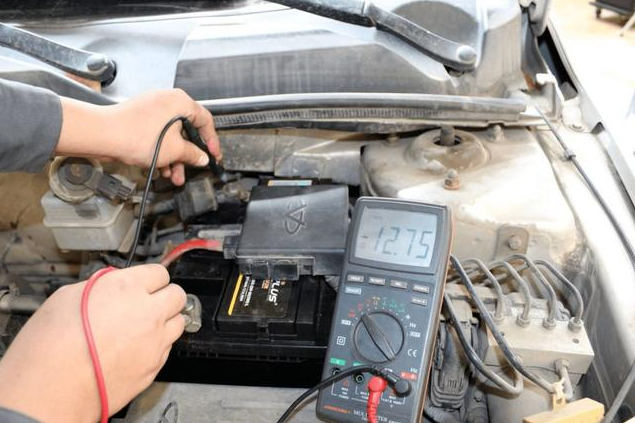
One click or repeated rapid clicks often point to a weak battery, poor battery connection, or starter problem. Turn off lights and accessories, then try once more.
If the lights are very dim, the battery may be discharged. A jump-start may help, but use the correct procedure in the owner’s manual. Some newer cars have special jump points or battery locations.
The engine cranks but does not start
If the starter turns the engine but it never runs, the problem may involve fuel, ignition, air, or engine electronics. Check that you have fuel and that the key or fob is recognized.
Do not keep cranking for long periods. Repeated attempts can drain the battery and may overheat the starter.
Nothing happens
Check these basic items:
• Is the key fob inside the car?
• Is the brake pedal pressed firmly?
• Is the automatic transmission in Park?
• Is the manual transmission in Neutral with the clutch pressed?
• Is the battery completely dead?
• Is the steering wheel locked against the key?
If the steering wheel is tight, gently move it left and right while turning the key. Do not use excessive force.
The engine starts and then stops
This may happen because of a weak battery, an immobilizer issue, low fuel pressure, or another fault. Look for warning lights and messages. If the security light flashes, the vehicle may not recognize the key.
A professional inspection is the safest next step when simple checks do not solve the problem.

How to Jump-Start a Car Safely
A jump-start can help when a battery is weak. However, incorrect cable placement can damage electronics or cause sparks.
Before connecting cables:
• Use a vehicle with a similar battery voltage.
• Turn both vehicles off.
• Keep the vehicles from touching.
• Put both transmissions in Park, or Neutral for a manual vehicle.
• Engage both parking brakes.
Connect the cables in this order:
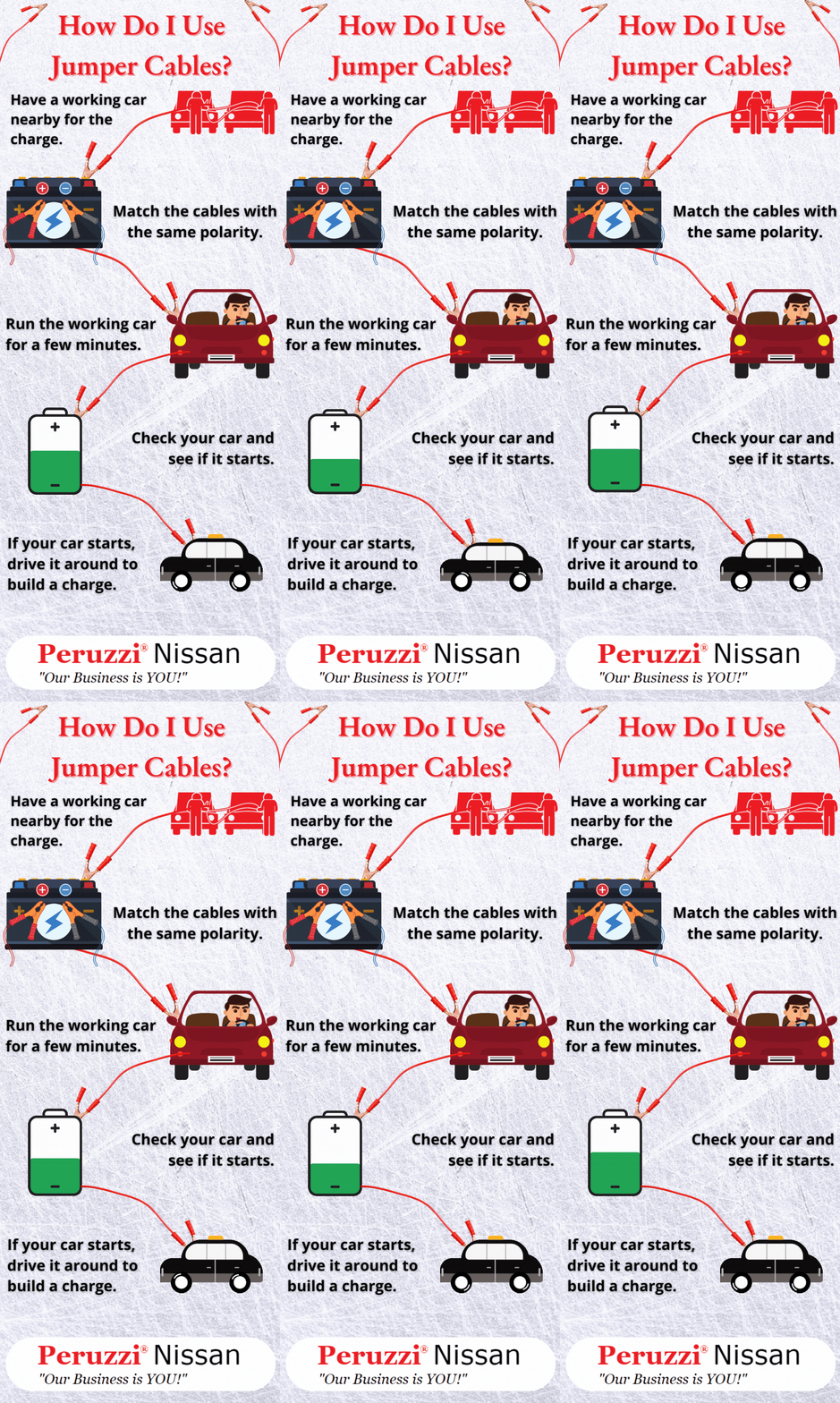
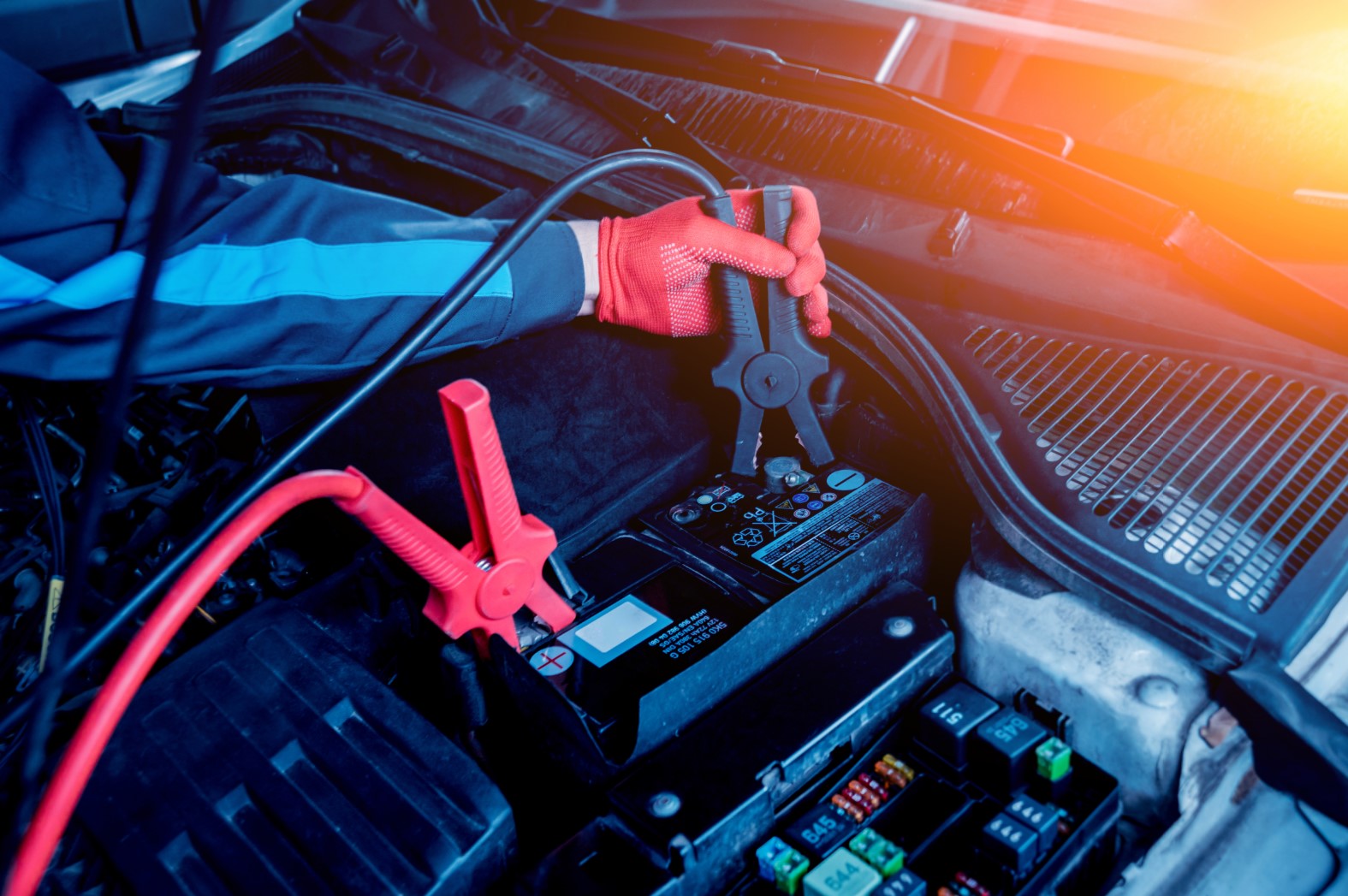
- Red clamp to the positive terminal of the dead battery.
- Other red clamp to the positive terminal of the good battery.
- Black clamp to the negative terminal of the good battery.
- Other black clamp to an unpainted metal ground on the disabled vehicle.
Start the working vehicle first. Wait a few minutes, then try starting the disabled vehicle. If it starts, remove the cables in reverse order.
Some vehicles should not be jump-started in the usual way. Hybrid cars, luxury cars, and vehicles with hidden batteries may require special connection points. Always follow the vehicle manual.
Do not jump-start a battery that is cracked, swollen, leaking, or frozen. Call roadside assistance instead.
Common Mistakes to Avoid
Learning does how to start a car becomes easier when you know what not to do. Small mistakes can drain the battery or create a safety problem.
Avoid these errors:
• Pressing the accelerator repeatedly in a modern fuel-injected car.
• Holding the key in the Start position for too long.
• Starting an automatic car without pressing the brake.
• Starting a manual car without pressing the clutch.
• Ignoring the gear position.
• Using the wrong jump-start connection.
• Driving before checking mirrors and blind spots.
• Assuming a silent hybrid is turned off.
• Leaving the key fob outside the vehicle.
• Continuing to drive with serious warning lights.
One practical lesson applies to almost every vehicle: slow down and read the dashboard. Warning lights are not decorations. They are the car’s way of speaking to you.
Dashboard Lights to Check After Starting
A few warning lights may appear briefly when you turn the ignition on. This is part of the vehicle’s self-test. Many lights should turn off after the engine starts.
Pay attention if these remain illuminated:
• Red oil pressure light: Stop the engine as soon as it is safe. Continuing to run the engine may cause severe damage.
• Red temperature light: The engine may be overheating. Turn it off and let it cool.
• Battery light: The charging system may not be working.
• Check engine light: The car has detected an engine or emissions issue.
• Brake warning light: The parking brake may be engaged, or the brake system may need attention.
• Airbag light: A safety system fault may exist.
A flashing check engine light is more urgent than a steady one. It can indicate a condition that may damage the catalytic converter or engine. Reduce driving and seek service promptly.
Expert Tips for New Drivers
The best answer to does how to start a car includes habits that protect both you and the vehicle.
• Learn the exact starting method in the owner’s manual.
• Practice in a safe, open area.
• Keep the key fob battery fresh.
• Have the car battery tested before winter.
• Learn where the emergency brake and hazard lights are.
• Keep a phone charger, flashlight, and roadside kit in the vehicle.
• Do not ignore slow cranking or repeated starting trouble.
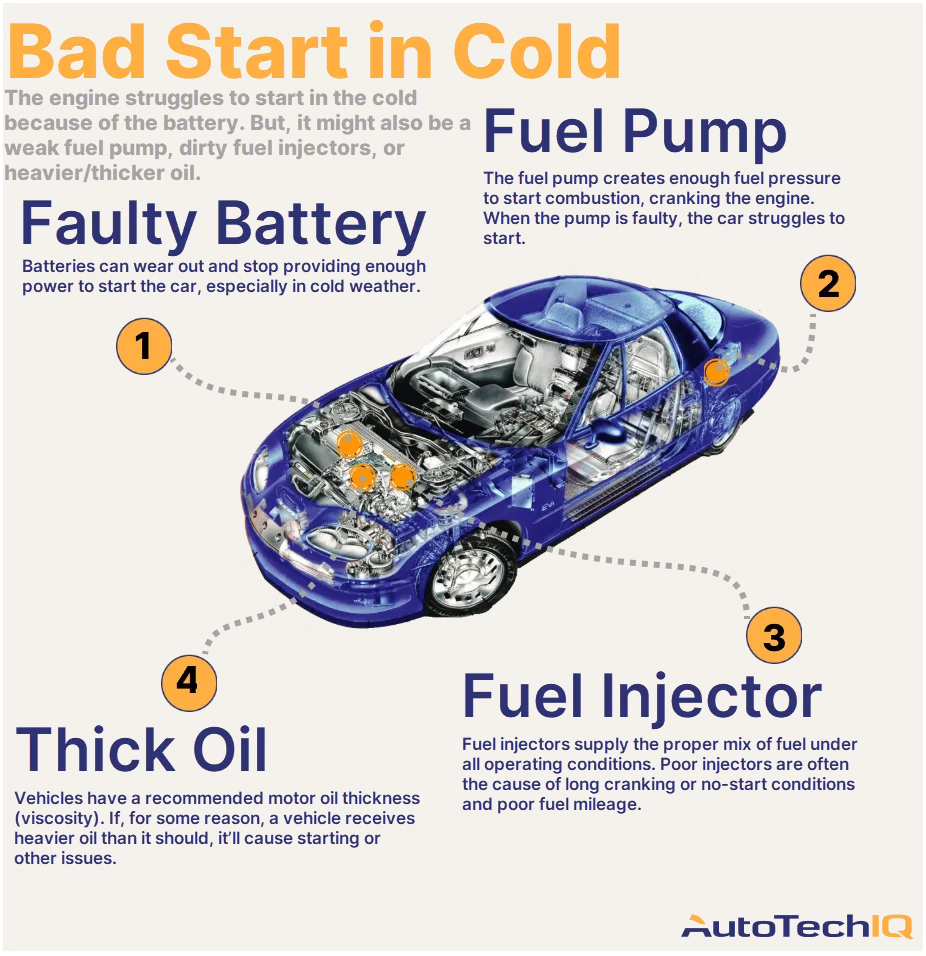
A car that cranks more slowly than usual may be warning you about a weak battery. Cold weather can reduce battery performance, so a vehicle that starts normally in summer may struggle in winter.
It is also useful to learn the difference between “engine off,” “accessory mode,” and “vehicle ready.” Many newer vehicles can power screens and radios without starting the engine. That can drain the 12-volt battery if left on too long.
Frequently Asked Questions About How to Start a Car
How do you start a car for the first time?
Press the brake, place an automatic transmission in Park, and turn the key or press the Start button. For a manual car, press the clutch and confirm the gear selector is in Neutral.
Why will my car not start when I press the button?
The brake or clutch may not be pressed, the key fob may not be detected, or the battery may be weak. Check the dashboard message and try the backup key-fob detection position listed in the owner’s manual.
Should I press the gas when starting a car?
Most modern fuel-injected cars do not need accelerator input. Pressing the gas can make starting harder and may flood some older engines.
Can I start an automatic car in Neutral?
Many automatic cars can start in Neutral, but they normally start in Park. Keep your foot on the brake and use Neutral only when the vehicle’s instructions allow it.
How long should I turn the key to start the engine?
Turn the key for about 10 seconds at most, then stop and wait before trying again. Long cranking can drain the battery and overheat the starter.
How do I start a car with a dead battery?
Use a compatible jump starter or jumper cables connected in the correct order. Do not attempt this if the battery is damaged, leaking, or frozen.
Why does my hybrid start without making noise?
Hybrid vehicles can begin operation with the electric motor, so the gasoline engine may stay off. Look for the Ready indicator before selecting Drive.
Conclusion
Starting a car usually takes only a few steps: secure the vehicle, press the correct pedal, confirm the gear, and use the key or Start button. The process changes slightly for manual cars, hybrids, electric vehicles, and cars with weak batteries.
The safest approach is to follow the owner’s manual, watch the dashboard, and stop when something seems wrong. Practice these steps in a safe place, keep your battery maintained, and explore your vehicle’s emergency features so you are ready when you need them.
