

Car windows fogging up is a problem every driver faces, especially on cold or rainy days. If you've ever struggled to see through a blurry windshield while driving, you know how frustrating—and dangerous—it can be. The good news is, you don’t have to just live with foggy windows.
There are simple, effective ways to keep your car windows clear and safe, and you don’t need fancy equipment or expensive products to do it.
Over the years, as someone who’s driven in all kinds of weather and helped friends deal with foggy cars, I’ve learned what really works. In this article, I’ll walk you through proven methods to stop your car from fogging up.
I’ll explain why it happens, which solutions are best for different situations, and how you can keep your windows clear all year round. Along the way, I’ll share real experiences and tips that even many experienced drivers overlook.
Why Car Windows Fog Up
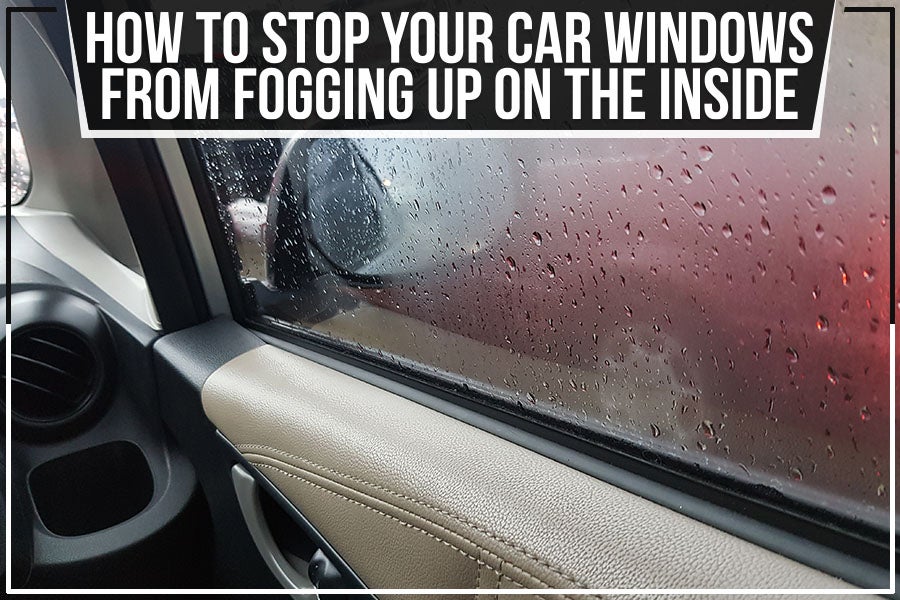
Car windows fog up because of condensation. This happens when the air inside your car is warm and moist, but the glass is cold. The moisture in the air turns into tiny water droplets on the glass, making it hard to see.
There are a few common reasons for this:
- Temperature difference: Warm air inside meets cold glass outside, or vice versa.
- High humidity: Wet clothes, breathing, or even snow brought inside can raise humidity.
- Rainy or snowy weather: Moisture enters every time you open the door.
- Blocked air vents: Poor airflow keeps moisture trapped.
I remember driving to work one winter morning. Despite blasting the heater, my windshield stayed foggy. I later realized my floor mats were soaked from melted snow, adding extra moisture to the air. It took me a while to figure out that drying my mats and airing out the car solved the problem.
Immediate Steps To Clear Foggy Windows
When your windows fog up while you’re driving, you need a quick fix. Here are the steps that work best:
- Turn on the defroster: This blows warm, dry air onto the windshield, clearing fog faster.
- Use air conditioning: Even in winter, A/C removes moisture from the air.
- Open windows slightly: Letting in outside air balances the temperature and humidity.
- Wipe with a clean cloth: For stubborn fog, use a microfiber cloth to quickly clear your view.
Here’s a quick comparison of how fast each method works:
| Method | Effectiveness | Speed | Best For |
|---|---|---|---|
| Defroster | High | Fast | Front windshield |
| Air Conditioning | High | Medium | All windows |
| Opening Windows | Medium | Fast | Side windows |
| Manual Wipe | Low | Immediate | Emergency only |
If you’re in a rush, use the defroster and crack the windows for a minute. This brings the fastest results.
Long-term Prevention: How To Keep Windows Clear
Stopping fog before it starts is the best way to stay safe and comfortable. Here are practical steps you can take:
1. Keep Your Car Dry
Moisture is the main cause of fog. Make it a habit to:
- Shake off snow and rain before getting in.
- Dry wet floor mats and seats.
- Remove any water bottles or damp items.
I started leaving a small towel in my car during the winter. If my shoes or jacket are wet, I dry them off right away. This simple habit made a huge difference—my windows fog up much less now.
2. Use The Right Ventilation Settings
Many drivers use the wrong settings without knowing it. Here’s what works best:
- Set your system to fresh air intake, not recirculation. Recirculation traps humidity inside.
- Use the defrost mode regularly, even if you don’t see fog yet.
- Run the A/C in any weather. It dries the air.
Most cars have symbols for these settings. If you’re not sure, check your manual or ask someone at your dealership.
3. Clean Your Windows Often
Dirty glass attracts more moisture. Clean inside and out with glass cleaner or vinegar solution. Avoid products with ammonia, as they can damage tint. A clean window fogs less and clears up faster.
4. Apply Anti-fog Products
Anti-fog sprays and wipes are easy to find. They create a thin layer that resists moisture. After cleaning your glass, apply the product and buff with a dry cloth. Some drivers use home remedies like shaving cream or a mix of water and vinegar.
These can help, but commercial products usually last longer.
5. Use Absorbent Dehumidifiers
You can buy small, reusable dehumidifier bags filled with silica gel or activated charcoal. Place them under seats or on the dashboard. They soak up extra moisture and help keep air dry. I keep one on my dashboard, and it’s made a noticeable difference.
Here’s a quick look at how common anti-fog solutions compare:
| Product Type | Effectiveness | Ease of Use | Longevity |
|---|---|---|---|
| Commercial Spray | High | Easy | 2-4 weeks |
| Shaving Cream | Medium | Easy | 1-2 weeks |
| Vinegar Mix | Low | Easy | Few days |
| Dehumidifier Bag | High | Very easy | 1-3 months |
6. Check For Leaks
Water leaks around windows, sunroofs, or doors can add hidden moisture. If you notice wet carpets or a musty smell, inspect seals or ask a mechanic for help. Fix leaks quickly to prevent fog and mold.
7. Replace Cabin Air Filter
A dirty cabin filter reduces airflow and lets in dust, which attracts moisture. Most filters are easy to change and cost little. Do this at least once a year—or more if you drive in dusty places.
8. Park Smart
When possible, park in a garage or sheltered area. If you must park outside, try to avoid parking under trees or in areas where snow can pile up on your car. Less exposure means less moisture inside.
Common Mistakes That Make Fogging Worse
Many drivers accidentally make fogging worse by:
- Using the recirculate setting all the time. This keeps humid air inside.
- Leaving wet items in the car overnight.
- Only cleaning the outside of the windows.
- Ignoring small leaks or musty smells.
- Forgetting to change the cabin air filter.
I used to always keep the recirculate button on, thinking it would warm the car faster. Instead, it just kept the humidity high and made the fog worse! Switching to fresh air solved the problem.

Credit: www.easternshorehyundai.com
Special Tips For Different Seasons
Winter
- Always brush off snow before you get in.
- Use rubber floor mats to keep carpets dry.
- Run the defroster and A/C together; it might feel strange, but it works.
Summer
- Fog can form when you use cold A/C on a hot, humid day.
- Start with windows open for a minute to let hot air out.
- Clean windows often, as sweat and sunscreen can add residue.
Rainy Days
- Keep a microfiber cloth handy for quick wipes.
- Use anti-fog products before rainy weather hits.
- Check for leaks if you notice water pooling inside.
Diy Methods To Stop Car Fogging
If you like home solutions, here are some that really work:
- Shaving cream: Rub a small amount on the inside of the glass, then buff dry. It creates a barrier that resists fog.
- Vinegar and water: Mix equal parts in a spray bottle, apply, and wipe dry. It’s simple, but needs frequent reapplication.
- Silica gel packets: Save those little packets from shoe boxes and keep them in your car.
- Chalk or charcoal: Place a few sticks in a breathable bag under your seat. They absorb moisture well.
These DIY tricks are useful, but remember: commercial products and good habits usually offer longer-lasting results.
Credit: www.johnleemazda.com
How Humidity And Temperature Affect Fogging
Understanding the science helps you fight fog better. Humidity is the amount of water vapor in the air. When warm, moist air touches cold glass, the water vapor turns into droplets. This is why fogging is worse after rain, or when you bring wet clothes into the car.
Temperature differences matter too. When you heat your car quickly, the inside warms up, but the glass stays cold. That’s when fog forms fastest. Letting your car warm up gradually, or using the A/C to dry the air, reduces this effect.
Here’s a quick comparison of common weather conditions and fog risk:
| Weather Condition | Fog Risk | Best Solution |
|---|---|---|
| Cold, dry day | Low | Defroster only |
| Cold, wet day | High | Defroster + A/C |
| Rainy/humid day | Very high | Ventilate + anti-fog |
| Hot, humid day (A/C use) | Medium | Open windows first |
Advanced Solutions: For Persistent Problems
Sometimes, even after you try everything, your car still fogs up. This usually means there’s a hidden issue. Here’s what to check:
Inspect For Water Intrusion
Look for signs of leaks:
- Wet carpets or mats, especially after rain
- Water under seats
- Musty smells
Have a mechanic check seals around doors, windows, and the trunk. Sunroof drains can also clog and leak into the car.
Test Your Hvac System
If your air conditioning or heater isn’t working well, it may not remove moisture. If you notice weak airflow or strange noises, have your system checked by a technician.
Consider Window Upgrades
Some vehicles, especially older models, have single-pane windows that fog easily. Upgrading to double-pane or coated glass can help, though it’s a bigger investment.
Professional Detailing
A deep interior cleaning by a pro can remove old grime, mold, and residue that attract moisture. If you’ve tried everything else, this step can make a surprising difference.
Credit: www.youtube.com
Real-world Experience
Last fall, I helped a friend who drives for a ride-sharing service. He was getting constant complaints about foggy windows from passengers. We checked for leaks, cleaned every surface, and added a couple of silica gel bags. The most important change, though, was teaching him to use the A/C with the heater, not just the heat.
Within a week, the complaints stopped, and his windows stayed clear—even in bad weather.
Expert Insights And Recent Research
Recent studies show that cabin air quality and humidity play a big role in driver safety. According to the National Highway Traffic Safety Administration, poor visibility is a factor in more than 46% of weather-related car accidents. Keeping windows clear is not just about comfort; it’s about safety for you and everyone on the road.
Experts also recommend regular maintenance and using products tested for automotive glass. For more details, you can visit the National Highway Traffic Safety Administration website.
Frequently Asked Questions
Why Does My Car Fog Up Even When It’s Not Raining?
Fogging happens any time there’s moisture inside the car and a temperature difference between the air and glass. Wet shoes, breath, or even a cup of coffee can add enough humidity to cause fog, especially on cold days.
Can I Use Home Remedies Instead Of Commercial Anti-fog Products?
Yes, home remedies like shaving cream or vinegar can help. They’re cheap and easy to try. However, commercial products usually last longer and work better, especially in extreme weather.
Should I Use The Recirculate Button To Stop Fogging?
No. The recirculate setting keeps humid air inside the car, which can make fogging worse. Use fresh air intake to bring in dry outside air and clear the windows faster.
How Often Should I Clean My Windows To Prevent Fogging?
Clean your windows inside and out at least once a month. If you smoke, eat in your car, or drive in dusty areas, clean them more often. Dirt and oils make fog stick to the glass.
What If My Windows Stay Foggy Even After Trying Everything?
Persistent fog usually means there’s a hidden moisture source—like a leak, clogged air filter, or HVAC problem. Check for wet spots, replace the cabin filter, and consider having your car checked by a mechanic.
Driving with clear windows is not just about comfort—it’s about safety. With the right habits and a few simple tools, you can keep your car windows clear in any weather. Remember, small changes—like drying your shoes or switching your vent settings—can make a big difference.
Try these tips and see what works best for your car. Stay safe and enjoy the drive!