

Most car tows cost $75 to $250 locally, while long-distance or difficult recoveries can cost much more.
The answer to “how much does it cost to tow a car” depends on distance, vehicle size, time, location, and the type of tow truck needed. This guide breaks down real-world price ranges, hidden fees, insurance options, and ways to avoid paying more than necessary.
Average cost to tow a car
For most drivers in the United States, a standard local tow costs between $75 and $250. This price often includes a basic hookup fee and a short distance, such as five to 10 miles.
The cost to tow a car rises when the vehicle is far away, damaged, stuck, or difficult to access. A long-distance tow may cost $300 to $1,000 or more.
| Towing service | Typical price range |
|---|---|
| Local tow up to 5 miles | $75 to $150 |
| Local tow up to 10 miles | $100 to $250 |
| Each extra mile | $2 to $7 |
| Flatbed tow | $100 to $300 |
| Motorcycle tow | $75 to $200 |
| Long-distance tow | $300 to $1,000 or more |
| Winch-out or recovery | $150 to $500 or more |
| Impound release fees | $100 to $1,000 or more |
These are broad national estimates, not fixed prices. Rates are often higher in large cities, remote areas, and states with higher labor costs.
A towing company should give you a clear estimate before dispatching a truck. Ask whether the quote includes the hookup, mileage, fuel, storage, after-hours fees, and taxes.

What determines how much it costs to tow a car?
Several factors affect how much it costs to tow a car. The most important factor is usually the distance between the vehicle and its destination.
A five-mile trip is simple for most tow companies. A 50-mile trip requires more fuel, driver time, and truck availability. Some companies charge a flat local rate, while others add a per-mile fee after a set number of miles.
Distance and mileage
Many companies use a two-part pricing model:
• Base hookup fee: Often $50 to $150
• Mileage fee: Often $2 to $7 per mile
For example, a company may charge $100 for the first five miles and $4 for each additional mile. A 15-mile tow would then cost about $140 before extra fees.
Some providers charge mileage from the truck’s starting point instead of from your location. Ask this question before accepting service.
Vehicle size and weight
A compact sedan is usually cheaper to tow than a large pickup, van, or luxury SUV. Larger vehicles may need a heavy-duty tow truck, which costs more to operate.
A heavy-duty tow can cost $200 to $600 for a local trip. Commercial trucks, buses, and recreational vehicles may cost much more.
Tow truck type
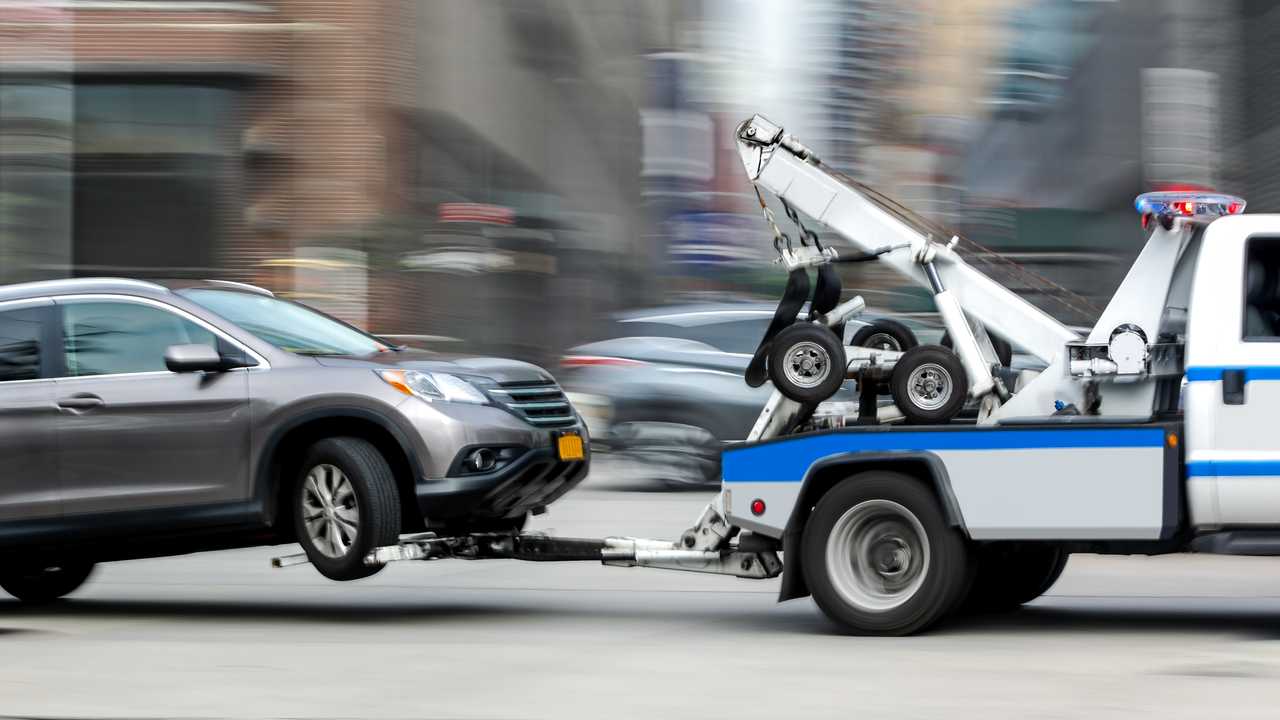
A wheel-lift truck lifts two wheels off the road. It is often the least expensive option for a standard tow.
A flatbed truck carries the entire vehicle on a platform. It is safer for many all-wheel-drive cars, electric vehicles, luxury vehicles, and cars with serious damage. The average flatbed tow may cost $100 to $300 locally.
A heavy-duty truck is designed for large or commercial vehicles. Its higher operating cost leads to a higher price.
Time and urgency
Emergency towing at night, on weekends, or during a holiday often costs more. After-hours fees may range from $25 to $150, depending on the company and location.
Demand also matters. Tow prices may increase during snowstorms, hurricanes, floods, major accidents, and large public events. If your vehicle is in a safe place, waiting until normal business hours may reduce the bill.
Vehicle condition
A car that rolls, steers, and has accessible wheels is easy to tow. A car with locked wheels, missing tires, severe crash damage, or an obstructed location takes more time.
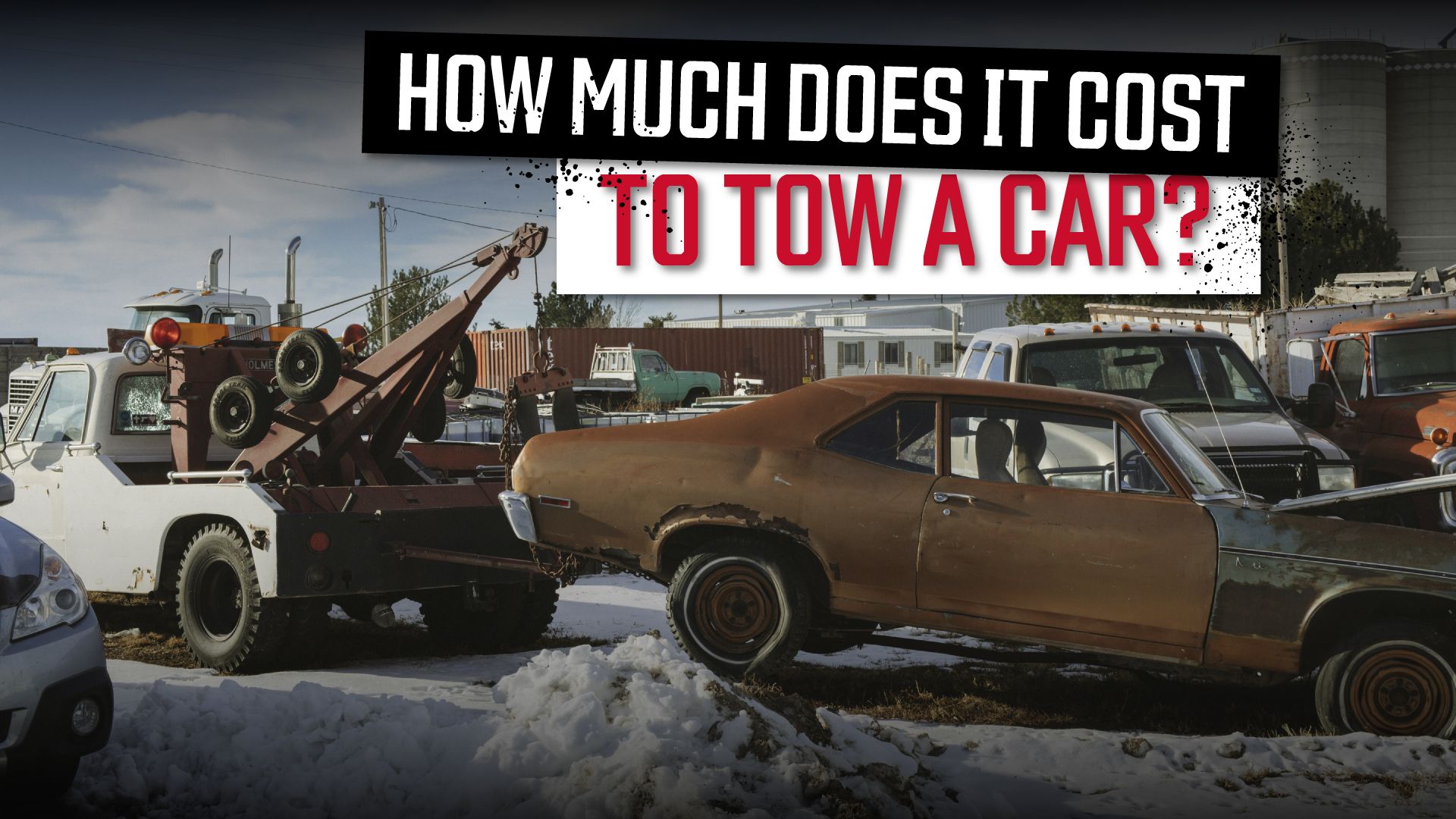
A winch-out service is needed when a car is stuck in mud, sand, snow, a ditch, or a steep area. This type of recovery can add $50 to $300 or more.
Location
Urban towing may cost more because of traffic, parking limits, and higher overhead. Rural towing may cost more because the truck must travel farther to reach you.
Parking garages, underground lots, narrow alleys, and busy highways can also affect the final price. Tell the dispatcher exactly where the car is located.

How much does it cost to tow a car after an accident?
After an accident, a local tow commonly costs $100 to $300. The price may be higher if the vehicle has major damage or cannot roll normally.
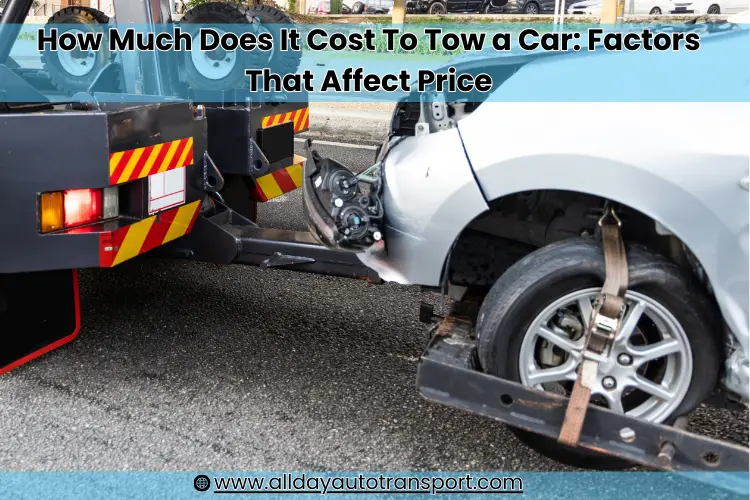
A damaged car may require a flatbed truck. This is especially important when the wheels, suspension, steering, or drivetrain are damaged. Trying to use the wrong tow method can cause more damage.
You may also face extra charges for:
• Removing broken glass or debris near the vehicle
• Using a winch to move the car
• Disconnecting a damaged driveshaft
• Handling a vehicle with locked or bent wheels
• Waiting for police or an insurance inspection
• Moving the vehicle from a highway or restricted area
After an accident, take photos before the tow truck arrives. Capture the vehicle, its position, visible damage, and nearby road signs. Remove personal items, but do not risk entering a dangerous vehicle.
Ask the tow operator where the car will be taken. A police-directed tow may go to an approved storage yard rather than your preferred repair shop. Storage fees can grow each day, so contact the insurance company and yard quickly.
How much does it cost to tow a car with roadside assistance?
Roadside assistance may cover the full cost of a short tow or may cover only a set amount. Many plans include towing for five to 100 miles, depending on the membership level.
Common sources of roadside coverage include:
• Auto insurance policies
• Motor clubs
• New-car warranties
• Credit card benefits
• Vehicle manufacturer programs
• Extended service contracts
Your plan may limit the number of service calls per year. It may also cover the vehicle only when it is disabled on a public road.
Before calling a private towing company, check your insurance app or roadside assistance number. Using an in-network provider may prevent you from paying upfront.
However, coverage rules vary. Some plans reimburse you later instead of paying the tow company directly. Confirm the covered distance, payment process, and excluded services.
How much does it cost to tow a car without insurance?
Without roadside coverage, you usually pay the towing company directly. The average local bill may be $100 to $250, but the price can rise quickly with distance or extra work.
If you do not have insurance at all, you may still legally arrange a tow. Insurance is not always required to hire a towing service, but driving the vehicle without required coverage can lead to serious legal and financial problems.
If your policy does not include roadside assistance, ask whether your insurer offers it as an add-on. It may cost less than one emergency tow each year.
You can also compare roadside memberships. A membership may be useful if you travel often, drive an older car, or have no one nearby who can help. Read the terms carefully because some plans have waiting periods or service limits.
:max_bytes(150000):strip_icc()/Average-Towing-Costs-e8269d8d373a40a4b5fddb9665b1b015.jpg)
Hidden towing fees to watch for
The quoted towing price is not always the final bill. Extra charges can appear when the vehicle needs special handling or remains at a storage yard.
Common fees include:
• Hookup or service call fee
• Per-mile mileage charge
• After-hours surcharge
• Holiday or emergency fee
• Flatbed fee
• Winch-out fee
• Dolly or wheel-lift fee
• Toll and highway fee
• Storage fee
• Administrative or release fee
• Fuel surcharge
• Cleaning or debris removal fee
Storage fees are especially important. An impound yard may charge $20 to $100 or more per day. Some yards also charge a release fee, gate fee, lien fee, or payment processing fee.
Ask for an itemized estimate. A trustworthy company should explain each charge in plain language. Be cautious if the dispatcher refuses to provide a price range or insists on cash without a receipt.
How to get a fair towing price
Knowing how much it costs to tow a car helps, but asking the right questions can save even more money. Call at least two companies when time and safety allow.
Use this simple process:
Tell the dispatcher your exact location and destination.
Describe the vehicle’s make, model, size, and condition.
Explain whether the car rolls, steers, and has working tires.
Ask what type of truck will be sent.
Request the base fee and mileage rate.
Ask about night, weekend, toll, storage, and payment fees.
Get the estimate in writing by text or email.
Confirm the company name, truck number, and driver details.
Keep the receipt and take a photo of the vehicle before loading.
Do not choose a company only because it gives the lowest quote. A very low estimate may exclude mileage or recovery charges. The best choice is usually a licensed, insured provider that gives a clear total price.
One practical lesson is to keep your roadside assistance number in your phone before you need it. During a breakdown, stress can make a poor quote sound reasonable. A saved contact and a small emergency fund can act like a spare tire for your budget.
Ways to reduce the cost of towing
You may not control the breakdown, but you can control some parts of the bill. Planning ahead is often the easiest way to lower towing costs.
Try these steps:
• Check your insurance and warranty before calling a private tow company.
• Move the car to a safe, accessible location if it can be driven safely.
• Choose a nearby repair shop instead of a distant destination.
• Ask whether a wheel-lift truck is suitable.
• Avoid unnecessary after-hours service when there is no safety risk.
• Compare two or three local providers.
• Ask about flat-rate pricing for short trips.
• Request a written estimate.
• Remove belongings before the vehicle is taken.
• Contact an impound yard immediately to limit storage charges.
Never delay a tow when the car is in a traffic lane, near moving vehicles, or in dangerous weather. Saving $50 is not worth risking an injury.
Towing costs by situation
The answer to how much does it cost to tow a car changes with the problem you face. A dead battery, flat tire, collision, and off-road recovery each require different equipment and labor.
Dead battery
A jump-start often costs $50 to $100 without coverage. If the battery is damaged or the vehicle will not restart, a tow may be necessary.
Flat tire
A tire change may cost $50 to $150. A tow is more likely if the car has no spare, damaged lug nuts, or more than one flat tire.
Locked keys in the car
A lockout service may cost $50 to $150. It is usually cheaper than towing, so ask for a lockout service first.
Collision damage
An accident tow often costs $100 to $300 locally. Severe damage, blocked wheels, or police storage can raise the total.
Stuck in snow, mud, or sand
A winch-out often costs $150 to $500. The price depends on depth, terrain, vehicle weight, and the equipment needed.
Electric vehicle towing
Electric vehicles may require special handling. Many must be transported on a flatbed, especially when the drive wheels cannot roll or the vehicle has collision damage.
Towing laws and consumer protection
Towing rules differ by state and city. Some areas regulate maximum rates, storage charges, licensing, notice requirements, and private-property towing.
Police-directed and private-property tows often follow different rules. For example, a car removed from an apartment lot may be taken to a specific yard under local regulations. A vehicle disabled after a crash may be handled through law enforcement or an insurer.
Before paying, ask for:
• The tow company’s legal name
• The destination of the vehicle
• A written, itemized bill
• The reason for the tow
• The storage rate
• The release requirements
• Accepted payment methods
If you believe the tow was illegal or the charges are improper, contact your state consumer protection office, transportation agency, insurance company, or local law enforcement. Keep all receipts, photos, messages, and names.
This article gives general U.S. estimates. Local rules and prices can differ, so your final bill may not match a national average.
How to prepare for a breakdown
A little preparation can make how much it costs to tow a car easier to manage. It can also keep a stressful roadside event from becoming dangerous.
Keep these items in your vehicle:
• Phone charger or battery pack
• Reflective warning triangles
• Flashlight
• First-aid kit
• Tire pressure gauge
• Jumper cables
• Basic tools
• Water and warm clothing
• Insurance and roadside assistance details
If the vehicle stops on a highway, turn on the hazard lights and move away from traffic if it is safe. Do not stand behind or in front of the car. Call emergency services if you are in immediate danger.
When the tow truck arrives, check the company name and truck markings. Confirm the destination and price before the vehicle is loaded.
How much does it cost to tow a car for long distance?
A long-distance tow often costs $300 to $1,000 or more. Some companies charge by the mile, while others provide a custom quote based on route, vehicle type, fuel, and driver time.
For a 100-mile tow, a rough estimate might include a $100 hookup fee plus $3 to $6 per mile. That produces a total near $400 to $700 before special fees.
Long-distance transport on a dedicated car carrier may be a better option for a non-running vehicle. Auto transport companies can move cars across states, but delivery may take longer than a standard roadside tow.
Ask whether the price includes:
• Door-to-door pickup
• Insurance during transport
• Loading and unloading
• Fuel
• Tolls
• Waiting time
• Delivery scheduling
• Remote pickup fees
Compare the total cost with local repair options. In some cases, repairing the car nearby costs less than moving it several hundred miles.
Frequently asked questions about how much does it cost to tow a car
How much does it cost to tow a car five miles?
A five-mile local tow usually costs $75 to $150. The total may be higher at night, during a holiday, or when the vehicle needs a flatbed or winch.
Does car insurance pay for towing?
Insurance may pay for towing if you have roadside assistance or if the tow relates to a covered accident. Check your policy for mileage limits, service limits, deductibles, and reimbursement rules.
Is flatbed towing more expensive?
Flatbed towing often costs more than a basic wheel-lift tow. It is commonly recommended for all-wheel-drive vehicles, damaged cars, electric vehicles, and luxury models.
How much does it cost to tow a car from an accident?
An accident tow commonly costs $100 to $300 for a local trip. Severe damage, highway recovery, police storage, and daily impound fees can increase the final amount.
Can a towing company charge by the mile?
Yes, many towing companies charge a base hookup fee plus a per-mile rate. Ask whether mileage starts at your location or at the company’s dispatch point.
How much does it cost to tow a car without roadside assistance?
Without roadside assistance, most drivers pay the full private towing bill. A typical local tow costs $100 to $250, but long-distance or difficult recovery work may cost much more.
Can I negotiate a towing price?
You can ask for a flat rate or compare quotes from nearby companies. Negotiation is more likely before dispatch than after the truck arrives.
How can I avoid towing storage fees?
Tell the tow company where to take the vehicle and contact the storage yard quickly. Removing the car as soon as possible can limit daily storage and administrative charges.
Conclusion
So, how much does it cost to tow a car? Most local tows fall between $75 and $250, while long-distance trips, accident recovery, heavy vehicles, and storage can raise the bill to $1,000 or more.
The safest way to control the price is to check roadside coverage, request an itemized quote, confirm the tow method, and ask about every extra fee. Save a trusted towing number today, and share your own towing experience or questions in the comments.