

The safest way to get tree sap off a car is to soften it, dissolve it, and gently wipe it away.
Tree sap can look like a tiny spot, but it can bond to clear coat like strong glue. If you scrub it dry, you may spread the mess or create fine scratches. This guide explains how to get tree sap off a car safely, using simple supplies, careful steps, and proven detailing methods that protect your paint.
Why Tree Sap Damages Car Paint
Tree sap is a sticky plant fluid. It contains resins, sugars, and other compounds that harden when exposed to air, heat, and sunlight. Pine, maple, birch, and fruit trees can all leave sap on a vehicle.
Fresh sap is often easier to remove. Old sap may become hard, dark, and rubbery. As it sits, it can collect dust and bond more firmly to the clear coat.
Tree sap can harm a car in several ways:
• It can leave a rough, sticky patch on the paint.
• It can trap dirt and moisture.
• It may stain the clear coat.
• Heat can bake the sap into the finish.
• Scraping or dry rubbing can cause paint scratches.
Sap does not usually eat through automotive paint right away. Still, long exposure can mark the clear coat, especially when the car sits in direct sun. Removing tree sap early is the best form of paint care.
What You Need to Remove Tree Sap
You do not need a large detailing kit to learn how to get tree sap off a car. Most sap spots can be handled with common car-care supplies.
Gather these items:
• Clean microfiber towels
• A bucket of water
• Car wash soap
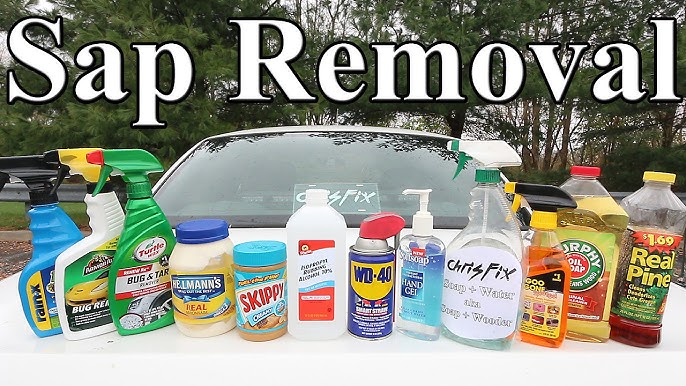
• Isopropyl alcohol, often called rubbing alcohol
• A commercial automotive tar and sap remover
• A soft wash mitt
• A plastic scraper or old plastic card
• Automotive clay bar, if needed
• Spray wax or paint sealant
• Nitrile gloves
Use a clean towel for each stage. A dirty towel can hold grit and drag it across the paint. That is how a small sap mark can turn into a cluster of fine swirl marks.
Choose a sap remover made for automotive paint. Products made for household cleaning, fingernail polish, or heavy industrial use may be too harsh for a vehicle’s clear coat.
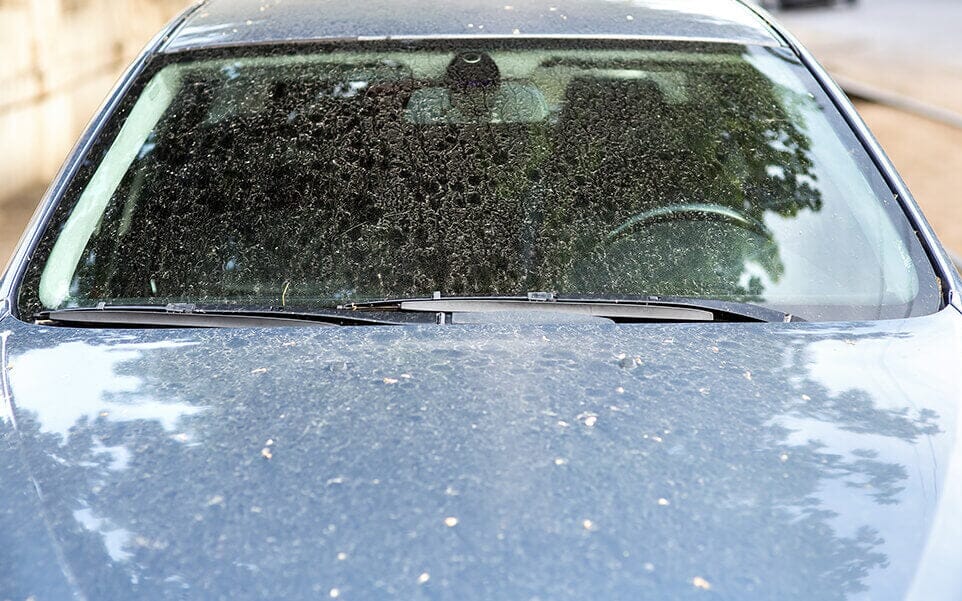
How to Get Tree Sap Off Car: Step-by-Step Method
The safest method has four basic goals: wash away loose dirt, soften the sap, lift it without force, and protect the clean paint.
1. Park in a cool, shaded place
Work in the shade, not on hot paint. A warm panel can make the cleaner dry too fast and may spread softened sap across a larger area.
The surface should be cool to the touch. If the car has been sitting in the sun, move it into a garage or wait for the panels to cool.
2. Wash the affected area
Start with a normal car wash. Use car shampoo and a soft wash mitt to remove dust, sand, and road film around the sap.
Rinse well, then dry the area with a clean microfiber towel. Do not scrub the sap aggressively during this step. Washing removes grit, but it may not remove hardened sap.
3. Test the cleaner
Apply a small amount of isopropyl alcohol or automotive sap remover to a hidden painted area. Wait a few minutes, then wipe it clean.
Check for color change, dullness, streaks, or damage. Modern clear coats are tough, but paint condition varies. Older finishes, repainted panels, and neglected surfaces need extra care.
4. Soften the tree sap
Dampen a microfiber towel with the chosen product. Place it over the sap for about 30 to 60 seconds.
This gives the solvent time to soften the sticky material. Do not pour large amounts of cleaner directly onto the car. A controlled amount works better and reduces the chance of product running into trim or panel gaps.
5. Wipe gently
Lift the towel and wipe the area with light pressure. Use a clean part of the towel as the sap transfers onto it.
Do not rub in circles with force. Straight, gentle passes are easier to control. If the sap does not move, apply the cleaner again and let it dwell briefly.
6. Use a plastic edge for stubborn spots
For thick, hard sap, use a plastic scraper or old plastic card. Hold it nearly flat against the paint and push gently.
Never use a razor blade, knife, screwdriver, or metal scraper on painted surfaces. These tools can cut through the clear coat in seconds.
7. Wash the area again
After the sap is gone, wash the panel with car soap. This removes leftover solvent and loosened residue.
Dry the panel with a fresh microfiber towel. Inspect it from several angles. Direct light can reveal a remaining film that is hard to see in shade.
8. Add protection
Apply a spray wax, paste wax, paint sealant, or ceramic spray made for automotive paint. This restores some slickness and helps future contamination release more easily.
Wax will not prevent all tree sap. It can, however, make cleanup easier and give the clear coat an extra protective layer.
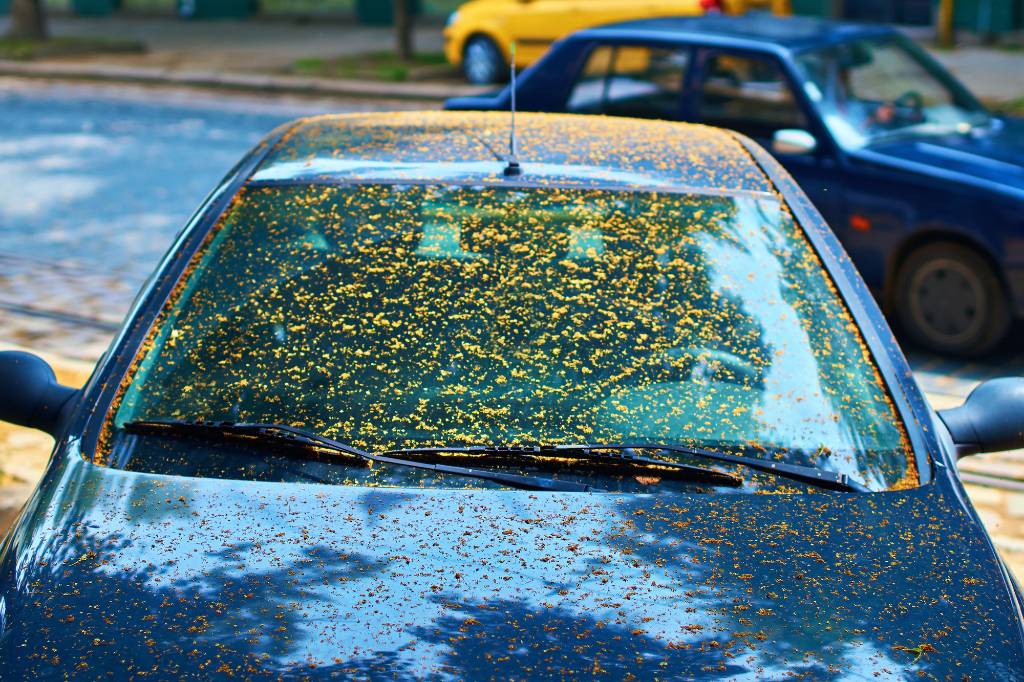
How to Remove Fresh Tree Sap
Fresh sap is usually the easiest type to remove. Do not wait for it to dry if you notice it during a quick car check.
First, rinse the spot and wash away nearby dirt. Then place a microfiber towel dampened with automotive sap remover over the area. Let the product soften the sap before wiping.
For a tiny fresh spot, a small amount of rubbing alcohol may work. Use about 70% isopropyl alcohol, avoid soaking the panel, and wipe the area clean afterward.
If the sap feels soft but smears, stop rubbing. Add more cleaner to a fresh towel and lift the residue in small sections. Smearing often means the sap needs more dwell time, not more pressure.
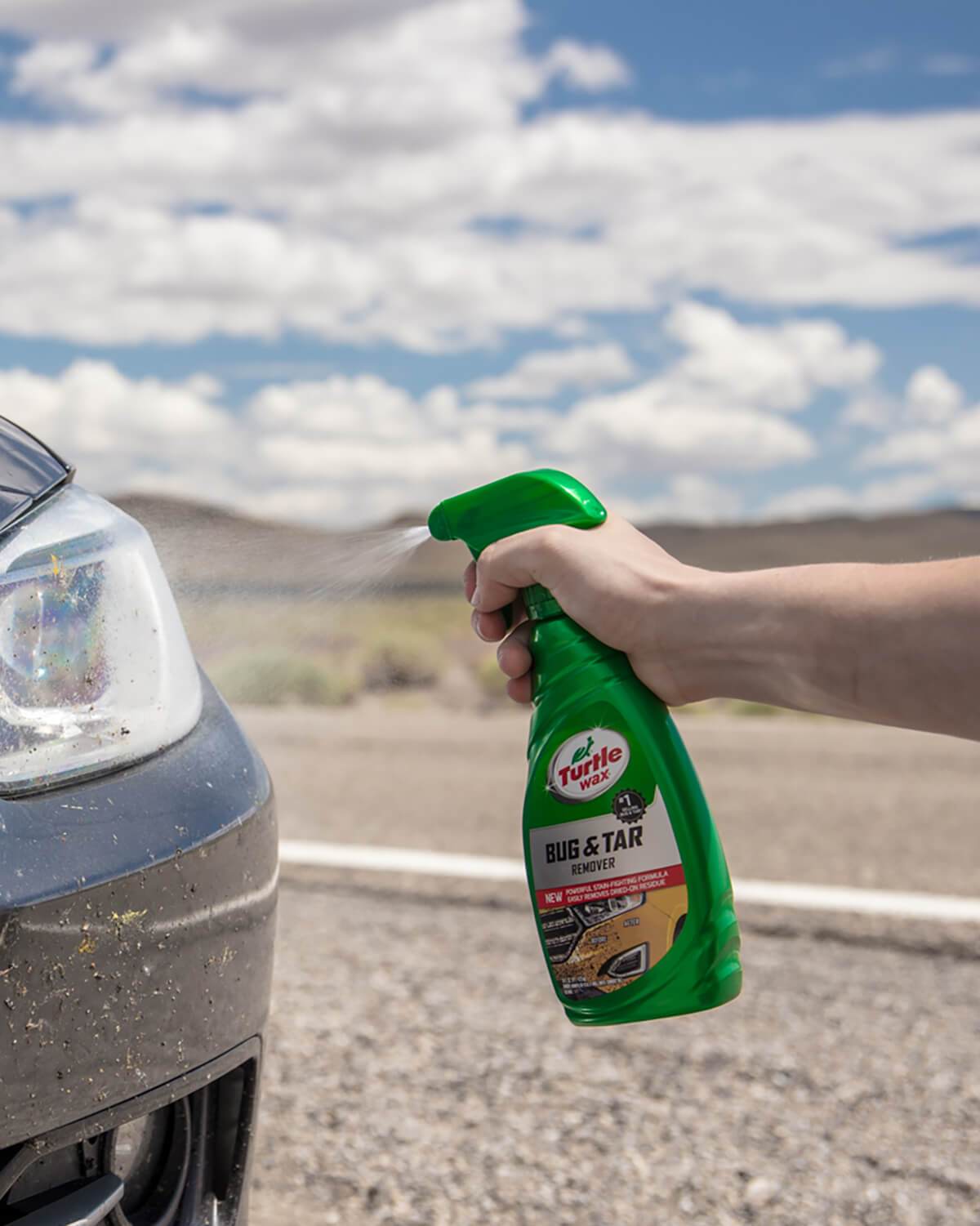
How to Remove Hardened or Old Tree Sap
Old sap may need several short treatments. Trying to remove it in one forceful pass is the most common mistake.
Apply a sap remover to a microfiber towel. Hold it over the spot for one minute, then wipe gently. Repeat the process rather than pressing harder.
If a raised piece remains, soften it again and use a plastic card. Keep the edge low and move slowly. Work from the outside of the spot toward the center to avoid spreading residue.
A clay bar can help remove a thin film after the main sap has been dissolved. Use plenty of clay lubricant and light pressure. Clay is not a replacement for sap remover when the sap is thick or sticky.
If the paint still looks dull after cleaning, the sap may have etched the clear coat. A mild polish may improve the mark, but deep etching may require professional paint correction.

Which Products Work Best?
Different products have different strengths. The right choice depends on how old the sap is and where it sits.
Isopropyl alcohol
Rubbing alcohol is useful for small, fresh sap spots. It evaporates quickly and is easy to find.
Use it with care. Alcohol can remove wax and may dry out unprotected trim. Always test it first and follow with a wash.
Automotive tar and sap remover
A dedicated automotive product is often the best option for thick or aged sap. These products are designed to dissolve sticky road tar, resin, and similar contamination.
Follow the label instructions. Some products should not remain on the surface for long periods.
WD-40 or similar penetrating sprays
A light penetrating spray may loosen sap, but it is not a complete paint-care product. It can leave an oily film and may affect wax or sealant.
If you use one, apply it to a towel rather than spraying the whole panel. Wash the area with car soap afterward.
Clay bar
Clay removes bonded surface contamination. It works best after washing and dissolving the main sap residue.
Clay can create light marring if used dry or with too much pressure. Use proper lubricant and fold the clay often to expose a clean surface.
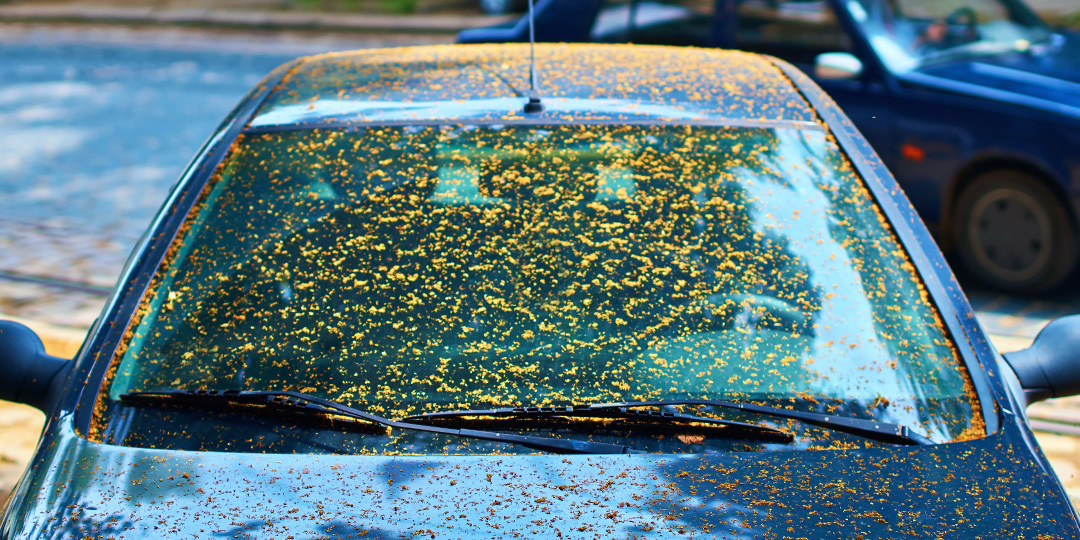
What Not to Use on Car Sap
Many household products seem strong enough to remove sap. Strong does not always mean safe for automotive paint.
Avoid these options:
• Acetone or nail polish remover
• Lacquer thinner
• Gasoline
• Paint thinner
• Oven cleaner
• Abrasive kitchen scrubbers
• Magic Erasers
• Steel wool
• Metal blades
These products can damage clear coat, plastic trim, rubber seals, or painted panels. Some may remove the sap while also removing gloss.
Do not use boiling water. It can damage sensitive trim, soften adhesives, or create a rapid temperature change on glass and paint.
Do not use a pressure washer close to a loose trim piece or damaged paint. Pressure can force water under badges, moldings, or chipped areas.
How to Remove Tree Sap From Glass, Trim, and Other Surfaces
The method for paint is not always the best method for other car surfaces.
Windshield and windows
Use a glass-safe sap remover or a small amount of isopropyl alcohol. After softening the sap, wipe the glass with a clean microfiber towel.
For stubborn glass residue, a purpose-made glass scraper may work when used carefully. Keep the blade flat and avoid rubber seals. Never use a scraper on painted trim.
Plastic trim
Plastic can stain or become dull when exposed to strong solvents. Start with warm water and car soap. If that fails, use a product labeled safe for exterior automotive plastic.
Apply the product to a towel, not directly onto the trim. Wipe a small test area first.
Rubber seals
Rubber weather stripping can absorb oils and solvents. Use mild car soap and water whenever possible.
If sap remains, choose a cleaner approved for rubber. Afterward, use a compatible rubber protectant if the product instructions recommend it.
Convertible tops
Fabric and vinyl tops need special care. Avoid general-purpose solvents unless the manufacturer approves them.
Use a cleaner made for the specific top material. Test an unseen area and rinse thoroughly.
Common Mistakes That Cause Paint Damage
I have found that most sap damage comes from rushing, not from the sap itself. People often see a hard spot and attack it with a fingernail, coin, or rough towel.
The biggest mistakes include:
• Scrubbing before washing the panel
• Working on hot paint
• Using too much pressure
• Letting solvent dry on the surface
• Using one dirty towel for the whole job
• Skipping the test spot
• Scraping with a metal tool
• Forgetting to reapply wax or sealant
One useful habit is to fold a microfiber towel into quarters. When one section becomes sticky or dirty, turn to a clean section. This simple step reduces the chance of dragging grit across the clear coat.
Another lesson is to treat sap like dried glue. More force is rarely the answer. Time, warmth from a cool towel, and the right solvent usually do the work more safely.
When to Call a Professional Detailer
Most small sap spots are a do-it-yourself job. Professional help makes sense when the sap has etched the finish or covers a large area.
Contact a detailer if:
• The paint feels rough after cleaning
• A dark or cloudy stain remains
• The clear coat is peeling
• The vehicle has a fresh repaint
• Sap covers the roof or multiple panels
• You are unsure which product is safe
A detailer may use chemical decontamination, a clay treatment, machine polishing, or paint correction. These services can improve etching, but polishing cannot repair clear coat that has already failed.
Ask what process will be used and whether the shop will test a small area first. A careful detailer should explain the limits of the repair rather than promise perfect results.
How to Prevent Tree Sap on a Car
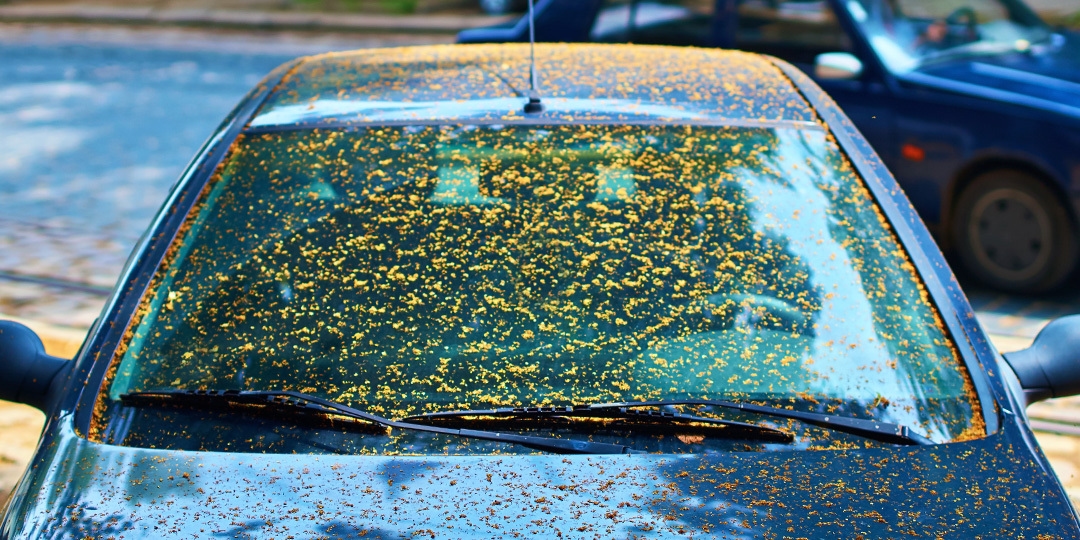
Prevention is easier than repeated cleanup. Parking under trees may offer shade, but some trees release far more sap than others.
Try these steps:
• Park away from pine, maple, birch, and fruit trees when possible.
• Use a garage or covered parking area.
• Remove fresh sap as soon as you see it.
• Wash the vehicle often during warm months.
• Apply wax or paint sealant several times a year.
• Keep clean microfiber towels and sap remover in the garage.
• Use a breathable car cover for long-term outdoor parking.
A cover can protect the vehicle, but it must be clean inside and outside. Placing a dirty cover over a dusty car can cause scratches when wind moves the fabric.
Wax does not make paint sap-proof. It simply creates a smoother surface and may reduce bonding. Think of it as a raincoat, not a force field.
Frequently Asked Questions About How to Get Tree Sap Off Car
Can I use rubbing alcohol to get tree sap off a car?
Yes, 70% isopropyl alcohol can help remove small sap spots from automotive paint. Test it first, use a small amount, and wash the area afterward because it may remove wax.
Does hand sanitizer remove tree sap from a car?
Some hand sanitizers contain alcohol and may loosen fresh sap. However, gels can contain additives that leave residue, so an automotive sap remover or plain isopropyl alcohol is a better choice.
Will tree sap permanently damage car paint?
Tree sap may stain or etch clear coat if it remains on the car for a long time, especially in hot sunlight. Prompt removal reduces the risk, but deep etching may need professional polishing.
Can I use WD-40 to remove sap from my car?
WD-40 may loosen sticky sap when used in a small amount on a towel. Wash the area afterward, and do not treat it as a substitute for wax or a dedicated automotive cleaner.
Is Goo Gone safe for car paint?
Some Goo Gone products may be safe for finished automotive surfaces, but formulas vary. Check the label, test an unseen area, avoid trim and rubber, and wash the panel after use.
Can I scrape tree sap off car paint?
Use only a soft plastic scraper or plastic card after the sap has been softened. Never use a razor, knife, coin, or metal tool because it can scratch the clear coat.
How do I remove tree sap from a car windshield?
Use a glass-safe cleaner or isopropyl alcohol, let it soften the sap, and wipe with microfiber. A suitable glass scraper can help with leftover residue, but keep it away from painted surfaces and rubber seals.
Conclusion
Learning how to get tree sap off a car is mostly about patience. Wash the area first, work in the shade, soften the sap with a suitable product, and wipe with light pressure. A plastic card can lift thick residue, while wax or sealant adds useful protection afterward.
Avoid harsh solvents, metal tools, and dry scrubbing. If the paint remains stained or dull, a professional detailer can assess whether polishing will help. Check your car after parking under trees, and handle fresh sap before heat turns it into a stubborn mess. Share these tips with another car owner or explore more paint-care guides to keep your vehicle looking its best.