

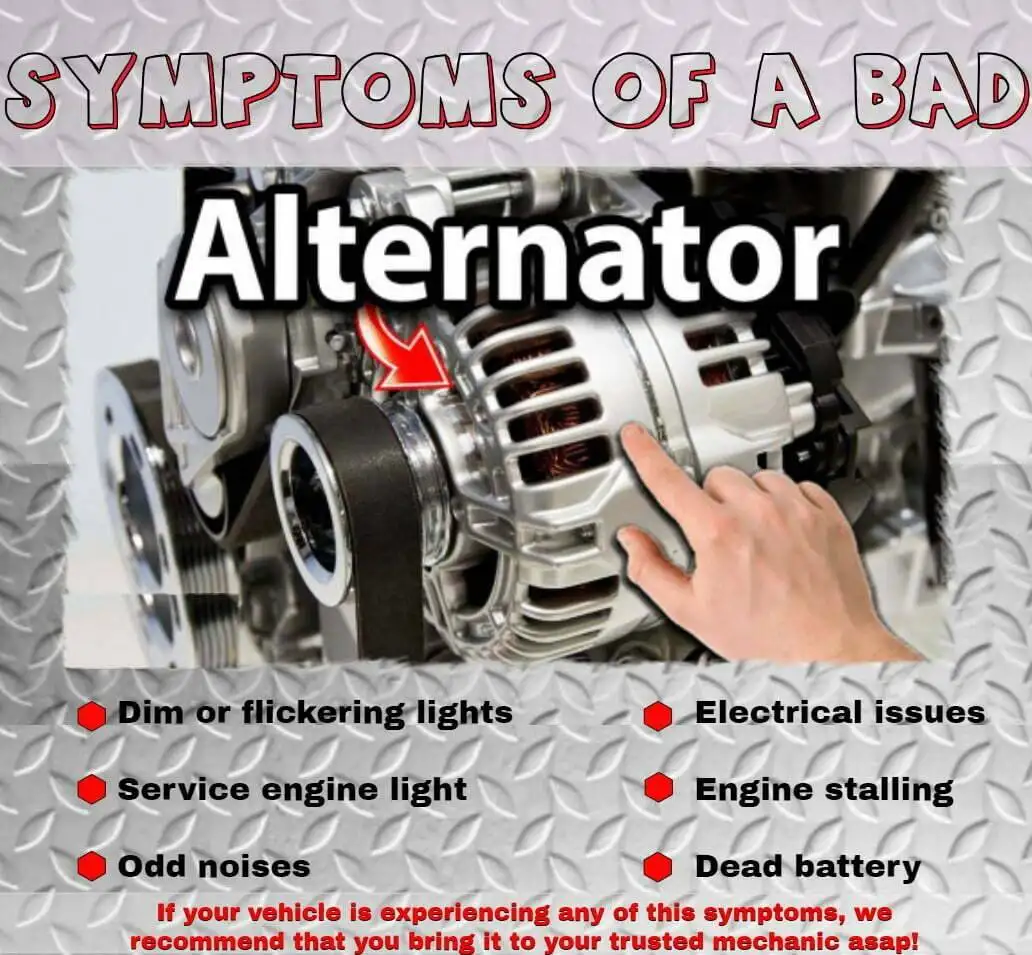
A weak alternator often causes dim lights, warning lamps, slow cranking, and a dead battery.
Knowing how to tell if car alternator is going bad can save you from a sudden breakdown and an unnecessary battery replacement. After checking many charging problems, I’ve found that the best approach is to combine warning signs with a simple voltage test. This guide explains what to watch for, how to test the alternator safely, and when professional help is the smart choice.

What Does a Car Alternator Do?
The alternator is the part that keeps your vehicle’s electrical system powered while the engine runs. It changes engine movement into electrical energy and sends that energy to the battery and the car’s electrical components.
The battery starts the engine, but the alternator takes over after the engine fires. It powers items such as:
• Headlights
• Interior lights
• Radio and touchscreen systems
• Power windows and locks
• Air conditioning and heating fans
• Engine sensors and control modules
• Safety systems, including airbags and anti-lock brakes
Think of the battery as a water tank and the alternator as the pump. If the pump stops working, the tank may keep the system running for a short time. Once the battery runs low, the vehicle will stop.
Learning how to tell if car alternator is going bad starts with understanding this difference. A bad battery may make starting difficult, while a bad alternator can leave you with a dead battery again and again.

Common Signs of a Bad Alternator
Alternator problems can appear slowly or happen without much warning. Some signs are easy to spot, while others look like battery or wiring trouble.
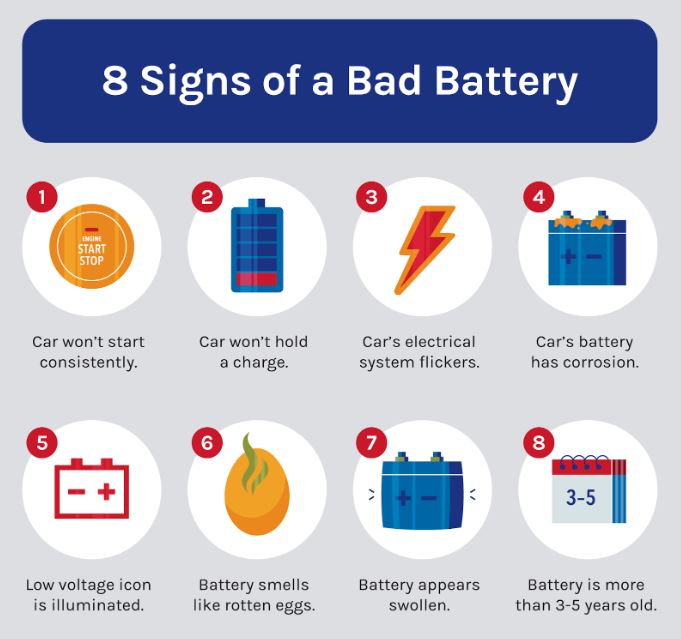
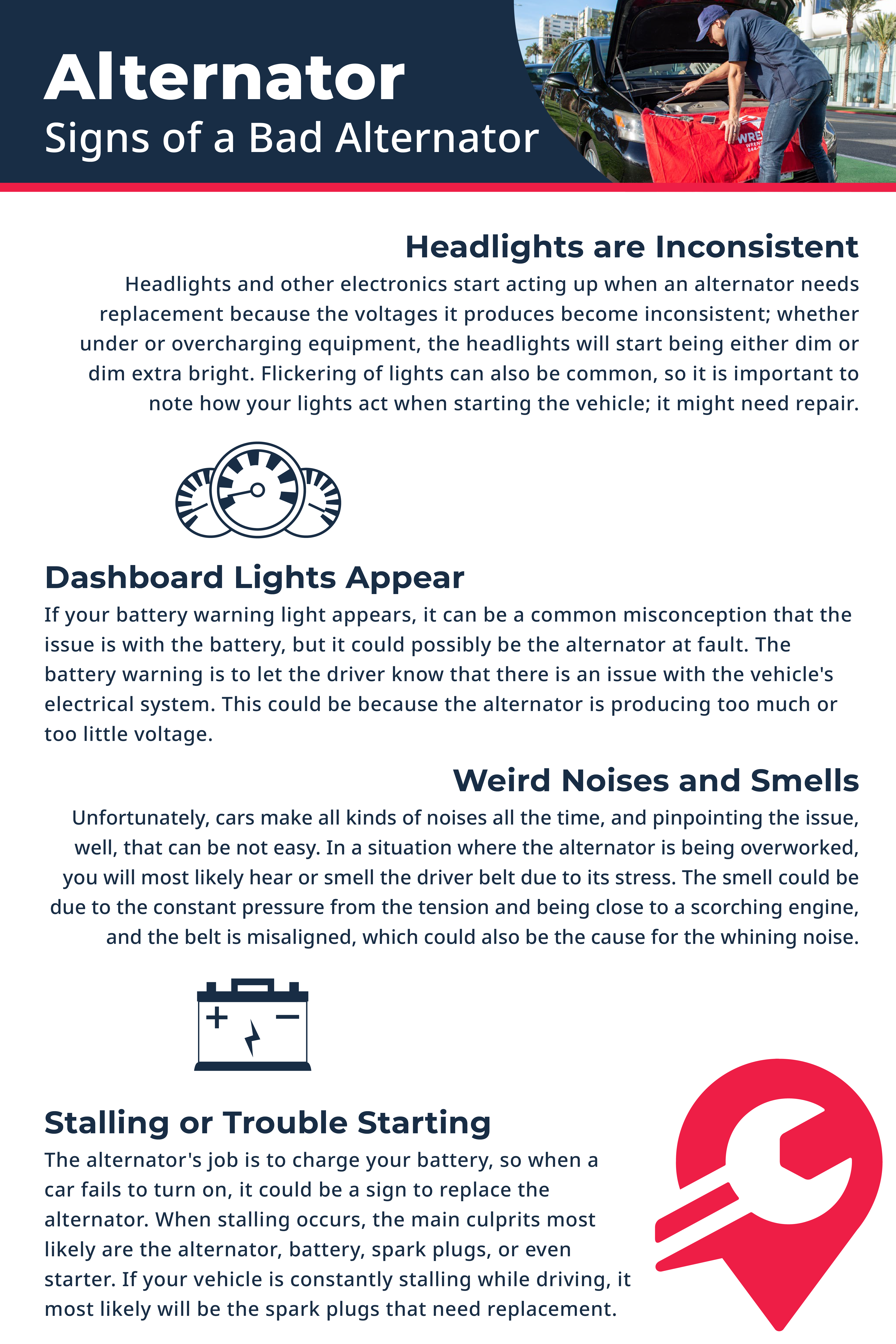
1. The Battery Warning Light Comes On
The battery-shaped light on the dashboard often points to a charging system problem. It does not always mean the battery itself is bad.
The warning light may appear when alternator voltage drops below the expected range. It can also indicate a loose belt, damaged wiring, or a control problem. Treat this light seriously, especially if it stays on while driving.
2. Headlights Become Dim or Flicker
Dim headlights are one of the clearest clues. You may notice that they become weaker at idle and brighter when you press the gas pedal.
Flickering lights can also come from a loose connection or poor ground. Still, an alternator that cannot maintain steady voltage is a common cause.
Try switching on the headlights, heater fan, and rear defroster. If the lights become much dimmer, the charging system may be struggling under load.
3. Electrical Accessories Work Slowly
Power windows that move slowly can signal low system voltage. You may also notice a weak blower motor, a slow seat warmer, or a touchscreen that resets.
Modern cars use many electronic modules. Low voltage can make these systems act in strange ways. A radio may shut off, gauges may flicker, or warning messages may appear and disappear.
These symptoms are important because they can show up before the vehicle fails to start.
4. The Engine Cranks Slowly
A weak alternator may not charge the battery enough during normal driving. After several trips, the battery loses power and the starter turns the engine slowly.
You may hear a dragging sound instead of the normal fast crank. Sometimes you hear only a click. This does not prove the alternator is bad, but repeated slow starts after a recent battery replacement deserve a charging system test.
5. You Smell Burning Rubber or Hot Wires
A slipping alternator belt can create a hot rubber smell. A failing alternator bearing can also create heat and friction.
A burning electrical smell may point to damaged wiring, a loose connection, or an overloaded alternator. Turn off the engine and inspect the problem soon. Do not keep driving if you see smoke or smell strong insulation.
6. You Hear Whining, Grinding, or Growling
Alternators contain bearings, a pulley, and internal electrical parts. A failing bearing may make a grinding or growling noise that changes with engine speed.
A high-pitched whine may come from internal alternator damage. It may also come from poor voltage regulation or a loose belt. Because several parts can make similar sounds, sound alone cannot confirm the fault.
7. The Car Stalls or Loses Power
When alternator output drops very low, the battery must power the fuel system, ignition, and engine computer. Eventually, the voltage falls too far and the engine may stall.
Some drivers notice that the car runs normally after a jump-start but dies again a short time later. This is a strong reason to test the alternator rather than simply installing another battery.
How to Tell if Car Alternator Is Going Bad With a Multimeter
A digital multimeter is the most useful home tool for an initial charging test. You can buy one at many auto parts stores, but use care around moving belts and pulleys.
Before testing, park on a level surface, set the parking brake, and keep loose clothing away from the engine. Never place your hands near a running belt.
Step 1: Test the Battery With the Engine Off
Turn off the engine and all accessories. Let the vehicle sit for at least 30 minutes if possible.
Touch the red meter probe to the positive battery terminal and the black probe to the negative terminal. A healthy, fully charged 12-volt battery often reads close to 12.6 volts.
General readings may look like this:
• About 12.6 volts: battery is well charged
• About 12.4 volts: battery is partly charged
• About 12.2 volts: battery is low
• Below 12.0 volts: battery is deeply discharged or weak
A low battery can make the alternator test less accurate. Charge the battery first when possible.
Step 2: Test Voltage With the Engine Running
Start the engine and let it idle. Measure the battery again using the same probe positions.
Many vehicles should show roughly 13.5 to 14.7 volts while running. The exact number depends on the vehicle, battery type, temperature, and charging system design.
Some newer vehicles use smart charging systems. Their voltage may move up and down instead of staying near one number. Always compare your reading with the vehicle service information when available.
A reading near battery voltage, such as 12.2 to 12.6 volts with the engine running, may suggest that the alternator is not charging. However, check the belt, connections, fuses, and ground before replacing the alternator.
Step 3: Test Under Electrical Load
Turn on the headlights, blower fan, rear defroster, and other safe electrical loads. Watch the meter.
The voltage may drop slightly, but it should remain within the vehicle maker’s expected range. A sharp drop, unstable reading, or steady decline can point to weak alternator output.
Do not disconnect the battery while the engine runs. That old test can cause voltage spikes and damage sensitive electronics.

How to Tell if Car Alternator Is Going Bad Without a Multimeter
You can look for patterns even if you do not own a meter. These checks cannot prove the alternator has failed, but they can help you decide what to do next.
Start the car and observe the headlights. Turn on the heater fan and rear defroster. If the lights pulse, dim heavily, or the accessories slow down, the charging system needs attention.
Listen for new sounds near the belt area. A squeal during startup may mean the belt slips. A rough growl that follows engine speed may point to an alternator bearing.
Check whether the battery warning light appears during driving. Also note whether the car needs frequent jump-starts. A vehicle that repeatedly loses power after short trips may have an alternator, battery, cable, or parasitic drain problem.
Many auto parts stores offer free charging system checks. These tests are useful, but ask whether the technician tested both the battery and alternator under load. A quick code scan alone cannot diagnose charging performance.
Alternator or Battery: Which One Is Bad?
The battery and alternator work as a team, so their symptoms often overlap. A battery stores energy, while the alternator produces energy after the engine starts.
A bad battery often causes:
• Slow or no cranking
• A clicking sound at startup
• Corrosion around the terminals
• A battery that will not hold a charge
• Normal charging voltage while the engine runs
A bad alternator often causes:
• A battery that keeps going dead after driving
• A battery warning light
• Low voltage with the engine running
• Dim or flickering lights
• Electrical problems while driving
• Charging voltage that is too low or unstable
A jump-start can make the difference easier to see. If the vehicle starts but soon stalls or loses electrical power, the alternator may not be charging. If it runs normally but will not restart after sitting, the battery may be weak.
Still, this is not a perfect test. A worn battery can fail at the same time as a weak alternator. That is why a full charging system test is better than guessing from one symptom.

Other Problems That Can Mimic Alternator Failure
Not every charging problem requires a new alternator. Several smaller faults can create the same symptoms.
Loose or Corroded Battery Connections
Dirty terminals increase electrical resistance. The alternator may produce power, but that power cannot reach the battery properly.
Inspect both battery terminals and the ground cable. They should be tight, clean, and free from heavy corrosion. Disconnecting battery cables can erase vehicle settings, so follow the vehicle manual and use eye protection.
Worn Serpentine Belt
The alternator uses a serpentine belt to spin. If the belt is cracked, loose, glazed, or missing, the alternator cannot charge correctly.
A weak belt tensioner can also cause slipping. Look for belt dust, shiny belt ribs, or squealing during startup.
Blown Fuse or Damaged Wiring
Many vehicles have charging fuses and fusible links. A blown fuse, broken wire, or damaged connector can stop current from reaching the battery.
Do not replace a blown fuse with a larger one. The correct repair requires finding out why the fuse failed.
Poor Engine or Body Ground
Electricity needs a complete path back to the alternator and battery. A loose engine ground can cause low voltage, flickering lights, and odd electrical behavior.
Ground faults can be difficult to find without a voltage drop test. A repair shop can check this quickly with a multimeter.
Parasitic Battery Drain
A parasitic drain pulls power from the battery while the vehicle is parked. Common causes include an interior light, faulty relay, aftermarket stereo, remote starter, or module that does not go to sleep.
In this case, the alternator may work well, but the battery becomes weak overnight. Testing the vehicle after it sits for several hours helps separate this issue from an alternator fault.
How Mechanics Confirm Alternator Failure
A professional charging system diagnosis usually includes more than checking one voltage reading. A technician may inspect the belt, terminals, grounds, fuses, and wiring first.
The battery should be tested for state of charge, cranking ability, and internal condition. The alternator is then tested at idle and under electrical load.
A technician may also perform a voltage drop test. This checks for unwanted resistance in the positive cable and ground path. A ripple test can reveal damaged alternator diodes that a basic voltage test may miss.
Some alternators use computer-controlled charging. In these systems, the vehicle computer may command low voltage during certain conditions. A scan tool and factory service information may be needed to diagnose the system correctly.
This is one reason I avoid replacing an alternator based only on a dashboard light. I have seen loose grounds, worn belts, and old batteries blamed on the alternator. Testing first often saves both time and money.

Is It Safe to Drive With a Bad Alternator?
Driving with a failing alternator is risky. The vehicle may continue running for minutes or hours, but the battery will slowly lose its stored power.
Once voltage drops too far, the engine can stall. Power steering assistance, engine controls, lights, and safety systems may also be affected, depending on the vehicle.
Stop driving and arrange help if:
• The battery warning light stays on
• The headlights become very dim
• The engine begins to stall
• You smell burning rubber or electrical insulation
• You see smoke near the belt or alternator
• Several warning lights appear at once
If you must move the vehicle a short distance, turn off nonessential accessories. Do not risk a long drive or busy highway trip with an active charging problem.

How Much Does Alternator Repair Cost?
The price depends on the vehicle, alternator type, labor time, and whether related parts also need replacement. A standard alternator may cost less than a high-output or computer-controlled unit.
You may also need a new serpentine belt, tensioner, battery cable, or battery. If a weak alternator has drained the battery several times, the battery may no longer hold a full charge.
Ask the repair shop for a written diagnosis. It should explain the test results, the recommended part, labor, warranty, and any related damage.
A remanufactured alternator can cost less than a new unit. Quality varies, so choose a reputable part with a clear warranty. For some vehicles, a new original-equipment unit may offer better long-term value.
Mistakes to Avoid When Diagnosing an Alternator
A few common mistakes lead to wasted money or unsafe repairs.
• Replacing the battery without testing charging voltage
• Replacing the alternator without checking the belt
• Testing voltage by disconnecting the battery
• Touching tools across both battery terminals
• Ignoring a loose ground cable
• Driving until the engine stalls
• Assuming every battery warning light means the battery is bad
• Trusting one quick test without checking the full system
One lesson I learned early is that electrical faults need a calm, step-by-step approach. Write down the symptoms, note when they occur, and test the system before buying parts.
Also, do not rely on an internet voltage number alone. Vehicle charging systems differ, especially on newer cars with smart alternators. The service manual gives the most accurate target for your specific model.
Frequently Asked Questions
How long can a car run with a bad alternator?
It may run for a few minutes or several hours, depending on battery condition and electrical demand. Once the battery loses enough power, the engine can stall without warning.
Can a bad alternator drain a good battery?
Yes. A weak alternator may fail to recharge the battery, and a damaged diode can allow current to flow backward while the vehicle is parked. Repeated discharge can eventually damage the battery too.
What voltage should a car alternator produce?
Many traditional systems produce about 13.5 to 14.7 volts with the engine running. Smart charging systems may use a wider range, so follow the vehicle manufacturer’s specifications.
Will a new battery fix alternator problems?
A new battery may start the vehicle, but it will not repair a charging fault. If the alternator does not recharge the battery, the new battery will eventually go dead.
Can a bad alternator cause a check engine light?
It can. Low or unstable voltage may affect engine computers and sensors, which can trigger warning lights or stored fault codes. A scan should be combined with charging system tests.
How often should an alternator be replaced?
There is no fixed replacement schedule for every vehicle. Alternator life depends on heat, electrical demand, belt condition, driving habits, and part quality, so replacement should follow test results rather than mileage alone.
Conclusion
The best way to learn how to tell if car alternator is going bad is to combine symptoms with testing. Watch for dim lights, slow accessories, battery warning lights, unusual belt noise, repeated dead batteries, and low voltage with the engine running.
Check the battery, belt, terminals, grounds, and fuses before replacing expensive parts. If the warning light is on or the car is losing power, stop driving when safe and arrange a proper charging system diagnosis.
A simple multimeter test can provide a useful first clue, but a professional load and voltage-drop test gives greater confidence. Use these steps to make an informed repair decision, and share your experience or questions in the comments.