

Yes, Hyundai is a good car for many drivers, thanks to its strong value, long warranty, and wide model range.
If you are asking “is Hyundai a good car,” the honest answer depends on the model, year, driving needs, and maintenance history. Hyundai offers affordable cars, SUVs, hybrids, and electric vehicles with modern features and strong warranty coverage. However, reliability can vary between models, and some used Hyundai vehicles need careful inspection before purchase.
This guide explains Hyundai reliability, safety, ownership costs, common problems, best models, and the key checks to make before buying. It will help you decide whether a new or used Hyundai fits your budget and daily life.
Is Hyundai a good car overall?
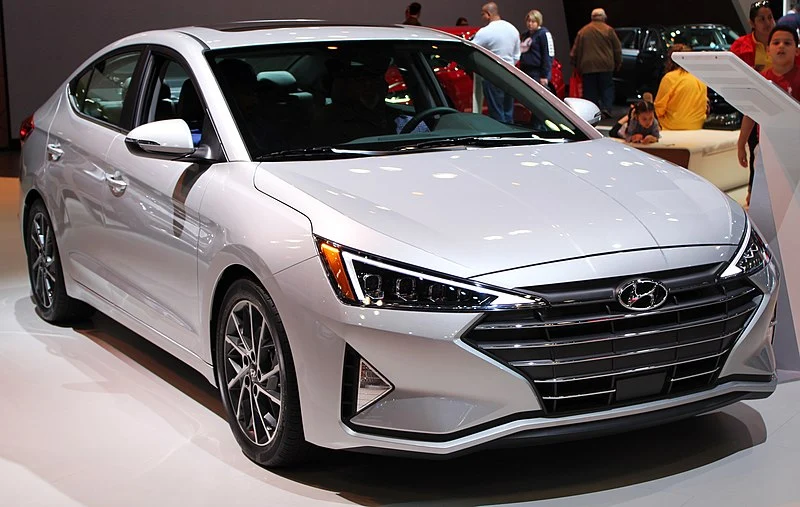
Hyundai is a good car brand for buyers who want many features without paying luxury-car prices. The company sells small cars such as the Elantra, family SUVs such as the Tucson and Santa Fe, performance models such as the Elantra N, and electric vehicles such as the Ioniq 5 and Ioniq 6.
Hyundai’s biggest strengths include:
• Competitive pricing compared with many Japanese and American rivals
• Long factory warranty coverage on many new vehicles
• Comfortable cabins with useful technology
• Good fuel economy across several models
• Strong safety equipment on many current vehicles
• A broad choice of gas, hybrid, plug-in hybrid, and electric powertrains
Still, Hyundai is not perfect. Some vehicles have had engine, transmission, theft, or software concerns. These issues do not affect every Hyundai, but they show why buyers should research the exact model and year rather than judge the whole brand by one vehicle.
For many shoppers, the better question is not simply “is Hyundai a good car?” It is “which Hyundai model and year offer the best ownership experience for me?”

Hyundai reliability: what owners should expect
Hyundai reliability is generally competitive, but results vary by model, engine, and production year. Reliability studies from major automotive research groups often place Hyundai near the middle of the market, with some models performing better than others.
A Hyundai can last well over 150,000 miles when it receives regular service. Some owners reach 200,000 miles or more. That result depends on oil changes, driving habits, climate, repair quality, and whether the vehicle has a known defect.
Common reliability factors include:
• Engine design and history
• Transmission type
• Maintenance records
• Recall completion
• Previous accident or flood damage
• Use of original or high-quality replacement parts
• How often the car was driven in heavy traffic or extreme heat
One practical lesson from comparing cars is that a brand name only tells part of the story. A well-maintained Hyundai Tucson may be a better buy than a neglected Toyota from the same year. Service records often matter more than the badge on the hood.
Used Hyundai buyers should search the vehicle identification number for open recalls. They should also check whether major warranty repairs were completed. A pre-purchase inspection by an independent mechanic can reveal oil leaks, worn suspension parts, poor repairs, and neglected maintenance.
Hyundai warranty coverage
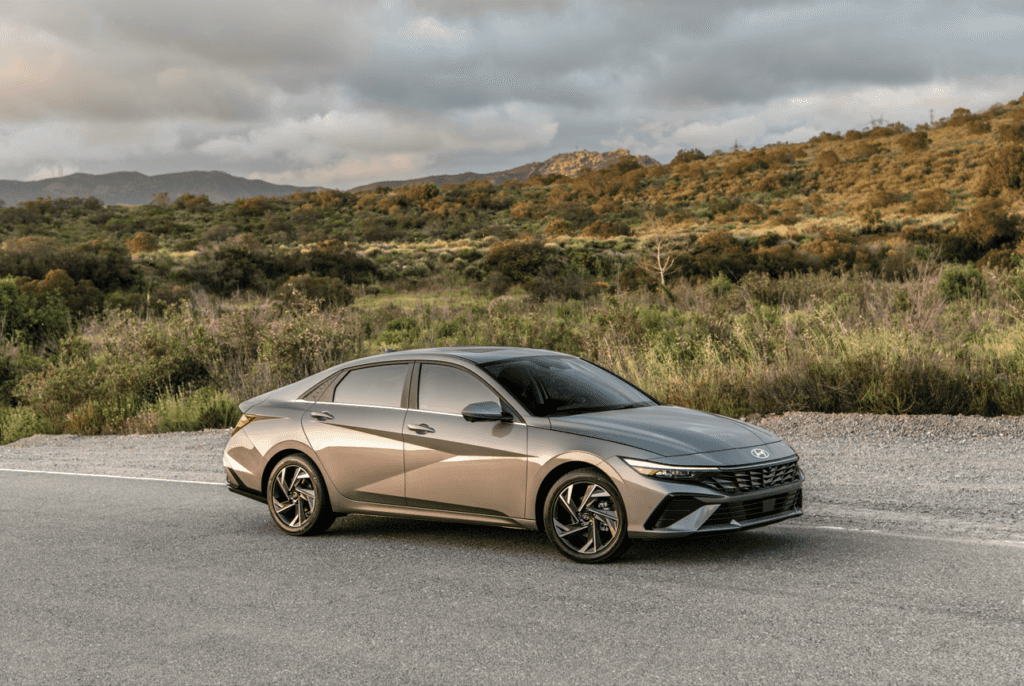
One reason many people ask “is Hyundai a good car” is the company’s warranty. Hyundai has traditionally offered one of the strongest new-car warranty packages in the United States.
Typical coverage for many new Hyundai vehicles includes:
• A limited new vehicle warranty that may cover five years or 60,000 miles
• A powertrain warranty that may cover 10 years or 100,000 miles for the original owner
• Roadside assistance for a limited period
• Separate coverage for hybrid and electric vehicle components
Exact terms can vary by vehicle, ownership status, state, and model year. The long powertrain warranty may also be less extensive for a second owner. Always read the warranty booklet instead of relying on a dealership advertisement or online summary.
A strong warranty is valuable, but it does not replace maintenance. Oil changes, tire rotations, brake service, fluid checks, and scheduled inspections are still the owner’s responsibility. Warranty coverage also may not pay for wear items, neglect, misuse, or damage caused by an accident.
The warranty can reduce financial risk during the first years of ownership. It may also make a new Hyundai more appealing than an older used vehicle with no remaining coverage.

Hyundai safety and crash protection
Many recent Hyundai vehicles include standard driver assistance features such as forward collision warning, automatic emergency braking, lane-keeping assistance, and a rearview camera. Higher trims may add blind-spot monitoring, adaptive cruise control, and a surround-view camera.
Safety scores are model specific. The Insurance Institute for Highway Safety and the National Highway Traffic Safety Administration test individual vehicles, not entire brands. A highly rated Hyundai SUV does not automatically mean every Hyundai car has the same crash performance.
Before buying, check:
• Crash-test ratings for the exact model and year
• Standard safety equipment on the trim you want
• Headlight performance
• Child-seat installation results
• Recall history
• Insurance claim and theft trends
Driver assistance systems can help prevent crashes, but they are not self-driving technology. They may struggle in rain, snow, faded lane markings, or poor lighting. Drivers still need to watch the road and remain ready to brake or steer.
)
Best Hyundai models to consider
The best Hyundai depends on your needs. A commuter, a large family, and an electric-car buyer will need very different vehicles.
Hyundai Elantra
The Elantra is a compact sedan with a roomy cabin, low fuel costs, and a reasonable purchase price. It suits commuters who want easy parking and good highway mileage.
The Elantra Hybrid can reduce fuel use even more. Buyers should compare the hybrid’s price premium with their yearly mileage and local fuel costs.
Hyundai Sonata
The Sonata offers more cabin space than the Elantra and usually feels more comfortable on long trips. It can be a good choice for drivers who prefer a traditional sedan over an SUV.
The main limitation is that midsize sedans are less popular than crossovers. Resale value and future model availability may not match the strongest competitors.
Hyundai Kona
The Kona is a small SUV with a distinctive design and useful technology. It works well for city driving and small households.
Its back seat and cargo area are not as generous as those in larger SUVs. Test the rear-seat space if you often carry adults or bulky gear.
Hyundai Tucson
The Tucson is one of Hyundai’s strongest all-around choices. It offers a comfortable ride, a practical cabin, and gas, hybrid, and plug-in hybrid versions in some model years.
The hybrid can be attractive for drivers who want lower fuel use without moving to a fully electric vehicle. Buyers should compare the trim, battery warranty, and available charging needs.
Hyundai Santa Fe
The Santa Fe provides more room than the Tucson and can suit families who need extra passenger space. Recent versions offer a bold design and useful storage.
As with any redesigned vehicle, early production years deserve extra research. New technology and new mechanical parts can bring improvements, but they can also bring early software or quality concerns.
Hyundai Palisade
The Palisade is a three-row SUV with a quiet cabin, a comfortable ride, and family-friendly features. It is a strong choice for road trips and regular passenger use.
It is larger and more expensive to operate than a Tucson. Fuel costs, tire prices, and repair bills may also rise with vehicle size.
Hyundai Ioniq 5
The Ioniq 5 is an electric crossover with a spacious interior, fast-charging capability, and a smooth ride. It can be a good choice for drivers who can charge at home or at a reliable public station.
Electric-car ownership depends heavily on charging access. If you cannot charge at home or work, daily use may require more planning.
Hyundai advantages and disadvantages
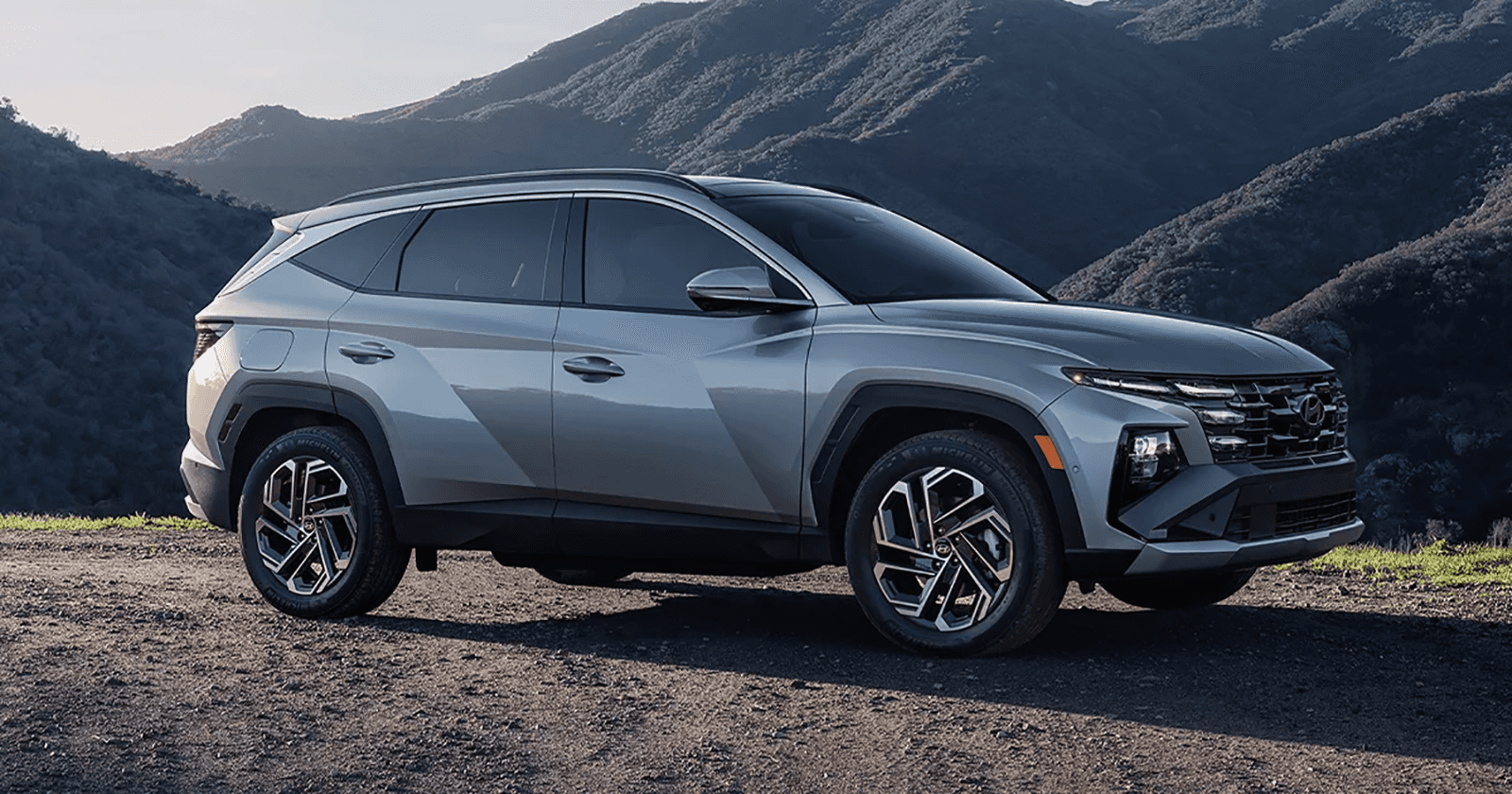
A balanced answer to “is Hyundai a good car” requires looking at both benefits and drawbacks.
Main Hyundai advantages
• Strong feature content for the price
• Long warranty coverage on many new models
• Comfortable seats and quiet cabins in several vehicles
• Good fuel economy from many engines and hybrids
• Attractive financing and lease offers at times
• Broad selection of SUVs and electric vehicles
• Easy-to-use infotainment in many recent models
Main Hyundai disadvantages
• Reliability varies greatly by model and year
• Some older vehicles have reported engine-related problems
• Certain models have faced theft concerns and insurance challenges
• Resale value may trail some Toyota and Honda models
• Dealer service quality can vary by location
• Advanced safety and electronic systems may be costly to repair after warranty coverage ends
No car brand is free from recalls or defects. The important issue is how often a problem occurs, how serious it is, and how well the manufacturer supports affected owners.
)
Common Hyundai problems
Common Hyundai problems depend on the vehicle. Older models with certain engines have been associated with oil consumption, engine noise, premature wear, or engine failure. Not every car with that engine will develop a problem, but maintenance history and recall status are very important.
Some Hyundai owners have also reported:
• Transmission hesitation or rough shifting
• Battery drain
• Electrical faults
• Infotainment glitches
• Air-conditioning problems
• Premature brake or suspension wear
• Paint or trim quality concerns
Theft risk has also affected certain older Hyundai and Kia vehicles that lacked electronic immobilizers. The issue does not apply equally to every Hyundai, and newer models may have different security equipment. Before buying a used vehicle, check insurance costs and confirm whether anti-theft software or hardware updates apply.
A practical mistake to avoid is buying a used Hyundai only because the price looks low. Request service records, get an insurance quote, check recalls, and pay for an inspection. A low purchase price can disappear quickly if the car needs a major repair.
Hyundai ownership costs
Hyundai ownership costs can be reasonable, but the final bill includes more than the monthly payment. Consider fuel, insurance, tires, brakes, registration, scheduled service, and unexpected repairs.
New Hyundai vehicles often offer good value because they include many standard features. However, higher trims may use larger wheels, special tires, or complex electronic equipment. Those items can cost more to replace.
Hybrid and electric Hyundai models may reduce fuel and routine maintenance costs. They may not need oil changes, and regenerative braking can reduce brake wear. On the other hand, battery repairs, charging equipment, and specialized service can be expensive outside warranty coverage.
To estimate the true cost, follow these steps:
Get insurance quotes using the exact vehicle identification number.
Check fuel costs using your yearly mileage.
Price four replacement tires.
Review the service schedule.
Ask a local Hyundai dealer for common repair prices.
Compare financing rates and warranty options.
Check resale values for similar vehicles.
This approach gives a clearer answer to “is Hyundai a good car” for your budget. A reliable vehicle can still be a poor financial choice if its insurance, financing, or repair costs are too high.
Is a new or used Hyundai better?
A new Hyundai offers the latest safety systems, a full warranty, and lower risk of hidden damage. It also comes with higher depreciation during the first few years.
A used Hyundai can offer excellent value, especially when the previous owner maintained it well. The best used choices often have complete service records, one or two careful owners, and a clean title.
When shopping for a used Hyundai:
• Review the vehicle history report
• Confirm the mileage and title status
• Search all open recalls
• Inspect the engine for leaks
• Listen for unusual engine or transmission sounds
• Test the air conditioner and electronics
• Check tire wear for alignment problems
• Take the car on city streets and highways
• Arrange an independent inspection
Certified pre-owned Hyundai vehicles may include additional warranty coverage and inspection benefits. Read the certification terms carefully. “Certified” does not mean the car is perfect, and coverage can vary by model year.
Hyundai compared with Toyota and Honda
Hyundai often competes with Toyota, Honda, Mazda, Subaru, Ford, and Nissan. The right comparison depends on the vehicle class.
Toyota and Honda have strong reputations for reliability and resale value. Hyundai often competes by offering more features, longer warranty coverage, and lower prices.
Mazda may provide sharper handling and a more upscale cabin feel. Subaru offers standard all-wheel drive on many models, which appeals to drivers in snowy regions. Ford and Nissan provide different choices in trucks, SUVs, and electric vehicles.
No brand wins every category. Compare the exact vehicles by:
• Purchase price
• Fuel economy
• Warranty
• Crash-test results
• Repair history
• Resale value
• Interior comfort
• Dealer reputation
• Availability of parts and service
This model-by-model approach is more accurate than saying one entire brand is always better.
How to decide if a Hyundai is right for you
Use your real driving habits, not just a brochure, to make the decision. Think about your commute, weather, passengers, parking, cargo, and access to service.
A Hyundai may be a strong fit if you want:
• A modern car with many standard features
• A long new-car warranty
• Good fuel economy
• An affordable family SUV
• A hybrid or electric option
• A comfortable daily driver
You may want to compare more brands if you prioritize:
• The highest possible resale value
• A very long history for a specific powertrain
• A large local dealer network
• Maximum towing capability
• Simple mechanical systems
Take at least two test drives. Drive over rough pavement, merge onto a highway, test the brakes, and sit in every seat. Check whether the controls feel natural and whether the cargo area fits your normal needs.
The best answer to “is Hyundai a good car” should come from the exact vehicle in front of you, its history, and your ownership plan.
Is Hyundai a good car? Frequently asked questions
Is Hyundai reliable?
Hyundai reliability is often competitive, but it varies by model, engine, and year. Regular maintenance and a complete recall check can greatly improve the odds of a trouble-free ownership experience.
Do Hyundai cars last a long time?
Yes, many Hyundai vehicles can last 150,000 miles or more with proper care. Reaching high mileage depends on timely service, driving conditions, repair quality, and the vehicle’s specific powertrain.
Is Hyundai cheaper to maintain than Toyota?
Hyundai maintenance can be less expensive in some cases, especially when the vehicle has affordable parts and a strong warranty. Toyota may offer better resale value, while Hyundai may offer more features for the initial price.
Are Hyundai cars safe?
Many recent Hyundai models include strong safety features and earn good crash-test scores. Safety results differ by model and year, so check the exact vehicle through current government and independent crash-test information.
Is a used Hyundai worth buying?
A used Hyundai can be worth buying when it has a clean title, complete service records, no serious recalls, and a good inspection result. Avoid choosing one based only on its low price.
Which Hyundai is best for families?
The Tucson, Santa Fe, and Palisade are common family choices because they offer useful cargo space and available safety technology. The right option depends on passenger needs, budget, fuel costs, and whether you need three rows.
Are Hyundai electric cars good?
Hyundai electric vehicles offer quick acceleration, quiet operation, and useful charging technology. They are best suited to drivers with dependable home, work, or public charging access.
Conclusion
So, is Hyundai a good car? For many drivers, yes. Hyundai offers strong value, useful technology, attractive SUVs, efficient hybrids, capable electric vehicles, and one of the better new-car warranty programs in the United States.
The key is to judge the exact model and year. Research reliability records, check recalls, compare insurance costs, review service history, and arrange an independent inspection before buying used. For a new vehicle, compare warranty terms and take a serious test drive.
Use these steps to choose with confidence, then compare your favorite Hyundai with similar Toyota, Honda, Mazda, and Subaru models. Share your Hyundai ownership experience or explore more vehicle guides before making your final decision.