
A branded title on a car shows that an official record has marked the vehicle with a serious history.
A branded title can affect a car’s value, safety, insurance, financing, and future resale. The brand may point to flood damage, a major crash, theft recovery, or another event defined by state law. This guide explains what the label means, how to check the records, and when a branded-title car may or may not be worth buying.
What is a branded title on a car?
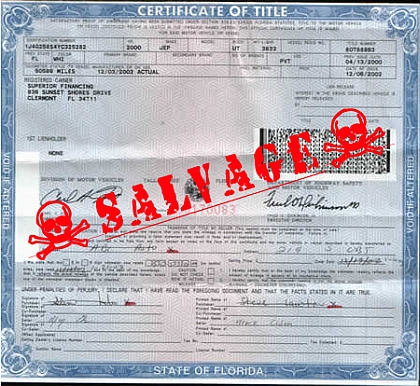
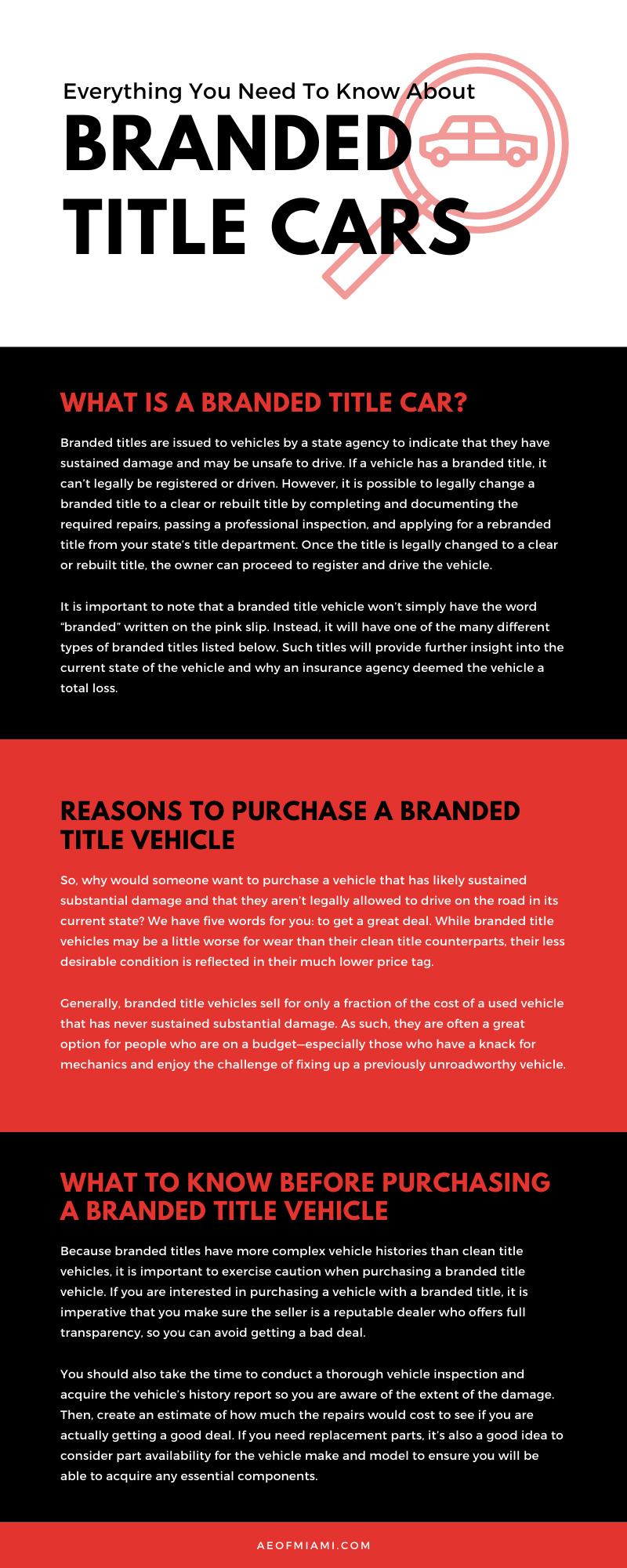
A branded title on a car is a permanent warning on its title record. A state motor vehicle agency adds the brand when the vehicle has suffered a major event or condition that can affect its safety, value, or history.
The exact meaning depends on the state. One state may use the term “flood,” while another may use “water damage.” Some states may label a heavily damaged vehicle “salvage,” “rebuilt,” or “reconstructed.”
Unlike a normal title, a branded title does not present the car as having a clean history. The brand usually stays with the vehicle for life, even after repairs.
Think of the title brand as a scar in the vehicle’s paperwork. Repairs may improve the car, but the record still tells future buyers that something important happened.
Common reasons for a branded title include:
• Severe collision damage
• Flood or water damage
• Hail or fire damage
• Theft recovery
• Odometer problems
• Use as a taxi, rental car, or police vehicle in some states
• Manufacturer buyback or lemon-law history
• Rebuilt or reconstructed status after a salvage inspection
A branded title does not always mean the car is unsafe today. However, it does mean you need more proof before trusting the vehicle.
How does a car receive a branded title?
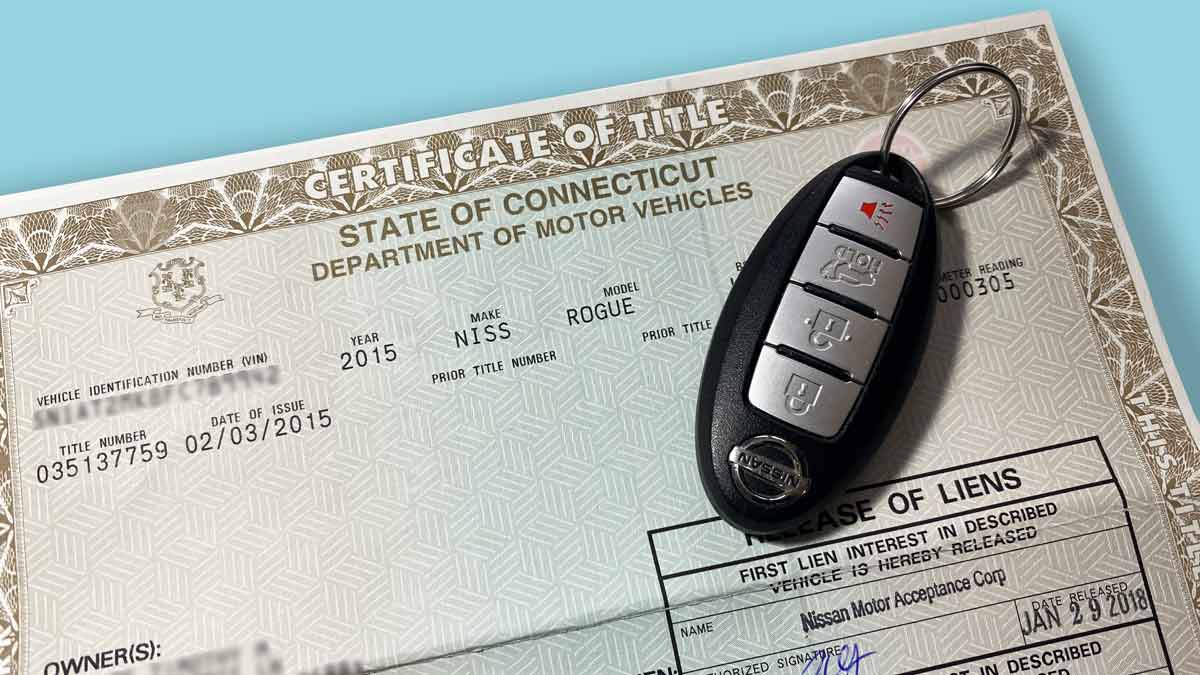
A vehicle often receives a branded title after an insurance company declares it a total loss. This usually happens when the cost to repair the car reaches a state-defined percentage of its pre-loss value.
For example, imagine a car worth $18,000 before a crash. If repairs cost $14,000, the insurer may decide that repairing it is not financially practical. The insurer pays the owner, takes possession of the vehicle, and reports the loss.
The state may then issue a salvage title or another branded title. The damaged vehicle can later be sold at an auction. A repair shop, dealer, or private buyer may rebuild it and apply for a new title.
The title may then change to “rebuilt” or “reconstructed.” That new label does not erase the earlier history. It only shows that the vehicle passed the state’s required inspection for rebuilt vehicles.
A car can also receive a branded title without a major crash. For example, floodwater can damage wiring, computers, airbag parts, and safety systems. The car may look clean after drying, but hidden corrosion can appear months later.
State rules vary widely. Before buying, check the rules of the state that issued the title and the state where you plan to register the car.
Common types of branded titles
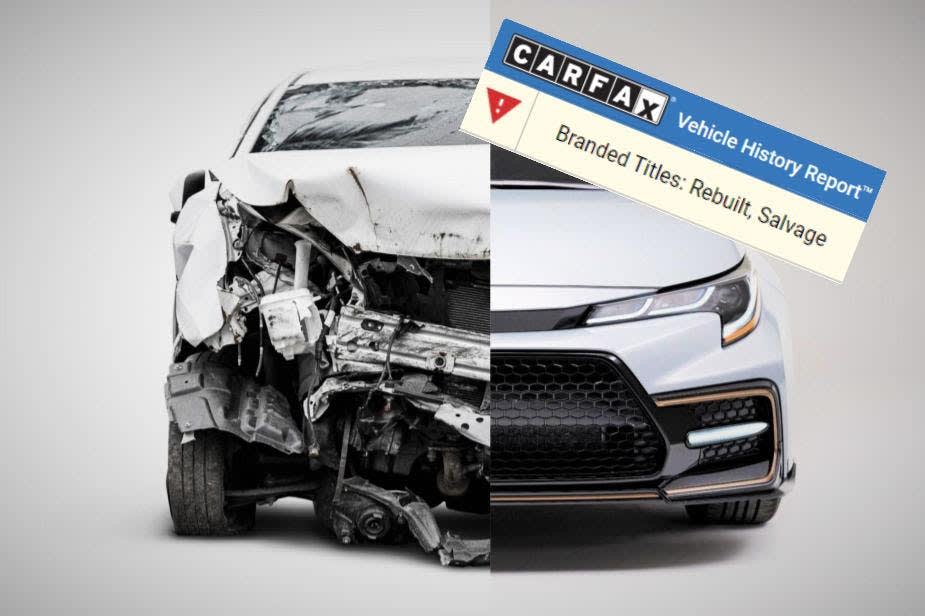
The title brand gives you a clue about the vehicle’s past. It does not always tell the whole story, so ask for repair records and inspection documents.
Salvage title
A salvage title usually means an insurer or state agency considered the vehicle a total loss. The vehicle may have severe crash damage, flood damage, fire damage, or another major problem.
In many states, you cannot legally drive a salvage vehicle on public roads until it has been repaired and inspected.
Rebuilt or reconstructed title
A rebuilt title often means a former salvage vehicle was repaired and passed a state inspection. The inspection may confirm that the vehicle’s major parts are present and that it meets basic requirements.
This inspection may not be a full mechanical, electrical, or safety evaluation. A separate inspection by an experienced mechanic is still essential.
Flood or water-damage title
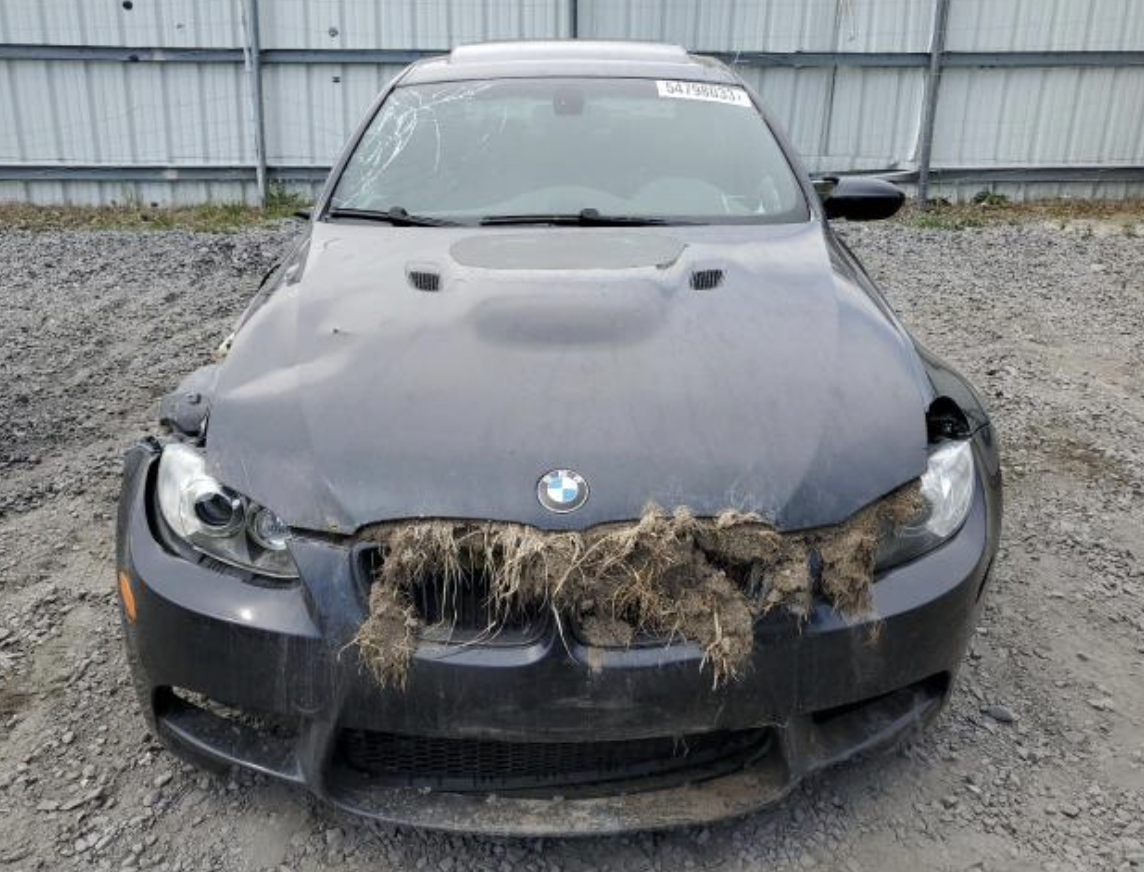
A flood brand means water damaged the vehicle. Flood damage can affect the engine, transmission, brakes, airbag system, electrical wiring, and interior materials.
A flood-damaged car can be difficult to identify by sight. Look for a musty smell, rust under seats, water lines, damp carpets, corroded connectors, and mismatched interior parts.
Hail-damage title
A hail brand usually means the vehicle suffered enough hail damage for an insurer to declare it a total loss. The car may run well, but its roof, hood, trunk, glass, and paint can have serious damage.
Hail damage may be mostly cosmetic. Still, check for broken glass, water leaks, damaged sensors, and poor repairs.
Theft-recovery title
A theft-recovery brand can apply when a stolen vehicle is found after an insurance claim has been paid. The vehicle may have missing parts, wiring damage, forced-entry damage, or altered components.
Ask whether all original parts are present. Also confirm that the vehicle identification number, or VIN, matches every record and label.
Lemon-law or manufacturer buyback title
A lemon-law brand may indicate that a manufacturer repurchased the car because it had repeated problems that could not be fixed within a reasonable number of attempts.
This brand does not always mean the car was wrecked. It does mean you should learn the original defect, review repair records, and confirm that the issue was corrected.
Branded title versus salvage title
“Branded title” is the broad term. “Salvage title” is one specific type of brand.
In simple terms:
• A branded title is any title with a special history label.
• A salvage title often means the vehicle was declared a total loss and cannot yet be registered for normal road use.
• A rebuilt title often means the salvage vehicle was repaired and passed a state inspection.
• A clean title has no major brand recorded by the state, but it is not a guarantee that the car has never been damaged.
This difference matters when you shop online. A seller may say “rebuilt title” instead of “salvage title,” but both labels point to a major past event.
A title brand can also be missed when a vehicle moves between states. This practice is known as title washing. Some states may fail to carry over a brand clearly, or a dishonest seller may try to hide the history.
Use the National Motor Vehicle Title Information System, a trusted vehicle-history provider, and the state DMV to compare records.
Is a branded title car safe?
A branded title car may be safe, but the title alone cannot prove that it is safe. Its condition depends on the quality of the repairs, the parts used, and the extent of the original damage.
A rebuilt car repaired by a skilled shop with factory parts may be in better shape than a clean-title car that was poorly maintained. On the other hand, a vehicle with hidden flood damage may develop dangerous failures long after purchase.
Pay special attention to safety systems:
• Airbags and seat belt pretensioners
• Crumple zones and frame alignment
• Anti-lock brakes
• Electronic stability control
• Steering and suspension
• Advanced driver assistance sensors
• Wiring and battery systems
A proper inspection should include a scan of the vehicle’s computer modules. It should also check for diagnostic trouble codes, frame damage, corrosion, uneven tire wear, fluid contamination, and signs of poor body repair.
Never rely only on a seller’s statement that the car “drives fine.” A short test drive cannot reveal every problem.
Advantages and disadvantages of buying a branded title car
The main attraction is price. A branded title car may cost far less than a similar vehicle with a clean title.
Possible benefits
• Lower purchase price
• Access to a newer car for less money
• A good choice for a buyer who plans to keep the car for many years
• Potential value when damage was minor and repairs were well documented
• Useful transportation if the buyer accepts the resale limits
Major disadvantages
• Lower resale value
• Fewer financing options
• Higher insurance costs or limited coverage
• Hidden mechanical and electrical problems
• Difficulty proving repair quality
• Trouble registering the vehicle in some states
• Limited or no factory warranty
• Fewer interested buyers when you sell it
In my experience reviewing used-car decisions, the biggest mistake is focusing only on the discount. A $6,000 price cut can disappear quickly if the car needs wiring work, tires, sensors, or suspension repairs.
The better question is not, “How cheap is this car?” Ask, “What is the total cost, and can I prove the repairs were done correctly?”

How to inspect a branded title car before buying
Treat the purchase like a small investigation. Take your time, even if the seller says another buyer is waiting.
1. Get the VIN
Find the 17-character VIN on the dashboard, driver-side door label, registration, and title. Every number should match.
2. Check the title
Read the title brand carefully. Look for words such as salvage, rebuilt, flood, reconstructed, fire, hail, or lemon law.
3. Order vehicle-history reports
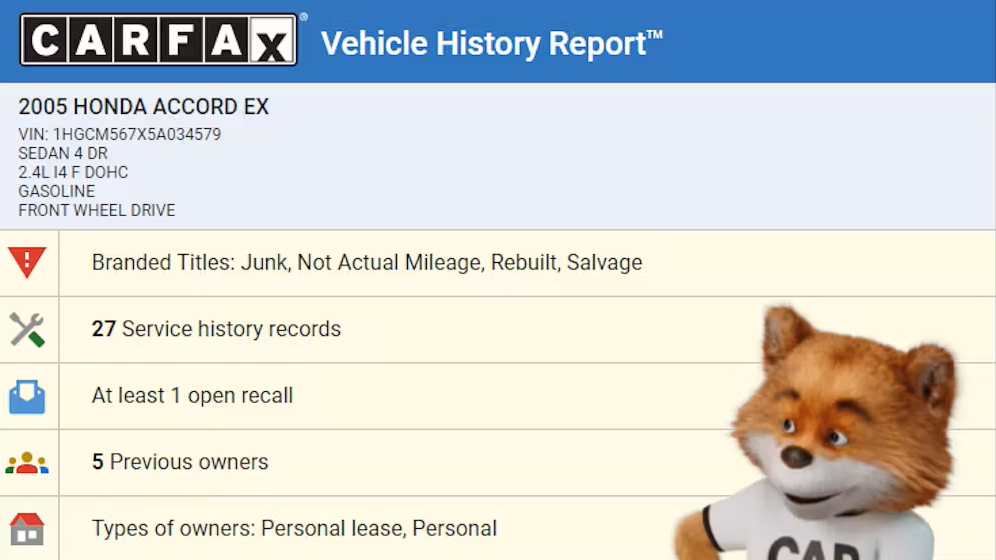
Use more than one record source when possible. A report may show insurance claims, auction photos, odometer readings, theft records, inspection events, and title changes.
No report is perfect. A clean report does not prove that a car has never been damaged.
4. Review auction photos
Old auction photos can reveal damage that fresh paint now hides. Look for crushed panels, missing airbags, water lines, broken glass, and wheel damage.
5. Hire an independent mechanic
Choose a mechanic who has no connection to the seller. Ask for a written inspection that covers the frame, engine, transmission, electronics, airbag system, and underbody.
6. Test every feature
Check the windows, locks, lights, climate system, infotainment, cameras, sensors, warning lamps, and seat belts. Flood and theft damage often affects systems that buyers forget to test.
7. Compare the price
Compare the car with similar branded-title vehicles, not only clean-title cars. The discount should reflect the risk and the future resale problem.
8. Put promises in writing
If the seller promises new tires, repairs, parts, or a warranty, include those terms in the sales contract. Verbal promises are hard to enforce.
Can you finance or insure a branded title car?
Financing a branded title car can be difficult. Many banks and credit unions avoid these vehicles because their value is harder to estimate and their history creates more risk.
Some lenders may finance a rebuilt vehicle, but they may require:
• A state inspection document
• A professional appraisal
• A larger down payment
• A shorter loan term
• A higher interest rate
• Proof of insurance
Insurance can also be limited. Some companies may offer liability coverage but refuse comprehensive or collision coverage. Others may insure the car only after an inspection and an appraisal.
Before you buy, call your insurer with the VIN. Ask specifically about coverage for a salvage, rebuilt, flood, or other branded title vehicle.
Do not assume that a low purchase price means low ownership cost. A car with a branded title on a car record may have higher premiums, weaker coverage, and fewer repair options.
How does a branded title affect the car’s value?
A branded title usually lowers a car’s market value. The exact reduction depends on the brand, damage type, repair quality, mileage, make, model, and local rules.
A repaired hail-damage vehicle may lose less value than a flood-damaged vehicle. A carefully rebuilt sports car may attract buyers, while a rebuilt family SUV with missing safety equipment may be much harder to sell.
A branded title also reduces the number of potential buyers. Many people do not want the added risk, and some lenders will not approve loans for these vehicles.
When estimating value, consider:
• The price of a similar clean-title car
• The specific title brand
• The quality and proof of repairs
• The cost of future insurance
• The likely resale price
• The cost of an independent inspection
A vehicle-history report can help, but it should not replace an expert inspection.
How to sell a car with a branded title
Honesty is the safest selling strategy. Tell buyers about the title brand before they inspect the vehicle.
Provide:
• A clear photo of the title
• Repair invoices
• Before-and-after photos
• State inspection paperwork
• Maintenance records
• Recent inspection results
• Information about replaced airbags, body panels, and major parts
Do not advertise a rebuilt car as having a clean title. Do not hide the VIN or avoid questions about the vehicle’s past. Misleading a buyer can create legal and financial problems.
A fair price should account for the branded title, not just the vehicle’s age and mileage. Clear records can help you receive a better offer because they reduce uncertainty.
Laws and title brands vary by state
There is no single national definition for every title brand. State agencies set their own damage thresholds, inspection rules, naming systems, and disclosure requirements.
For example, the percentage of damage that triggers a total-loss classification can differ from one state to another. A vehicle that receives a salvage title in one state may have a different classification elsewhere.
For the most accurate answer, check:
• Your state department of motor vehicles
• The state that issued the title
• Your insurance company
• The National Motor Vehicle Title Information System
• A licensed inspection professional
Federal systems can help reveal title and theft records, but they may not show every repair or minor accident. Use several sources and compare the dates, mileage, and descriptions.
Mistakes to avoid with a branded title car
Many buyers make the same errors because the discount feels exciting. Avoid these common problems:
• Buying without seeing the title
• Skipping the independent inspection
• Assuming rebuilt means factory quality
• Trusting fresh paint as proof of a good repair
• Ignoring flood warning signs
• Forgetting to check insurance first
• Paying a clean-title price for a branded vehicle
• Accepting a seller’s promise without written proof
• Failing to compare VIN records
• Buying under pressure
One practical lesson is simple: never spend your entire budget on the purchase. Keep money aside for tires, fluids, sensors, registration, and unexpected repairs.
A branded title car can be a reasonable choice for an informed buyer. It is a poor choice for someone who needs predictable costs and easy resale.
Frequently Asked Questions About What Is a Branded Title on a Car
Is a branded title the same as a clean title?
No. A branded title contains a permanent record of major damage, loss, or another special condition. A clean title does not carry that brand, but it still does not guarantee that the car has never been damaged.
Can a branded title be removed?
Usually, no. A state may change a salvage title to rebuilt after repairs and inspection, but the vehicle’s branded history generally remains. Title-washing attempts are illegal and can create serious problems for future owners.
Is it worth buying a car with a branded title?
It may be worth considering if the price is low, the repairs are documented, and an independent mechanic approves the vehicle. It may not be worthwhile if you need easy financing, full insurance, strong resale value, or dependable ownership costs.
Can you get insurance for a branded title car?
Yes, but coverage varies by insurer and title type. Liability coverage may be available, while comprehensive and collision coverage may require an inspection or may not be offered at all.
Can a branded title car be financed?
Some lenders finance rebuilt vehicles, but many do not. You may need a larger down payment, a higher interest rate, or an appraisal before approval.
Does a branded title mean the car is unsafe?
Not always. The title identifies a serious past event, but safety depends on the damage and repair quality. A professional inspection is the best way to assess the vehicle’s current condition.
How much does a branded title reduce a car’s value?
There is no fixed percentage for every vehicle. The reduction depends on the brand, damage, repairs, mileage, model, insurance rules, and local market demand.
How can I check whether a car has a branded title?
Review the physical title, compare the VIN on the car and paperwork, contact the state DMV, and order vehicle-history reports. Also check old auction photos and request repair records.
Conclusion
A branded title on a car is a lasting warning that the vehicle experienced major damage, a total loss, theft recovery, flood exposure, or another state-defined event. The label does not automatically make the car unsafe, but it does add risk and usually lowers value.
Before buying, verify the title, research the VIN, inspect old photos, confirm insurance, and hire an independent mechanic. A large discount is helpful only when it reflects the true repair risk and future resale limits.
Take the time to investigate every branded-title car like your safety and budget depend on it—because they do. Share your experience with branded-title vehicles or explore your state DMV’s title rules before making an offer.