

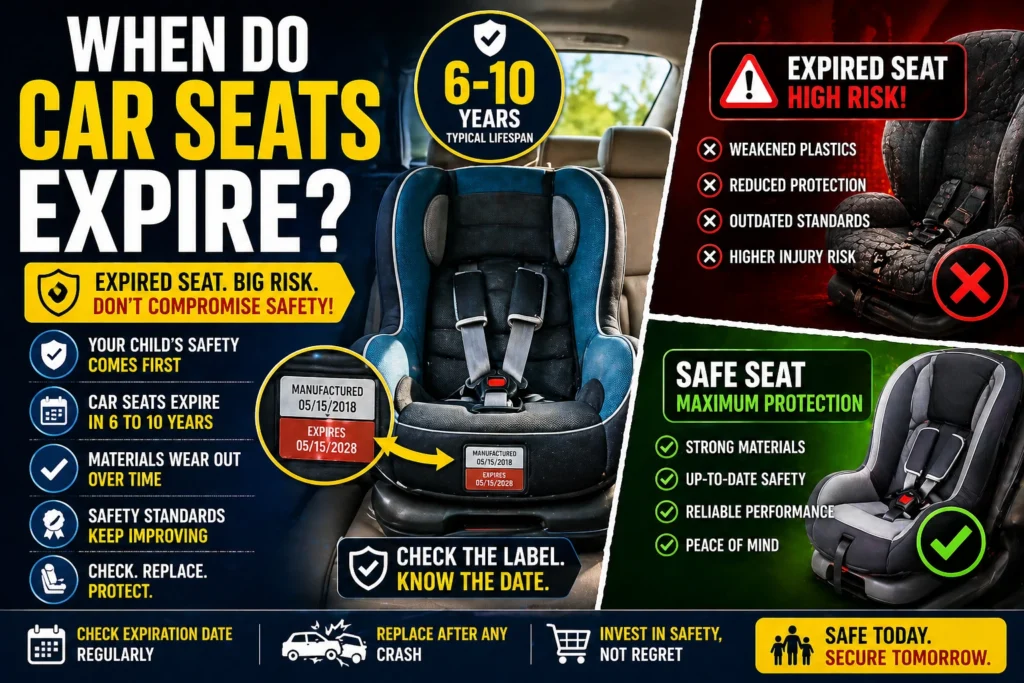
Most car seats in the United States expire six to ten years after the date of manufacture. The exact period depends on the brand and model. Some seats expire six years after manufacture, while others last longer.
The expiration date is set by the manufacturer. There is no single expiration date that applies to every car seat in the U.S. Always check the seat’s label, manual, or the manufacturer’s website before using it.
A car seat that has expired, suffered damage, or has an unknown history should not be used. The safest next step is to replace it with a seat that fits the child, the vehicle, and the current instructions.
How to Find a Car Seat’s Expiration Date
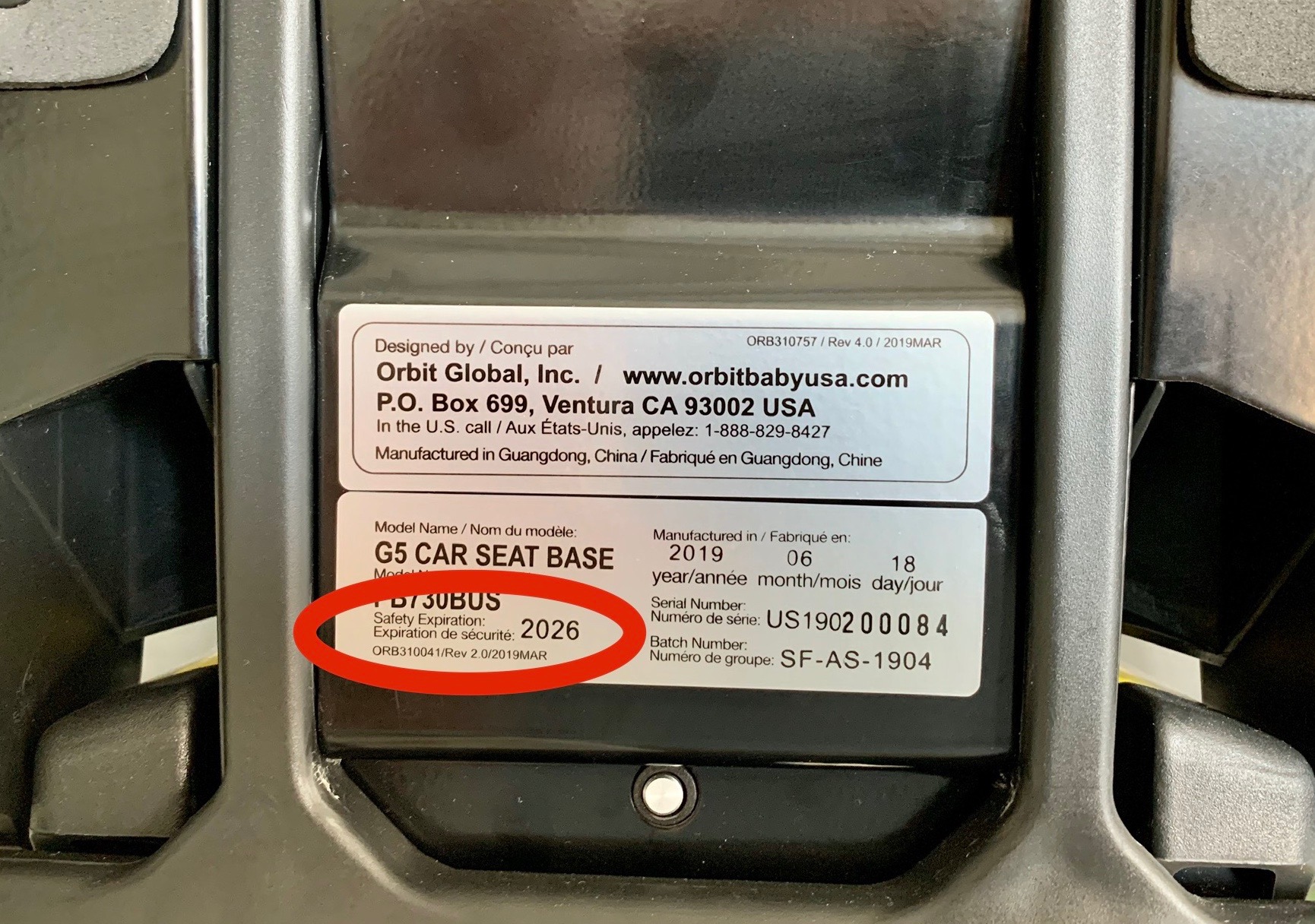
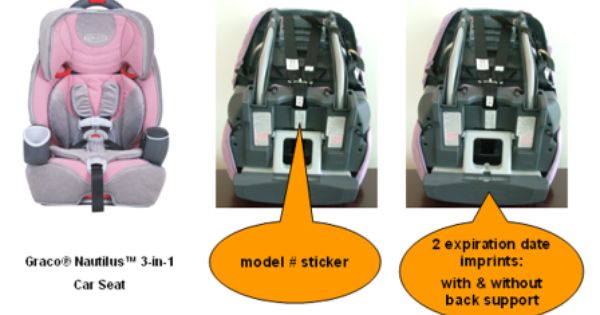
The easiest way to find a car seat’s expiration date is to look for a printed label or stamped date on the seat. Many manufacturers list the expiration period instead of printing the final expiration date.


Check these areas:
- The back, side, or bottom of the seat
- Near the harness adjuster
- Under the seat cover
- On the base of an infant car seat
- On the registration label
- In the owner’s manual
Look for wording such as:
- “Do not use after…”
- “Expires…”
- “Useful life”
- “Manufactured on”
- “Manufacture date”
- “Replace after six years”
If the label gives only a manufacture date, calculate the expiration date using the manufacturer’s stated useful life.
Example calculation
Suppose a car seat was made on March 15, 2021, and the manual says it expires after six years. The seat should not be used after March 15, 2027, unless the manufacturer gives different instructions.
Do not count from the date you bought the seat. Do not count from the date you first used it. In most cases, the clock starts on the date of manufacture.
If you cannot find the date, contact the manufacturer with the model name, model number, and any serial number. A manufacturer may be able to identify the seat and its useful life.
Why Do Car Seats Expire?
Car seats expire because their materials, design, and instructions can become outdated. Expiration does not mean the seat will suddenly fail on a particular day. It means the manufacturer no longer considers the seat suitable for use after that date.
Several factors support the expiration period.
Materials can age
Car seats contain plastic, foam, webbing, and other parts that can change over time. Heat, cold, sunlight, moisture, and repeated use may affect these materials.
A seat stored in a hot vehicle may face more heat exposure than one kept indoors. However, parents should not try to estimate a seat’s remaining life based on appearance alone. Plastic can look normal and still be old.
Safety designs can change
Manufacturers update car seats as safety knowledge, product designs, and testing methods develop. An older seat may not include newer features or instructions.


An expired seat may still look clean and intact. That does not make it current or approved for continued use.
Labels and instructions may become hard to use
A seat’s labels explain how to install and use it. Over time, labels can fade, manuals can disappear, and model-specific replacement parts can become unavailable.
A missing manual is not always a reason to discard a new seat. Many manufacturers provide manuals online. But if you cannot identify the model or confirm its instructions, do not guess.
The manufacturer sets the useful life
The manufacturer determines how long it supports a particular seat. That period may differ between models from the same company.
For that reason, “all car seats expire after six years” is not accurate. Six years is common, but it is not a universal U.S. rule.

Is It Illegal to Use an Expired Car Seat?
In the United States, there is no general federal law that gives every car seat the same expiration date. But that does not make an expired seat a good choice.
State child passenger safety laws usually focus on a child’s age, size, seating position, and restraint type. They may not specifically mention expired seats. Laws also vary by state and can change.
An expired seat may create other problems:
- The manufacturer no longer supports its use.
- The seat may not have current labels or instructions.
- Replacement parts may not be available.
- The seat may have hidden damage.
- Its crash performance is no longer covered by the manufacturer’s stated useful life.
The National Highway Traffic Safety Administration recommends following the car seat manufacturer’s instructions. Parents should also follow their state’s child passenger safety law.
If you need help with installation, a certified Child Passenger Safety Technician can check the seat and vehicle setup. A technician may help identify the model and explain the seat’s instructions, but they cannot extend the manufacturer’s expiration date.

Do Infant Car Seats, Convertible Seats, and Booster Seats Expire?
Yes. Infant car seats, convertible car seats, all-in-one seats, harnessed boosters, and belt-positioning boosters can all have expiration dates.
The expiration period can vary by:
- Brand
- Model
- Production date
- Seat type
- Base or carrier design
- Manufacturer instructions
Infant car seats
An infant seat may include a carrier and a separate base. Check the expiration information for both parts.
Some bases can be used with more than one carrier from the same product family. That does not mean every base is compatible with every carrier. Use only the combinations approved by the manufacturer.


Convertible car seats
Convertible seats often remain in use for several years because they can face the rear and later face forward. Their longer use can make expiration easier to overlook.
Check the date before moving a convertible seat from one child to another. A seat that was safe for an older child may be close to, or past, its expiration date.
Booster seats
Booster seats also have useful-life limits. They rely on the vehicle’s lap-and-shoulder belt to restrain the child, but the booster itself still has plastic, padding, labels, and belt-routing parts that age.
Never assume a booster lasts forever because it does not have a five-point harness.

How to Check Whether a Used Car Seat Is Safe
A used car seat can be difficult to evaluate. The key issue is not only its age. You also need to know its full history.
Before using a secondhand seat, confirm all of the following:
- You know the original owner or a reliable source.
- The seat has not been in a crash.
- The seat is not recalled.
- The expiration date has not passed.
- All parts are present.
- The labels are readable.
- The seat has not been modified.
- The manufacturer still provides the correct instructions and replacement parts.
Avoid a used car seat if the seller cannot answer basic questions about its history. This includes seats found at a yard sale, thrift store, online marketplace, or garage.
A low price does not offset an unknown crash history. Do not accept a seat if the owner says, “It should be fine,” but cannot confirm its age or history.
Check for recalls
Search the seat at the NHTSA recalls website. You will need the manufacturer, model name, and model number. Some recalls affect only certain production dates or batches.
You can also register the seat with the manufacturer. Registration helps the company contact you about recalls and safety notices.
Do not wash parts without checking the manual
Car seat covers may often be removed and washed, but the manual controls the process. Some cleaning products, dryers, solvents, and methods can damage the harness or other parts.
Never replace a harness with a generic strap. Use only parts approved by the manufacturer.

When Should You Replace a Car Seat Besides Expiration?
Replace a car seat after its expiration date, after certain crashes, or when it has damage that affects safe use.
After a moderate or severe crash
NHTSA recommends replacing a car seat after a moderate or severe crash. A seat may look normal after a crash and still have damage that cannot be seen.


NHTSA says a seat may continue to be used after a minor crash only when all five conditions are met:
- The vehicle could be driven away from the crash.
- The door nearest the car seat was not damaged.
- No one in the vehicle was injured.
- The airbags did not deploy.
- There is no visible damage to the car seat.
If even one condition is not met, replace the seat. When in doubt, contact the manufacturer.
After visible damage
Replace the seat if you see:
- Cracks in the shell
- Broken or missing parts
- Frayed harness webbing
- Torn straps
- A bent or damaged base
- Missing labels
- Loose pieces
- Damage from a fall or impact
Do not repair a car seat with glue, tape, screws, or parts from another model.
After a product recall
A recall notice may tell you to repair the seat, replace a part, or stop using the seat. Follow the specific recall instructions.
If the manufacturer cannot provide the remedy, or if the seat is too old for support, replace it.

What to Do With an Expired Car Seat
Do not donate or sell an expired car seat as though it were safe to use. This can pass the risk to another family.
Instead:
- Check whether the manufacturer offers a recycling or trade-in program.
- Ask your local waste or recycling department about accepted materials.
- Remove the cover and padding if local guidance allows.
- Cut the harness straps.
- Mark the shell with a permanent message such as “Expired—Do Not Use.”
- Place the seat out for disposal according to local rules.
Do not destroy a seat before checking for a recall or warranty issue. Keep the model and serial information until you know you no longer need it.
Some recycling programs accept only certain brands or parts. Rules also vary by city and state, so verify the current instructions before placing the seat in a recycling bin.

Car Seat Expiration Checklist
Use this short checklist when checking a seat:
| Check | What to look for |
|---|---|
| Manufacture date | A date printed or stamped on the seat |
| Expiration rule | The useful life listed by the manufacturer |
| Final date | Manufacture date plus the stated useful life |
| Crash history | No moderate or severe crash |
| Recall status | No open recall, or the recall remedy is complete |
| Condition | No cracks, broken parts, frayed straps, or missing labels |
| Parts | Correct base, insert, harness, buckle, and padding |
| Instructions | Current manual for the exact model |
| Fit | Seat fits the child and vehicle |
| State law | Current rules for where and how the child must ride |
If you cannot confirm one of these items, pause before using the seat. Contact the manufacturer or ask a Child Passenger Safety Technician for help.

Common Mistakes About Car Seat Expiration
“The seat is clean, so it is safe.”
Cleanliness does not prove that a seat is safe. A clean seat may be expired, recalled, or damaged.


“The expiration date starts when I buy it.”
Usually, the useful life starts at manufacture, not purchase. A seat may sit in a warehouse or store before you buy it.
“Only infant seats expire.”
All major types of child restraints can expire, including boosters.
“A minor crash always destroys a seat.”
Not every minor crash requires automatic replacement under NHTSA’s five-condition guidance. Check every condition carefully. If you cannot confirm all five, replace the seat or ask the manufacturer.
“A new cover makes an old seat safe.”
A new cover cannot restore old plastic or change the expiration date.
“The law does not mention expiration, so it is fine.”
Legal minimums and manufacturer safety instructions are not the same thing. A seat can meet a state law’s general restraint requirement and still be expired or unsuitable for use.
Frequently Asked Questions
Do car seats expire after six years?
Many car seats expire after six years, but not all do. Check the exact model’s label and manual. Some seats have a longer or shorter useful life.
Does a car seat base expire separately?
It can. Check the base and carrier instructions. If the base has its own label or manufacture date, use the manufacturer’s guidance for that base.
Can I use an expired car seat in an emergency?
An expired seat is not a reliable safety plan. If a child needs to travel, use a current, undamaged seat that fits the child and vehicle.
Can I give an expired car seat to a charity?
Do not donate it for normal use. Ask the charity about its policy, but expect an expired seat to be refused. Mark it clearly as expired and use an approved disposal or recycling option.
Where can I get help installing a car seat?
You can find a certified Child Passenger Safety Technician through the National CPS Certification Program. You can also contact your local health department, fire department, hospital, or police agency. Services vary by location, so confirm before visiting.
Conclusion
Most car seats in the U.S. expire six to ten years after manufacture, but the exact date comes from the manufacturer. Find the label, read the model-specific instructions, check for recalls, and do not use a seat with an unknown history.
Replace the seat after its expiration date, after a qualifying crash, or when it has damage or missing parts. If the date or condition is unclear, contact the manufacturer or a certified Child Passenger Safety Technician before placing a child in the seat.
Sources and further reading
- National Highway Traffic Safety Administration: Car Seats and Booster Seats
- NHTSA: Car Seat and Booster Seat Recommendations
- NHTSA: Recalls
- National CPS Certification Program
- The owner’s manual and labels for the specific car seat model
