
Most Genesis cars are made in South Korea, while select GV70 models are now built in Alabama.
The answer to where are Genesis cars made depends on the model, trim, and destination market. Genesis, Hyundai Motor Group’s luxury brand, has built its reputation on Korean design and engineering, but its production network now includes the United States. This guide explains each manufacturing site, identifies which Genesis models are made there, and shows how to verify the origin of a specific vehicle.
Where Are Genesis Cars Made?
Genesis cars are made mainly in South Korea. The brand’s main production base is in Ulsan, a major automotive manufacturing city on the southeast coast of the country.
Some Genesis SUVs are also assembled in the United States. Hyundai Motor Manufacturing Alabama, located in Montgomery, began building selected Genesis GV70 models for the North American market.
The main Genesis production locations include:
• Ulsan, South Korea: Produces most Genesis sedans and SUVs.
• Montgomery, Alabama: Builds selected Genesis GV70 and Electrified GV70 models.
• Other regional facilities: Genesis vehicles may pass through local inspection, distribution, or delivery centers, but these sites do not always perform full vehicle assembly.
Understanding where Genesis cars are made is useful when comparing inventory, checking a vehicle’s country of origin, or researching parts and warranty details.
Genesis Manufacturing in South Korea
South Korea remains the heart of Genesis production. Hyundai Motor Group has decades of experience building vehicles there, and Genesis benefits from the group’s advanced plants, skilled workforce, and shared engineering resources.
Ulsan is one of the world’s largest automobile manufacturing centers. It supports body stamping, welding, painting, engine work, final assembly, and quality testing. This allows Hyundai and Genesis to control much of the manufacturing process in one location.
Most Genesis models sold around the world have traditionally come from South Korea. This includes many versions of the:
• G70 sport sedan
• G80 midsize luxury sedan
• G90 flagship sedan
• GV60 electric crossover
• GV70 compact luxury SUV
• GV80 midsize luxury SUV
Model availability can change by year and market. A Genesis model sold in the United States may have a different production location from the same model sold in another country.
Why Ulsan Matters
Ulsan is not simply a final assembly site. It is part of a larger manufacturing network that supports vehicle development, testing, and export.
The plant’s location also gives Genesis access to South Korea’s established supplier base. Components such as electronics, interior parts, powertrain systems, and body panels can move through a well-developed regional supply chain.
That does not mean every part comes from Korea. Modern vehicles use parts from many countries. However, the vehicle’s final assembly location is typically listed as South Korea when the car is built in Ulsan.
Genesis Production in the United States
Genesis expanded production in the United States to support growing demand in North America. Hyundai Motor Manufacturing Alabama began producing selected Genesis GV70 models in Montgomery.
The Alabama facility is best known for building Hyundai vehicles, but its production capabilities were expanded to include Genesis vehicles. The plant has also added work related to electric vehicle manufacturing.
The U.S.-built Genesis models include:
• Genesis GV70
• Genesis Electrified GV70
These models are intended mainly for the North American market. Production details can vary by model year, factory schedule, and trim level.
It is important to check the vehicle identification number, or VIN, rather than assume every GV70 was built in Alabama. Some GV70 vehicles remain imported from South Korea, especially when they were produced before U.S. assembly began or when supply needs changed.
What U.S. Production Means for Buyers
A Genesis built in Alabama is still a Genesis product developed under Hyundai Motor Group. The company uses standardized engineering, inspection, and quality procedures across its manufacturing network.
The assembly country may affect shipping time and inventory availability. It usually does not tell you whether one vehicle is automatically better than another.
For buyers, the more useful questions are:
• Was the vehicle assembled to the correct factory specifications?
• Does it have a clean service history?
• Is the VIN free of open recalls?
• Does the vehicle have the warranty coverage promised by the seller?
A factory location is helpful information, but it should not replace a full vehicle inspection.
Where Is Each Genesis Model Built?
Production can change over time, so the following guide should be treated as a general reference rather than a permanent rule.
Genesis G70
The G70 sport sedan has traditionally been built in South Korea. It is one of the brand’s smaller performance-focused models and is exported to several global markets.
Genesis G80
The G80 midsize luxury sedan is generally produced in South Korea. It is sold in both gasoline and electrified versions, depending on the market and model year.
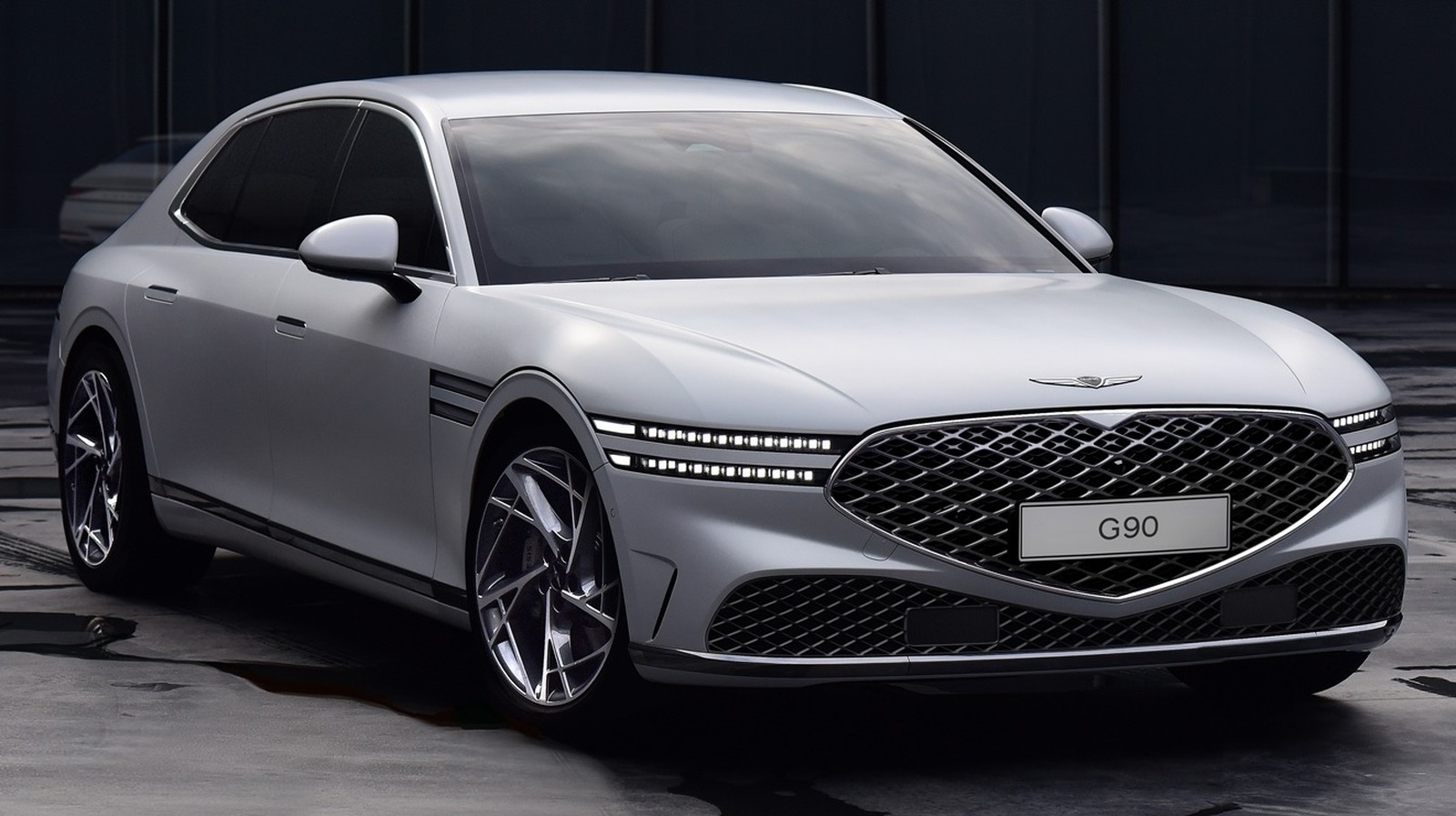
Genesis G90
The G90 flagship sedan is primarily made in South Korea. Its low production volume and high level of hand-finished interior work fit the brand’s Korean luxury manufacturing base.
Genesis GV60
The GV60 electric crossover is generally built in South Korea. It shares technology with other Hyundai Motor Group electric vehicles but has its own Genesis design and luxury features.
Genesis GV70
The GV70 has been produced in South Korea and, for selected North American versions, in Alabama. The exact origin depends on the model year and VIN.
Genesis Electrified GV70
The Electrified GV70 has been associated with production in both South Korea and the United States for different market needs. Buyers should confirm the origin of a particular vehicle before purchase.
Genesis GV80
The GV80 has traditionally been built in South Korea. It remains one of the brand’s most important global SUVs.
Production plans can change as demand, tariffs, transportation costs, and electric vehicle capacity shift. Dealers and official VIN records provide the most reliable answer for a specific vehicle.

Are Genesis Cars Korean or American?
Genesis is a Korean luxury automobile brand. It was created by Hyundai Motor Group and launched as a separate luxury marque in 2015.
A Genesis built in Alabama is American-assembled, but the brand itself remains Korean. The vehicle may also use parts sourced from several countries, as is normal in the modern auto industry.
This distinction matters because “made in” can mean different things:
• Brand origin: The country where the company or marque began.
• Vehicle design: The location of major styling and engineering work.
• Component origin: The countries where individual parts were made.
• Final assembly: The plant where the vehicle was put together and completed.
When people ask where are Genesis cars made, they usually mean final assembly. In that sense, the answer is mainly South Korea, with selected GV70 production in the United States.

How to Tell Where a Genesis Was Built
The easiest way to identify a Genesis vehicle’s production country is to check the VIN.
A VIN is a 17-character code assigned to a vehicle. Its first character identifies the region or country of manufacture. For many vehicles, a VIN beginning with:
• K indicates South Korea.
• 1, 4, or 5 can indicate the United States.
The VIN interpretation can vary by vehicle and regulatory system, so use it with the vehicle certification label and official records.
You can also check:
• The driver-side door-jamb label.
• The vehicle certification label.
• The original window sticker.
• The registration documents.
• A Genesis dealer’s VIN lookup system.
• A government vehicle information database.
Do not rely only on a dealer listing. Online listings can contain errors, especially when a model has production in more than one country.
A Practical VIN Check
When reviewing a used Genesis, compare the VIN in several places:
Match the VIN on the dashboard with the door label.
Compare both with the title and registration.
Use the VIN to check recalls and service records.
Confirm the production date and assembly plant.
Ask the dealer to verify warranty eligibility.
This simple process can prevent mistakes. In vehicle research, one common error is confusing the dealership’s location with the vehicle’s assembly location. A car sold in Texas, for example, may have been built in Alabama or shipped from South Korea.
Does the Manufacturing Location Affect Quality?
The manufacturing location alone does not determine vehicle quality. Genesis uses global quality standards, production controls, and inspection systems across its plants.
Quality depends on many factors:
• Factory design and equipment
• Worker training
• Supplier performance
• Inspection standards
• Software calibration
• Vehicle transport
• Dealer preparation
• Owner maintenance
A vehicle built in South Korea is not automatically superior to one built in Alabama. Likewise, an American-built Genesis is not automatically easier to service or more reliable.
Independent reliability data can also be difficult to interpret for newer Genesis models. A new vehicle may have limited long-term history, while early production changes can affect survey results. Buyers should look at several years of data, recall information, owner reports, and professional road tests.
What Owners Should Watch For
Regardless of where the car was made, inspect:
• Panel alignment
• Paint quality
• Glass and trim fit
• Infotainment operation
• Driver-assistance systems
• Tire wear
• Charging performance on electric models
• Service and recall completion
A careful pre-purchase inspection is more useful than making assumptions based on the country listed on the VIN.
Why Genesis Builds Vehicles in More Than One Country
Global production helps Genesis respond to local demand. Building vehicles closer to major customers can reduce shipping time and improve supply flexibility.
U.S. production may also help Hyundai Motor Group manage trade rules, transportation costs, and regional manufacturing goals. Electric vehicle assembly is another reason companies are expanding North American production.
There are several benefits to a wider production network:
• Faster delivery to local dealers
• Lower dependence on ocean shipping
• More flexible inventory planning
• Greater regional manufacturing capacity
• Support for local jobs
There can also be challenges. A new production site may require equipment changes, worker training, and careful quality monitoring. Parts supply can also become more complex when the same model is built in multiple locations.
For that reason, production origin can vary within a single model line. Two GV70 vehicles parked at the same dealership may have different assembly countries.
Are Parts Different for Korean and U.S.-Built Genesis Models?
Most major parts and systems are designed to meet Genesis specifications, but small differences may exist between regional versions.
Possible differences include:
• Emissions equipment
• Lighting regulations
• Infotainment software
• Safety equipment
• Charging hardware
• Interior trim
• Suspension tuning
• Available engine options
These differences are usually linked to the destination market, not simply the assembly plant. A U.S.-market Genesis built in South Korea may share more specifications with an Alabama-built U.S. model than with a Korean-market vehicle of the same name.
Always order replacement parts by VIN. This is especially important for body panels, sensors, wiring, brake components, and electric vehicle equipment.
Buying a Genesis: What to Check First
If you are shopping for a new or used Genesis, the manufacturing location should be one part of your research.
Use this checklist:
• Confirm the exact model and model year.
• Check the VIN and assembly country.
• Review the original window sticker.
• Verify warranty coverage.
• Search for open recalls.
• Inspect the vehicle in daylight.
• Test every screen, camera, and driver-assistance feature.
• Review maintenance records.
• Ask whether the vehicle was damaged during transport.
• Compare the price with similar local listings.
For a used vehicle, an independent inspection is worth the cost. Luxury cars can contain complex electronics, air suspension components, cameras, and sensors. A short inspection may identify issues that are not obvious during a test drive.
One practical lesson is simple: do not buy based only on a country-of-origin label. Check the vehicle’s condition, history, warranty, and service support as a complete package.
What Does “Made in Korea” Mean for Genesis?
“Made in Korea” usually means the vehicle’s final assembly took place in South Korea. It does not mean every component was made there.
Modern vehicles use international supply chains. A Genesis assembled in Korea may include parts from North America, Europe, Japan, China, and other regions. The same is true for a Genesis assembled in the United States.
Final assembly still matters because workers install, test, and approve the completed vehicle there. However, the quality of a vehicle depends on the entire supply chain and manufacturing process.
This is why a VIN provides a useful starting point, but it does not reveal the origin of every part in the car.
Frequently Asked Questions About Where Are Genesis Cars Made
Where are most Genesis cars made?
Most Genesis cars are made in South Korea, especially at Hyundai Motor Group’s Ulsan manufacturing facilities. This includes many G70, G80, G90, GV60, GV70, and GV80 vehicles.
Are any Genesis cars made in the United States?
Yes. Selected Genesis GV70 and Electrified GV70 models are assembled at Hyundai Motor Manufacturing Alabama in Montgomery. The exact production location depends on the vehicle’s model year and VIN.
Is Genesis an American car brand?
No. Genesis is a Korean luxury vehicle brand owned by Hyundai Motor Group. Some Genesis vehicles are assembled in the United States, but the brand originated in South Korea.
How can I find the country where my Genesis was built?
Check the first character of the VIN, the driver-side door label, or the vehicle certification label. You can also ask a Genesis dealer to confirm the assembly plant using the complete VIN.
Are Korean-built Genesis vehicles better than American-built models?
Neither location automatically makes a Genesis better. Quality depends on factory processes, parts, inspection, maintenance, and vehicle condition.
Where is the Genesis GV80 made?
The Genesis GV80 has traditionally been built in South Korea. Production details can change by market and model year, so check the VIN for a specific vehicle.
Where is the Genesis GV70 made?
The GV70 has been built in South Korea and, for selected North American versions, in Alabama. The VIN is the most accurate way to identify the assembly location.
Conclusion
Genesis cars are made mainly in South Korea, with selected GV70 and Electrified GV70 models now assembled in Alabama for the North American market. Ulsan remains the brand’s core production center, while U.S. manufacturing gives Genesis more regional capacity and supply flexibility.
If you are considering a Genesis, check the VIN, confirm warranty coverage, review recalls, and arrange an independent inspection for used vehicles. Knowing where are Genesis cars made is useful, but the vehicle’s history and condition matter just as much. Compare your options carefully, explore official Genesis resources, and share your questions or ownership experience in the comments.