What Does P265 Mean On A Tire: Simple Guide
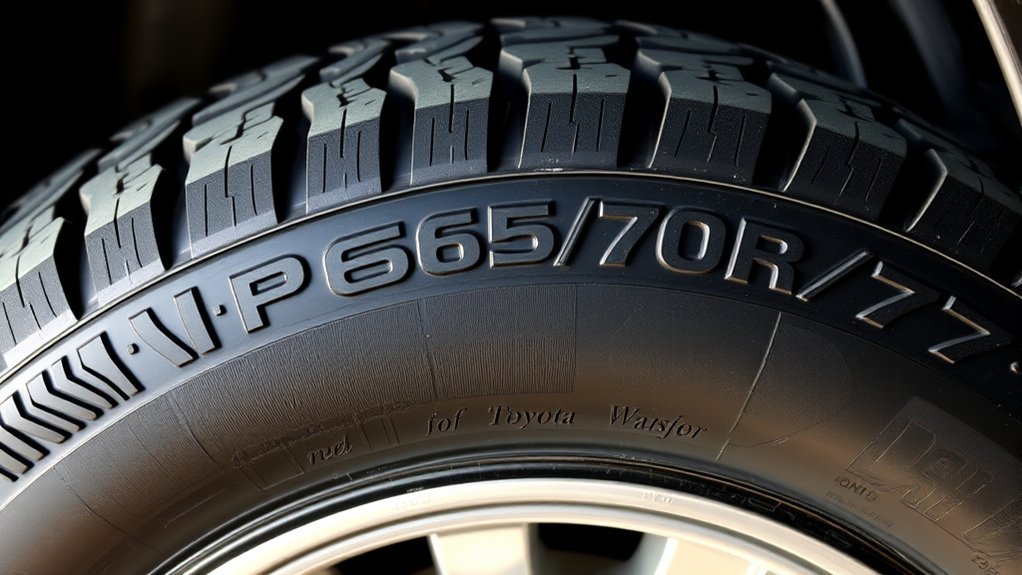
P265 is part of a U.S. tire size code. The P means the tire is a passenger vehicle tire, while 265 means the tire is about 265 millimeters wide from sidewall to sidewall.
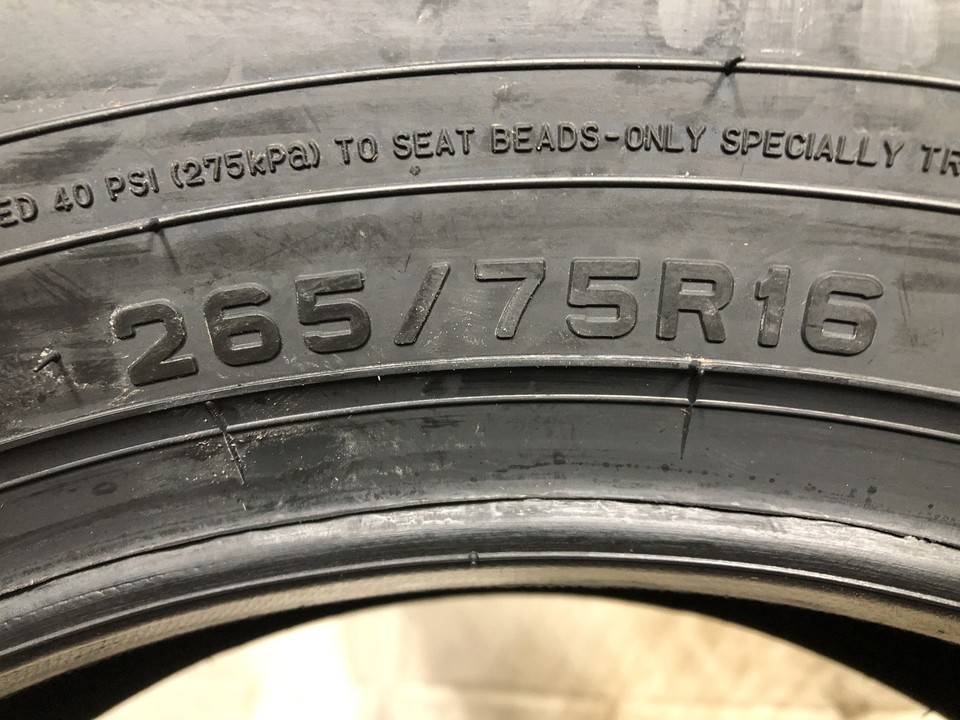
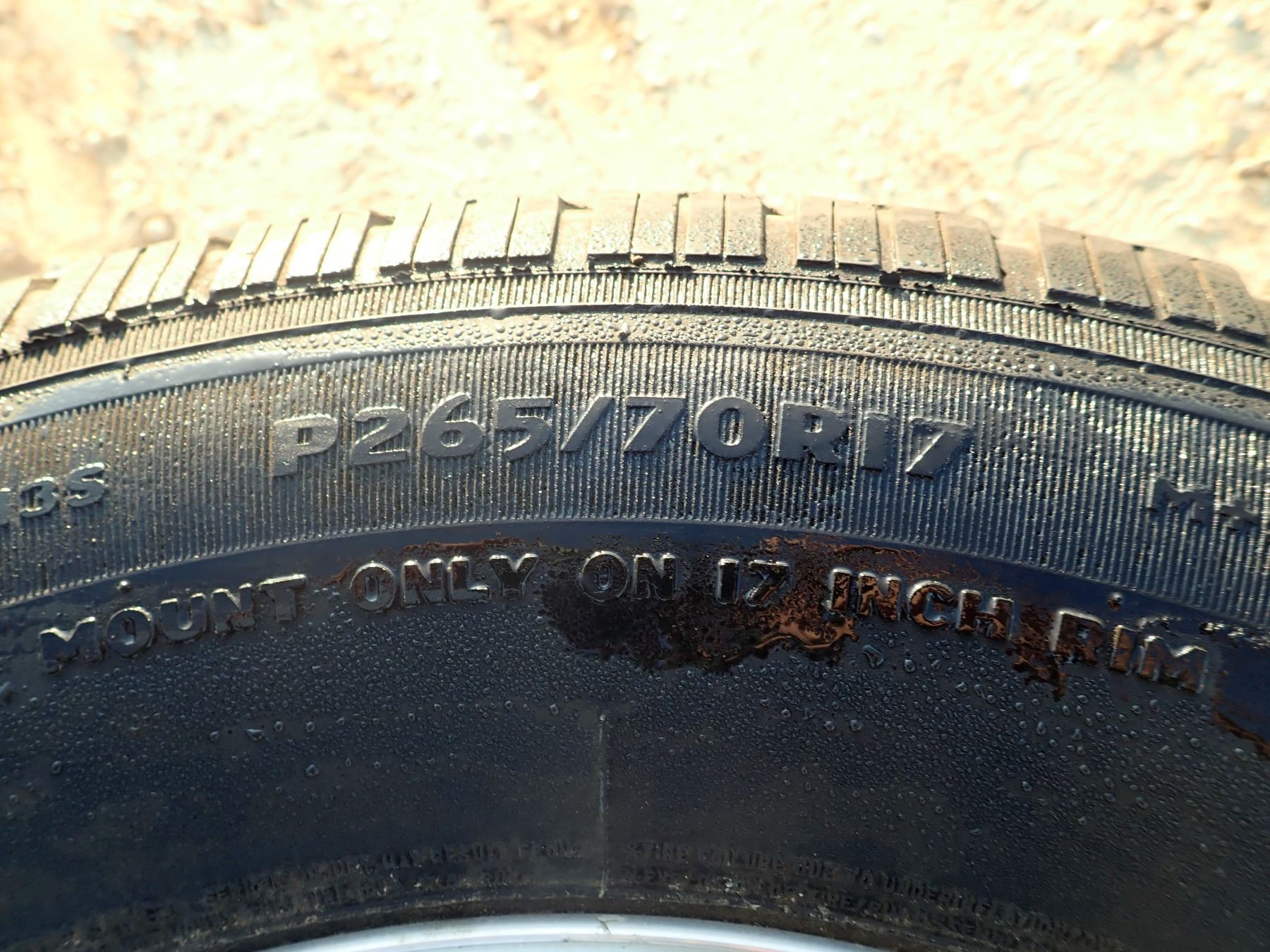
However, P265 is not a complete tire size. You still need the rest of the marking, such as P265/70R17, to know the tire’s sidewall height, construction, and wheel size.
What the P and 265 Mean
The marking P265 gives you two key details:
- P = passenger-car tire classification
- 265 = nominal tire width in millimeters
A 265 mm tire is about 10.4 inches wide:
265 ÷ 25.4 = 10.43 inches
The width is a nominal size. The measured width can vary slightly based on the tire brand, tread design, approved wheel width, and inflation pressure.
The letter P does not mean “pressure” or “performance.” In the U.S., it identifies a tire built for passenger vehicles under the applicable passenger-tire standards. These tires are often used on cars, crossovers, SUVs, and some light-duty pickups.
A tire marked LT265, for example, is different. LT means “Light Truck.” It may have a different load rating, construction, inflation rule, and intended use.
P265 Is Only Part of the Full Tire Size
You need the full code to understand how the tire fits your vehicle. A common example is:
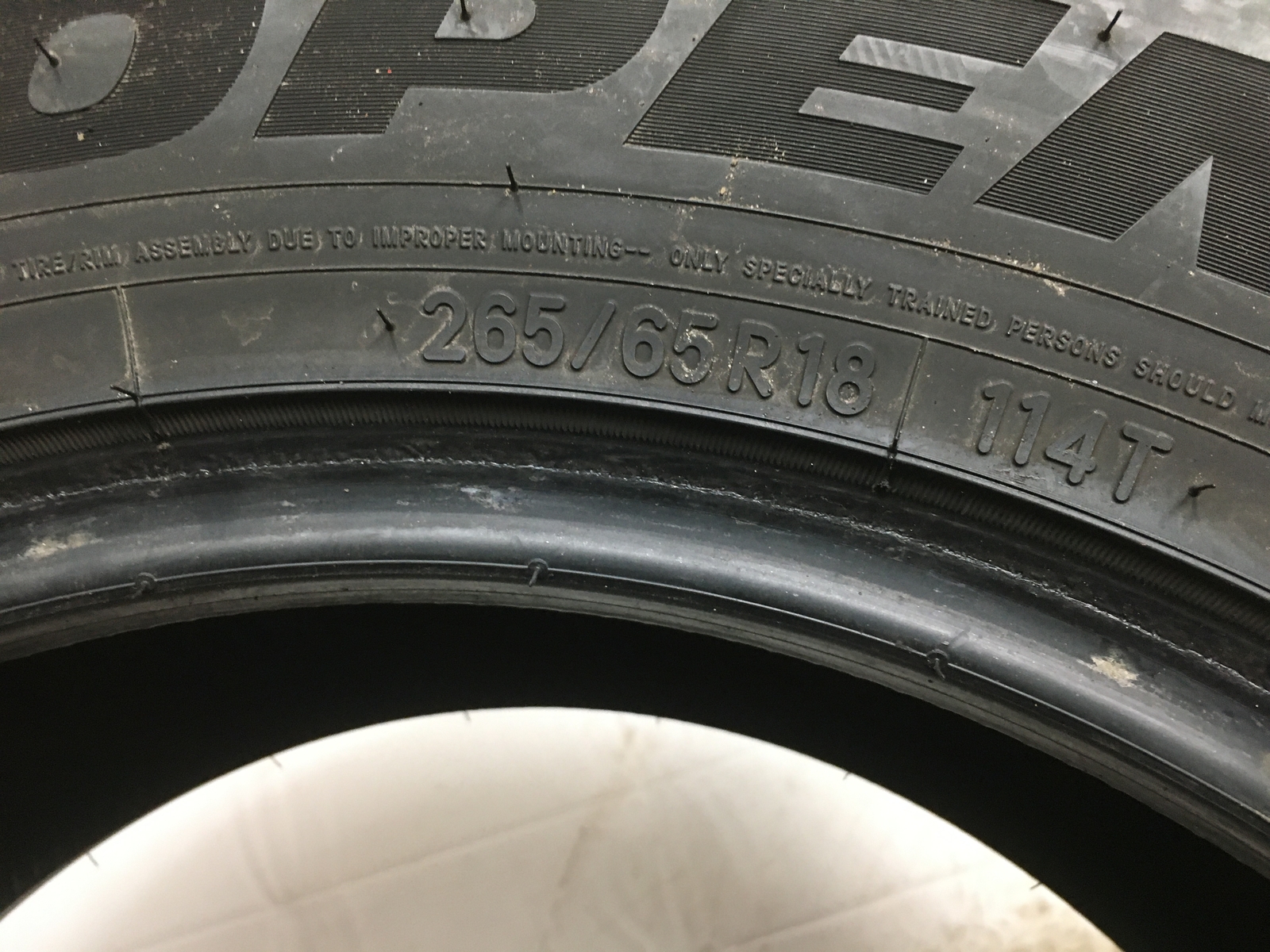
P265/70R17 115T
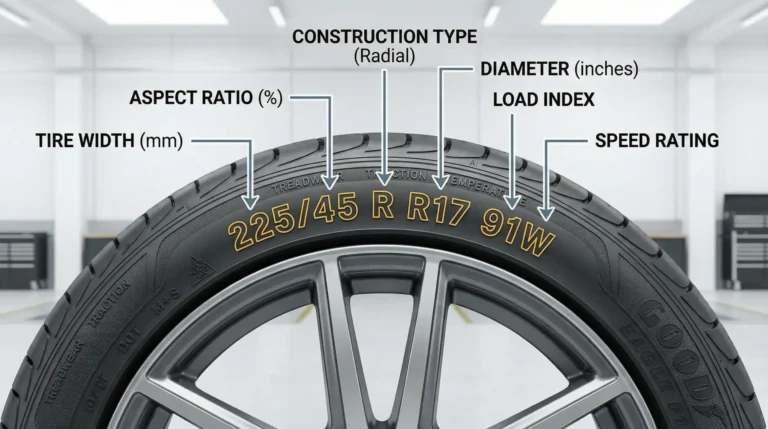
Here is what each part means:
| Marking | Meaning |
|---|---|
| P | Passenger vehicle tire |
| 265 | Nominal section width in millimeters |
| 70 | Aspect ratio |
| R | Radial construction |
| 17 | Wheel diameter in inches |
| 115 | Load index |
| T | Speed rating |
The full size tells you much more than P265 alone.
What does 70 mean?
The 70 is the aspect ratio. It means the sidewall height is about 70% of the tire’s width.
For a hypothetical P265/70R17 tire:
- Width: 265 mm
- Sidewall height: 265 × 0.70 = 185.5 mm
- Sidewall height in inches: about 7.3 inches
The tire’s total diameter also depends on the wheel size:
Tire diameter = two sidewalls + wheel diameter
For P265/70R17, the estimated overall diameter is:
2 × 185.5 mm + 17-inch wheel
≈ 31.6 inches
This is an estimate. The actual diameter can vary by tire model.
What does R mean?
The R means the tire uses radial construction. Almost all modern passenger tires sold in the United States use radial construction.
What does 17 mean?
The 17 means the tire fits a 17-inch wheel. It does not mean the tire is 17 inches wide or 17 inches tall.
Is P265 the Same as 265/70R17?
No. P265 and P265/70R17 are not interchangeable terms.
P265 tells you only the tire category and nominal width. It does not tell you:
- The sidewall height
- The wheel diameter
- The load index
- The speed rating
- Whether the tire will fit your vehicle
A tire could be marked P265/65R17, P265/70R16, or P265/75R16. Each has a different overall diameter and may fit differently.
The number after the slash is essential. Without it, you cannot determine the tire’s full dimensions.
If you are shopping for a replacement, copy the complete size from:
- The driver-side doorjamb label
- The owner’s manual
- The current tire sidewall
- The vehicle manufacturer’s tire guide
The doorjamb label is usually the best starting point because it lists the size and inflation pressure selected for that specific vehicle.

How Wide Is a P265 Tire?
A P265 tire has a nominal section width of 265 millimeters, or about 10.4 inches.
That does not mean every point of the tire measures 10.4 inches. The section width is measured under standardized conditions and can change with:
- Wheel width
- Tire brand
- Tire model
- Tread shape
- Inflation pressure
- Load on the tire
The tread itself is usually narrower than the tire’s total section width. The sidewalls create the widest part of the tire.
A wider tire may offer a larger contact area, but width alone does not determine grip, braking, fuel use, or handling. Compound, tread design, road surface, temperature, inflation, and vehicle setup also matter.
P265 vs. LT265: What Is the Difference?
The key difference is the tire’s intended service and rating system.
| Marking | General meaning | Common applications |
|---|---|---|
| P265 | Passenger tire | SUVs, crossovers, cars, light-duty pickups |
| LT265 | Light Truck tire | Pickups, vans, towing, heavier loads |
| ST265 | Special Trailer tire | Trailers only |
A P265 tire and an LT265 tire may have the same nominal width, but they are not automatically equivalent.
An LT tire may support a different load at a different inflation pressure. It may also have a stiffer construction. That can affect ride comfort, steering feel, noise, fuel economy, and clearance.
Do not switch from P-metric to LT tires just because the width is the same. First check the vehicle manufacturer’s approved tire sizes, load requirements, wheel specifications, and inflation pressures.
Never use an ST trailer tire on a passenger vehicle unless a qualified tire professional and the manufacturer specifically approve that application. Trailer tires are designed for trailer service, not steering or powered vehicle axles.

Can You Put a P265 Tire on Your Vehicle?
You can use a P265 tire only if the complete size and ratings match the vehicle’s requirements.
Check these details:
- Full tire size
- Load index
- Speed rating
- Wheel diameter
- Wheel width
- Tire-to-suspension clearance
- Tire-to-fender clearance
- Front and rear size requirements
- Vehicle placard inflation pressure
The safest choice is the size listed on the driver-side door label or in the owner’s manual.
A tire that is wider, taller, or smaller than the original may cause problems. Possible effects include:
- Rubbing during turns
- Contact with the suspension
- Incorrect speedometer readings
- Changed braking or handling
- Reduced clearance in snow chains
- Uneven wear
- Problems with traction-control or anti-lock brake systems
A tire shop can check fitment, but the shop should use the vehicle’s exact year, make, model, trim, drivetrain, and wheel package. The same vehicle model may use different tire sizes depending on its trim level.
Does P265 Tell You the Tire’s Load Capacity?
No. P265 tells you the tire’s nominal width, not its exact load capacity.
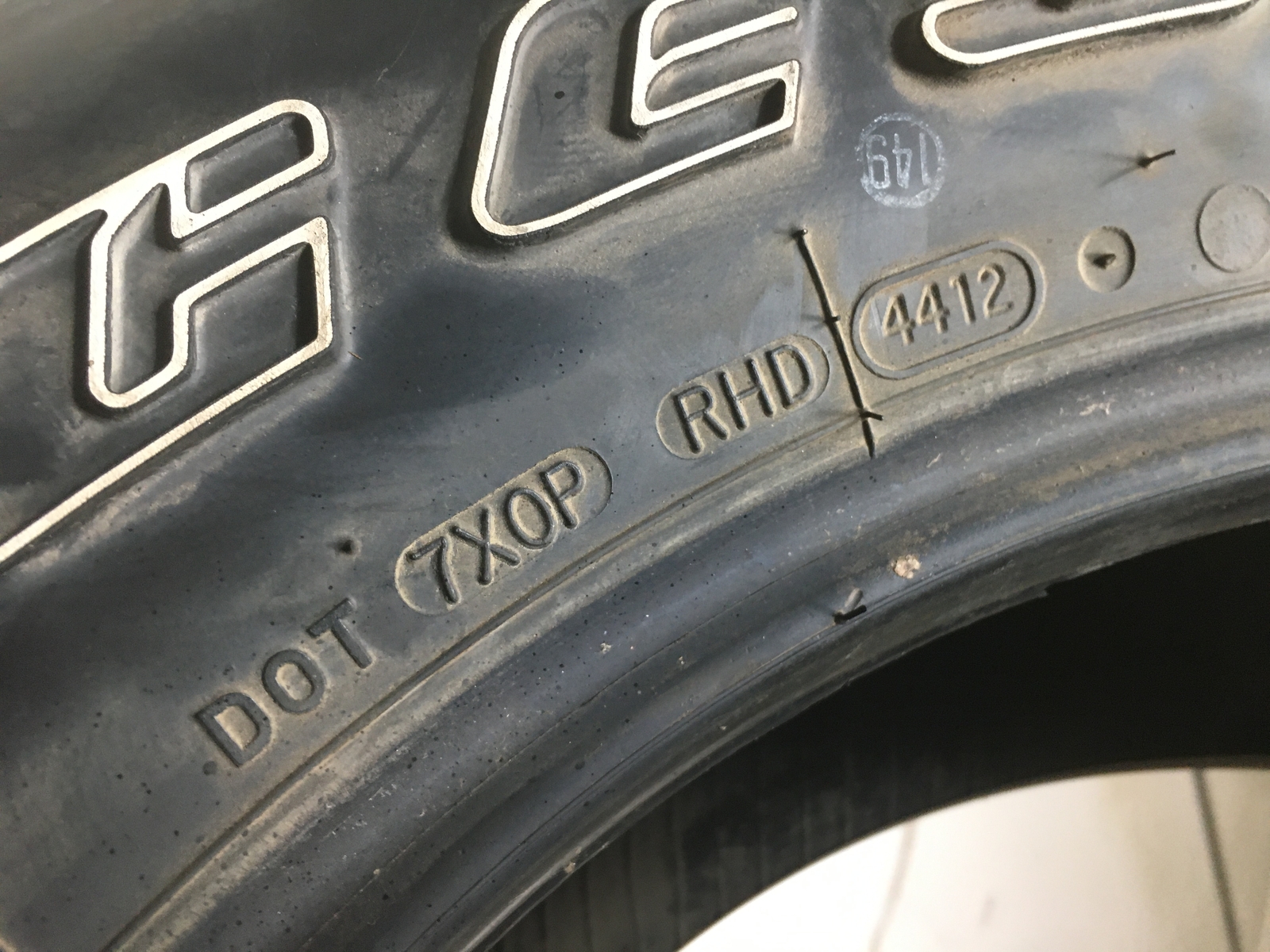
The load capacity appears elsewhere on the tire sidewall. In the example P265/70R17 115T, the number 115 is the load index.
A load index is a standardized code. The actual maximum load in pounds must be confirmed with a load-index table or the tire manufacturer’s specifications.
Do not select a tire based only on width. A tire with the correct 265 mm width may still have an unsuitable load index.
The vehicle placard sets the minimum tire capacity and recommended cold inflation pressure for the vehicle. The tire’s maximum load and pressure printed on the sidewall are not automatically the correct operating settings for your vehicle.
For a loaded truck, SUV, or towing setup, compare:
- The vehicle’s required tire load
- The tire’s load index
- The vehicle’s gross axle weight ratings
- The recommended cold inflation pressure
If those figures are unclear, ask a tire professional before changing tire type or size.

How to Read the Full Marking on Your Tire
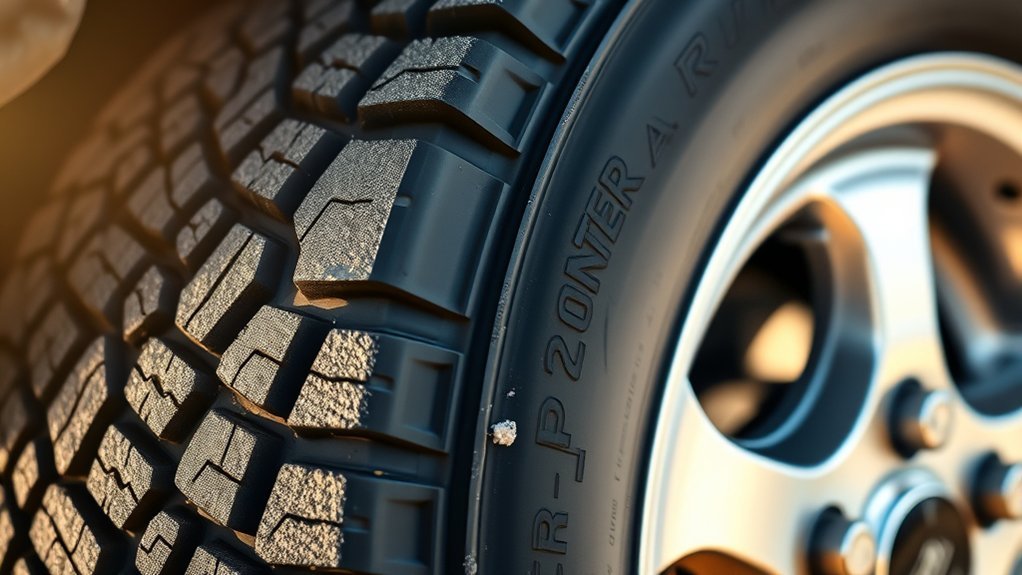
Find the complete code on the sidewall. It may look like:
P265/70R17 115T
Read it from left to right:
- P identifies a passenger tire.
- 265 gives the nominal width in millimeters.
- 70 gives the sidewall height as a percentage of width.
- R identifies radial construction.
- 17 identifies the wheel diameter in inches.
- 115 identifies the load index.
- T identifies the speed rating.
You may also see other markings, such as:
- M+S for mud and snow labeling
- The mountain-and-snowflake symbol for severe snow service
- XL for extra load
- Manufacturer-specific original-equipment markings
- DOT identification information
- UTQG ratings on many passenger tires
These markings provide separate information. For example, XL does not mean the tire is automatically a light-truck tire. It indicates an extra-load version within the tire’s applicable design and rating system.
Common Mistakes With P265 Tires
Mistake 1: Treating P265 as a complete size
P265 lacks the aspect ratio and wheel diameter. It cannot identify the correct replacement by itself.
Mistake 2: Matching only the width
A 265 mm tire may have a different height, load index, or speed rating than the original tire.
Mistake 3: Assuming P means performance
The P classification means passenger tire. It does not describe sporty handling or high performance.
Mistake 4: Replacing P with LT without checking
P-metric and LT tires may use different load and pressure standards. The change can affect ride, handling, and vehicle compliance.
Mistake 5: Using the sidewall maximum pressure as the normal pressure
Use the cold tire pressure on the vehicle placard unless the vehicle or tire manufacturer gives different instructions for a specific condition.
Mistake 6: Mixing tire sizes without approval
Different sizes on the same axle can affect handling and electronic safety systems. On many all-wheel-drive vehicles, even small differences in rolling diameter may create drivetrain concerns.
Mistake 7: Ignoring tire age and damage
Correct size does not make an unsafe tire safe. Inspect tread, sidewalls, punctures, bulges, cracking, and age before use.
What Should You Do If You See Only “P265”?
If the sidewall appears to show only P265, look around the full circumference of the tire. The rest of the size may be farther along the sidewall or partly hidden by dirt.
If you still cannot find it:
- Check the driver-side doorjamb label.
- Check the owner’s manual.
- Record the full markings from the other tires.
- Ask a tire shop to identify the size and ratings.
- Confirm fitment using the vehicle’s exact trim and wheel size.
Do not order a tire based on P265 alone. The missing information determines whether the tire will fit the wheel and meet the vehicle’s load and speed requirements.
If the current tires do not match the doorjamb label, do not assume they are correct. They may have been changed by a previous owner, or the vehicle may have aftermarket wheels. Verify the current setup with a qualified tire professional.
Key Takeaways
- P means passenger vehicle tire.
- 265 means the nominal tire width is 265 millimeters, or about 10.4 inches.
- P265 is not a complete tire size.
- The rest of the code, such as /70R17, gives the aspect ratio, construction, and wheel diameter.
- Load index and speed rating are separate markings.
- P265 and LT265 are not automatically interchangeable.
- Use the full size and ratings listed on the vehicle’s doorjamb label or owner’s manual.
- Do not inflate the tire to the sidewall maximum unless the vehicle manufacturer specifies it.
Frequently Asked Questions
Is P265 a 10-inch tire?
Not exactly. A P265 tire has a nominal section width of about 10.4 inches. The exact measured width can vary by tire model and wheel width.
What vehicle uses P265 tires?
P265 tires are used on some SUVs, crossovers, pickups, and other passenger vehicles. The full size and vehicle trim determine whether the tire fits.
Is P265 the same as 265 millimeters?
The number 265 represents a nominal width of 265 millimeters. The P adds the passenger-tire classification.
Can I replace P265 with LT265?
Not without checking the vehicle and tire requirements. The two tire types can have different load ratings, inflation rules, construction, and handling characteristics.
What is the difference between P265/70R17 and P265/65R17?
Both tires are 265 millimeters wide and fit a 17-inch wheel, but the 70-series tire has a taller sidewall than the 65-series tire. Their overall diameters, speedometer effects, clearance, and handling can differ.
How do I know the correct pressure for a P265 tire?
Use the cold inflation pressure printed on the vehicle’s driver-side doorjamb label or specified in the owner’s manual. Do not rely only on the maximum pressure molded into the tire sidewall.
Sources and Further Reading
The following sources provide the basis for the tire-size, safety, and fitment guidance in this article:
- National Highway Traffic Safety Administration: Tires
- Electronic Code of Federal Regulations: 49 CFR § 571.110
- U.S. Tire Manufacturers Association: Tire Safety
- Michelin: How to Read a Tire Sidewall
Always confirm the final tire choice with the vehicle manufacturer’s placard, owner’s manual, or a qualified tire professional.