
Yes. In many cases, you can insure a car not in your name with the owner’s permission.
I’ve worked with drivers and insured parties for years, helping people answer the core question: can i insure a car not in my name. This guide breaks down when it’s allowed, how insurers view the risk, and the exact steps to get coverage that actually protects you and the owner. Read on to learn practical rules, real-life tips, and mistakes to avoid so you can handle this clearly and confidently.
How car insurance works when the owner differs
Insurance covers the risk, not just the title. A policy describes who is covered and which vehicle is covered. Many insurers allow a named driver to insure a car they do not own if the owner consents.
Insurable interest is the key idea. The insurer wants to see a real financial or practical stake. That can come from a long-term user, a spouse, or someone responsible for maintenance.
When you can insure a car not in your name
There are common, accepted situations where can i insure a car not in my name works well. These situations make insurable interest clear.
- You are a spouse or partner and you share use and expense of the car.
- You regularly drive and maintain the vehicle but the title remains with a family member.
- The car is leased or financed and the primary name is on the lease, but you pay and use it.
- You have a written agreement showing you are the primary driver or financially responsible.
Insurers often accept those facts when you provide proof, such as a shared bill, loan statements, or a signed letter from the owner. The owner’s consent is usually required. Use simple paperwork to avoid disputes.
When insurers will refuse to insure a car not in your name
Not every case fits. Insurers worry about fraud, hidden risk, and claims recovery. They may refuse when the facts look unclear.
- The named insured has no clear connection to the vehicle.
- The owner does not give consent or denies the arrangement after a claim.
- The arrangement is a cover for someone with a bad driving record to hide their risk.
- The vehicle is used for commercial purposes but the policy is personal.
If an insurer suspects misrepresentation, they can deny claims or cancel the policy. Honesty upfront avoids big surprises later.
Types of coverage and options when the owner differs
Knowing which coverage fits your situation helps you pick the right policy. Coverage type also affects whether an insurer will allow you to be on the policy.
- Liability only — covers damage you cause to others. Many insurers allow a non-owner to hold liability coverage for a car not in their name.
- Comprehensive and collision — covers your vehicle’s damage. Insurers may require proof of insurable interest before issuing these.
- Named driver on the owner’s policy — a common option where the owner insures the car and lists you as a driver.
- Non-owner policy — covers liability when you drive cars you don’t own. This does not cover the vehicle itself.
If you are the primary user, a policy that lists you as the primary driver is often best. If you only drive occasionally, a non-owner policy might suffice.
Practical steps to get insured when the car is not yours
Follow these steps to obtain clear, legal coverage. They reduce friction with insurers and protect you in a claim.
- Confirm owner consent in writing. Ask the owner to sign a brief note stating you may insure and drive the car.
- Gather proof of use. Keep records like maintenance payments, fuel receipts, or a shared insurance payment history.
- Call multiple insurers. Tell them your exact situation and ask if they allow a policy for someone who is not the legal owner.
- Consider a named-driver endorsement on the owner’s policy if the owner prefers to keep the vehicle insured in their name.
- Keep communication open after a claim. Make sure the owner supports your claim and confirms facts.
I once helped a client insure a car titled to his mother. We used a signed letter and shared bank statements. The insurer accepted the arrangement after reviewing the documents. That small step avoided claim denial later.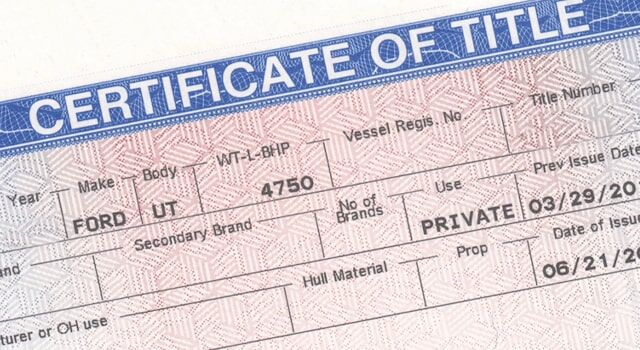
Costs and factors that affect premiums
Insurance cost depends on risk, not title. Even when you ask, can i insure a car not in my name, premiums reflect driver history and vehicle risk.
- Driver record — tickets, accidents, and DUI raise prices sharply.
- Vehicle type — theft and repair costs change premiums.
- Usage — commuting increases cost more than occasional use.
- Location — rates vary by state and ZIP code because of local claims trends.
If you are the named insured, your driving record directly affects the premium. If you are merely a listed driver, your record may still influence renewal and claims handling.
Tips and mistakes to avoid
Small mistakes can cost you a claim or a canceled policy. Use these practical tips I’ve learned from many cases.
- Avoid hiding details. Never misstate who primarily drives the car. Honesty saves trouble.
- Keep a signed consent letter from the owner. It’s simple and powerful if questions arise.
- Don’t assume a non-owner policy covers vehicle damage. It usually doesn’t.
- Update the insurer when use patterns change, such as moving in with the owner or taking over payments.
One client assumed a non-owner policy covered damage to a borrowed vehicle and was surprised after an accident. The claim paid only liability. That taught me to always verify coverage limits and scope.
PAA-style quick questions and answers
- Can I insure a car not in my name if I pay for it? Yes. Paying for the car can show insurable interest, but insurers usually want proof like bank records or a signed agreement.
- Will the title owner lose anything if I insure the car? Usually no, if you have a clear agreement; the owner still holds the title. Insurance affects claims handling, not ownership.
- Can I get full coverage if I’m not the owner? Sometimes. Insurers may issue full coverage if you show insurable interest and the owner consents.
Frequently Asked Questions of can i insure a car not in my name
Can an insurance company refuse to insure me if I’m not the owner?
Yes. Insurers can refuse if they think the arrangement hides a risk or lacks clear consent. Provide documentation and be transparent to reduce the risk of refusal.
Do I need the owner’s permission to insure the car?
In most cases, yes. A signed consent or clear proof of shared responsibility helps insurers accept that you can insure a car not in your name.
Will a non-owner policy cover damage to the car?
No. A non-owner policy typically covers liability only. It does not cover damage to the vehicle itself or medical payments for the vehicle’s occupants.
How does the owner’s record affect my policy?
If the owner keeps the main policy, their driving history can affect rates and renewal. If you are the named insured, your record usually matters most.
What documents prove insurable interest?
Common proofs are a signed consent letter, shared loan or payment records, and records of regular use or maintenance payments. Insurers vary, so ask which items they require.
Conclusion
You can often insure a car not in your name, but clear proof and owner consent matter. Follow simple steps: get written permission, gather proof of use, and be honest with insurers. That reduces risk, avoids claim denials, and keeps your coverage solid.
Take action now: check your state’s rules, call two insurers, and secure a short written agreement with the owner. If you found this useful, leave a comment or subscribe for more practical insurance tips and real-world examples.