How To Choose A Baby Car Seat: Safe Buying Guide
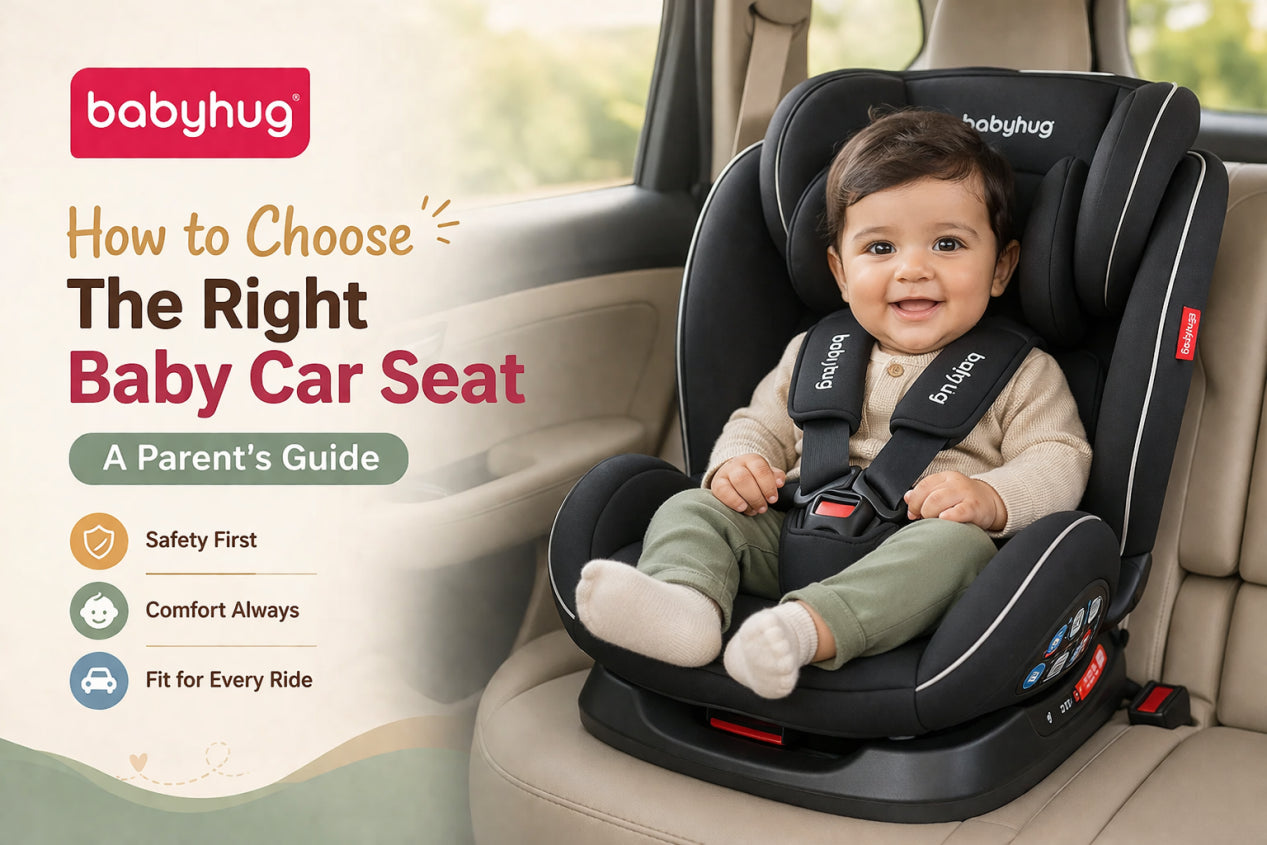
The best baby car seat is one that fits your child, fits your vehicle, and can be installed correctly every time. In the United States, start by checking the seat’s federal safety label, your child’s height and weight, your vehicle’s manual, and the seat maker’s instructions. For most babies, that means a rear-facing infant seat or rear-facing convertible seat.
Do not choose a seat only by price, appearance, or online ratings. A simple seat that fits well and is used correctly can be a better choice than a costly model that is hard to install.
This guide explains how to choose a baby car seat in the U.S., how to compare seat types, and how to avoid common safety mistakes.

What to Check Before You Buy a Baby Car Seat
Before comparing brands, collect four key details:
- Your baby’s current weight and height
- Your child’s expected growth
- Your vehicle’s make, model, and seating positions
- Whether you need a seat for one vehicle or several
A seat must meet all four needs. A model with a high weight limit may not work well if it is too wide for your vehicle or cannot be installed at the right angle.
Check the federal safety label
Every car seat sold legally in the United States must meet Federal Motor Vehicle Safety Standard 213. Look for a label that says the seat meets applicable federal safety standards. This label is not the same as a five-star consumer rating or an independent ranking.
Federal approval means the seat meets the required standard for sale. It does not mean every seat fits every child or vehicle equally well.
You can review current federal child-restraint rules through the National Highway Traffic Safety Administration.
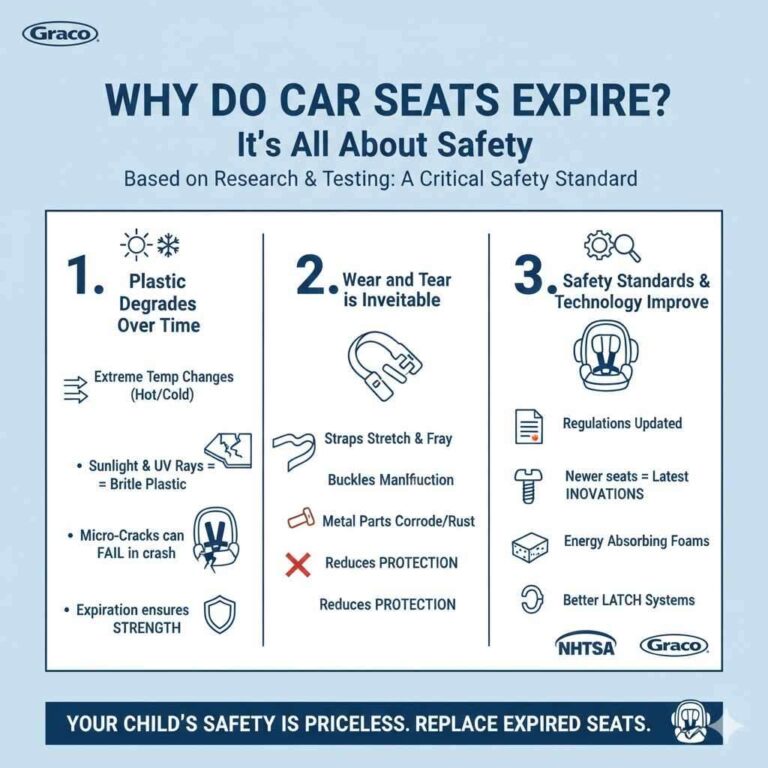
Check the expiration date
Car seats usually have an expiration date set by the manufacturer. The date may appear on the seat, on a label, or in the manual.
Materials can age, instructions can change, and replacement parts may become hard to find. Do not use a seat past its stated expiration date. If you cannot find the date, contact the manufacturer before use.
Check for recalls
Search the exact model name and model number in the NHTSA Recalls database. A seat may have a recall even if it looks new or was bought from a trusted seller.
Avoid a used seat if you cannot confirm:
- Its model and manufacture date
- Its recall status
- Its full history
- That it has never been in a crash
- That it includes all required parts and instructions
The American Academy of Pediatrics advises families not to use a car seat that has been in a moderate or severe crash. A seat involved in a minor crash may qualify for continued use only if all conditions in the manufacturer’s instructions and NHTSA crash-replacement guidance are met.
Choose the Right Car Seat Type
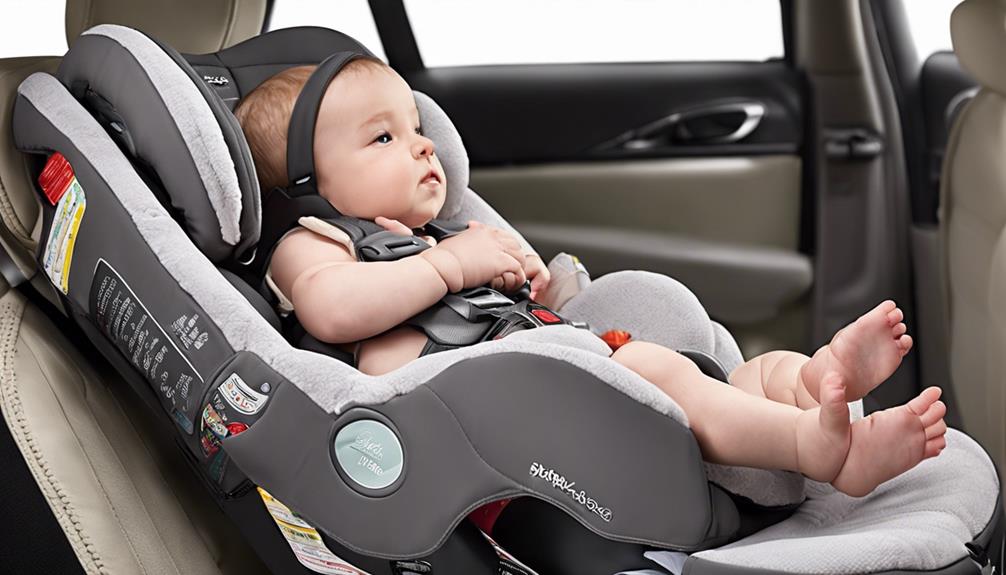
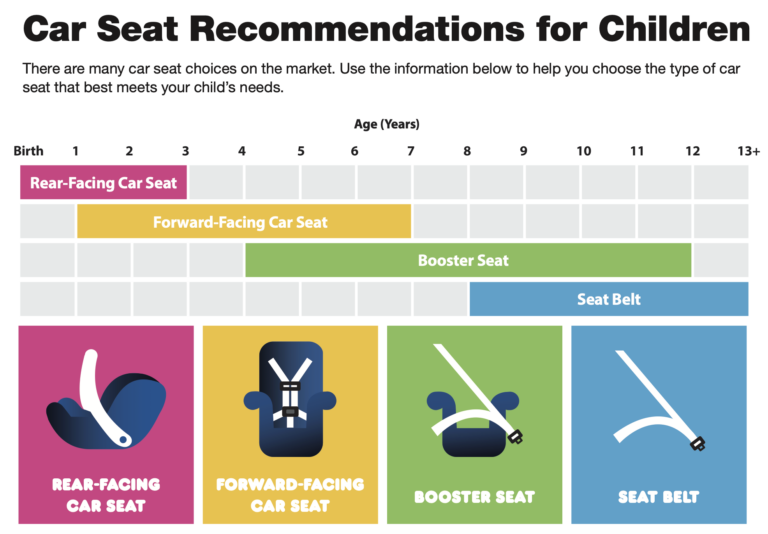
The main types of child restraints are infant seats, convertible seats, all-in-one seats, and booster seats. For a baby, the safe starting position is rear-facing.
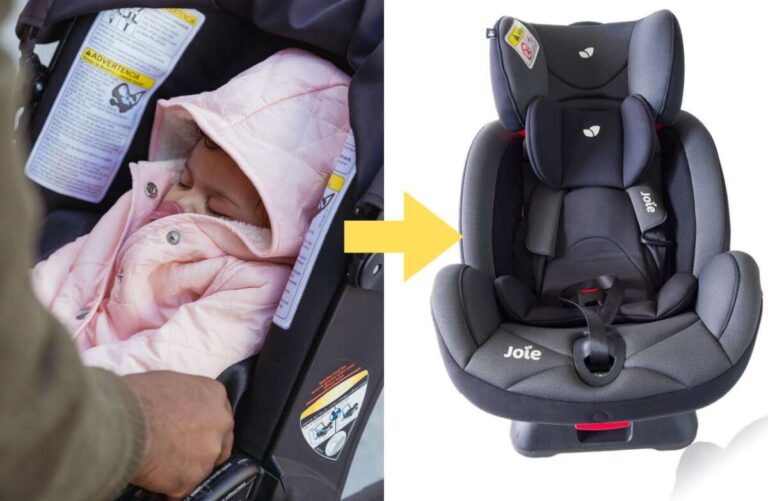
Infant car seats
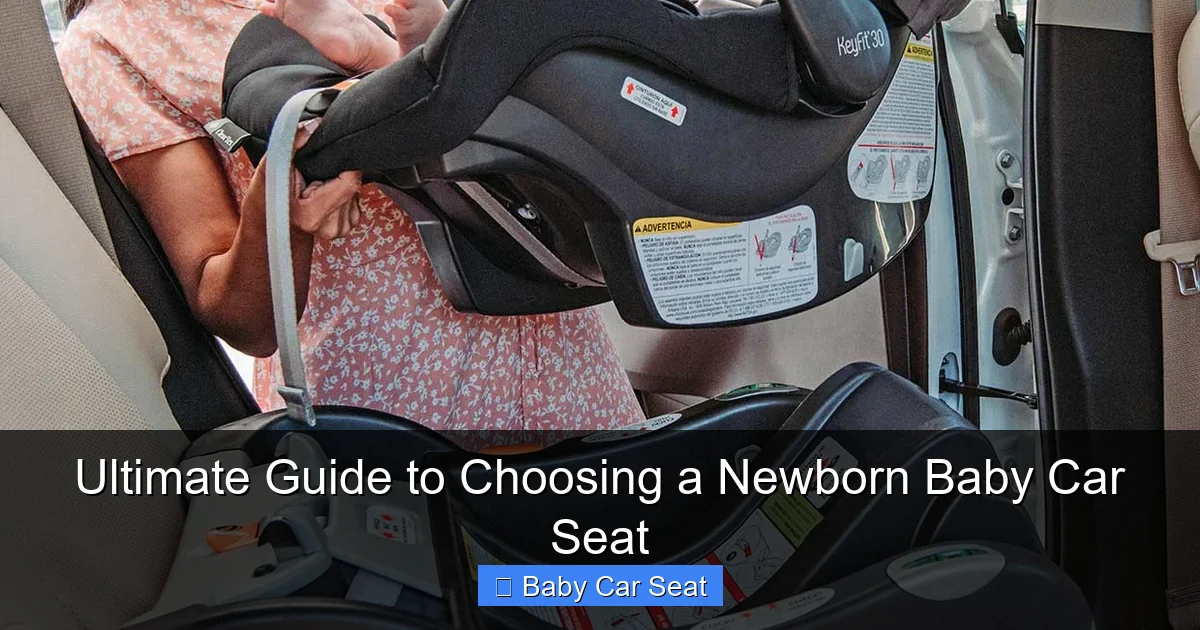
An infant car seat is designed for babies and usually installs in a rear-facing position. It has a detachable carrier that can connect to a base.
Advantages:
- Easy to carry a sleeping baby
- A second base may be available for another vehicle
- Often has a low harness height for small babies
- Can be convenient during the first year
Limits:
- Your baby may outgrow it sooner than a convertible seat
- The carrier can become heavy as your baby grows
- You may need to buy another seat later
Never use the carrier as a routine place for sleep outside the vehicle. The American Academy of Pediatrics recommends moving babies to a firm, flat sleep surface when possible.
Convertible car seats
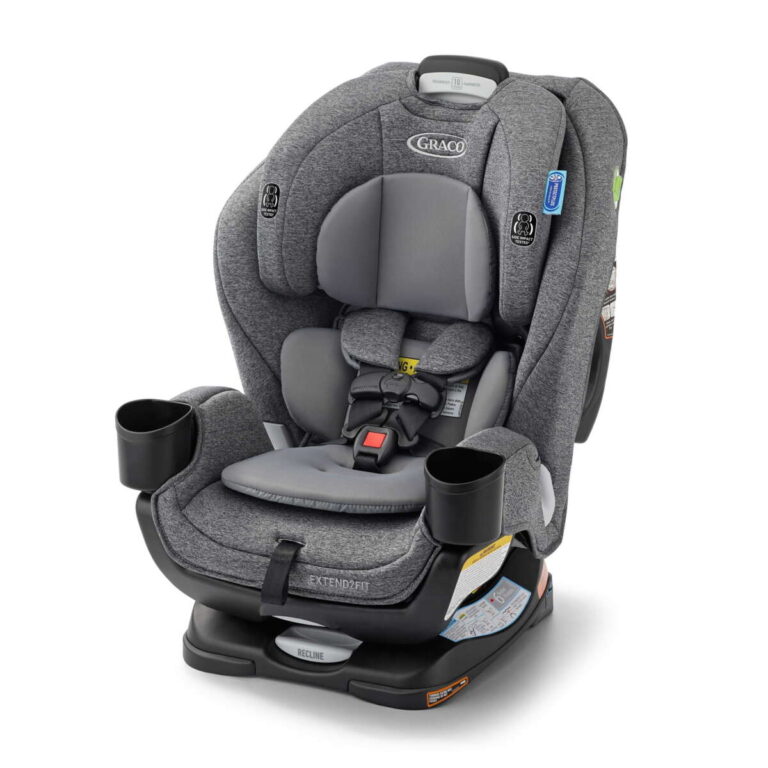
A convertible car seat can face the rear for a baby and later face forward for an older child. It stays in the vehicle rather than working as a carrier.
Advantages:
- Can allow longer rear-facing use
- May serve a child for several years
- Often offers higher rear-facing height and weight limits
- Removes the need to carry a heavy carrier
Limits:
- It cannot be used as a baby carrier
- It may take more space front to back
- It can be harder to move between vehicles
- A newborn insert is useful only if the manufacturer approves it
A convertible seat is often a practical choice for families who want to buy one seat for the newborn stage and keep it installed in one vehicle.
All-in-one car seats
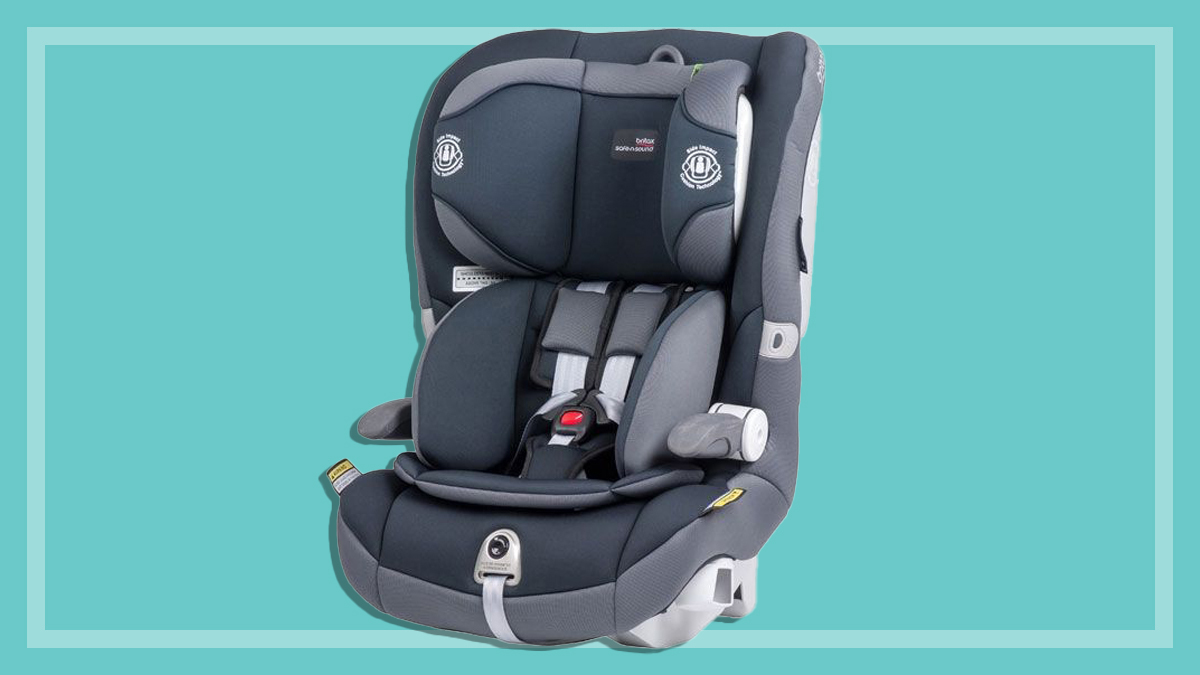
An all-in-one seat may convert from rear-facing to forward-facing and then to a belt-positioning booster. It can cover several stages.
Its larger size can be both a benefit and a problem. It may reduce the need to buy another seat, but it may not fit well in a small back seat or work well for a newborn in every vehicle.
Do not assume that “all-in-one” means “best for every child.” Confirm the minimum size, recline position, harness fit, and booster requirements.
Booster seats
A booster is not for a baby. It positions the vehicle’s lap and shoulder belt correctly across an older child’s body.
Children should move from a harnessed seat to a booster only when they meet the seat’s requirements and can sit correctly for the whole ride. Many children need a booster until the vehicle belt fits properly, often between ages 8 and 12, but age alone does not decide the change.
Use Height, Weight, and Development to Choose the Stage
The safest car seat stage is based on the child’s size and the seat’s instructions. Development also matters, especially when moving from rear-facing to forward-facing or from a harness to a booster.
Keep babies rear-facing
The AAP recommends that children ride rear-facing for as long as possible, until they reach the highest height or weight allowed by the car seat. This can reduce stress on the head, neck, and spine during a crash.
Many U.S. states require rear-facing use for infants and toddlers, but the exact law differs by state. State law is the minimum legal rule, not always the safest stopping point. Check your state’s child passenger safety law and follow the stricter guidance from the seat maker and your pediatrician when appropriate.
Use the seat’s limits, not a general age chart
A label may list limits such as:
- Minimum weight
- Maximum rear-facing weight
- Maximum rear-facing standing height
- Maximum forward-facing weight
- Maximum standing height
- Harness height limits
These limits differ by model. A child may outgrow a seat by height before reaching its weight limit.
For rear-facing use, the child’s head should remain within the space allowed by the manufacturer. Do not rely on a generic “one inch from the top” rule unless the seat maker specifically gives that instruction.
Wait for forward-facing use
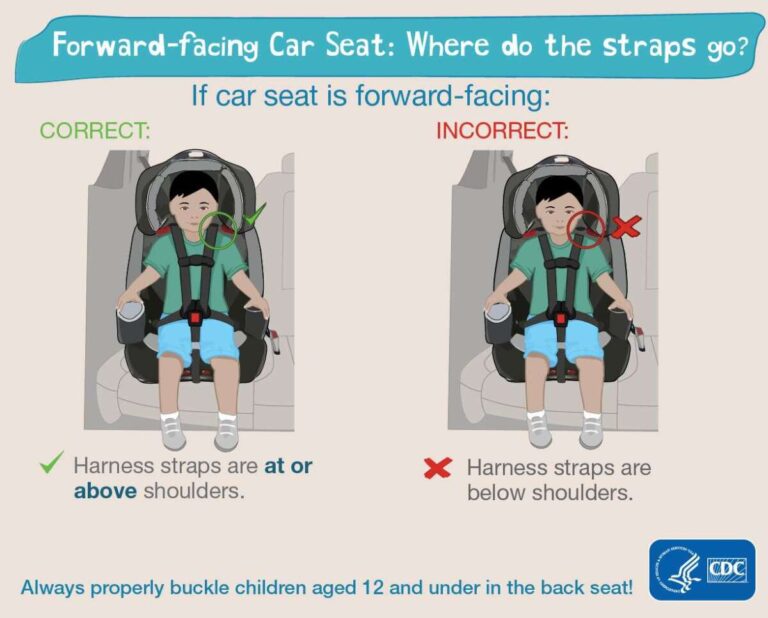
When a child reaches the rear-facing height or weight limit, the next stage is usually forward-facing with a five-point harness. Use the harness until the child reaches the forward-facing limits or the manufacturer gives another transition rule.
The top tether should be used for forward-facing installations whenever the vehicle and seat instructions allow it. The tether can limit forward movement in a crash.
Move to a booster only when the child is ready
A child should be able to:
- Sit upright for the entire trip
- Keep the shoulder belt on the shoulder
- Keep the lap belt low across the hips
- Avoid leaning, slouching, or putting the belt behind the back
- Stay in the correct position without constant reminders
A child is ready for the vehicle seat belt alone when the belt fits correctly and stays in place. The NHTSA seat belt fit test is a useful guide.
Make Sure the Car Seat Fits Your Vehicle
A car seat is not a good choice if it cannot be installed tightly in your vehicle. Fit is more than whether the seat can physically sit on the vehicle cushion.
Check the vehicle manual first
Your vehicle manual explains:
- Which seating positions allow child restraints
- Where lower anchors are located
- How to use the top tether
- Whether a center position can use lower anchors
- Whether the front passenger air bag must be disabled
- Any restrictions on seat placement
Read the car seat manual as well. When the two manuals differ, contact the vehicle or car seat manufacturer for clarification.
Compare LATCH and seat belt installation
LATCH stands for Lower Anchors and Tethers for Children. It uses built-in vehicle anchors and connectors on the car seat.
LATCH can make installation easier, but it is not automatically safer than a seat belt installation. A correct seat belt installation can be just as safe when allowed by both manuals.
Important points include:
- Do not use lower anchors and a seat belt together unless both manufacturers specifically allow it.
- Use the top tether for forward-facing seats when required or allowed.
- Lower-anchor weight limits apply to the combined weight of the child and car seat.
- Once the child or seat exceeds the lower-anchor limit, switch to a seat belt installation if the manuals permit it.
The exact LATCH limit varies by vehicle and car seat. Check both manuals rather than relying on a general number.
Test the seat in your vehicle
If possible, test the car seat before buying it. Many retailers have different return rules for opened safety products, so confirm the policy first.
Check whether:
- The seat rests firmly on the vehicle cushion
- The correct recline angle is possible
- The front seat can remain in a safe position
- The buckle is not trapped under the car seat
- The seat does not press against the vehicle door
- The harness can be tightened without twisting
- You can reach the top tether anchor if forward-facing use is planned
A narrow seat may help in a three-across setup, but width measurements can be misleading. Check the shape of the seat and the location of buckles and anchors.
Install the Car Seat Correctly
The safest car seat is one that is installed tightly and used correctly on every trip.
Follow this installation sequence
- Choose an approved seating position. The back seat is generally the safest place for children. Never place a rear-facing seat in front of an active passenger air bag.
- Set the correct recline angle. Use the angle indicator or instructions on the seat. A newborn may need a different angle from an older baby.
- Choose one approved installation method. Use either the lower anchors or the vehicle seat belt unless both manuals allow combined use.
- Remove slack. Press the seat down into the vehicle cushion while tightening the belt or lower-anchor strap.
- Attach the top tether for forward-facing use. Connect it to the correct vehicle anchor, not a cargo hook or another nearby loop.
- Check movement. Hold the seat near the belt path and pull side to side and front to back. It should move no more than 1 inch in any direction at the belt path.
- Adjust the harness. The straps should lie flat and snug against the child.
- Check the chest clip. It should sit at armpit level, not on the stomach or neck.
The one-inch movement check applies at the belt path, not at the top of the seat. A seat may move more at the head area while still being installed correctly.
Check a newborn’s harness fit
For a rear-facing baby, harness straps usually come from at or below the shoulders. The harness should pass through the correct slots listed in the manual.
The straps should be snug enough that you cannot pinch extra webbing at the shoulder. Remove bulky coats before buckling the baby. Use a thin layer over the harness if the baby needs more warmth.
Do not add aftermarket head supports, strap covers, padding, or inserts unless they came with the seat or the manufacturer approves them. Products that alter the harness position can affect protection in a crash.
Get hands-on help when needed
If you are unsure about the installation, use a certified Child Passenger Safety Technician. The National CPS Certification Program offers a way to find technicians and inspection events.
A technician can help check the installation and harness fit. They cannot replace the car seat or vehicle manual, and a single inspection does not remove the need to check the seat as your child grows.
Compare Features That Affect Daily Use
Safety rules come first. After a seat fits your baby and vehicle, compare features that affect correct use.
Useful features
Look for:
- Clear, durable labels
- A harness that adjusts easily
- A simple recline indicator
- Accessible belt paths
- A removable cover that can be washed as instructed
- Easy-to-find replacement parts
- A manual that is available online
- A strong fit in your vehicle’s seating position
A no-rethread harness can make height changes easier, but it does not make the seat safer by itself. The practical benefit is that you may be less likely to route the straps through the wrong slots.
Features that need caution
Be careful with:
- Extra padding that did not come with the seat
- Unapproved toys or mirrors
- Aftermarket covers
- Seat protectors that change the seat’s contact with the vehicle
- Bulky winter clothing
- Claims such as “side-impact protection” without clear testing details
Federal rules do not create one universal side-impact rating for all car seats. Marketing language may describe a design feature, but it does not provide a simple comparison across brands.
Think about the total cost
The purchase price is only part of the cost. Also consider:
- A second base
- A second car seat for another vehicle
- Replacement parts
- A later convertible or booster seat
- Travel or rental-car needs
- The cost of replacing a seat after a crash
A convertible seat may cost more at first but last through more stages. An infant seat may cost less to move between cars if you buy extra bases, but your child may outgrow it sooner.
Common Baby Car Seat Mistakes to Avoid
Most mistakes come from fit, installation, or added accessories rather than from choosing the wrong color or brand.
Using a rear-facing seat in front of an active air bag
A rear-facing seat places the baby’s head close to the dashboard. An inflating passenger air bag can cause severe injury or death.
Use the back seat whenever possible. If a special situation requires front-seat use, follow the vehicle manual and disable the air bag only as directed by the manufacturer.
Loosening the harness for comfort
A loose harness can allow too much movement in a crash. Remove thick coats instead of loosening the straps.
The harness should lie flat and snug. The chest clip belongs at armpit level.
Using the wrong belt path
Many seats have separate belt paths for rear-facing and forward-facing use. Routing the belt through the wrong path can make the installation unsafe.
Follow the diagrams in the manual. Do not copy an installation from a different model, even if the seats look similar.
Adding unapproved accessories
A head insert or strap cover may look harmless, but it can change how the harness sits on the child. Use only items supplied with the seat or approved in writing by the manufacturer.
Buying a seat without checking the return policy
A seat may fit one vehicle well and another poorly. Confirm whether the retailer accepts returns after the box is opened and whether the seat must be returned unused.
Turning the seat forward too soon
A child’s legs touching the vehicle seat, sitting cross-legged, or looking cramped does not usually mean the child must face forward. Rear-facing children can sit with bent legs safely when the seat’s limits have not been reached.

A Simple Baby Car Seat Decision Guide
Use this quick guide to narrow your options:
| Your situation | A practical starting point |
|---|---|
| You want to carry the baby in and out of the car | Rear-facing infant seat |
| You want one seat that stays in the car for years | Rear-facing convertible seat |
| You have more than one vehicle | Infant seat with extra base, or a second compatible seat |
| You drive a small car | Test a compact seat and check front-seat clearance |
| You need three seats across | Measure the full seat shape, not only the listed width |
| You travel by plane | Check the seat’s FAA approval label and airline rules |
| You often use taxis or rideshares | Review local law and choose a seat that can be installed without a base if permitted |
| Your baby is very small | Confirm the minimum weight, lowest harness position, and approved recline angle |
For air travel, look for the label stating that the restraint is certified for use in aircraft. A car seat that is allowed on an airplane may still need a specific installation method. Check the airline’s current policy before travel.

Frequently Asked Questions
What is the safest car seat for a newborn?
The safest option is a rear-facing seat that fits the newborn, fits the vehicle, and can be installed correctly. That may be an infant seat or a convertible seat. Check the minimum weight, minimum height, harness position, recline range, and newborn instructions.
Should I buy an infant seat or a convertible seat?
Buy an infant seat if carrying convenience and easy transfers matter most. Choose a convertible seat if you want the baby to remain in one vehicle seat and use rear-facing protection for a longer period.
Neither type is automatically safer in every vehicle. Correct fit and installation matter more than the category.
Is LATCH safer than a seat belt?
No installation method is automatically safer. LATCH can be easier for some families, while a seat belt may work better in another seating position. Use the method allowed by both manuals and confirm that the seat is tight at the belt path.
Can I use a car seat with a winter coat?
Do not place a bulky coat under the harness. The extra material can compress during a crash and leave the harness too loose. Buckle the baby in light layers, then place a blanket over the secured harness.
When should I replace a baby car seat?
Replace it after a crash when the manufacturer or NHTSA guidance says replacement is required, after the expiration date, or when it has damage, missing parts, or an unknown history. Also replace it if a recall cannot be corrected.
Can I use a secondhand car seat?
Use a secondhand seat only if you can verify its age, history, recall status, crash history, and completeness. If any of those facts are unknown, choose another seat.
Final Recommendation
To choose a baby car seat, start with rear-facing use and work through the real-world fit:
- Confirm the seat meets U.S. federal standards.
- Check your baby’s current size and the seat’s minimum limits.
- Compare the seat with your vehicle and seating position.
- Follow both manuals for LATCH, seat belt, recline, and tether use.
- Test the installation before the return period ends.
- Have a certified Child Passenger Safety Technician check it if you are unsure.
The right seat is not simply the most expensive or most advertised model. It is the seat your baby fits, your vehicle accepts, and you can install and use correctly on every trip.