
You can get a car with bad credit by preparing your finances, comparing lenders, and choosing an affordable loan.
Getting a car with bad credit can feel like trying to open a locked door without the right key. The good news is that lenders look at more than your credit score. Your income, down payment, debt, vehicle choice, and payment history can all affect approval. This guide explains how to get a car with bad credit while avoiding costly mistakes and building a stronger financial future.
Understand what bad credit means to auto lenders
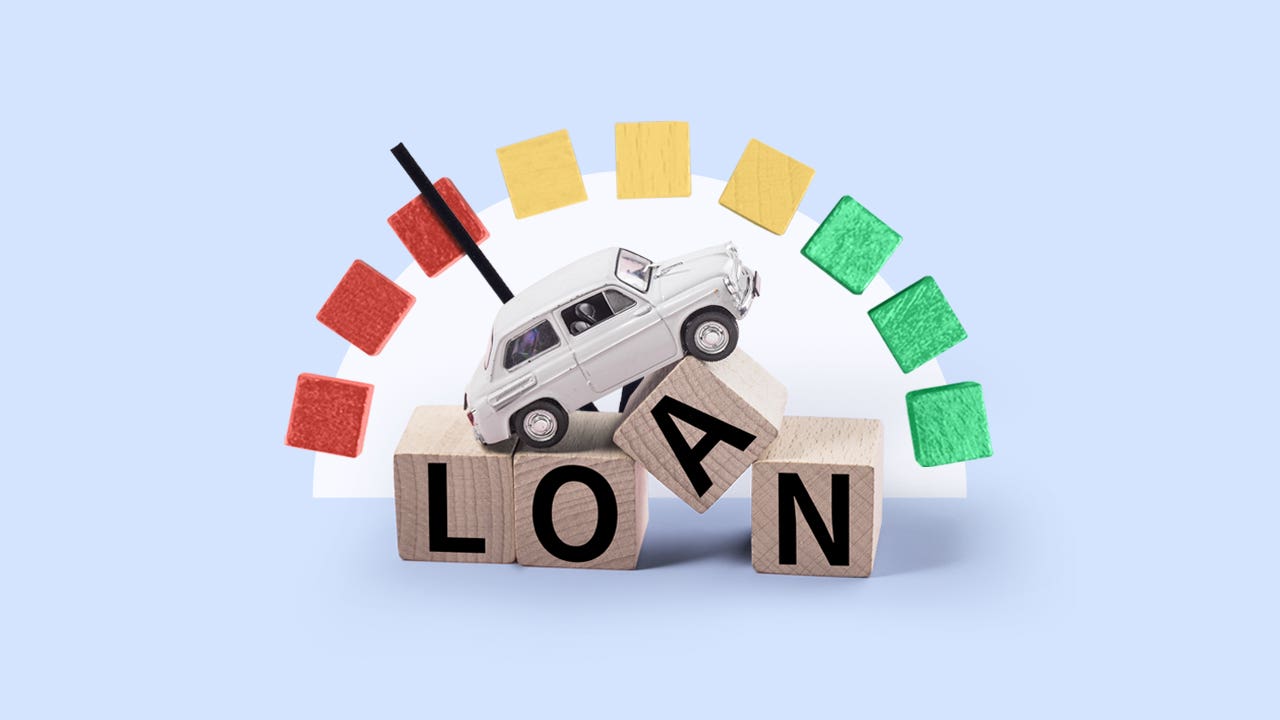
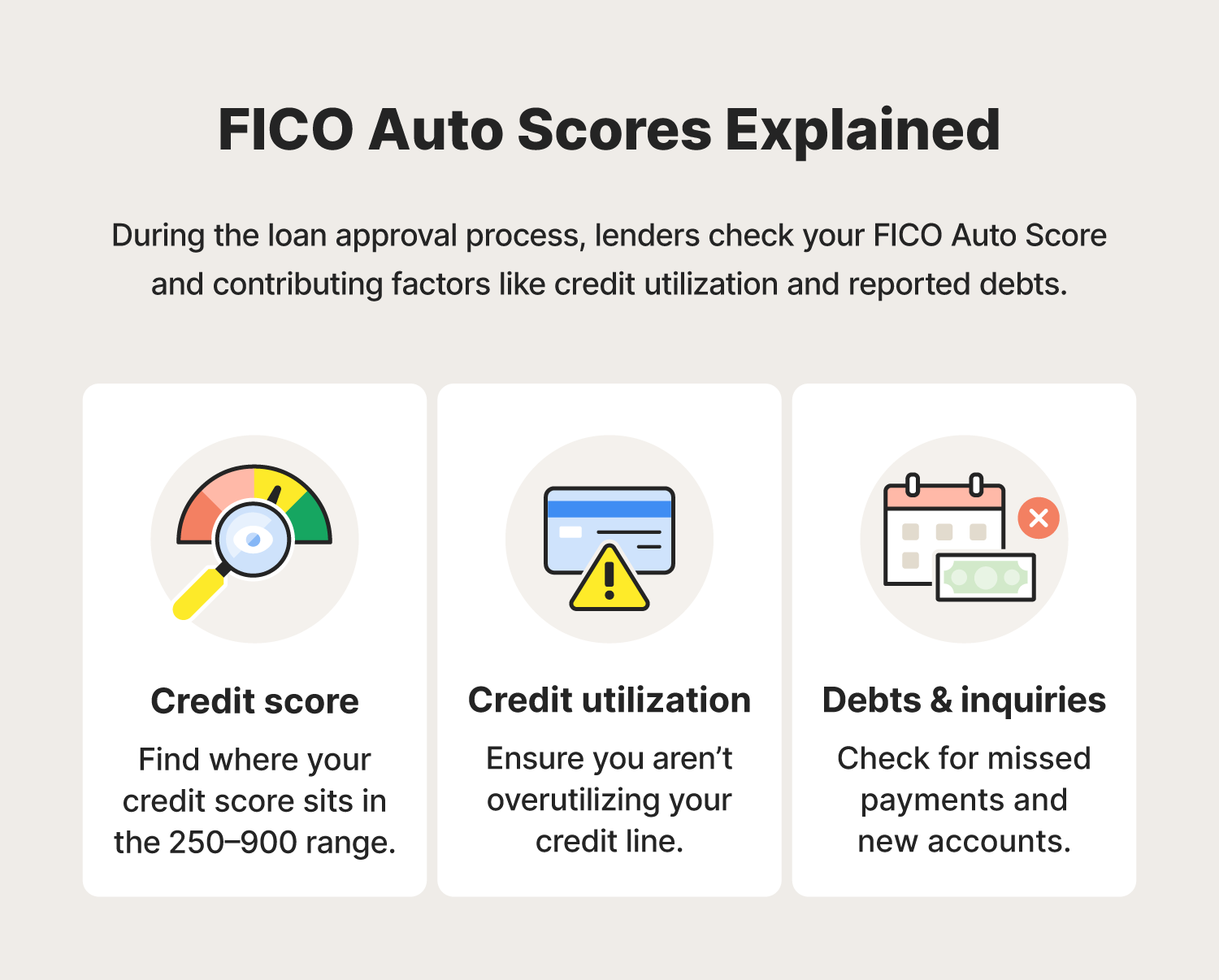
A credit score helps lenders estimate how likely you are to repay a loan. FICO scores below 580 are often considered poor, but each lender uses its own rules. Some lenders may approve borrowers with low scores if they have stable income or a large down payment.
When you apply for an auto loan, the lender may review:
• Your credit score and credit history
• Recent late payments, defaults, or repossessions
• Your monthly income
• Your employment history
• Your debt-to-income ratio
• Your down payment
• The age, price, and mileage of the car
• The length and amount of the loan
Bad credit does not always mean you cannot get approved. It usually means the lender sees more risk. To offset that risk, the lender may charge a higher interest rate, require a co-signer, or ask for a larger down payment.
The key is to focus on the complete loan cost, not just the monthly payment. A low payment may hide a long loan term, high interest, or expensive add-ons.

Check your credit before applying
The first practical step in learning how to get a car with bad credit is checking your credit reports. You should know what lenders are likely to see before they review your application.
Get your credit reports from AnnualCreditReport.com, the federally authorized source for free credit reports. Review each report for:
• Accounts that do not belong to you
• Incorrect late payment records
• Old debts that should no longer appear
• Wrong balances or credit limits
• Duplicate collection accounts
• Accounts listed as open after you paid them
Dispute errors with the credit reporting company and the company that supplied the information. Credit report disputes can take time, so do this before visiting a dealership if possible.
Checking your own credit report does not hurt your score. However, several hard credit inquiries may affect your score. Auto loan inquiries made within a short shopping period are often treated as one inquiry by scoring models, but the exact time period can vary. Try to compare lenders within a focused window.
Improve your credit before shopping
You may not need to wait months to buy a car, but even small improvements can help. Consider these steps:
• Pay every current bill on time
• Reduce credit card balances
• Avoid applying for several new credit cards
• Pay down collections only after confirming the debt
• Keep old, positive accounts open when practical
• Set automatic payments for important bills
Credit improvement is not instant. Still, lowering your credit card balances may reduce your credit utilization and improve your profile before a lender checks it.
Set a realistic car budget
A lender may approve a loan that is too expensive for your household. Approval is not proof that the payment is affordable.
Before you shop, calculate a safe monthly budget. Include the full cost of ownership:
• Loan payment
• Insurance
• Fuel or charging
• Maintenance
• Repairs
• Registration and taxes
• Parking or tolls
A useful starting point is to keep transportation costs within a level your budget can handle after rent, food, utilities, medical costs, and other debts. There is no single perfect percentage for every household. A person with low rent may manage a different payment than someone supporting a family.
Use an auto loan calculator to compare the total cost of different loans. For example, a $15,000 loan at a high interest rate can cost much more than the same loan at a lower rate. Extending the term from 60 to 72 or 84 months may reduce the payment, but it usually increases total interest and can leave you owing more than the car is worth.
Example of loan costs
Imagine you borrow $15,000 at 18% APR:
• A 48 month loan may have a payment near $440 and total interest near $6,100
• A 72 month loan may have a payment near $380 and total interest near $12,400
These figures are estimates. Taxes, fees, and lender terms can change the result. The example shows why a smaller monthly payment is not always a better deal.

Save for a down payment
A down payment can make it easier to get a car with bad credit. It reduces the amount you need to borrow and may lower the lender’s risk.
A down payment may also help you avoid negative equity. Negative equity happens when you owe more on the loan than the car is worth. This can become a serious problem if the vehicle is stolen or totaled.
Try to save enough for:
• A down payment
• Taxes and registration
• Dealer or lender fees
• Insurance
• An emergency repair fund
Do not drain your entire savings account just to make a larger down payment. A used car may need tires, brakes, or other repairs. Keeping some cash available can protect you from putting those costs on a credit card.
Trade-ins can also reduce the loan amount. Research your car’s value first. If you owe more than it is worth, the dealer may roll the unpaid balance into the new loan. That can make the new loan much more expensive.
Compare lenders before visiting a dealership
One of the strongest ways to learn how to get a car with bad credit is to compare financing sources before you shop for the vehicle.
Possible lenders include:
• Credit unions
• Community banks
• Online auto lenders
• Dealer finance departments
• Specialized lenders for borrowers with poor credit
Credit unions may offer useful rates to eligible members, but approval rules vary. Online lenders can provide fast comparisons, yet you should confirm the lender’s reputation and read all terms.
Ask each lender for:
• Annual percentage rate
• Loan amount
• Loan term
• Estimated monthly payment
• Total amount repaid
• Required down payment
• Prepayment penalties
• Fees for late payments or loan setup
A preapproval can give you a clear budget. It also lets you negotiate the vehicle price separately from the financing. Without preapproval, it is easier to focus on a payment that fits today while missing the total cost.
Be careful with “buy here, pay here” dealers
Buy here, pay here dealerships may approve borrowers who cannot qualify elsewhere. They often handle the loan directly instead of sending it to a traditional bank.
These dealers can be useful in limited situations, but review the contract carefully. Watch for:
• Very high APRs
• GPS or starter interruption devices
• Frequent payment schedules
• Large fees
• Strict repossession policies
• Limited reporting to credit bureaus
Ask whether your payments will be reported to all three major credit bureaus. If payments are not reported, the loan may not help you build credit.
Choose the right vehicle
The vehicle you choose affects approval, payment, insurance, and long-term reliability. A cheaper car is not always the best choice if it needs constant repairs.
Focus on dependable transportation rather than status or luxury. Consider:
• A reliable used model with affordable parts
• Moderate mileage
• A clean title
• A vehicle with service records
• Reasonable insurance costs
• A strong safety record
Get an independent inspection before buying a used car. A mechanic can identify worn brakes, leaks, engine problems, frame damage, and other issues that may not appear during a short test drive.
Check the vehicle history for title problems, reported accidents, flood damage, and odometer concerns. A vehicle history report is helpful, but it does not replace an inspection.
Avoid buying based only on the monthly payment. Ask for the out-the-door price in writing. This should include the vehicle price, taxes, registration, documentation fees, and optional products.
Avoid unnecessary add-ons
Dealers may offer extended warranties, gap coverage, paint protection, service plans, and other products. Some may be useful, but none should be added without understanding the price and terms.
Gap coverage may help if you owe more than the vehicle’s insurance value after a total loss. However, compare prices with your insurance company and read the exclusions. Never assume a product is required unless the contract clearly says so.

Consider a co-signer carefully
A co-signer with strong credit may help you qualify or reduce the interest rate. However, co-signing is a serious legal and financial commitment.
If you miss payments, the lender can pursue the co-signer. Late payments may appear on both credit reports. The co-signer may also have trouble qualifying for another loan because the debt can count against their income.
Before asking someone to co-sign, discuss:
• The exact loan amount
• The payment due date
• What happens if you lose income
• Who pays insurance and repairs
• How you will refinance later
A co-signer should never feel pressured. If the loan only works because another person takes on major risk, the car may be too expensive.

Apply for an auto loan the smart way
Once you know your budget and have compared lenders, prepare your documents. This can make the process faster and show lenders that you are organized.
Common documents include:
• Government-issued identification
• Proof of income
• Recent pay stubs
• Bank statements
• Proof of residence
• Employment contact information
• Proof of insurance
• Trade-in title or loan information
Complete applications accurately. Do not exaggerate your income or hide debts. A lender may verify the information, and inaccurate details can lead to denial or contract problems.
Review the loan offer before signing. Confirm the APR, amount financed, payment, term, and total of payments. Check that the contract matches the deal discussed by the salesperson.
Never sign blank forms. Take time to read every page, ask questions, and request copies of the signed documents.
Know the risks of high interest rates
High interest is one of the biggest costs of getting a car with bad credit. A lender may approve the loan, but the payment can still place heavy pressure on your budget.
For example, a $20,000 loan at 24% APR over 72 months can require a payment of roughly $530 per month and result in more than $18,000 in interest. The exact amount depends on fees and loan terms, but the risk is clear.
A high rate may be reasonable for a short period if you have no other safe transportation option. However, create a plan to improve your credit and refinance later. Refinancing is not guaranteed, and market rates may change, so treat it as a possible goal rather than a promise.
Do not accept a loan with a payment that leaves no room for emergencies. A missed payment can lead to late fees, credit damage, and repossession.
Avoid common bad-credit auto loan scams
People with poor credit are often targeted by dishonest advertisements. Be cautious when a company promises guaranteed approval, no income verification, or an extremely low payment without reviewing your information.
Warning signs include:
• Pressure to sign immediately
• Requests for upfront fees before clear loan terms
• Promises that sound too good to be true
• Unclear lender identity
• Requests for gift cards or unusual payment methods
• A dealer changing the terms after you drive the car home
• Instructions to falsify income or employment information
The Federal Trade Commission warns consumers about deceptive auto financing practices. You can also check complaints with your state attorney general and consumer protection agencies.
A legitimate lender should explain the loan terms in writing. You should know who owns the loan, when payments begin, and what happens if you pay late.
Use the loan to rebuild your credit
An auto loan can help rebuild credit when the lender reports payments and you pay on time. Payment history is a major part of most credit scoring systems.
Set up automatic payments, but still review your bank account each month. Automatic payments help prevent missed due dates, yet they do not protect you from overdrafts or incorrect withdrawals.
Helpful habits include:
• Paying before the due date
• Keeping the loan account funded
• Checking your credit reports
• Contacting the lender before missing a payment
• Avoiding new debt that strains your budget
• Keeping the car insured as required by the contract
Ask the lender whether it reports to Equifax, Experian, and TransUnion. Reporting policies differ. A loan that is not reported may not help your credit profile.
If your credit improves, compare refinancing offers. Make sure the new loan lowers the total cost, not just the monthly payment.
Steps to get a car with bad credit
Use this checklist before signing an auto loan:
Check all three credit reports.
Dispute inaccurate information.
Review your monthly budget.
Save a down payment and emergency fund.
Research reliable cars and insurance costs.
Get preapproval from more than one lender.
Compare APR, fees, term, and total repayment.
Request the vehicle’s out-the-door price.
Arrange an independent inspection.
Read the full contract before signing.
Confirm that the payment fits your budget.
Set up a plan for on-time payments and future refinancing.
This process may take longer than walking into the first dealership you see. That extra time can save thousands of dollars and reduce stress later.
Frequently asked questions about how to get a car with bad credit
Can I get a car with bad credit and no down payment?
You may qualify for a zero-down loan, but approval can be harder and the interest rate may be higher. A down payment usually lowers the amount borrowed and may improve your loan terms.
What credit score is needed to buy a car?
There is no universal minimum score for auto financing. Some lenders approve borrowers with very low scores, while others require stronger credit, stable income, or a co-signer.
Should I buy a car from a buy here, pay here dealership?
A buy here, pay here dealer may help when traditional lenders decline your application. Compare the APR, fees, repossession rules, warranty, and credit reporting policy before signing.
Is a co-signer required for bad-credit car financing?
A co-signer is not always required. However, a qualified co-signer may improve your approval chances or help you receive a lower interest rate.
How much should I put down on a car with bad credit?
The right amount depends on your savings and budget. A down payment of 10% or more may reduce the loan balance, but you should keep enough cash for insurance, repairs, and emergencies.
Can an auto loan improve my credit score?
An auto loan may help if the lender reports your payments and you pay on time. Late or missed payments can damage your credit instead, so only borrow an amount you can manage.
How can I lower my auto loan interest rate?
Compare several lenders, improve your credit, make a larger down payment, choose a less expensive car, or apply with a qualified co-signer. Refinancing later may help, but it is not guaranteed.
Conclusion
Learning how to get a car with bad credit starts with preparation. Check your credit, set a realistic budget, save what you can, compare lenders, and inspect the vehicle before buying. Give greater weight to the APR and total repayment than to a tempting low monthly payment.
Bad credit is a financial snapshot, not a permanent identity. Choose a manageable loan, make every payment on time, and use the account to build stronger credit. Compare your options today, and share your experience or questions in the comments.