
Yes, many modern car engines have oil jets, but not every engine uses them.
Whether a car engine has oil jets depends on its design, power level, age, and cooling needs. These small parts help spray oil under pistons, cool hot components, and improve lubrication. Knowing how they work can help you understand engine durability, oil pressure, warning signs, and repair costs.
What Are Oil Jets in a Car Engine?
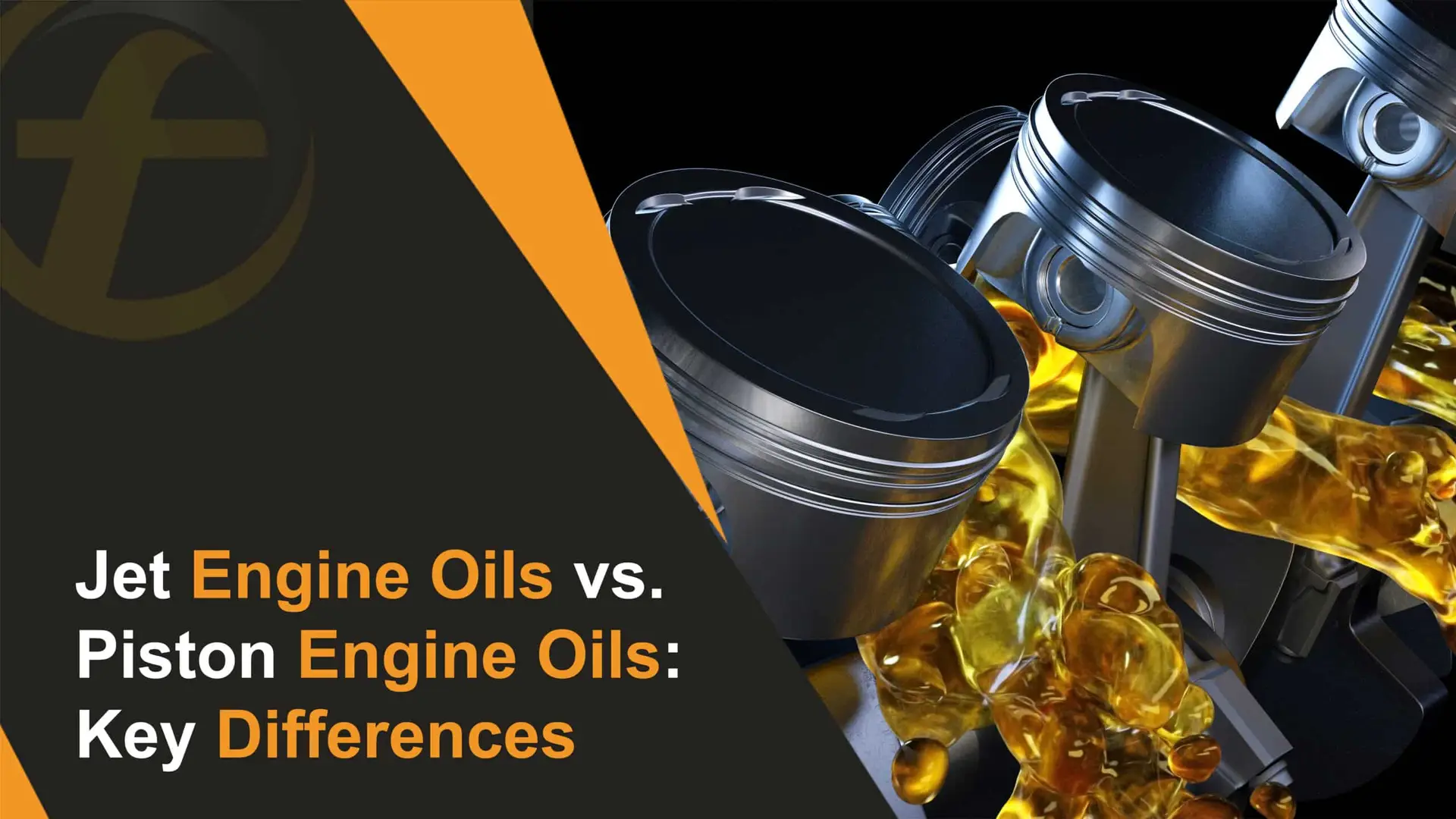
Oil jets are small nozzles inside an engine block. They spray pressurized engine oil toward parts that need extra cooling or lubrication. In many engines, they aim oil at the underside of the pistons.
You may also hear them called piston oil squirters, piston cooling jets, or oil spray nozzles. These terms often describe the same basic part.
An oil jet usually has a small opening. Some also have a spring-loaded check valve. The valve keeps the jet closed at low oil pressure and opens when pressure reaches a set level.
Think of an oil jet as a tiny sprinkler inside the engine. Instead of watering grass, it sends oil to hot metal parts moving at high speed.
Oil jets can help cool:
• Piston crowns
• Piston pins
• Cylinder walls
• Connecting rod bearings
• Turbocharger components in some designs
Not every engine needs them. A small, low-output engine may use other cooling methods. A high-output turbocharged engine often benefits more from piston oil jets.

How Do Engine Oil Jets Work?
The engine oil pump draws oil from the oil pan. It then pushes that oil through passages in the engine block and cylinder head.
Some of this oil travels through the main bearings and connecting rod bearings. Another portion reaches the oil jets mounted near the bottom of the cylinders.
When oil pressure is high enough, the jet sprays oil at the piston underside. The oil absorbs heat from the piston and carries that heat back into the engine oil. The oil then flows to the oil pan, where it can cool before making another trip.
Many oil jets include a pressure-controlled valve. This design prevents the jets from spraying constantly when the engine is cold or idling. Keeping them closed at low pressure helps protect the engine’s main lubrication system.
A typical oil jet process looks like this:
The oil pump builds pressure.
Pressurized oil enters a passage in the engine block.
The pressure opens the jet’s check valve.
The nozzle sprays oil below the piston.
The oil removes heat and returns to the oil pan.
This system works with the engine’s cooling system. Coolant removes heat from the cylinder walls and cylinder head. Oil jets remove heat directly from parts that coolant cannot reach easily.

Why Do Engines Use Piston Oil Squirters?
The main reason is heat control. The underside of a piston can become extremely hot, especially in a turbocharged or high-compression engine.
Oil jets also support lubrication. A controlled spray can help reduce friction between the piston pin, piston skirt, and cylinder wall. This can support longer component life when the system works as designed.
Common benefits include:
• Lower piston temperature
• Better resistance to detonation damage
• Improved piston ring durability
• Reduced thermal stress
• Better performance under heavy loads
• Extra protection during towing or high-speed driving
Piston cooling matters because excessive heat can damage the piston crown. It can also cause the piston rings to lose tension or stick in their grooves. In severe cases, high heat may contribute to cracked pistons or melted areas around the piston crown.
Oil jets are not a magic shield. They cannot correct poor fuel quality, low oil pressure, overheating, or an incorrect engine tune. They are one part of a larger system.
A useful real-world lesson is this: an engine may run smoothly at light load while still suffering from poor piston cooling under boost. That is why oil jets are especially valuable in engines built for high power or heavy work.
Do All Car Engines Have Oil Jets?
No, do car engines have oil jets as a standard feature? The answer varies by engine family. Some engines have them from the factory, while others do not.
Manufacturers decide based on factors such as:
• Engine displacement
• Compression ratio
• Turbocharger use
• Expected operating temperature
• Power output
• Production cost
• Engine block design
Older engines often use simpler cooling systems. Some rely on oil passing through the connecting rods or cylinder walls. Modern engines may use dedicated oil jets to meet power, emissions, and durability targets.
Many diesel engines use piston cooling jets because diesel combustion creates high cylinder pressure and heat. Some gasoline engines also use them, especially turbocharged engines and performance models.
The best way to confirm whether a specific engine has oil jets is to check:
The factory repair manual.
The engine parts catalog.
A trusted engine diagram.
The manufacturer’s technical service information.
A direct inspection with the oil pan removed.
Do not assume that every engine in the same vehicle model has the same design. A manufacturer may use different engines across model years, trim levels, or markets.

What Are the Benefits and Limits of Oil Jets?
Oil jets offer clear benefits, but they also have limits. Their value depends on correct oil pressure, clean oil passages, and the right oil viscosity.
Main benefits
Oil jets help transfer heat away from the piston. This may reduce thermal stress during hard acceleration, towing, track use, or long climbs.
They can also improve piston and ring life. Cooler pistons are less likely to suffer from distortion, ring sticking, or heat-related damage.
In some engines, oil jets also add oil to the cylinder wall. This can support lubrication, although too much oil can increase oil consumption or interfere with combustion.
Important limitations
Oil jets require oil flow. If the engine has low oil pressure, a blocked pickup tube, or a worn oil pump, the jets may not work correctly.
A damaged jet can create another problem. If it breaks off or sprays in the wrong direction, it may fail to cool the piston. A stuck-open jet can also reduce oil pressure in the rest of the engine.
Possible drawbacks include:
• Extra oil demand
• More complex engine design
• Added repair cost
• Risk of blockage from sludge
• Lower oil pressure if a jet leaks
• Possible piston contact if incorrectly installed
Oil jets also do not replace a radiator, oil cooler, proper engine tune, or regular maintenance. They work best as part of a complete cooling and lubrication system.
Can Oil Jets Cause Low Oil Pressure?
Yes, damaged or stuck-open oil jets can contribute to low oil pressure. However, they are not the most common cause.
Low oil pressure may result from:
• Low oil level
• The wrong oil viscosity
• A worn oil pump
• Excessive bearing clearance
• A blocked oil pickup
• A damaged oil filter
• A failed pressure relief valve
• A leaking oil jet
A loose oil jet can leak oil inside the engine. That leak may reduce pressure at the crankshaft bearings or other critical parts.
Before blaming the oil jets, check the oil level and confirm pressure with a mechanical test gauge. Dashboard oil pressure sensors can fail, and warning lights may not show the actual pressure accurately.
Never continue driving with a genuine low oil pressure warning. A few minutes of operation without enough pressure can damage bearings, camshafts, turbochargers, and other expensive parts.

What Happens When an Oil Jet Fails?
An oil jet can fail in several ways. It may become blocked, loosen, crack, bend, or stick open.
A blocked jet stops spraying oil at the piston. The engine may still run normally at first. Damage can appear later during high load or high engine speed.
A stuck-open jet may leak too much oil. That can lower oil pressure and reduce the oil available for bearings. It may also cause increased oil consumption in some designs.
Common signs can include:
• Low oil pressure
• Piston slap or unusual engine noise
• Higher oil consumption
• Increased engine temperature
• Piston or ring damage
• Engine knocking under load
• Reduced performance
These symptoms overlap with many other faults. A failed oil jet cannot be diagnosed by sound alone.
In professional engine repair, technicians may inspect oil pressure, measure oil flow, remove the oil pan, and compare the parts with factory specifications. Some engines require piston removal to inspect the jet’s aim and condition.

How Are Oil Jets Diagnosed and Repaired?
Diagnosis starts with basic checks. Confirm the oil level, oil condition, filter type, and correct viscosity. Then test actual oil pressure with a calibrated mechanical gauge.
If pressure is low, the next step is to inspect the oil pan, pickup tube, pump, relief valve, and bearing clearances. The oil jets may be inspected at the same time if the engine design allows access.
A repair may involve:
Removing the oil pan.
Inspecting each jet for damage or looseness.
Checking the jet passage for sludge.
Comparing spray position with service specifications.
Replacing damaged seals, bolts, or jets.
Cleaning the oil system before reassembly.
Using the correct torque and locking method.
Do not enlarge an oil jet opening. Do not install a universal nozzle without confirming compatibility. Oil flow and spray direction are carefully designed for each engine.
One common mistake is using excess sealant near an oil passage. A small piece of sealant can break away and block a jet or oil pickup. Use only the sealant type and amount specified by the manufacturer.
How Can You Protect Engine Oil Jets?
Good maintenance helps prevent most oil jet problems. Clean oil is especially important because the passages and nozzle openings can be very small.
Follow these practical steps:
• Change the oil at the recommended interval.
• Use the correct oil grade and specification.
• Install a quality oil filter.
• Keep the oil level within the safe range.
• Repair overheating problems quickly.
• Avoid excessive engine sludge.
• Do not ignore an oil pressure warning.
• Use the correct torque during engine assembly.
Short trips can create moisture and sludge because the oil may not reach full temperature. If your vehicle mostly makes short trips, follow the severe-service maintenance schedule in the owner’s manual.
High-performance engines may need more frequent oil changes. Track driving, towing, dusty roads, and frequent high-speed operation all place extra stress on the oil system.
Oil Jets vs. Oil Spray From Connecting Rods
Some engines use oil holes in the connecting rods. As the rods rotate, these holes can spray oil toward the cylinder walls or piston underside.
That system differs from fixed oil jets in the engine block. Connecting rod oiling depends on crankshaft position, bearing design, and engine speed. Fixed oil jets provide a more direct and controlled spray.
Some engines use both systems. The connecting rods lubricate moving parts, while dedicated oil jets focus on piston cooling.
The parts may look similar in diagrams, but their oil paths and purposes are different. Always use the engine’s exact service information before diagnosing or modifying the system.
Frequently Asked Questions About Do Car Engines Have Oil Jets
Do all car engines have oil jets?
No. Some engines use dedicated piston oil jets, while others rely on different oil passages and cooling methods. Turbocharged, diesel, and high-performance engines are more likely to use them.
Where are oil jets located in an engine?
Oil jets are usually mounted in the lower section of the engine block near the cylinder bores. They point upward toward the underside of the pistons.
Can you add oil jets to an engine that does not have them?
Sometimes, but it depends on the engine block and oil passage design. An aftermarket conversion requires correct nozzle placement, oil flow, clearance, and pressure control.
Do oil jets improve horsepower?
Oil jets do not usually create horsepower by themselves. They can help control piston temperature, which may support reliability in an engine producing more power.
Can clogged oil jets damage an engine?
Yes. A clogged jet may stop cooling the piston, especially under heavy load. Long-term overheating can contribute to piston, ring, or cylinder damage.
Do oil jets affect oil pressure?
They can. A leaking or stuck-open jet may reduce oil pressure, while a blocked jet may stop piston cooling without causing an obvious pressure change.
How do I know if my engine has oil jets?
Check the factory service manual, parts diagrams, or engine specifications. Direct inspection usually requires removing the oil pan, and some engines require more extensive disassembly.
Conclusion
Do car engines have oil jets? Many do, but the answer depends on the engine’s design. These small nozzles spray oil beneath the pistons to remove heat and support lubrication, especially in turbocharged, diesel, and high-performance engines.
Oil jets need clean oil, proper pressure, and correct installation. A blocked or leaking jet can cause serious damage, so never ignore low oil pressure, overheating, or unusual engine noise.
Check your vehicle’s service information before assuming it has oil jets or attempting a repair. Keep up with oil changes, use the correct oil, and ask a qualified technician to inspect the system when symptoms appear. Share this guide with another car owner or explore your engine’s repair manual to learn more.