

A typical car battery supplies 400 to 850 cold cranking amps, but its output depends on battery size and temperature.
If you are searching “does how many amps is a car battery,” the key point is that a battery does not have one fixed amp rating. Its cold cranking amps, reserve capacity, amp-hour rating, and short-term starting power all describe different parts of its performance. Understanding these numbers helps you choose the right battery, diagnose a weak start, and avoid unsafe tests.
How Many Amps Does a Car Battery Have?
A standard 12-volt car battery often provides between 400 and 850 cold cranking amps (CCA). Some small cars use batteries rated near 350 CCA, while trucks, SUVs, diesel vehicles, and luxury cars may need 900 CCA or more.
The exact answer to “does how many amps is a car battery” depends on what you mean by amps. A battery can deliver:
• A high current for a few seconds to start the engine
• A steady current for lights and electronics
• A small current for many hours when powering accessories
• A very large short-circuit current under dangerous conditions
These are different measurements. CCA is usually the most useful number when discussing a car battery’s starting power.
Most modern vehicles use a 12-volt lead-acid, AGM, or enhanced flooded battery. The battery may show “12 V” on its label, but that does not mean it always produces 12 volts or only 12 amps. Voltage and current are separate electrical properties.
What Are Cold Cranking Amps?
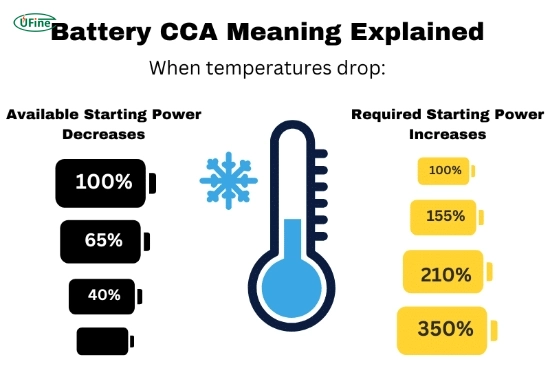
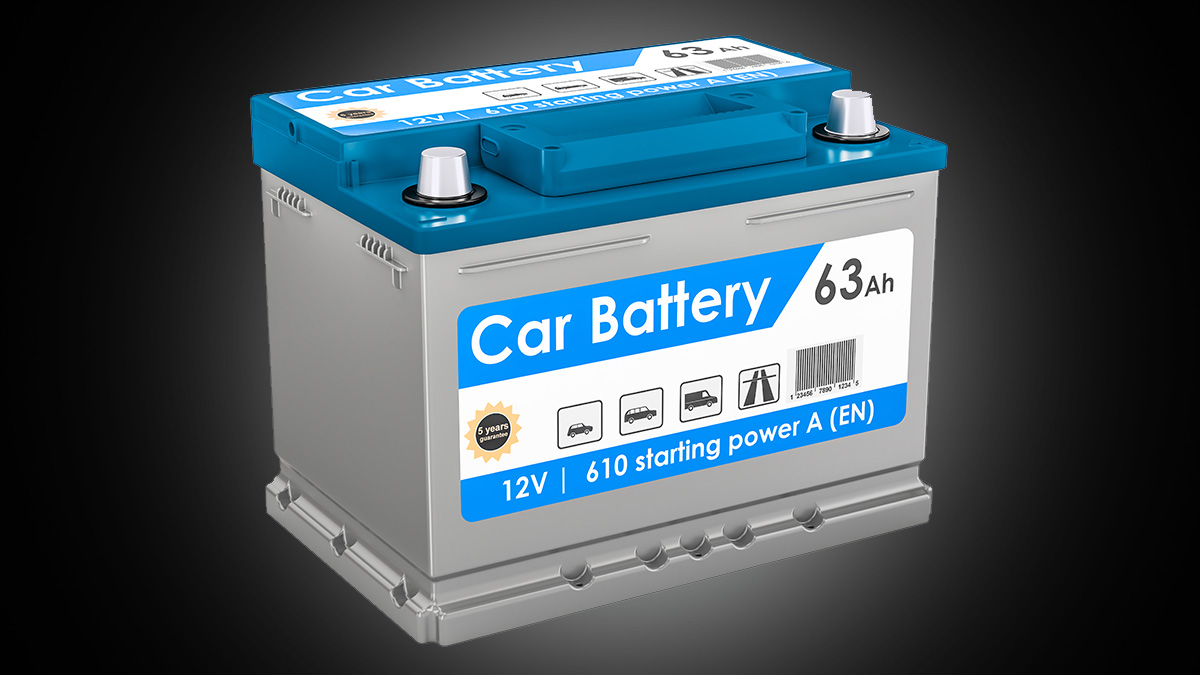
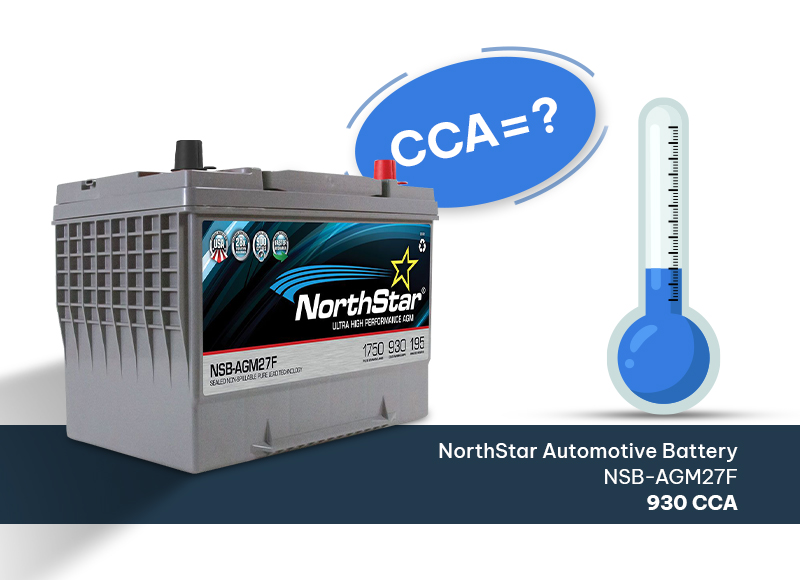
Cold cranking amps measure how much current a battery can provide while starting an engine in cold weather. Under the SAE test method, CCA measures the current a fully charged battery can deliver at 0°F (−18°C) for 30 seconds while maintaining at least 7.2 volts for a 12-volt battery.
For example, a battery marked 650 CCA can deliver about 650 amps during the official starting test. This does not mean it sends 650 amps into the car all day. It means the battery can provide that current for a short period under set test conditions.
Cold weather makes engine starting harder for two reasons:
• Engine oil becomes thicker
• Battery chemistry slows down
The starter motor must work harder, while the battery becomes less able to supply current. That is why a battery that starts a car easily in summer may struggle during a freezing winter.
The answer to “does how many amps is a car battery” is often given as CCA because starting power is the most common concern. Still, CCA is only one part of battery performance.
CCA, CA, and HCA
Battery labels may show several cranking ratings:
• CCA: Cold cranking amps measured at 0°F
• CA: Cranking amps measured at 32°F (0°C)
• HCA: Hot cranking amps measured at 80°F (27°C)
CA and HCA ratings are usually higher than CCA ratings because batteries perform better in warmer conditions. A battery advertised as 800 CA may have a lower CCA rating.
When comparing batteries, use the same rating. Comparing 700 CCA with 700 CA can give a misleading impression because the tests use different temperatures.

Typical Car Battery Amp Ratings
The correct battery rating varies by vehicle design, engine size, climate, and electrical equipment. The following ranges are general examples, not strict rules.
| Vehicle type | Common CCA range |
|---|---|
| Small compact car | 350–550 CCA |
| Mid-size sedan | 500–700 CCA |
| Large sedan | 600–800 CCA |
| Pickup truck or SUV | 650–900 CCA |
| Diesel truck | 750–1,200+ CCA |
| Performance or luxury vehicle | 700–1,000+ CCA |
A vehicle manufacturer may specify a minimum rating. For instance, the owner’s manual may require at least 600 CCA and a certain battery group size. Installing a battery with slightly more CCA is often acceptable if the physical size, terminal position, voltage, and charging system are correct.
A much larger battery is not automatically better. It may not fit the battery tray, and the terminals may be in the wrong position. The safest answer to “does how many amps is a car battery” must include the vehicle’s required battery specification.
Does Battery Size Affect Amps?
Yes. Battery size often affects both starting current and energy storage. A larger battery usually contains more lead plates and electrolyte, which can support a higher CCA rating and greater reserve capacity.
However, physical size alone does not guarantee higher performance. Battery design also matters. An AGM battery, for example, may provide strong vibration resistance and excellent cycling performance compared with a basic flooded battery of a similar size.
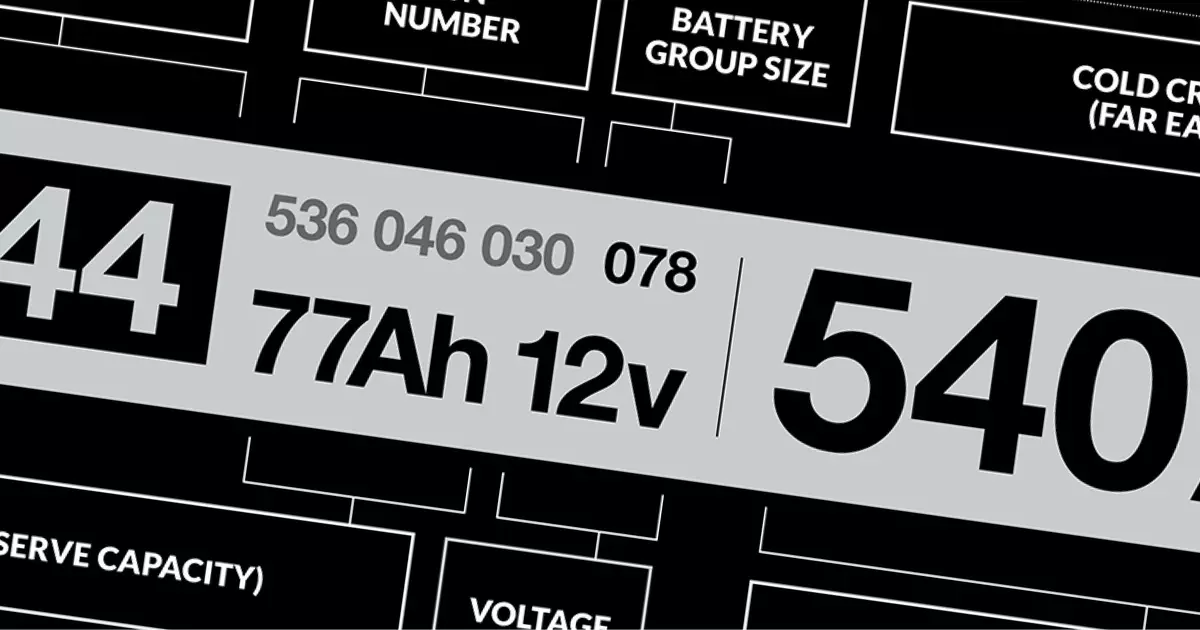
Important battery specifications include:
• Group size: The battery’s physical dimensions and terminal layout
• CCA: Starting power in cold conditions
• Reserve capacity: How long the battery can support a load
• Amp-hours: Stored electrical capacity under a stated test
• Voltage: The electrical pressure of the battery
Always match the battery group size and required rating listed for your vehicle. Do not choose a battery based only on the largest amp number printed on the label.
How Many Amp-Hours Does a Car Battery Have?
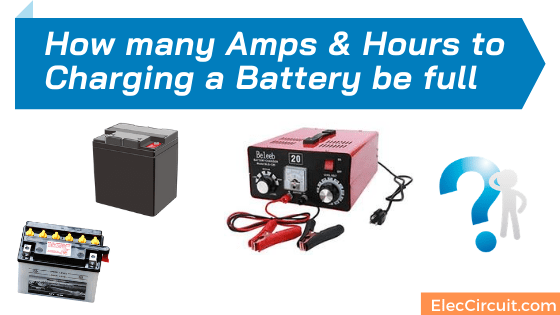
A typical 12-volt car battery may have an estimated capacity of 45 to 100 amp-hours (Ah). Many starting batteries are not labeled with an amp-hour rating because they are designed mainly for short bursts of high current.
Amp-hours describe capacity over time. In simple terms, a 60 Ah battery could theoretically provide:
• 1 amp for 60 hours
• 3 amps for 20 hours
• 6 amps for 10 hours
Real results vary. The test rate, battery age, temperature, and discharge depth all affect capacity. A lead-acid battery can also suffer damage if it is repeatedly drained too deeply.
Amp-hours do not equal CCA. A battery with a high amp-hour rating may not be the best starter battery, while a battery with high CCA may not run accessories for a long time.
This distinction helps answer “does how many amps is a car battery.” CCA describes short-term starting power, while amp-hours describe approximate energy storage.
How Much Current Does a Car Need to Start?
A gasoline engine may need about 150 to 300 amps during normal starting. Large engines, thick oil, high compression, and cold temperatures can push the demand above 400 amps.
Diesel engines often require more current because they have higher compression and may use glow plugs. A diesel truck can demand 500 amps or more during starting, especially in very cold weather.
The starter motor does not always draw the same current. Its demand changes with:
• Engine size and compression
• Outside temperature
• Engine oil viscosity
• Starter motor condition
• Battery charge level
• Cable and connection quality
A weak battery may still power the dashboard and headlights but fail when the starter demands several hundred amps. Starting an engine is like opening a large water valve for a few seconds. A small trickle may run the lights, but the starter needs a powerful surge.
How Many Amps Does a Car Use While Driving?
A moving car may use 20 to 50 amps during normal driving. The actual load depends on the vehicle and the accessories in use.
Common electrical loads include:
• Engine control modules
• Fuel pump
• Ignition coils or glow plugs
• Headlights
• Climate control fan
• Heated seats
• Windshield defroster
• Audio and navigation systems
• Electric cooling fans
The alternator supplies most of this power while the engine runs. It also recharges the battery after starting. A modern alternator may be rated from 80 to 250 amps, but its real output changes with engine speed, temperature, and electrical demand.
The alternator rating does not mean the car constantly uses that many amps. It shows the maximum output the alternator can produce under suitable conditions.
Can a Car Battery Produce Thousands of Amps?
Yes, a healthy car battery can potentially deliver several hundred to more than 1,000 amps during a direct short circuit. This current can produce intense heat, sparks, molten metal, or an explosion.
A short circuit happens when the positive and negative terminals are connected with very low resistance. The battery tries to push as much current as the cables and internal resistance allow.
Never test a car battery by touching a metal tool across its terminals. Use a proper digital multimeter, battery tester, or professional load tester. Wear eye protection when working near a lead-acid battery, and keep sparks away from the battery case.
The answer to “does how many amps is a car battery” should never encourage unsafe current testing. The battery’s short-circuit current is not a useful everyday rating.
How to Measure Car Battery Amps Safely
Measuring starting current requires the right tool. A standard multimeter is usually not designed to measure starter current, and connecting it directly across the battery in current mode can blow the meter fuse or create a dangerous short.
Use these safer methods:
- Inspect the battery label for its CCA and reserve capacity ratings.
- Use a battery conductance tester to estimate battery health.
- Use a professional carbon-pile load tester according to its instructions.
- Use a clamp meter designed for high DC current.
- Ask a repair shop to perform a battery and charging-system test.
A voltage reading can also provide useful clues:
• About 12.6 volts after resting often indicates a full battery
• About 12.4 volts suggests partial charge
• About 12.2 volts indicates roughly half charge
• Below 12.0 volts usually indicates a deeply discharged battery
These values are approximate. A surface charge can make a weak battery appear healthy, so voltage alone cannot confirm battery condition.
In my experience, one of the most common mistakes is replacing a battery based only on a low voltage reading. A discharged battery may simply need a proper charge, while an old battery can show normal voltage but fail a load test.
Signs of a Weak Car Battery
A weak battery may show clear warning signs before it stops the car completely. Pay attention to changes in starting speed and electrical behavior.
Common signs include:
• The engine cranks slowly
• The starter clicks but does not turn the engine
• Headlights dim during starting
• Interior lights flicker
• Electronic settings reset
• The battery case swells
• There is a rotten-egg smell
• The battery warning light appears
• The vehicle needs frequent jump-starts
A slow crank often points to low battery charge, poor cable connections, a failing starter, or a charging problem. The battery is not always the cause.
Check the battery terminals for white, blue, or green corrosion. Clean and tighten the connections only after turning the vehicle off and following safe battery procedures. Loose terminals can create the same symptoms as a low-amp battery.
What Causes a Battery to Lose Amp Capacity?
A car battery loses its ability to provide current as it ages. A typical lead-acid battery may last about three to five years, although climate, driving habits, and maintenance can shorten or extend its life.
Common causes of reduced battery output include:
• Sulfation from long periods of partial charge
• Extreme heat under the hood
• Freezing while deeply discharged
• Repeated deep discharges
• Corroded or loose terminals
• A failing alternator
• Parasitic electrical drain
• Long periods without driving
Heat speeds up battery wear, while cold weather reveals the weakness. This is why many batteries fail during the first major cold snap of the season.
Short trips can also hurt battery health. The starter takes a large amount of energy, but a short drive may not give the alternator enough time to replace it. A smart charger can help maintain a vehicle that sits for long periods.
Car Battery Amps Versus Volts
Volts measure electrical pressure. Amps measure the flow of electrical current. A car battery can have about 12.6 volts at rest and still be unable to deliver enough amps to start the engine.
Think of voltage as water pressure and amps as water flow. A system may show good pressure with a blocked or weak flow path. In a car, that weak path may be a damaged battery, corroded cable, or failing starter.
Power combines both values:
Power in watts = volts × amps
For example, a starter drawing 250 amps at 10 volts uses about 2,500 watts during cranking. The voltage may fall while the starter operates because the battery is under heavy load.
This is why “does how many amps is a car battery” cannot be answered by looking at voltage alone. A battery needs both adequate voltage and strong current delivery.
Choosing the Right Replacement Battery
Use the vehicle owner’s manual or the original battery label before buying a replacement. The correct battery must fit the vehicle and meet its electrical needs.
Check these details:
• Battery group size
• Minimum CCA rating
• Reserve capacity
• Amp-hour rating, if listed
• Terminal location
• Battery type, such as flooded or AGM
• Required registration or battery programming
Some vehicles with stop-start systems require an AGM or enhanced flooded battery. Installing a standard battery in such a vehicle may cause early failure and charging problems.
A higher CCA rating is not always harmful, but it should not replace the manufacturer’s specifications. Also, do not install a battery with a lower CCA rating simply because it costs less. It may struggle in cold weather and can shorten battery life.
Frequently Asked Questions About Does How Many Amps Is a Car Battery
How many amps is a normal car battery?
A normal car battery commonly has a CCA rating between 400 and 850 amps. Small cars may use less, while trucks and diesel vehicles may require more.
Is a car battery 12 amps or 12 volts?
A car battery is usually described as a 12-volt battery, not a 12-amp battery. Its current output can range from a few amps to several hundred amps, depending on the electrical load.
How many amps does a car need to start?
Many gasoline engines need about 150 to 300 amps to start. Larger engines, diesel engines, cold weather, and mechanical problems can raise the demand significantly.
Can a car battery have too many amps?
A battery with a higher CCA rating is generally safe if it has the correct size, voltage, terminal layout, and battery type. The vehicle draws only the current it needs, but an incorrect battery may not fit or charge properly.
How many amps does a car battery have when fully charged?
A fully charged battery does not have one fixed amp value. It stores energy and supplies current based on the vehicle’s demand, while its CCA rating shows the approximate maximum starting output under a specific test.
How can I tell if my battery has enough amps?
Check the battery’s CCA rating and have it tested with a conductance or load tester. A voltage test alone cannot prove that the battery can deliver enough starting current.
Conclusion
The best answer to “does how many amps is a car battery” is that most car batteries provide about 400 to 850 cold cranking amps, but the exact number depends on the vehicle and battery design. CCA measures starting power, while amp-hours measure stored capacity and reserve capacity shows how long the battery can support a load.
Do not judge a battery by voltage alone, and never test its maximum current with a metal tool. Check the owner’s manual, inspect the terminals, and use a proper battery tester before replacing the battery. If this guide helped, share your battery rating or vehicle model in the comments and explore more maintenance resources for a safer, more reliable start.
