

A well-maintained car can often last 200,000 miles or more, while neglected vehicles may fail much sooner.
The answer to “does how many miles does a car last” depends on maintenance, driving habits, climate, vehicle quality, and repair history. A mileage number can offer a useful guide, but the car’s condition and service records often tell a more accurate story than the odometer alone.
How Many Miles Does a Car Usually Last?
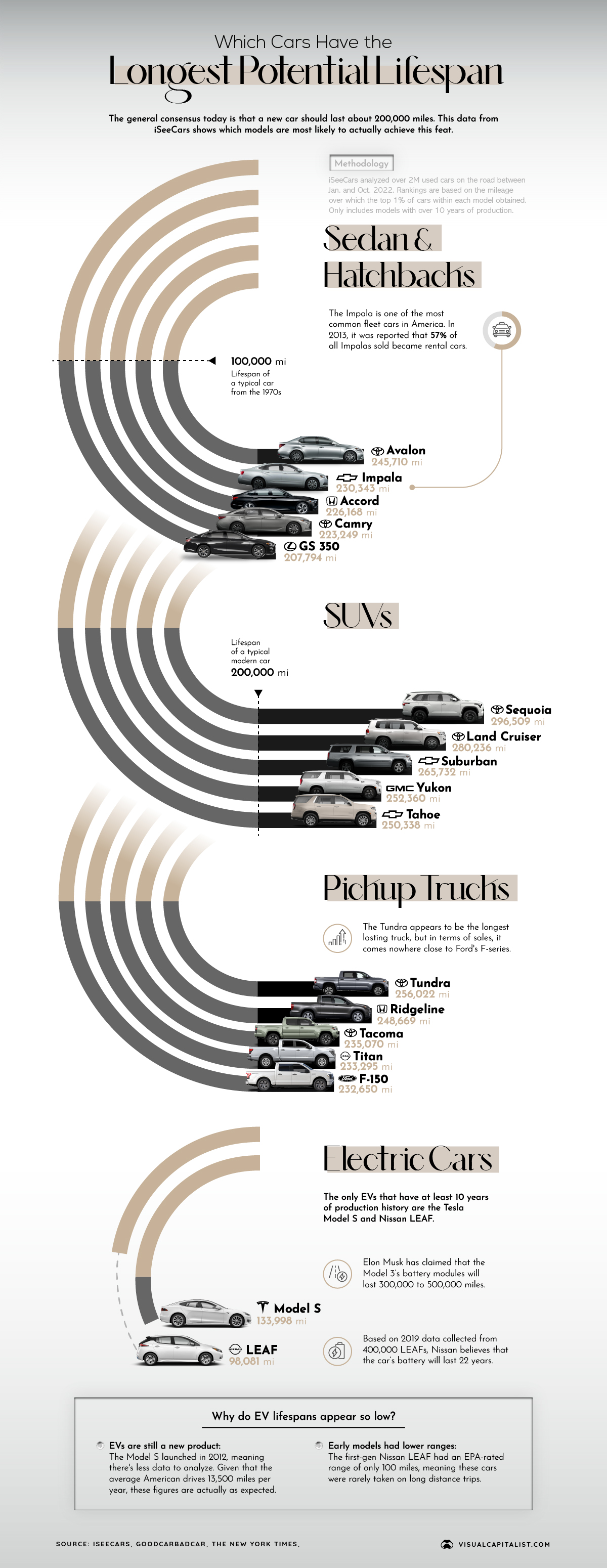
Most modern cars last between 150,000 and 200,000 miles. Many well-maintained vehicles reach 250,000 miles or more, especially when owners follow the service schedule and fix small problems early.
So, if you ask, “does how many miles does a car last,” a fair general answer is about 12 to 15 years of regular use. This estimate assumes normal driving and proper care. Some cars age faster because of poor maintenance, harsh weather, or heavy use.


A car’s mileage is like a person’s age. It gives you useful context, but it does not tell the whole story. A 180,000-mile car with regular oil changes may be a better buy than a 90,000-mile car with missing service records.
Industry data also shows that vehicles are staying on the road longer than they did in the past. Better engine design, improved rust protection, stronger transmissions, and better computer controls all help modern cars last longer.

What Determines How Long a Car Lasts?
Several factors affect how many miles a car can last. These factors can make the difference between a dependable high-mileage car and one that becomes expensive far too soon.
Maintenance History
Routine maintenance is the biggest factor. Engine oil reduces friction, coolant controls heat, and transmission fluid protects internal parts. When these fluids become dirty or too low, expensive damage can follow.
Important services include:
• Oil and filter changes
• Brake inspections
• Tire rotations and wheel alignment
• Coolant replacement
• Transmission fluid service
• Air filter replacement
• Spark plug replacement
• Timing belt replacement when required
A missed oil change may not cause instant damage. However, repeated neglect can create sludge, wear bearings, and reduce engine life.
Driving Habits
Aggressive driving places more stress on the engine, transmission, brakes, tires, and suspension. Rapid acceleration and hard braking also increase heat and wear.
Short trips can be hard on a car. The engine may not reach its full operating temperature, so moisture and fuel residue can build up in the oil. Long highway trips are often easier on the powertrain than repeated short trips in heavy traffic.
Climate and Road Conditions
Heat, cold, salt, humidity, and dust all affect vehicle life. Road salt can cause rust beneath the body, around brake lines, and on suspension parts. Extreme heat can damage batteries, rubber seals, belts, and cooling system parts.
Cars in dry states may avoid some rust issues, but dust and heat still create problems. Cars in snowy regions may have clean engines but serious underbody corrosion.


Vehicle Design and Brand Quality
Some engines and transmissions have strong long-term records. Others may have known problems with oil consumption, overheating, timing chains, or transmission failure.
Brand reputation matters, but it is not a guarantee. A reliable model can still fail if its owner skips service. A less popular model may last many years if it receives excellent care.
Use and Load
A family sedan used for calm highway travel may last longer than the same model used for towing, racing, or commercial driving. Delivery vehicles and taxis often accumulate miles quickly, but they may also receive frequent maintenance.
When asking “does how many miles does a car last,” always consider how those miles were earned. Highway miles and stop-and-go city miles do not create the same amount of wear.

Does Mileage Matter More Than Age?
Mileage matters, but age can be just as important. A low-mileage car that sat unused for years may have dry seals, old tires, weak brakes, and stale fluids.
Rubber parts become brittle over time. This includes hoses, belts, suspension bushings, window seals, and engine gaskets. A car driven only 5,000 miles a year may still need age-based maintenance.
A 10-year-old car with 120,000 miles may be healthier than a 10-year-old car with 45,000 miles. The higher-mileage example may have received regular use and service, while the low-mileage car may have spent years parked outside.
Check both the odometer and the calendar. Look for:
• Service dates, not just service mileage
• The age of the tires
• Rust beneath the vehicle
• Cracked belts and hoses
• Battery replacement history
• Leaking fluids
• Long gaps between inspections
The best answer to “does how many miles does a car last” includes both distance and time. A vehicle’s life is shaped by use, storage, weather, and care.
How Long Do Major Car Parts Last?
A car may continue running for many miles even when major components need repair. The engine is only one part of the ownership cost.
Engine
A well-maintained gasoline engine may last 200,000 miles or more. Frequent oil changes, proper cooling, and quick repairs are essential.
Overheating is especially dangerous. One severe overheating event can damage the cylinder head, head gasket, or engine block.
Transmission
Automatic transmissions often last between 150,000 and 200,000 miles, but their life varies widely. Fluid condition, towing, driving style, and design all matter.


Warning signs include slipping, delayed shifting, harsh gear changes, strange sounds, and dark or burnt-smelling fluid.
Brakes
Brake pads may last 25,000 to 70,000 miles. The range depends on traffic, driving style, vehicle weight, and road conditions.
Brake rotors may last through several pad changes, but rust, heat, and uneven wear can shorten their life.
Suspension
Shocks and struts often need attention between 50,000 and 100,000 miles. Rough roads, potholes, heavy loads, and rust can reduce that range.
A worn suspension can cause bouncing, nose diving during braking, uneven tire wear, or poor handling.
Battery
A standard car battery commonly lasts three to five years. Very hot or very cold climates can shorten its life.
Hybrid battery packs can last much longer, often well beyond 100,000 miles. Still, replacement costs can be high, so check the warranty and battery condition before buying a used hybrid.
Timing Belt and Timing Chain
Timing belts often require replacement between 60,000 and 105,000 miles, depending on the vehicle. If a belt breaks in an interference engine, the repair can be severe.
Timing chains often last longer, but they are not always maintenance-free. A rattling sound during startup or a timing-related warning code may signal trouble.

How to Make a Car Last 200,000 Miles
Reaching 200,000 miles is not based on luck alone. Good habits reduce wear and help you find problems before they become major failures.
Follow the owner’s maintenance schedule. Use the time and mileage intervals listed by the manufacturer.
Change the oil on time. Use the correct oil grade and filter for the engine.
Check fluid levels often. Look at engine oil, coolant, brake fluid, power steering fluid, and transmission fluid when appropriate.
Do not ignore warning lights. A check engine light may signal a small issue, but continued driving can turn it into a costly repair.
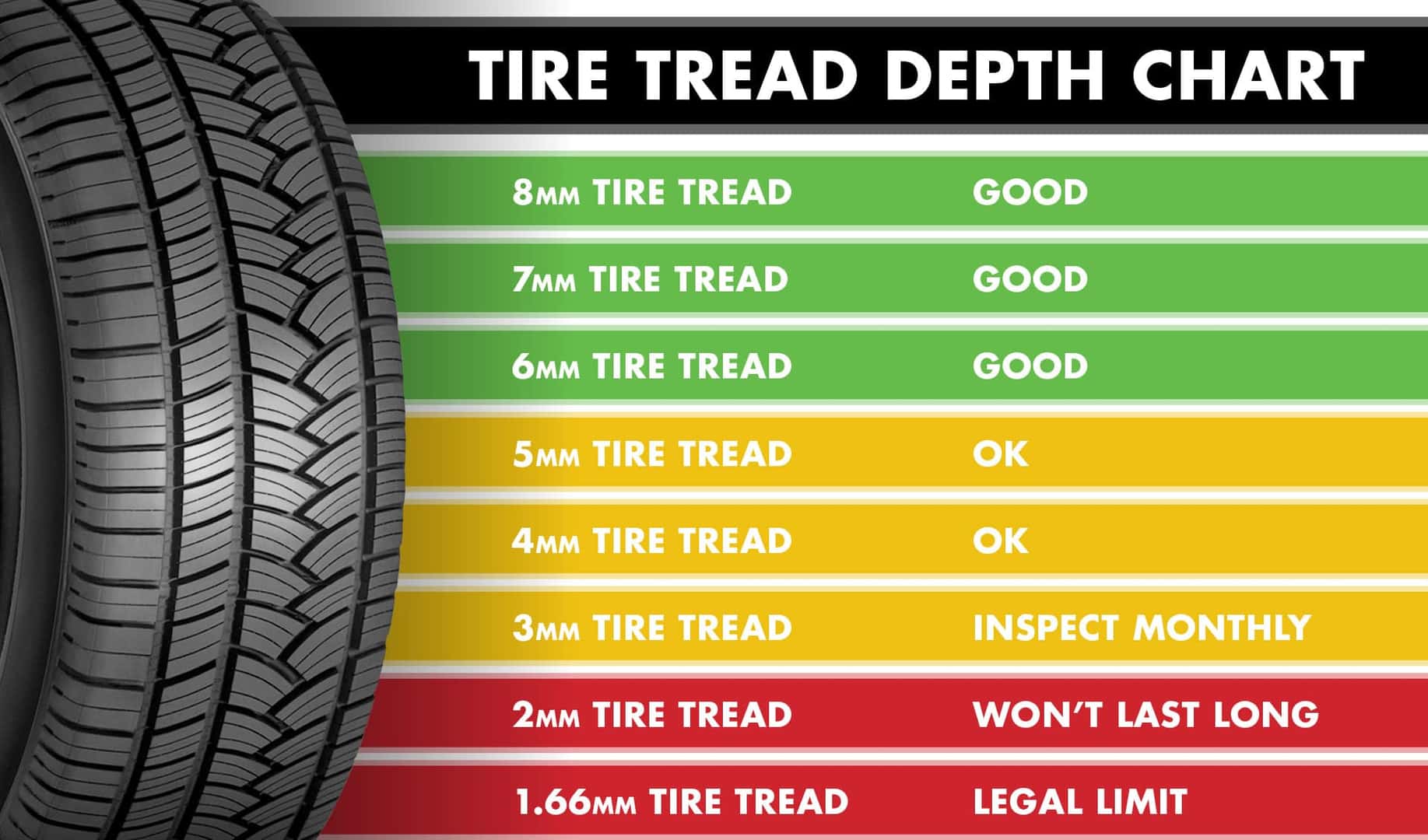
Replace worn tires early. Safe tires improve braking, handling, and fuel economy.
Keep the cooling system healthy. Check for leaks and replace old coolant as recommended.
Drive smoothly. Gentle acceleration and braking reduce stress on many parts.
Wash off road salt. Clean the underside of the vehicle during winter, especially after salty road conditions.
Repair leaks quickly. A small oil or coolant leak can become a major engine problem.
Keep service records. Records improve resale value and help you plan future repairs.
One lesson many drivers learn the hard way is that preventive service is usually cheaper than emergency repair. Spending a few hundred dollars on maintenance can prevent an engine, transmission, or cooling system bill worth thousands.
Is a High-Mileage Car Worth Buying?
A high-mileage car can be a smart purchase if the price reflects its condition and the history is clear. Mileage alone should not automatically scare you away.
Before buying, review the vehicle history report and ask for maintenance receipts. Then arrange an independent inspection with a trusted mechanic. A professional can find leaks, rust, worn suspension parts, engine problems, and transmission concerns that a short test drive may miss.
Pay special attention to:
• Rust on the frame, brake lines, and underbody
• Oil or coolant leaks
• Uneven tire wear


• Engine smoke
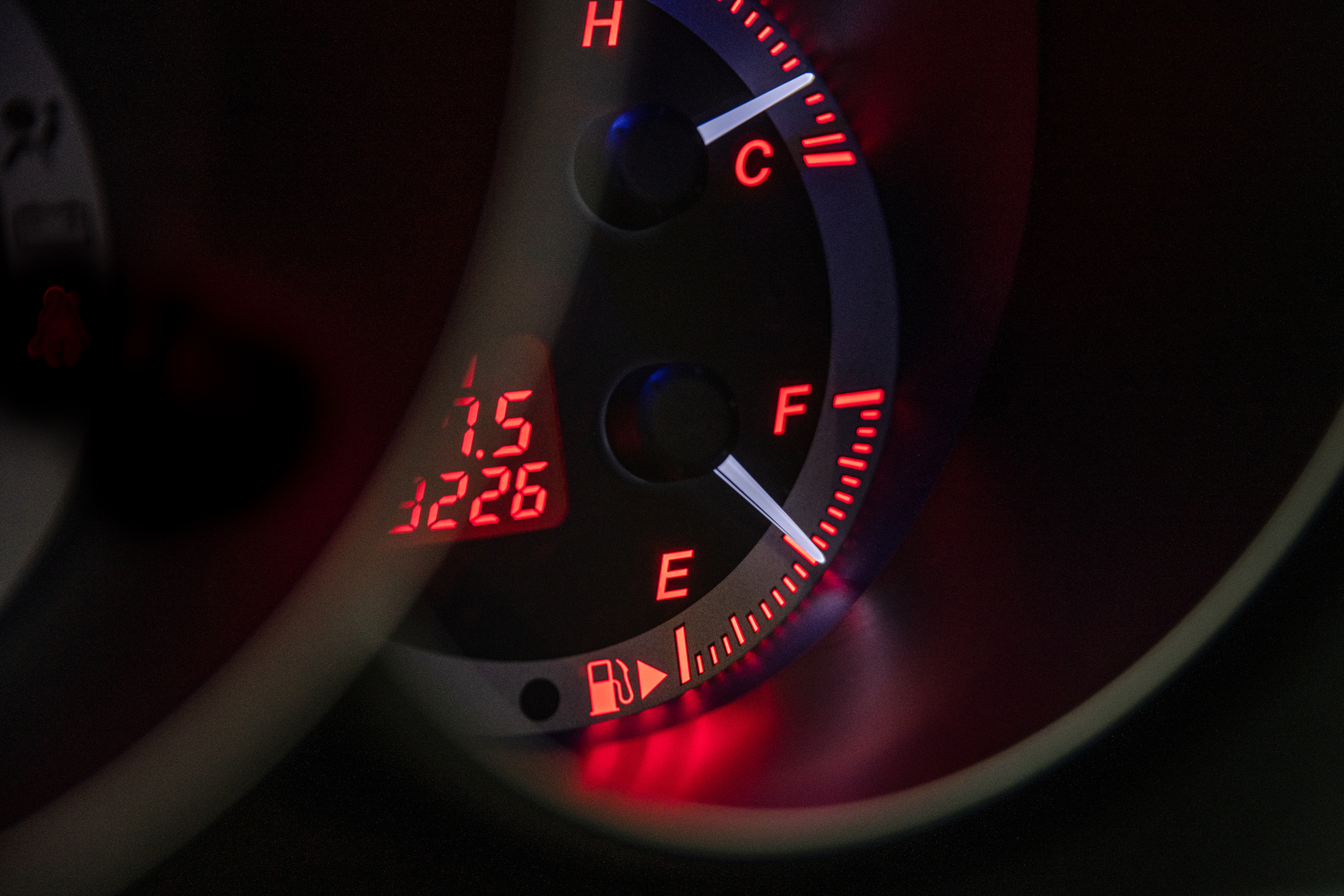
• Dashboard warning lights
• Poor maintenance records
• Signs of flood or accident damage
• A missing timing belt service
A pre-purchase inspection is one of the best ways to answer “does how many miles does a car last” for one specific vehicle. It replaces guesswork with evidence.
Also estimate future repair costs. A car with 180,000 miles may need suspension work, a water pump, an alternator, or a catalytic converter soon. These repairs do not always mean the vehicle is bad, but they should be part of your budget.
When Is a Car No Longer Worth Repairing?
There is no single mileage number that means a car should be scrapped. The decision depends on repair cost, vehicle value, safety, reliability, and your personal needs.
A repair may make sense when the car has a strong body, a reliable engine, and a good service history. It may not make sense when the vehicle has severe rust, repeated breakdowns, or several major systems failing at once.
Use this simple comparison:
• Estimate the repair cost.
• Check the car’s current market value.
• Add likely repairs over the next year.
• Consider the cost of buying another vehicle.
• Evaluate safety and daily reliability.
For example, spending $2,000 on a repair may be reasonable for a well-kept car worth $10,000. The same repair may not make sense for a rusted car worth $3,000 with a failing transmission.
Do not judge the vehicle only by its odometer. Some owners replace a car too soon because they fear a large mileage number. Others keep a car too long because they ignore warning signs. Condition, repair history, and total cost provide a better answer.
How to Check a Used Car’s Remaining Life
You can learn a lot before paying for a used vehicle. Take your time and inspect the car in daylight.
Start with the engine cold. A warm engine may hide hard starting, smoke, or noise. Ask the seller not to start the vehicle before you arrive.
During the inspection:
• Check the oil level and color.
• Look for coolant or oil leaks.
• Inspect tires for uneven wear.
• Test every light, window, lock, and control.
• Watch for warning lights during startup.
• Listen for knocking, tapping, or grinding.
• Test the brakes in a safe area.
• Check that the transmission shifts smoothly.
• Look beneath the car for rust or fresh fluid.


A road test should include city streets, a highway, turns, hills, and firm braking when safe. Notice steering vibration, suspension noise, shifting delays, and overheating.
Do not let a clean interior distract you from mechanical problems. Cosmetic details are easy to fix. Engine damage, frame rust, and transmission failure are much more serious.
Fuel Type and Vehicle Type Differences
Different vehicle types can have different long-term costs. A gasoline sedan may be simple and inexpensive to repair. A diesel truck may last many miles but require costly fuel system or emissions repairs.
Electric vehicles have fewer moving powertrain parts than gasoline cars. They do not need engine oil changes, spark plugs, or traditional exhaust repairs. However, battery health, charging equipment, and electronic systems matter greatly.
Hybrid vehicles combine an engine and electric motor. They may provide excellent fuel economy, but buyers should check the hybrid battery warranty and replacement cost.
Trucks and SUVs can last 200,000 miles, but their larger tires, brakes, suspension parts, and drivetrains may cost more to maintain. Towing and heavy loads also add stress.
Therefore, “does how many miles does a car last” has no universal answer for every vehicle class. The right estimate depends on the powertrain, design, use, and maintenance plan.
Frequently Asked Questions About Does How Many Miles Does a Car Last
Does a car last 300,000 miles?
Some cars reach 300,000 miles, but this is above the normal range. Reaching that distance usually requires excellent maintenance, timely repairs, favorable conditions, and sometimes major component replacement.
Is 200,000 miles too much for a used car?
Not always. A 200,000-mile car with strong service records and a clean inspection may be more dependable than a lower-mileage car that was neglected.
How many miles does a car last before it breaks down?
There is no exact breakdown mileage. A car can fail at 60,000 miles due to poor maintenance or continue past 250,000 miles with careful ownership.
Do highway miles last longer than city miles?
Highway miles often create less stress because they involve fewer stops, starts, and gear changes. City driving can cause more brake, transmission, suspension, and engine wear.
Should I buy a car with over 100,000 miles?
You can, if the vehicle passes an independent inspection and has a clear maintenance history. Budget for age-related repairs and confirm that major services, such as timing belt replacement, are complete.
What is the most important service for long car life?
Regular oil changes are among the most important services for gasoline and diesel engines. You should also follow the full maintenance schedule because cooling, transmission, brakes, tires, and timing components matter too.
Can proper maintenance double a car’s life?
Maintenance can greatly extend a car’s useful life, but it cannot prevent every failure. Rust, accidents, manufacturing defects, severe climate, and expensive electronic problems can still limit ownership.


Conclusion
A typical car lasts about 150,000 to 200,000 miles, while a carefully maintained vehicle may reach 250,000 miles or more. The real answer to “does how many miles does a car last” depends on maintenance, driving conditions, vehicle design, age, and repair history.
Treat the odometer as a clue, not a verdict. Keep service records, respond to warning signs, inspect used cars carefully, and compare repair costs with the vehicle’s value. With steady care and smart decisions, you can give your car the best chance of serving you for many more miles.