

An alternator keeps your car’s battery charged and powers its electrical systems while the engine runs.
If you have ever seen a battery warning light, weak headlights, or a car that suddenly will not start, the alternator may be part of the story. Understanding what does alternator do on a car helps you spot trouble early, avoid being stranded, and make better repair choices. This guide explains how the alternator works, what failure looks like, how to test it, and how to protect your vehicle’s charging system.
What Does an Alternator Do on a Car?
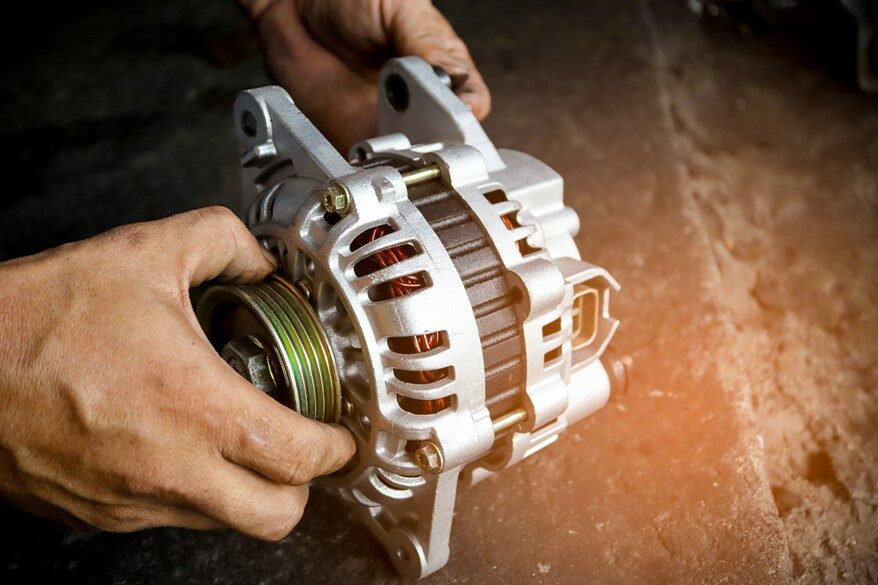
The alternator is an electrical generator driven by the engine. Its main job is to produce electricity while the engine runs. It also sends power to the battery and the car’s electrical parts.
In simple terms, the alternator does three key jobs:
• It recharges the battery after starting the engine.
• It powers systems such as headlights, the radio, fuel injectors, sensors, and climate controls.
• It helps keep the vehicle’s electrical voltage at a safe and steady level.
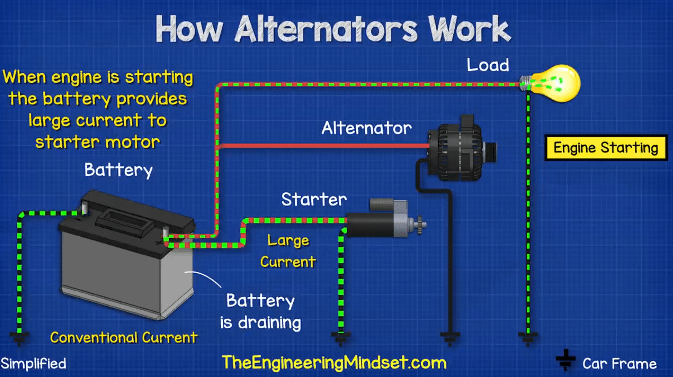
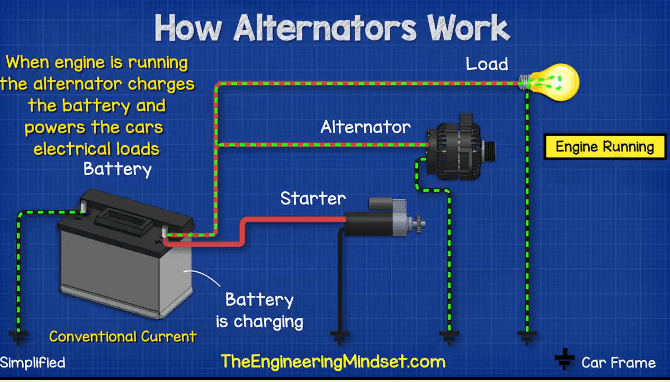
The battery gives the starter motor a strong burst of power. After the engine starts, the alternator takes over much of the electrical work. Think of the battery as a water tank and the alternator as the pump that keeps it full.
So, what does alternator do on a car during a normal drive? It turns engine movement into electrical energy. Without this process, the battery would slowly run out of power.

How Does a Car Alternator Work?
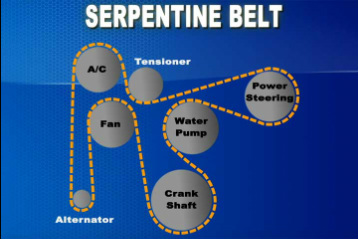
The alternator uses a belt connected to the engine. When the engine turns, the belt spins a part inside the alternator called the rotor.
The rotor creates a rotating magnetic field. This field moves around copper wire coils called the stator. The movement produces alternating current, also called AC electricity.
Your car needs direct current, or DC electricity. A component called a rectifier changes the alternator’s AC output into DC power. The voltage regulator then controls the output so the vehicle does not receive too much or too little voltage.
The basic process looks like this:
The engine spins the alternator belt.
The belt spins the rotor.
The rotor creates a magnetic field.
The stator produces electrical current.
The rectifier changes AC power into DC power.
The voltage regulator controls the final voltage.
Most modern vehicles produce about 13.5 to 14.8 volts while the engine is running. The exact reading depends on the vehicle, temperature, battery state, and charging system design.
This explains what does alternator do on a car in technical terms. It changes mechanical energy from the engine into usable electrical energy.
What Parts Make Up an Alternator?
An alternator contains several parts that work together. A problem with any one of them can reduce charging performance.
Rotor
The rotor spins inside the alternator. It creates the magnetic field needed to produce electricity.
Stator
The stator is a set of stationary copper windings. The spinning magnetic field passes through these windings and creates AC electricity.
Rectifier
The rectifier uses diodes to change AC electricity into DC electricity. A damaged diode can cause weak charging or battery drain when the car is parked.
Voltage regulator
The voltage regulator controls the alternator’s output. It prevents voltage spikes that could damage computers, lights, and other electrical parts.
Pulley and bearings
The pulley transfers engine movement through the serpentine belt. Bearings allow the alternator shaft to spin smoothly.
Brushes and slip rings
These parts transfer electrical current to the spinning rotor. They can wear over time, especially in vehicles with high mileage.
Knowing these parts makes it easier to understand what does alternator do on a car and why alternator repairs can vary in cost.
What Are the Signs of a Bad Alternator?
An alternator may fail slowly or stop working without much warning. Some symptoms are easy to notice, while others look like a battery problem.
Common signs include:
• A battery-shaped warning light on the dashboard
• Headlights that flicker or become dim
• Slow power windows or weak interior lights
• A clicking sound when you turn the key
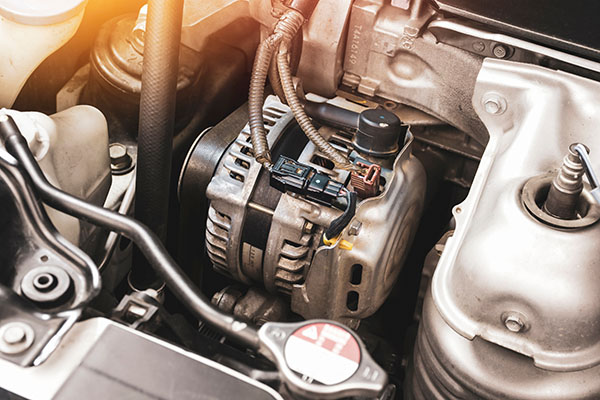
• A whining, grinding, or growling noise from the engine bay
• A burning rubber or electrical smell
• A dead battery after a short drive
• An engine that stalls while driving
• Warning messages from several electronic systems
The battery warning light does not always mean the battery is bad. It often means the vehicle has detected a problem with the charging system. The alternator, belt, wiring, fuse, or voltage regulator may be at fault.
One practical lesson is important here: do not replace the battery before testing the entire charging system. A weak alternator can damage a new battery and leave you with the same problem a few days later.

What Happens When an Alternator Fails?
When the alternator stops producing enough power, the car begins using energy stored in the battery. The vehicle may continue to run for a short time, but the battery will keep losing charge.
As the voltage drops, electrical systems may shut down one by one. The headlights can dim, the dashboard can act strangely, and the engine may eventually stop.
This is why understanding what does alternator do on a car matters for safety. A failing alternator can cause a breakdown during traffic, at night, or far from home.
A completely failed alternator may prevent the engine from starting again. Jump-starting the vehicle may help for a short time, but it does not repair the charging problem. If the alternator is not working, the battery will soon discharge again.
How Do You Test an Alternator?
You can check basic alternator performance with a digital multimeter. Always follow safe testing practices and keep loose clothing, hair, and tools away from the serpentine belt.
Use these steps:
Turn the engine off and measure the battery voltage.
A healthy, rested battery often reads close to 12.6 volts.
Start the engine and measure the voltage again.
Many vehicles should show about 13.5 to 14.8 volts while running.
Turn on the headlights, blower motor, rear defroster, and other loads.
Check whether the voltage remains within the vehicle maker’s stated range.
A reading below the normal charging range can point to an alternator, belt, wiring, or regulator problem. A reading that is too high can also indicate a faulty voltage regulator.
Voltage tests are useful, but they do not tell the whole story. A professional charging system test can check alternator output under load, diode condition, belt operation, and battery health.
Never disconnect the battery while the engine is running to test an alternator. This old method can create a voltage surge and damage sensitive electronic modules.
Why Do Alternators Fail?
Alternators operate in a hot, vibrating environment. Over time, their internal parts wear down.
Common causes of alternator failure include:
• Worn brushes or slip rings
• Failed bearings
• Damaged diodes
• A faulty voltage regulator
• Loose, cracked, or slipping serpentine belts
• Corroded battery cables or ground connections
• Oil or coolant leaking onto the alternator
• Excessive electrical demand from added accessories
• Water or road debris entering the unit
A weak belt can cause symptoms that look like an alternator failure. If the belt slips, the alternator may not spin fast enough to produce normal power. A squeal during startup or acceleration often points to belt trouble.
Poor electrical connections can also create confusion. Corrosion at the battery terminals or engine ground may restrict current flow even when the alternator itself works correctly.
This is one reason a complete diagnosis matters. The answer to what does alternator do on a car is simple, but finding the cause of a charging problem requires checking the whole system.
Can a Bad Battery Damage an Alternator?
A failing battery can place extra demand on the alternator. The alternator may need to work harder and for longer periods to restore the battery’s charge.
That does not mean every weak battery will destroy an alternator. However, replacing an alternator without checking the battery can lead to repeated problems.
A technician should inspect:
• Battery age and test results
• Battery terminal condition
• Charging voltage
• Alternator output under load
• Serpentine belt tension and condition
• Ground straps and charging cables
• Parasitic electrical drain
Modern vehicles may also need a battery registration or charging-system reset after battery replacement. This is common in cars with battery monitoring systems.

How Long Does an Alternator Last?
Many alternators last about seven to ten years or roughly 100,000 to 150,000 miles. This is only a general range. Driving habits, climate, vehicle design, and electrical load can change the result.
Short trips can be hard on the charging system because the alternator has less time to replace the energy used during startup. Very hot weather can also shorten battery and alternator life.
To help the system last longer:
• Keep battery terminals clean and tight.
• Replace a worn serpentine belt promptly.
• Repair oil and coolant leaks near the alternator.
• Avoid ignoring a battery warning light.
• Have charging voltage checked during routine service.
• Use the correct battery type for the vehicle.
Regular checks cannot prevent every failure, but they can reveal a weak charging system before it leaves you stranded.

Can You Drive With a Bad Alternator?
You may be able to drive a short distance, but it is risky. Once the alternator stops charging, the car runs on battery power alone.
Driving time may range from a few minutes to more than an hour. The result depends on battery condition, vehicle electronics, weather, and whether the alternator has failed completely.
Turn off unnecessary electrical loads if you must reach a safe location:
• Air conditioning
• Heated seats
• Audio systems
• Extra interior lights
• Phone chargers
Do not turn off safety equipment such as headlights at night or windshield wipers during rain. If the engine begins to run roughly, the dashboard lights dim, or the car loses power, pull over safely and request assistance.
A tow is often safer and cheaper than being stranded or damaging other electrical components.
Alternator Repair and Replacement Costs
The cost of alternator service depends on the vehicle and the failed part. Some alternators can be rebuilt, while others are replaced as complete units.
Factors that affect price include:
• Vehicle make and model
• Alternator output rating
• New, rebuilt, or remanufactured part
• Labor access and installation time
• Belt or tensioner replacement
• Battery replacement
• Additional wiring or diagnostic work
A low-cost part is not always the best choice. A poor-quality remanufactured alternator may have a shorter service life or weak internal components. Ask about the warranty and whether the charging system was tested after installation.
The best repair is based on diagnosis, not guesswork. Knowing what does alternator do on a car helps you ask useful questions and avoid paying for parts you do not need.
Alternator vs. Battery: What Is the Difference?
The battery and alternator work together, but they have different jobs.
The battery stores electrical energy. It powers the starter motor when you turn the key or press the start button. It also provides power when the engine is off.
The alternator produces electrical energy after the engine starts. It recharges the battery and powers most electrical systems during operation.
A simple comparison looks like this:
• Battery: stores power and starts the engine
• Alternator: creates power while the engine runs
• Starter motor: turns the engine during startup
A dead battery and a bad alternator can create similar symptoms. Testing both parts is the safest way to identify the real problem.
Frequently Asked Questions About What Does Alternator Do on a Car
Does the alternator charge the battery while driving?
Yes. The alternator sends electrical current to the battery while the engine runs. It also powers the vehicle’s electrical systems at the same time.
How do I know if my alternator or battery is bad?
A battery test and charging-system test can separate the two problems. A battery may show about 12.6 volts when fully charged, while a running vehicle often shows about 13.5 to 14.8 volts, depending on its design.
Can a car run without an alternator?
A car may run briefly using only the battery. Once the battery loses its charge, the engine and electrical systems will stop working.
Does a bad alternator make a noise?
It can. Worn bearings may create a grinding or growling sound, while belt problems may cause squealing. Noise alone cannot confirm the fault, so the charging system should still be tested.
Will a new battery fix an alternator problem?
No. A new battery may help the car start, but it will discharge again if the alternator cannot recharge it. Both the battery and alternator should be tested before parts are replaced.
How often should an alternator be checked?
Have it checked when you notice dim lights, slow electrical accessories, starting trouble, or a battery warning light. It is also wise to include charging-system checks during regular maintenance on an older vehicle.
Conclusion
The alternator converts engine movement into electrical power. It recharges the battery, runs important systems, and helps keep vehicle voltage stable. A failing alternator can cause dim lights, warning messages, starting problems, and an unexpected stall.
Do not ignore a battery warning light or assume every starting problem means you need a new battery. Test the battery, alternator, belt, cables, and grounds as one system. If you notice charging trouble, arrange a professional inspection soon, and share this guide with another driver who wants to understand their car better.
