

Coolant keeps your engine at a safe temperature, prevents corrosion, and helps stop costly damage.
Knowing what does coolant do for a car can help you avoid overheating, engine damage, and expensive repair bills. Coolant is more than colored liquid in a plastic tank. It controls heat, protects metal parts, supports the water pump, and keeps the cooling system working in hot and cold weather.
What Does Coolant Do for a Car?
Coolant carries heat away from the engine and moves it to the radiator. The radiator then releases that heat into the air. This cycle helps the engine run within its designed temperature range.
Without coolant, engine heat can rise very fast. Metal parts may expand, oil may break down, and the cylinder head or engine block can warp or crack.
Coolant also does several other important jobs:
• It lowers the freezing point of the cooling fluid.
• It raises the boiling point above that of plain water.
• It protects steel, aluminum, copper, and other parts from rust and corrosion.
• It lubricates the water pump seal.
• It helps prevent scale and deposits inside narrow cooling passages.
• It supports cabin heat by sending warm fluid through the heater core.
A simple way to understand what does coolant do for a car is to think of it as the engine’s heat manager. It takes away unwanted heat while protecting the system from cold, rust, and pressure.

How Does the Car Cooling System Work?
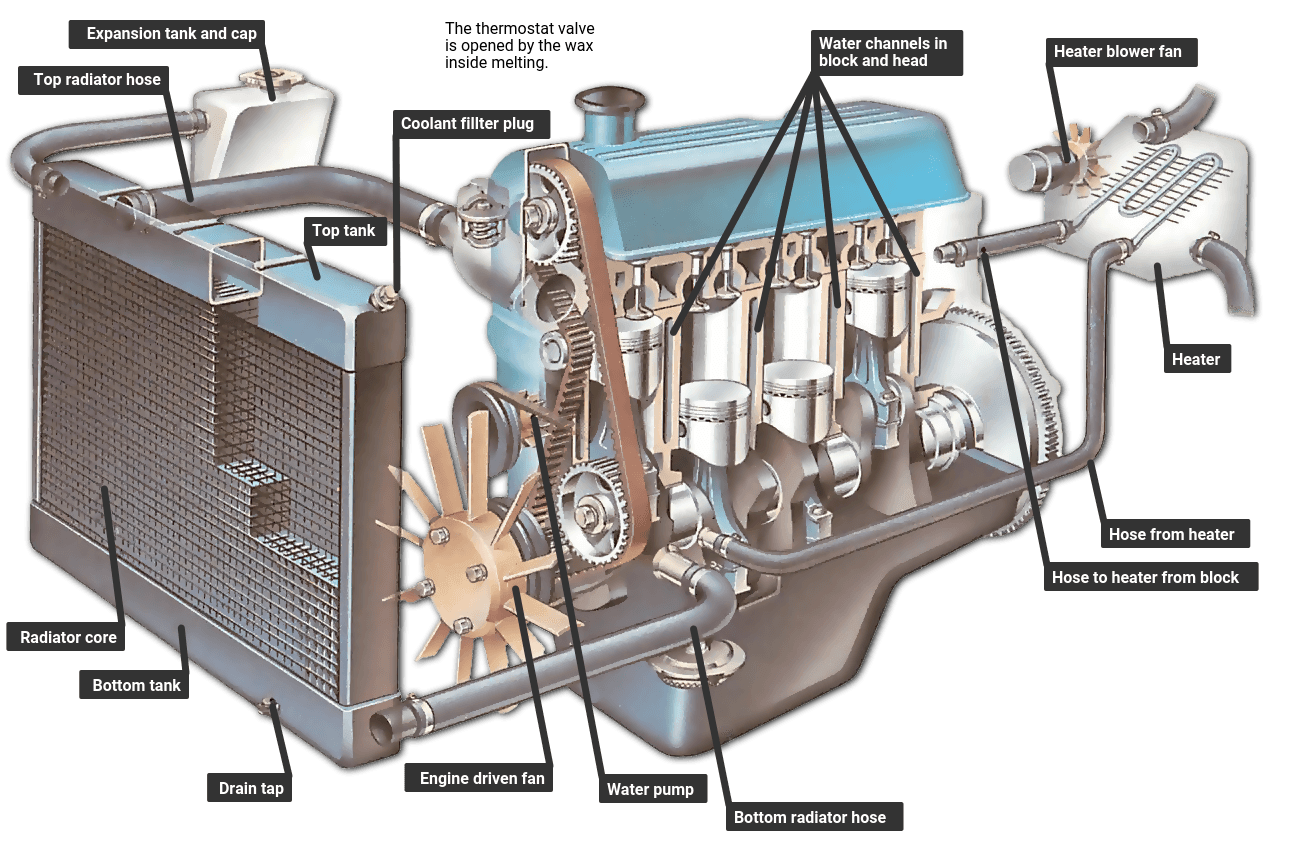
The cooling system uses several parts that work together. Coolant flows through the engine, absorbs heat, and travels to the radiator.
Here is the basic process:
The water pump pushes coolant through the engine passages.
Coolant absorbs heat from the cylinder head, engine block, and other hot parts.
The thermostat opens when the engine reaches its target temperature.
Hot coolant moves into the radiator.
Air passing through the radiator removes heat from the fluid.
Cooled fluid returns to the engine and repeats the cycle.
The thermostat acts like a gate. When the engine is cold, it stays closed or partly closed so the engine warms up quickly. When the engine reaches operating temperature, it opens and allows more coolant to flow through the radiator.
The radiator fan adds airflow when the car is moving slowly or sitting still. A faulty fan, stuck thermostat, weak water pump, or blocked radiator can cause overheating even when the coolant level looks normal.
Understanding what does coolant do for a car also means understanding pressure. A sealed cooling system raises the boiling point of the coolant. The radiator cap or expansion tank cap controls this pressure. Never remove that cap while the engine is hot because pressurized coolant can cause serious burns.

What Is Coolant Made Of?
Most automotive coolant contains water, antifreeze, and chemical additives. Antifreeze usually contains ethylene glycol or, in some products, propylene glycol.
Ethylene glycol works well and is common, but it is toxic if swallowed. It has a sweet smell and taste that can attract pets. Even a small spill can be dangerous, so clean spills at once and store coolant away from children and animals.
Coolant additives help control corrosion, foam, and deposits. They also protect parts such as:
• Radiators
• Water pumps
• Heater cores
• Head gaskets
• Aluminum engine passages
• Thermostats
Many vehicles use a 50/50 mixture of antifreeze and distilled water. Some premixed products are ready to use. Concentrated antifreeze must be mixed according to the vehicle maker’s instructions.
Plain water can transfer heat well, but it is not a complete long-term coolant. It can freeze in winter, boil more easily, and promote rust or mineral deposits. In an emergency, water may help you reach a repair shop, but you should restore the correct coolant mixture soon.

Coolant vs. Antifreeze: Are They the Same?
People often use “coolant” and “antifreeze” as if they mean the same thing. They are closely related, but they are not always identical.
Antifreeze is the concentrated chemical fluid. Coolant is usually the mixture of antifreeze and water that goes into the car. A 50/50 premixed product is already coolant, while a bottle labeled “concentrate” needs water before use.
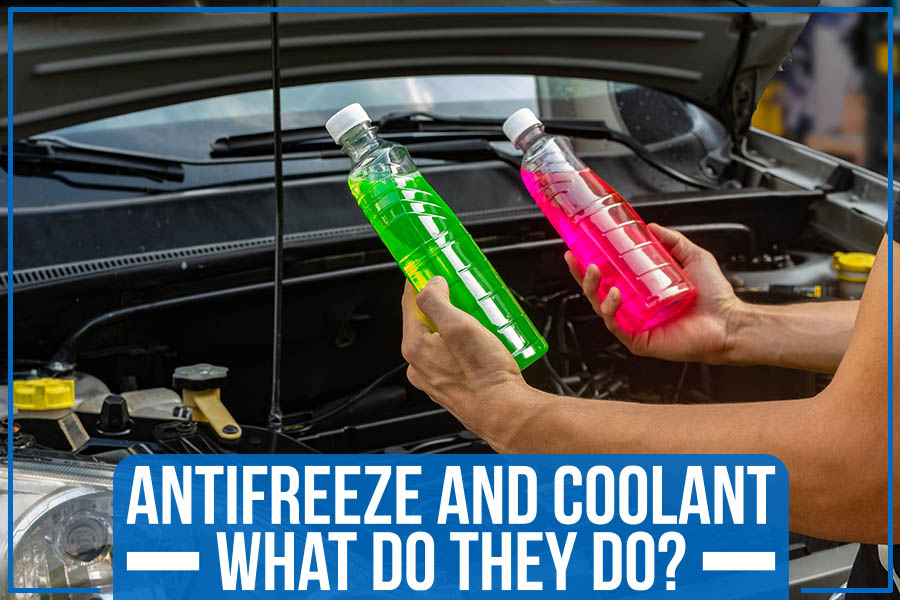
The color does not reliably identify the coolant type. Green, orange, yellow, blue, and pink products may use different chemical formulas. Two coolants can share a color but still be incompatible.
Always check:
• The owner’s manual
• The coolant label
• The vehicle maker’s specification
• The advice of a qualified technician
Mixing the wrong coolant may reduce corrosion protection or create deposits. It may not cause an instant failure, but it can shorten the life of seals, hoses, and other cooling system parts.
This is one of the most useful lessons about what does coolant do for a car: the fluid must not only cool the engine. It must also match the materials and design of that specific cooling system.
Why Is Coolant Important for Engine Health?
The engine creates intense heat during combustion. Some of that heat powers the vehicle, but the rest must leave the engine safely.
If the engine runs too hot, the oil can lose its ability to protect moving parts. The head gasket may fail. Pistons can expand too much. The cylinder head may warp. In severe cases, the engine can seize.
Coolant helps prevent these problems by keeping temperatures steady. A stable temperature also helps the engine control fuel use, emissions, and performance.
Coolant is important during cold weather, too. A correct mixture protects against freezing. Frozen coolant can expand and crack a radiator, hose, engine block, or heater core.
In daily driving, the cooling system may face heavy traffic, steep hills, towing, hot weather, and long highway trips. A healthy system manages these changes quietly. That is why many drivers do not think about coolant until a warning light appears or steam rises from under the hood.
Signs of Low or Bad Coolant
A car may show clear signs when its cooling system has a problem. Do not ignore these warnings.
Common signs include:
• A high temperature gauge reading
• An engine temperature warning light
• Steam from under the hood
• A sweet smell near the engine
• Coolant spots under the vehicle
• A low coolant warning
• Poor cabin heat during cold weather
• Bubbling in the coolant reservoir
• White, pink, green, or orange fluid near hoses or the radiator
• Repeated need to add coolant
A low level usually means there is a leak or another system problem. Coolant does not normally disappear during regular driving. It may leak from a hose, radiator, water pump, thermostat housing, heater core, or head gasket.
Bad coolant may look rusty, cloudy, oily, or muddy. It may also contain visible particles. These signs can point to corrosion, contamination, or a failed gasket.
A useful workshop lesson is simple: do not treat repeated top-offs as normal maintenance. Adding fluid may hide the problem for a while, but the leak can grow and leave you stranded.

How to Check Coolant Safely
Check coolant when the engine is fully cold. The fluid expands when hot, so a warm reading may not show the true level.
Follow these steps:
Park on level ground and turn off the engine.
Wait until the engine is cold.
Find the translucent coolant reservoir.
Compare the fluid level with the “MIN” and “MAX” marks.
Inspect the fluid color and condition.
Look for wet areas around hoses, clamps, the radiator, and the water pump.
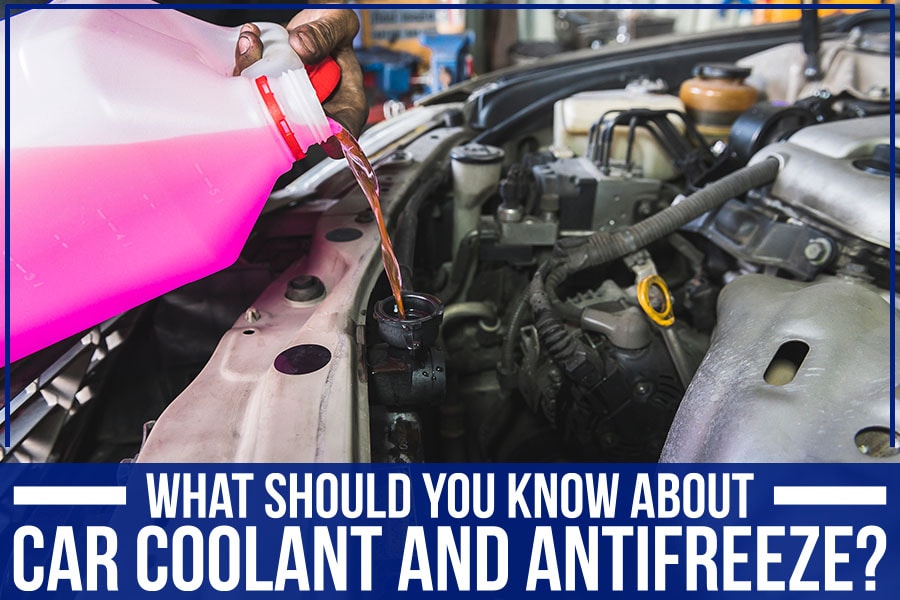
Add the correct premixed coolant only if the level is low.
Do not open the radiator cap on a hot engine. Hot coolant can spray out under pressure and cause severe burns.
If the reservoir is empty, the temperature gauge is high, or you see steam, stop driving when it is safe. Let the engine cool and arrange professional help. Driving an overheating car can turn a small leak into major engine damage.
Some vehicles use a pressurized expansion tank instead of a traditional radiator fill point. The owner’s manual will show the correct place to check and fill.
How Often Should You Change Coolant?
The correct coolant service interval depends on the vehicle, coolant formula, driving conditions, and cooling system design. Some modern long-life coolants may last five years or longer. Older formulas may require service sooner.
Do not rely only on color or a universal time rule. Check the maintenance schedule in the owner’s manual.
A coolant service may include:
• Draining the old fluid
• Flushing the system when needed
• Checking hoses and belts
• Testing the thermostat
• Inspecting the radiator cap
• Checking for leaks
• Filling with the correct coolant mixture
• Removing trapped air
Air pockets can reduce coolant flow and cause hot spots. Some vehicles need a specific bleeding process after a coolant change. If air remains trapped, the heater may blow cold air or the engine may overheat.
Coolant can also lose its corrosion protection over time. The fluid may still look clean while its additives have become less effective. This is why scheduled service matters.

Can You Mix Different Coolants?
Mixing coolant types is risky unless the products are specifically approved as compatible. The color is not enough proof.
Different formulas may use different inhibitor packages. When mixed, they may provide weaker protection or form deposits. The result can reduce flow through the radiator and heater core.
If you are unsure which coolant is in the vehicle, do not guess. Read the manual, check the product specification, or ask a qualified repair professional.
If the wrong coolant was added, the system may need to be drained and flushed. The correct repair depends on the amount added, the type of coolant, and the vehicle maker’s instructions.
The safest habit is to keep a small bottle of the exact approved premixed coolant in your garage or trunk. Store it upright and away from children and pets.

What Happens If You Drive Without Coolant?
Driving without enough coolant can cause rapid overheating. The temperature gauge may rise within minutes, especially in traffic or under heavy load.
Possible damage includes:
• A blown head gasket
• A warped cylinder head
• A cracked engine block
• Damaged pistons
• Failed bearings
• A ruined water pump
• Severe oil contamination
If the coolant warning appears, turn off the air conditioner and turn on the heater only long enough to reach a safe stopping place. Then shut off the engine if the temperature continues to rise.
Do not pour cold water into a very hot engine. A sudden temperature change can damage metal parts. Wait for the engine to cool, then inspect the system or call for assistance.
Knowing what does coolant do for a car makes this risk clear. Coolant is not an optional comfort fluid. It is part of the engine’s basic protection system.
Tips for Maintaining the Cooling System
A few simple habits can help prevent cooling system trouble.
• Check the coolant level once a month when the engine is cold.
• Inspect hoses for cracks, swelling, soft spots, or leaks.
• Look under the car after parking for fresh fluid.
• Follow the recommended coolant service interval.
• Use only the approved coolant specification.
• Never ignore a rising temperature gauge.
• Keep the radiator and front grille free of leaves and dirt.
• Replace a damaged radiator cap promptly.
• Have recurring coolant loss pressure-tested.
• Dispose of old coolant at an approved collection site.
Coolant is poisonous to people and animals. Never pour it onto the ground, into a storm drain, or into household plumbing.
For many drivers, the best maintenance plan is a yearly visual check and a review of the service schedule. A technician can use a pressure tester, refractometer, or electronic test tool when a closer inspection is needed.
Frequently Asked Questions About What Does Coolant Do for a Car
Can a car run on water instead of coolant?
Water can provide temporary cooling in an emergency, but it is not suitable for long-term use. It can freeze, boil more easily, and cause corrosion or mineral buildup.
How do I know which coolant my car needs?
Check the owner’s manual or the coolant specification printed on the product label. Do not choose based only on color, because color does not always show the chemical formula.
How long can I drive with a low coolant level?
You should avoid driving with low coolant because the engine may overheat without much warning. If the level is low, check for leaks, add the correct fluid when the engine is cold, and have the system inspected.
Is it normal to add coolant often?
No. A cooling system should not need frequent top-offs. Repeated coolant loss usually points to a leak, a faulty cap, a damaged water pump, or an internal engine problem.
Can low coolant affect the heater?
Yes. Low coolant can prevent hot fluid from reaching the heater core. This may cause weak or cold cabin heat, and it can also signal air in the cooling system.
Can I open the coolant reservoir when the engine is hot?
Do not open a pressurized reservoir or radiator cap while the engine is hot. Hot coolant and steam can escape with enough force to cause serious burns.
Does coolant improve fuel economy?
Coolant helps the engine maintain its proper operating temperature, which supports normal fuel control and emissions. It does not act as a fuel-saving additive, but a faulty cooling system can affect engine efficiency.
Conclusion
Coolant absorbs engine heat, carries it to the radiator, protects against freezing and boiling, and helps prevent rust and damage. It also supports the water pump, heater core, hoses, and other cooling system parts.
Use the correct coolant, check the level only when the engine is cold, and take overheating or repeated fluid loss seriously. These small steps can protect your engine and help you avoid a major repair.
Review your owner’s manual today, inspect the coolant reservoir, and share your questions or maintenance experience in the comments.
