

A touchless car wash cleans your vehicle with high pressure water and detergents, without brushes touching the paint.
If you want a clean car with less risk of swirl marks, understanding what is a touchless car wash can help you choose wisely. I have used touchless systems in winter, after dusty road trips, and during busy weeks when a hand wash was not practical. The right system can be gentle and fast, but it also has limits that every driver should know.
What Is a Touchless Car Wash?
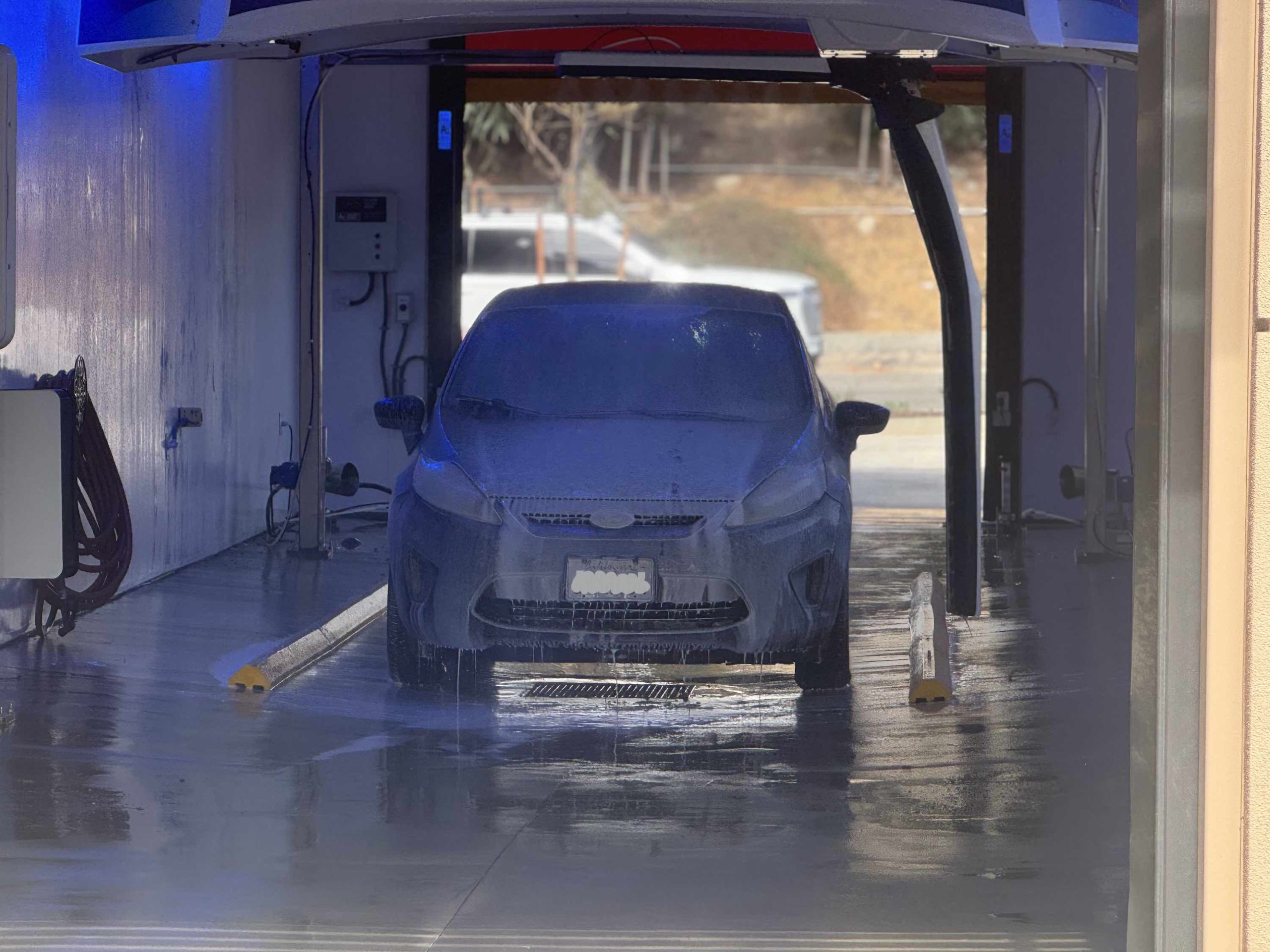
A touchless car wash is an automated vehicle wash that uses water pressure, cleaning chemicals, and air to wash and dry a car. Unlike a traditional automatic car wash, it does not use brushes, cloth strips, or spinning foam rollers that make physical contact with the paint.
The car usually stays in one place while a machine moves around it. First, sensors measure the vehicle’s size and position. Then, spray arms apply water and detergents in a set order.
A typical touchless car wash may use:
• High pressure water jets to loosen dirt
• A pre-soak chemical to break down road film
• Soap or foam to lift grime
• A high pressure rinse to remove soap
• Wax or sealant as an optional final treatment
• Powerful air blowers to dry the vehicle
The main idea is simple: the touchless car wash replaces friction with water pressure and cleaning agents. Think of it as using a strong shower instead of a scrub brush.
A touchless car wash is common at gas stations, standalone wash sites, dealerships, and some full-service car wash businesses. Customers often choose it because the service is quick and does not require them to leave the vehicle.

How Does a Touchless Car Wash Work?
The exact process varies by location, but most touchless car wash systems follow several basic steps.
1. Vehicle positioning
You drive into the wash bay and follow signs, lights, or voice instructions. The system may ask you to stop at a marked point and place the car in neutral.
Some systems use sensors to detect the vehicle’s length, height, and width. Correct positioning matters because the spray arms need enough space to reach the hood, roof, sides, wheels, and rear of the car.
2. Pre-rinse
The system sprays water over the vehicle. This step removes loose dust, sand, salt, and small pieces of dirt.
A strong pre-rinse is important because dry grit can act like sandpaper if it gets dragged across the paint. Since a touchless car wash does not use brushes, this step helps prepare the surface for chemical cleaning.
3. Chemical pre-soak
The machine applies a detergent or pre-soak solution. This chemical helps soften grease, insects, road salt, and traffic film.
Many systems use different chemicals for different stages. An alkaline cleaner may help with oily road dirt, while an acidic product may help remove mineral deposits. The balance must be carefully controlled because strong chemicals can affect wax, trim, or certain coatings.
4. High pressure wash
Water jets move across the car and target areas where dirt collects. These areas often include:
• Wheel wells
• Lower doors
• Rocker panels
• Rear bumpers
• License plate areas
• The front grille
High pressure water can remove loose and moderately stuck dirt without physical contact. However, it cannot always remove thick mud, dried bird droppings, tree sap, or heavy grease.
5. Final rinse
The system rinses away soap and loosened debris. Some touchless car wash locations use filtered or softened water during this step.
Spot-free rinse water contains fewer minerals. This can reduce white water spots as the vehicle dries, although results depend on the local water supply and the quality of the equipment.
6. Drying
Air blowers remove much of the remaining water. Some touchless car wash systems also offer a wax, drying agent, or water-repellent coating before the air-dry cycle.
The dryer may not remove every drop. Water can remain around mirrors, door handles, badges, and window trim. A clean microfiber towel can help, but avoid wiping a dirty car because that can create fine scratches.
Benefits of a Touchless Car Wash
A touchless car wash has several clear advantages. It is not perfect for every cleaning task, but it can be a smart choice for regular maintenance.
Less risk of brush-related scratches
The biggest benefit is the lack of physical contact. Brushes and cloth strips can hold sand from a previous vehicle. If that dirt contacts your paint, it may create swirl marks or fine scratches.
A touchless car wash removes this shared-contact risk. It does not guarantee scratch-free cleaning, since dirty water, strong spray, or poor equipment can still cause problems. Still, the design is generally safer for people who want to limit contact with the paint.
Fast and convenient
Most touchless washes take only a few minutes. You can stay in the car, follow simple instructions, and continue your day.
This convenience is useful after a long commute or before an important event. In my own use, the main appeal was not chasing a perfect finish. It was keeping road salt and grime from sitting on the car for days.
Useful in winter
Road salt and deicing chemicals can collect on the body and undercarriage during winter. A touchless car wash can quickly rinse away much of this buildup.
If the location offers an underbody spray, use it after driving on salted roads. This step does not replace a detailed undercarriage cleaning, but it can help reduce salt exposure.
Good for delicate exterior parts
Some vehicles have loose trim, aftermarket accessories, roof racks, or sensitive paint protection products. A touchless system avoids direct contact with these parts.
You should still check the wash instructions. High pressure water can affect loose decals, damaged paint, cracked trim, or poorly installed accessories.
Easy to use between detailed washes
A touchless car wash works well as part of a larger maintenance plan. You can use it for a quick rinse and schedule a careful hand wash when the car needs deeper cleaning.
This approach is similar to brushing your teeth between dental cleanings. A quick wash keeps dirt under control, while a detailed wash handles the work that automation cannot.

Limitations and Disadvantages
The answer to what is a touchless car wash should include its limits. No automatic wash can match every part of a careful hand wash.
It may not remove heavy dirt
Touchless systems depend on water pressure and cleaning chemicals. They do not scrub the surface.
Dried mud, thick bug stains, tree sap, tar, and bird droppings may remain after the wash. If you see these spots, do not rub them dry with a towel. Soak them first and use a safe automotive cleaner.
Strong chemicals may affect protection
Some touchless car wash chemicals are powerful. Frequent use may reduce the life of wax or some spray sealants.
This does not mean every touchless car wash damages paint. Product strength, contact time, rinse quality, and vehicle protection all matter. If your vehicle has ceramic coating, paint protection film, or a specialty finish, ask the installer which wash products are safe.
Water spots can still appear
Hard water contains minerals that remain when water evaporates. If the dryer misses areas or the rinse water is mineral-heavy, spots may form.
Water spots are more likely in hot weather or direct sunlight. Choosing a wash with a spot-free rinse can help, but it is not a complete guarantee.
Drying may be incomplete
Air dryers are useful, but they may leave water in mirrors, trim, wheels, and door seams. That water can run down the paint after you leave the wash.
A short drive can help shake out trapped water. You can also blot remaining water with a clean, soft microfiber towel.
Results vary by location
Two touchless car washes may produce very different results. Equipment age, water pressure, chemical setup, maintenance, and staff training all affect the outcome.
A low-quality wash may have weak spray pressure, dirty bays, poor dryers, or badly adjusted chemicals. Look for a clean facility with clear instructions and well-maintained equipment.

Touchless Car Wash vs. Soft-Touch Car Wash
The main difference is contact.
A touchless car wash uses water and chemicals only. A soft-touch wash uses foam brushes, cloth strips, or other material that physically touches the vehicle.
Touchless car wash
• No brushes touch the paint
• Lower risk of contact-related swirl marks
• May struggle with thick or dried dirt
• Relies heavily on chemicals and water pressure
• Often suits newer paint and regular maintenance
Soft-touch car wash
• Uses moving brushes or cloth materials
• May remove stubborn dirt more effectively
• Can create scratches if the material holds grit
• May reach some curves and body areas better
• Requires good equipment cleaning and maintenance
Neither system is always the best choice. If your car has light dirt and you want to reduce contact, a touchless car wash may be ideal. If the car has heavy grime, a careful hand wash may provide better results.
The safest option for valuable, newly painted, or highly maintained vehicles is often a proper hand wash using clean tools and the two-bucket method. A touchless car wash is a practical compromise between convenience and paint care.

Is a Touchless Car Wash Safe for Your Paint?
In most cases, a touchless car wash is safe for modern automotive paint when the equipment is maintained and the vehicle is in good condition. The lack of brushes removes one common source of surface damage.
However, the word “touchless” does not mean risk-free. High pressure water can worsen loose paint, chipped areas, cracked headlights, damaged trim, or poorly attached decals.
Before entering a touchless car wash, check for:
• Peeling clear coat
• Loose molding
• Cracked mirrors
• Damaged antennas
• Open windows or sunroofs
• Loose stickers or wraps
• Exposed rust or chipped paint
If the vehicle has paint protection film or ceramic coating, follow the care instructions from the manufacturer or installer. Some automatic wash products may contain chemicals that are not recommended for certain coatings.
From my experience, the best results come from washing often enough that dirt does not become a hard, baked-on layer. A touchless car wash performs much better on light road film than on weeks of neglected grime.

How Often Should You Use a Touchless Car Wash?
There is no single schedule for every driver. Your ideal frequency depends on weather, road conditions, parking habits, and how clean you want the vehicle to stay.
• Every one to two weeks for regular drivers
• After driving on salted winter roads
• After dusty road trips or construction zones
• Soon after bird droppings or insect buildup
• Before applying wax or another paint protectant
Do not wait for dirt to become thick and dry if you want the best touchless results. Frequent light cleaning is usually easier on the finish than rare, aggressive cleaning.
If you live near the coast, rinse salt and sea air residue regularly. If you park under trees, remove sap and falling debris as soon as practical. If you drive on unpaved roads, you may need a more careful hand wash from time to time.

How to Get Better Results at a Touchless Car Wash
A few simple habits can improve the quality of any touchless car wash.
Choose the right time
Wash the car when the surface is cool. Early morning, late afternoon, or a cloudy day is often better than the hottest part of the day.
Hot paint can dry soap and water too quickly. That may leave streaks or mineral spots.
Remove loose items
Close the windows, sunroof, and trunk. Fold in mirrors if the wash instructions request it. Remove temporary items such as magnetic signs or loose antennas.
Pick the useful options
You may not need every extra service. A pre-soak, underbody rinse, and spot-free rinse can be useful. Wax and tire products are optional and vary in quality.
If you have a ceramic coating or paint protection film, check whether the selected wax or sealant is compatible.
Inspect the vehicle afterward
After leaving the wash, look at the hood, roof, rear bumper, wheels, and lower doors. These areas reveal whether the system removed dirt evenly.
If spots remain, do not scrub hard. Let the surface cool, apply a suitable automotive cleaner, and use a clean microfiber towel with gentle pressure.
Avoid reusing dirty towels
A towel used on wheels should not be used on painted panels. Wheels can carry brake dust and gritty particles.
Keep separate towels for paint, glass, wheels, and interior surfaces. This small habit can prevent many avoidable scratches.

Is a Touchless Car Wash Environmentally Friendly?
A touchless car wash may be more environmentally responsible than washing a car in a driveway, but the answer depends on the facility.
Professional car washes often collect and treat wastewater. Some recycle part of the water used in the wash. In contrast, driveway runoff may carry detergent, oil, brake dust, and heavy metals into storm drains and local waterways.
A touchless car wash can still use large amounts of water and chemical cleaner. High pressure does not automatically mean low water use. Ask whether the facility recycles water or uses an efficient water management system if environmental impact matters to you.
The Environmental Protection Agency and local water agencies generally encourage practices that prevent polluted wash water from entering storm drains. Following local rules is especially important during droughts or water restrictions.
What Does a Touchless Car Wash Cost?
Prices vary by location, vehicle size, package, and local operating costs. A basic automatic touchless wash may cost less than a full-service hand wash, while premium packages can cost more.
Common price factors include:
• Basic rinse and wash
• Underbody cleaning
• Spot-free rinse
• Wax or sealant application
• Tire shine
• Monthly membership plans
A monthly plan may offer value if you wash often. Before signing up, check whether the membership works at all locations, whether there are vehicle-size limits, and whether the plan renews automatically.
The cheapest option is not always the best value. A clean facility with strong equipment and careful chemical control may protect your vehicle better than a poorly maintained low-cost wash.
Frequently Asked Questions About What Is a Touchless Car Wash
What is a touchless car wash used for?
A touchless car wash is used to clean a vehicle with water, detergent, high pressure spray, and air dryers. It is especially useful for removing loose dirt, road salt, dust, and light road film without brushes touching the paint.
Does a touchless car wash scratch your car?
A touchless car wash has a lower risk of brush-related scratches because nothing physically scrubs the paint. Still, damaged paint, dirty water, strong spray, or poor equipment can cause problems, so inspect the wash site and your vehicle first.
Is a touchless car wash better than hand washing?
A careful hand wash usually provides a deeper clean and more control. A touchless car wash is faster and reduces contact with the paint, making it a useful choice for routine cleaning when convenience matters.
Can you use a touchless car wash with ceramic coating?
Many ceramic-coated vehicles can use a touchless car wash, but the chemicals should be coating-safe. Follow the coating maker’s care instructions and avoid wash products that may reduce the coating’s performance.
Does a touchless car wash remove wax?
Some touchless car wash chemicals may shorten the life of wax, especially with frequent use. If preserving wax matters, choose a gentle wash and reapply a compatible protectant as needed.
How often should you use a touchless car wash?
Many drivers can use a touchless car wash every one to two weeks, depending on weather and road conditions. Wash sooner after winter salt, heavy dust, bird droppings, or insect buildup.
Does a touchless car wash clean the wheels?
It can remove light brake dust and road dirt from wheels, especially when the wash includes a wheel cleaner. Heavy or baked-on brake dust may need a separate wheel cleaning with a suitable brush and product.
Can a touchless car wash remove bird droppings?
It may remove fresh or soft bird droppings, but dried spots can remain. Do not scrub them while dry; soften them with water or a safe cleaner before wiping gently.
[CodeImg not included after FAQ, as requested.]
Conclusion
A touchless car wash uses high pressure water, cleaning chemicals, and air dryers without brushes touching your vehicle. It offers speed, convenience, and less risk of contact-related swirl marks, but it may not remove heavy grime or protect wax as well as a careful hand wash.
Use a touchless car wash as part of a smart maintenance routine. Choose a clean, well-maintained facility, wash away salt and dirt before buildup becomes severe, and inspect the paint after each visit. If you found this guide helpful, explore more car care tips or share your touchless car wash experience in the comments.
