

A car detail is a careful cleaning, polishing, and protection service for a vehicle’s inside and outside.
If you have ever wondered what is a detail on a car, think of it as a deep care service rather than a quick wash. A proper detail removes dirt, stains, odors, light paint defects, and buildup that normal washing often leaves behind. This guide explains the process, services, costs, benefits, and common mistakes so you can choose the right care for your vehicle.

What Is a Detail on a Car?
What is a detail on a car? It is a detailed cleaning and restoration process that improves the vehicle’s appearance and helps protect its materials. Car detailing may cover the paint, glass, wheels, tires, seats, carpets, dashboard, trim, engine bay, and other surfaces.
A normal car wash mainly removes loose dirt from the outside. Detailing goes further. It uses careful methods, special cleaners, brushes, machines, and protective products to treat small areas that a fast wash cannot reach.
A detail may include:
• Hand washing and drying
• Wheel and tire cleaning
• Paint decontamination
• Clay bar treatment
• Paint polishing
• Wax, sealant, or ceramic coating
• Vacuuming and carpet cleaning
• Leather cleaning and conditioning
• Interior plastic and trim care
• Glass cleaning
• Odor treatment
The exact service depends on the vehicle’s condition and the package you choose. A basic detail may take a few hours. A full correction and coating job can take several days.
In simple terms, a car detail is like a deep clean for your vehicle. It does not merely make the car look better for one day. When done correctly, it can also help preserve the surfaces over time.
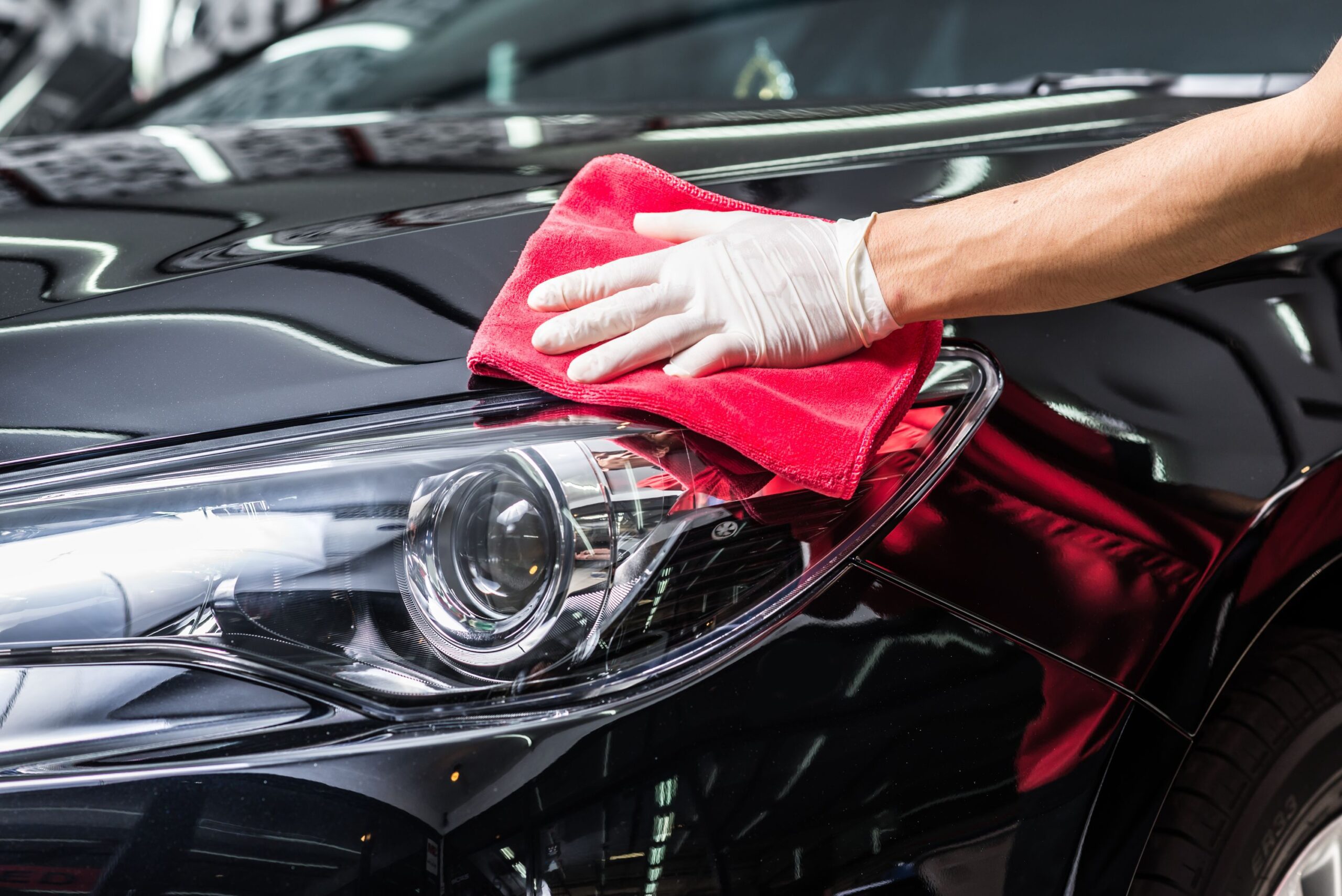
What Does a Full Car Detail Include?
A full car detail usually includes both exterior and interior work. However, there is no single industry-wide package called a “full detail.” Each shop may define the service in a different way, so always ask for a written list of what the price covers.
Exterior detailing
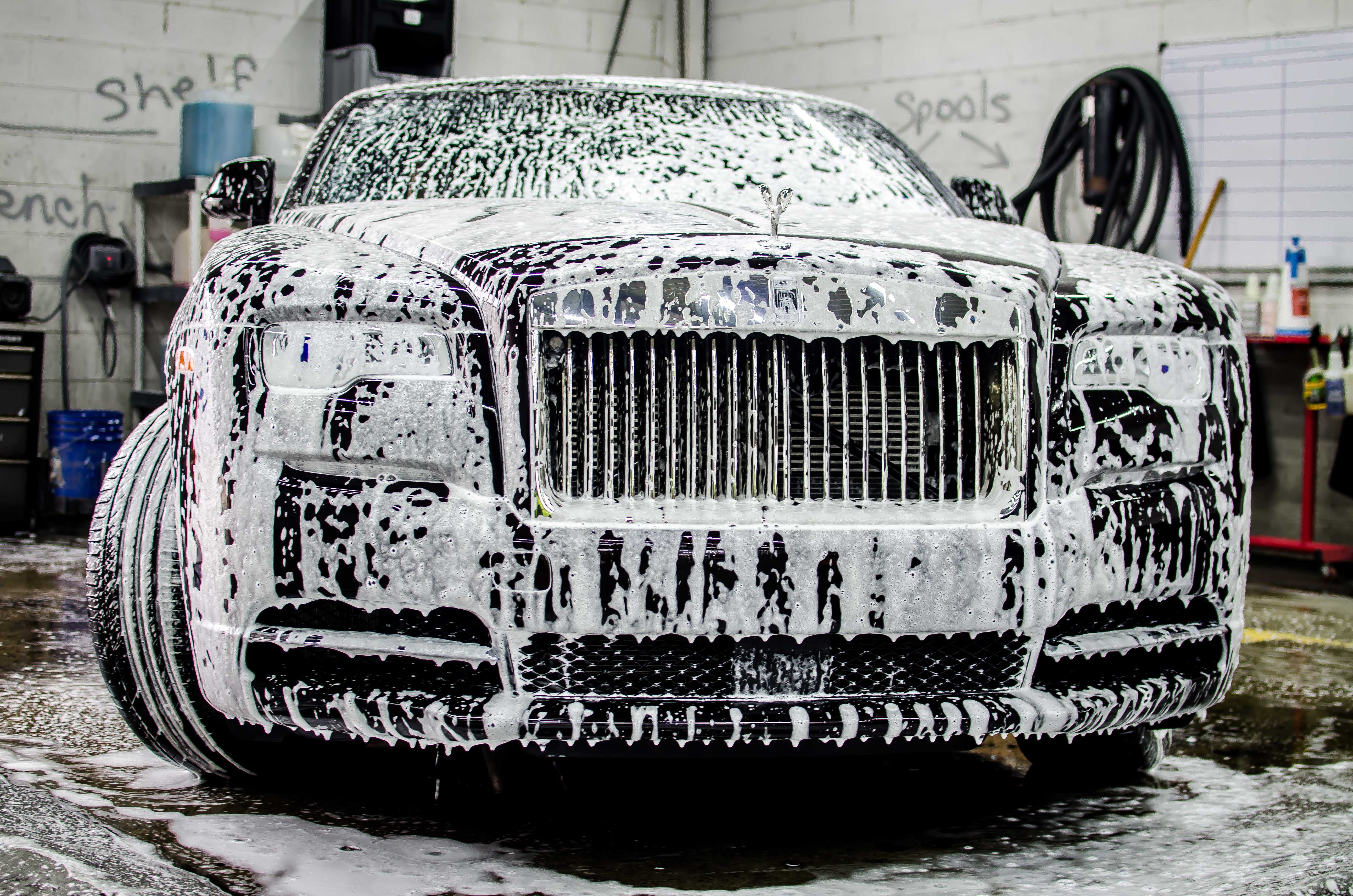
Exterior detailing begins with a safe wash. The detailer may use a pre-wash foam, a pH-balanced shampoo, soft wash mitts, and separate tools for the wheels and paint.
Common exterior steps include:
• Rinsing loose dirt from the vehicle
• Cleaning wheels, tires, and wheel wells
• Washing the body by hand
• Cleaning door jambs, badges, and trim
• Drying with soft microfiber towels or an air blower
• Removing tar, sap, bugs, and road film
• Using a clay bar or synthetic clay mitt
• Polishing the paint when needed
• Applying wax, paint sealant, or ceramic protection
• Dressing tires and exterior trim
Paint polishing can improve dullness and remove some light swirl marks. It cannot fix every scratch. Deep scratches that reach the primer or metal may need touch-up paint or professional body repair.
Interior detailing
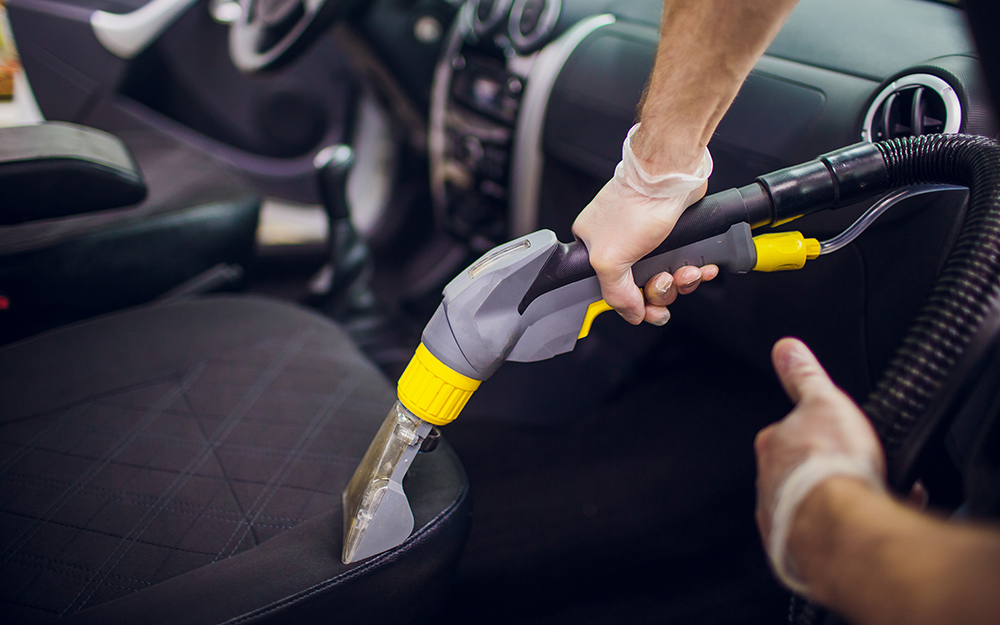
Interior detailing focuses on cleaning and protecting the cabin. A detailer may vacuum seats, carpets, floor mats, gaps, vents, and the trunk.
Interior services can include:
• Vacuuming loose dirt and dust
• Shampooing carpets and fabric seats
• Cleaning leather seats
• Conditioning leather with a suitable product
• Cleaning dashboards and door panels
• Brushing air vents and seams
• Cleaning interior glass
• Treating stains and mild odors
• Cleaning seat rails, cup holders, and storage areas
A good detailer chooses products based on the material. Leather, vinyl, plastic, alcantara, and cloth do not need the same cleaner. Using the wrong product can leave a greasy finish, discolor fabric, or damage a delicate surface.
Extra detailing services
Many shops offer additional services for a separate fee. These may include:
• Headlight polishing
• Engine bay cleaning
• Pet hair removal
• Smoke odor treatment
• Mold remediation
• Paint correction
• Ceramic coating
• Paint protection film
• Dent repair referrals
• Convertible roof cleaning
Ask whether these services are included. The phrase “full detail” can mean different things from one business to another.
Car Wash vs. Car Detail
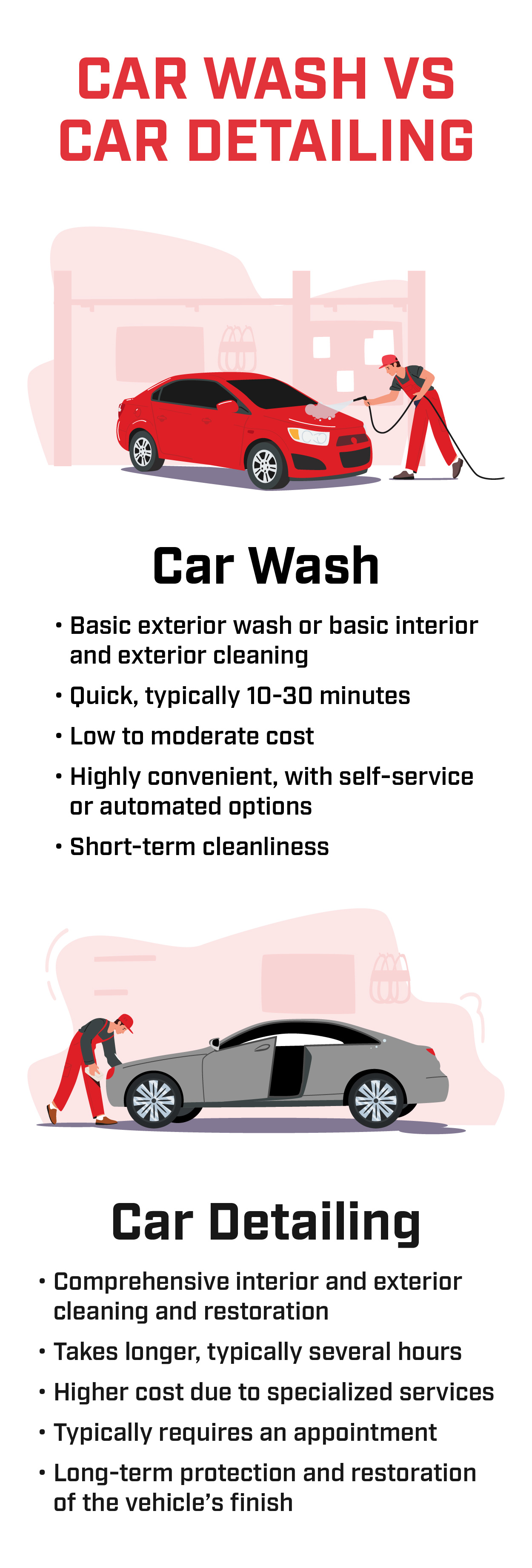
The main difference between a car wash and a car detail is depth, time, and attention to small areas.
A car wash is designed for routine cleaning. It may use an automatic system, a pressure washer, or a quick hand wash. The goal is to remove surface dirt in a short time.
A car detail is more careful and complete. The detailer inspects the vehicle, chooses products for each surface, and works on areas that are often missed during a regular wash.
Here is a simple comparison:
• Car wash: Removes loose dirt from the outside.
• Car detail: Cleans, restores, and protects interior and exterior surfaces.
• Car wash: Often takes 10 to 30 minutes.
• Car detail: May take several hours or more.
• Car wash: Usually offers limited surface protection.
• Car detail: May include wax, sealant, or ceramic protection.
• Car wash: Best for frequent maintenance.
• Car detail: Best for deep cleaning and long-term care.
A car wash is like rinsing dust from your shoes. A detail is like cleaning the shoes, treating the leather, removing stains, and applying a protective conditioner.
One mistake I often see is expecting a low-cost wash to deliver the results of a professional detail. If the service is fast and inexpensive, it probably does not include paint correction, deep carpet cleaning, or careful trim work.
Why Is Car Detailing Important?
Car detailing is not only about making a vehicle look shiny. It can improve comfort, support resale value, and help protect surfaces from wear.
It protects the paint
Road salt, bird droppings, tree sap, hard water, and industrial fallout can harm automotive paint if they remain on the surface. A clean, protected finish is easier to maintain and less exposed to these contaminants.
Wax and paint sealants create a temporary barrier. Ceramic coatings can provide longer-lasting chemical resistance, but they still require proper washing. No coating makes paint completely scratch-proof or maintenance-free.
It improves the interior
Dust, food residue, sweat, spilled drinks, and pet hair can build up inside a vehicle. Deep cleaning makes the cabin more pleasant and may help reduce unwanted smells.
Interior care also matters for high-touch surfaces such as the steering wheel, gear selector, door handles, and seat controls. These areas collect oils and grime during daily driving.
It may support resale value
A clean, well-kept car often makes a stronger first impression than a neglected one. Detailing cannot reverse mechanical problems or hide major damage, but it may help the vehicle look cared for during a private sale or trade-in.
Keep receipts and photos of major detailing work. They can show buyers that you maintained the vehicle rather than simply preparing it for sale.
It improves visibility
Clean glass, mirrors, and headlights can support better visibility. A detailer may remove film from the windshield or polish cloudy headlights. However, severely damaged headlights may need replacement instead of polishing.
It helps find problems early
During a careful detail, you may notice paint chips, cracked trim, leaks, worn seals, or damaged upholstery. Finding these issues early can make repairs easier and less expensive.
How Does a Professional Car Detail Work?
A professional detail usually follows a planned process. The order may change based on the vehicle, weather, materials, and service package.
1. Vehicle inspection
The detailer checks the paint, wheels, glass, seats, carpets, trim, and existing damage. Photos may be taken before work begins.
This inspection matters because it sets realistic expectations. A detailer should point out deep scratches, permanent stains, torn leather, and paint failure before promising a perfect result.
2. Interior preparation
The detailer removes personal items, floor mats, trash, and loose objects. The cabin is then vacuumed before wet cleaning begins.
Removing dry debris first prevents mud-like residue when water or cleaner is added.
3. Wheel and tire cleaning
Wheels are often cleaned before the body because brake dust and road grime can splash onto freshly washed paint. Separate brushes help prevent rough particles from spreading across the finish.
4. Exterior wash
The vehicle is rinsed and washed with suitable tools. A quality detailer uses separate towels or wash media for dirtier areas, such as wheels and lower body panels.
5. Decontamination
Iron particles, tar, sap, and bonded road film may remain after washing. Chemical cleaners and clay products can remove these deposits.
The paint should feel smooth after this step. A rough surface does not always mean the paint is damaged. It may simply need decontamination.
6. Paint inspection and polishing
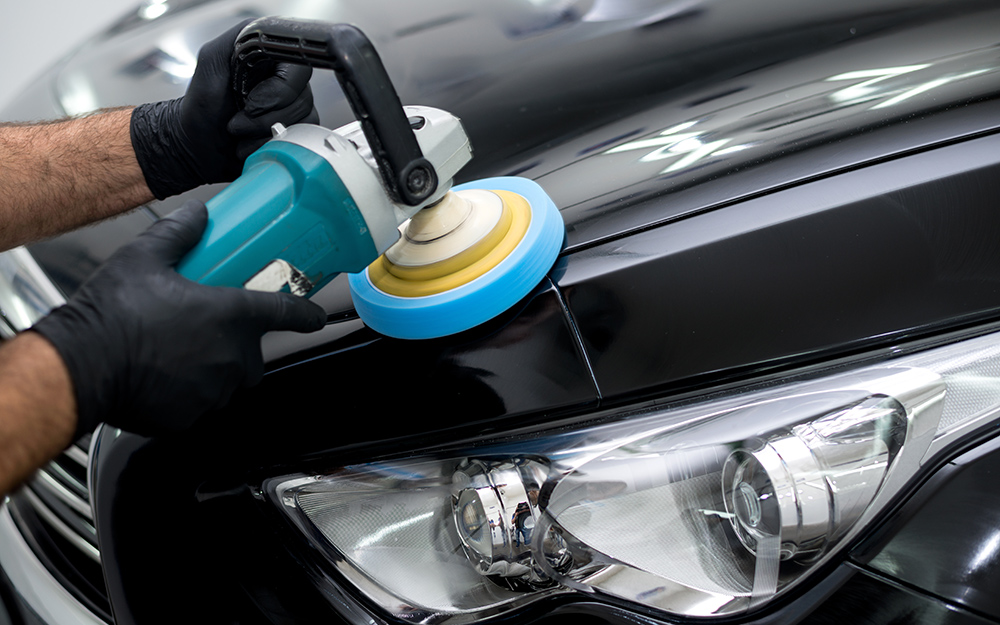
The detailer examines the paint under strong light. If needed, machine polishing removes or reduces light defects.
Polishing removes a very small amount of clear coat. For that reason, aggressive correction should not be repeated without a clear need. The goal is safe improvement, not removing every mark at any cost.
7. Protection
The final protection may be wax, sealant, or ceramic coating. The product must cure for the time stated by its maker.
8. Final inspection
The detailer checks the vehicle for missed areas, streaks, residue, and uneven product coverage. A careful final inspection can make the difference between an average job and a professional one.
How Much Does a Car Detail Cost?
The cost of a car detail depends on the vehicle size, condition, location, service level, and product quality.
Typical price ranges in the United States may look like this:
• Basic exterior detail: $50 to $150
• Basic interior detail: $100 to $250
• Full interior and exterior detail: $200 to $500
• Paint correction: $400 to more than $1,500
• Ceramic coating: $800 to more than $3,000
These figures are general estimates, not fixed prices. A large SUV with pet hair, stains, and neglected paint may cost much more than a small sedan that receives regular care.
Mobile detailing can also affect the price. A mobile detailer travels to your home or workplace, which adds convenience but may limit access to water, electricity, shade, or specialized equipment.
Before booking, ask:
• What services are included?
• Are stains and pet hair extra?
• Does the price include paint decontamination?
• Is polishing included?
• What product will protect the paint?
• How long will the service take?
• What preparation is needed before arrival?
A very low price is not always a bargain. Some cheap services use harsh chemicals, dirty towels, or rushed methods. The lowest price may lead to paint swirls, damp carpets, or trim damage.

How Often Should You Detail a Car?
Most vehicles benefit from a professional detail two to four times per year. The right schedule depends on driving conditions, parking habits, climate, and personal standards.
Consider detailing more often if you:
• Drive on salted roads
• Park under trees
• Transport pets or children
• Eat inside the vehicle
• Drive on dirt or construction roads
• Live in a hot, rainy, or coastal climate
• Plan to sell the vehicle
Regular washing and quick interior cleaning can reduce the need for major detailing. A protected car is also easier to maintain.
A practical routine may look like this:
Wash the exterior every one to two weeks.
Clean spills as soon as they happen.
Vacuum the interior every few weeks.
Apply protection as recommended by the product maker.
Schedule a deeper detail every three to six months.
Do not wait until the paint feels rough or the cabin smells bad. Preventive care usually takes less time than restoring a badly neglected vehicle.

DIY Car Detailing Tips
You can handle many basic detailing tasks at home. The key is to work slowly and use clean tools.
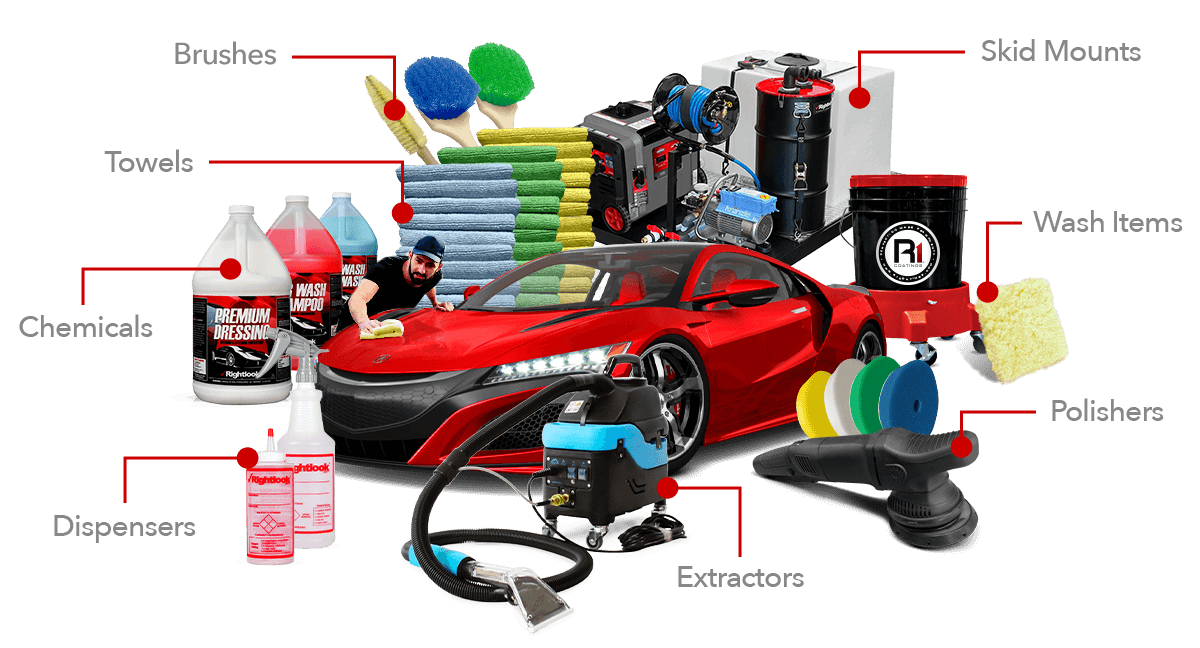
Start with these supplies:
• pH-balanced car shampoo
• Two clean wash buckets or a safe rinseless wash system
• Microfiber wash mitt
• Separate wheel brushes
• Drying towels
• Interior cleaner made for the surface
• Vacuum
• Glass cleaner
• Tire dressing
• Paint sealant or wax
Use the least aggressive method that works. For example, do not use a strong degreaser on every interior surface. Test any cleaner on a hidden area first.
Avoid washing in direct sun when possible. Heat can dry soap and chemicals before you rinse them, leaving spots or streaks.
Do not use household dish soap as a regular car shampoo. It can remove existing protection and may leave the finish less conditioned. It will not instantly destroy modern automotive paint, but it is not designed for routine vehicle care.
Do not use one towel for every surface. Wheel grime can contain hard particles that scratch paint. Color-coded towels are a simple way to prevent cross-contamination.
One practical lesson is to clean the dirtiest areas last when possible. If you use the same brush on a muddy rocker panel and a delicate dashboard, you risk spreading grit and chemicals where they do not belong.
Common Car Detailing Mistakes
Even good intentions can cause damage. These mistakes are common among new vehicle owners.
Using one bucket and one towel
A single bucket can allow dirt to return to the wash mitt. A second rinse bucket, grit guard, or rinseless wash method can reduce this risk.
Scrubbing paint too hard
Pressure does not replace proper technique. Let the cleaner and wash solution loosen dirt before you wipe the surface.
Applying tire dressing to the wrong areas
Tire dressing should stay on the tire sidewall. It can sling onto paint while driving and may make floors or pedals slippery if used inside the vehicle.
Cleaning leather with harsh products
Strong household cleaners can dry, discolor, or weaken leather. Use a product made for automotive leather and follow the label.
Polishing without checking the paint
Machine polishing requires skill. Too much heat, pressure, or time in one spot can damage the clear coat.
Covering up a bad smell
Air freshener may hide an odor for a short time, but it does not remove the source. Wet carpet, mold, spilled drinks, and smoke residue need targeted cleaning.
Expecting permanent protection
Wax wears away. Sealants need maintenance. Ceramic coatings still collect dirt and can be damaged by poor washing. Every protection product has limits.
How to Choose a Car Detailer
A good detailer should explain the service clearly and set honest expectations. Be cautious when someone promises perfect paint correction at a very low price.
Look for:
• Clear package descriptions
• Recent before-and-after photos
• Reviews that mention specific work
• Clean tools and an organized work area
• Safe washing methods
• Questions about your vehicle’s condition
• Written pricing
• A clear explanation of curing and aftercare
Ask how the detailer handles deep scratches, delicate trim, leather, stained fabric, and ceramic coatings. Their answer can show whether they understand the materials or simply use the same product everywhere.
Check the vehicle before leaving. Look at the glass, door jambs, wheels, seats, and lower panels. If a problem appears later, contact the detailer promptly and politely.
A professional cannot remove every defect. Honest limits are a sign of expertise, not weakness.
Frequently Asked Questions About What Is a Detail on a Car
What is a detail on a car compared with a regular wash?
A regular wash removes loose dirt from the vehicle, mainly on the exterior. What is a detail on a car? It is a deeper cleaning and protection service that may include paint polishing, interior cleaning, and surface protection.
How long does a car detail take?
A basic detail may take two to four hours. A large, dirty vehicle or a service with paint correction and ceramic coating may take one to several days.
Does detailing remove scratches?
Detailing can reduce the appearance of light swirl marks and surface scratches through polishing. Deep scratches that reach the primer or metal usually require touch-up paint or body repair.
Is car detailing worth the money?
Detailing can be worthwhile if you want a cleaner cabin, better paint protection, or improved presentation before selling the vehicle. Its value depends on the car’s condition, your budget, and the quality of the work.
Can I detail my car at home?
Yes, you can perform basic washing, vacuuming, glass cleaning, and interior care at home. Paint correction, odor removal, and ceramic coating require more training, tools, and controlled conditions.
How often should I get a car detail?
Many vehicles benefit from a professional detail every three to six months. You may need service more often if you carry pets, drive in harsh weather, or park outdoors.
Does a car detail protect the paint?
A detail may include wax, sealant, or ceramic coating that helps protect the paint from contaminants and weather. Protection is not permanent, and safe washing is still required.
Conclusion
What is a detail on a car? It is a thorough process that cleans, restores, and protects both the inside and outside of a vehicle. Unlike a quick car wash, detailing can address stains, odors, paint contamination, light defects, trim, wheels, glass, and long-term surface care.
Choose a service based on your vehicle’s needs, not just the package name or lowest price. Ask what is included, use safe maintenance methods, and schedule professional detailing before dirt and damage become difficult to manage. Start with a careful wash and interior clean today, then explore a trusted local detailer for deeper care.
