

To wash a car at the carwash, choose the right wash, follow each station step, rinse well, and dry with care.
Learning how to wash a car at the carwash is simple when you know what each option does. The right process protects your paint, removes road film, and helps prevent water spots. This guide explains both automatic and self-service carwashes, including what to do before, during, and after the wash.
Choose the Right Type of Carwash
The first step in learning how to wash a car at the carwash is choosing the correct wash system. Most locations offer an automatic tunnel wash, a touchless wash, or a self-service bay.
Each option has clear benefits and limits:
• Automatic tunnel wash: This is fast and convenient. It may use spinning brushes or soft cloth strips to clean the car.
• Touchless carwash: High-pressure water and cleaning chemicals remove dirt without touching the paint. It is useful for delicate finishes, but it may not remove heavy road film as well.
• Self-service carwash: You control the wand, soap, rinse, and other settings. This option gives you more control and often costs less than a full-service detail.
• Hand-wash station: Some locations offer staff-assisted washing. Ask what products and tools they use before choosing this service.
A brush-based automatic wash can leave fine marks if the brushes hold grit from earlier vehicles. A touchless wash reduces that risk, but strong dirt may need hand cleaning later. For a newer, dark-colored, or ceramic-coated car, many owners prefer touchless or careful self-service washing.
Check your vehicle owner’s manual before using special services. Convertible tops, loose trim, roof racks, antennas, and aftermarket accessories may need extra care.

Prepare Your Car Before Entering the Wash
Good preparation makes how to wash a car at the carwash safer and more effective. Remove trash, floor mats, and loose items from the cabin. Close all windows, the sunroof, and the trunk.
Check the outside of the vehicle for loose parts. Fold in the mirrors if the carwash instructions allow it. Remove removable antennas, bike racks, and other items that could catch on the equipment.
Before you enter, do the following:
• Roll up every window.
• Close the sunroof.
• Lock the doors.
• Turn off automatic windshield wipers.
• Retract or remove the antenna if needed.
• Fold in side mirrors when instructed.
• Check that the fuel door and trunk are closed.
• Remove heavy mud or clumps of snow when possible.
Automatic wipers are easy to overlook. If they turn on during the wash, the blades may move across a dry or soapy windshield. This can cause noise, streaks, or unnecessary wear.
If you use a self-service bay, park near the center of the marked area. Leave enough room to walk around the vehicle without hitting the wall, control box, or drain.

How to Wash a Car at the Carwash Step by Step
The basic process for how to wash a car at the carwash depends on the wash type. The steps below work well for most automatic and self-service locations.
Step 1: Select the Wash Package
Read the menu before paying. Basic packages often include a pre-rinse, soap, rinse, and dry cycle. Higher packages may add tire cleaner, wax, underbody spray, or a spot-free rinse.
A premium package is not always better for every car. Wax at an automatic wash may offer short-term water beading, but it does not replace paint protection or professional detailing.
Choose a package based on your car’s condition:
• Basic wash: Good for light dust and routine cleaning.
• Wash with underbody rinse: Useful after driving through road salt or muddy water.
• Wash with wheel cleaner: Helpful when brake dust is visible.
• Touchless premium wash: Useful when you want less physical contact with the paint.
• Self-service wash: Best when you need to target wheels, rocker panels, or stuck dirt.
Step 2: Follow the Lane or Bay Instructions
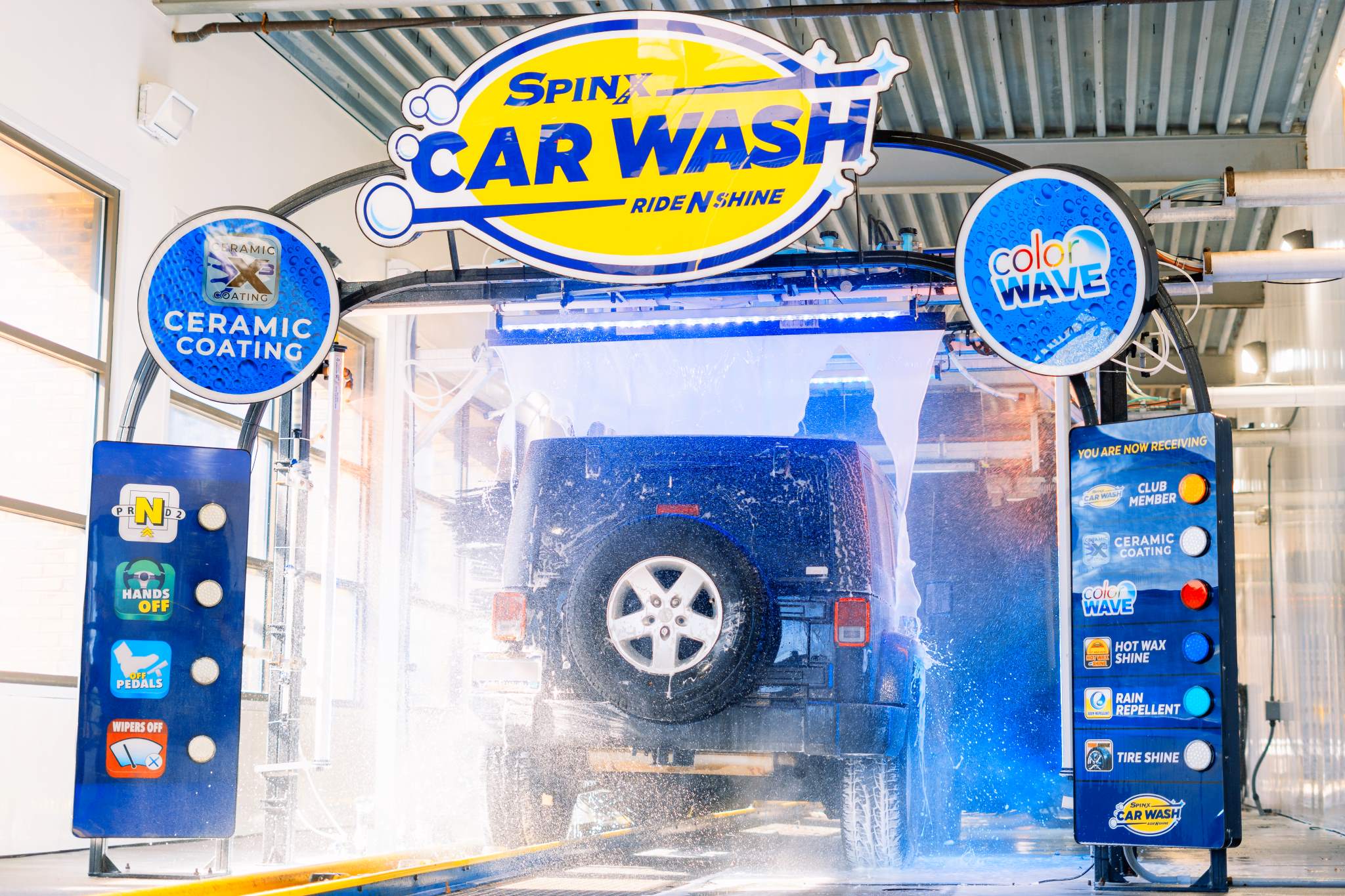
At an automatic carwash, follow the signs and the attendant’s directions. Drive slowly and keep your wheels aligned with the track. Put the car in neutral only when the signs or attendant tell you to do so.
Do not brake, steer, or accelerate while the conveyor moves the car. Keep your hands off the steering wheel if the system requires it. If your vehicle has a manual transmission, follow the wash’s specific instructions.
In a self-service bay, place the payment in the machine and select the pre-rinse setting. Hold the wand firmly with both hands. Never point the spray at people, pets, electrical boxes, or nearby vehicles.
Step 3: Rinse Loose Dirt First
The pre-rinse is one of the most important stages. It removes sand, salt, and loose grit before soap or brushes touch the surface.
Start at the roof and work downward in a self-service bay. This lets dirty water flow toward the ground instead of back over clean areas. Pay attention to:
• Wheel wells
• Lower doors
• Rocker panels
• Rear bumper
• Front grille
• License plate area
Keep the nozzle several inches away from the paint. Very close pressure can damage loose decals, chipped paint, rubber seals, or fragile trim.
Step 4: Apply Soap
Use the carwash’s soap setting or a product made for automotive paint. Household dish soap can remove protective oils and may leave the surface feeling dry. It is better to use a car shampoo with a balanced formula.
In an automatic wash, allow the machine to complete the soap cycle. In a self-service bay, apply soap from top to bottom. Do not let soap dry on the paint, especially on a hot, sunny day.
Step 5: Clean the Wheels Carefully
Wheels collect brake dust, road salt, and oily dirt. Use the wheel-cleaning setting if the carwash provides one. Aim the spray at the wheel surface, but avoid forcing water into damaged tire areas or loose wheel covers.
Do not use a shared brush on delicate wheels unless the station clearly maintains it. A brush full of grit can create scratches. If you use the brush, rinse it thoroughly first and keep it away from painted body panels.
Step 6: Rinse Thoroughly
Rinse from the roof down. Move slowly enough to remove soap from mirrors, door handles, trim, wheel wells, and the lower body.
Open the doors briefly after leaving the bay and wipe the door edges if they remain dirty. Be careful around electrical switches and speakers. Do not spray directly into door gaps or weather seals at close range.
Step 7: Use the Spot-Free Rinse
A spot-free rinse usually uses filtered or treated water with fewer minerals. It can reduce white marks as the water dries. However, it does not remove every spot, especially on a hot surface.
The best way to wash a car at the carwash includes using the spot-free rinse as the final water stage. Try to leave the bay soon after it ends so air can help remove standing water.
Automatic Carwash vs. Self-Service Carwash
Knowing the difference between wash types helps you make a better choice. How to wash a car at the carwash is not one fixed process because each system uses different tools.
Automatic washes are best when you want speed. You can often finish in less than 10 minutes. They are convenient during cold weather, but shared brushes may carry grit between vehicles.
Touchless automatic washes use high water pressure and strong detergents. They usually create less physical contact with the paint. Their limitation is cleaning power: thick mud, greasy film, and bugs may remain after one pass.
Self-service bays offer more control. You can spend extra time on dirty areas and rinse the underside of the car. Still, you must handle the wand correctly and avoid using dirty shared brushes.
Choose based on your needs:
• Use an automatic wash for quick routine cleaning.
• Use a touchless wash for reduced paint contact.
• Use a self-service bay for more control.
• Choose hand washing or professional detailing for heavy contamination or delicate finishes.
A carwash is not the same as paint correction or full detailing. It removes surface dirt, but it will not repair scratches, remove deep stains, or restore faded paint.
How to Dry Your Car After the Wash
Drying is a key part of how to wash a car at the carwash. Water left on the surface can evaporate and leave mineral deposits, often called water spots.
If the automatic wash includes a dryer, keep driving at the instructed speed. The dryer may remove much of the water, but it may not reach mirrors, door handles, emblems, or license plates.
After a self-service wash, use a clean microfiber towel if the location permits it. Start with the glass and upper panels. Turn the towel often so trapped dirt does not move across the paint.
Useful drying tips include:
• Dry in the shade when possible.
• Wipe from top to bottom.
• Use separate towels for wheels and paint.
• Dry mirrors and door handles carefully.
• Open the trunk and doors briefly to remove trapped water.
• Do not use an old bath towel or rough cloth.
If the car is very dirty, avoid hand drying until the rinse removes all visible grit. Drying a gritty surface can create fine scratches, even with a soft towel.
Common Mistakes to Avoid
Many problems come from rushing. The following mistakes can reduce cleaning quality or damage the vehicle.
• Skipping the pre-rinse: Soap and brushes can move loose grit across the paint.
• Using the wheel brush on the body: Brake dust and sand can scratch painted panels.
• Washing in direct heat: Soap and water may dry before you can rinse them.
• Holding the pressure wand too close: High pressure can lift old paint or damage trim.
• Leaving wipers on automatic: The blades may activate during the wash.
• Choosing the cheapest wash after road salt exposure: A basic wash may not include an underbody rinse.
• Ignoring door jambs: Dirt and salt can remain in these hidden areas.
• Using dirty towels: A towel can collect grit and spread it over the finish.
• Expecting a wash to remove tree sap: Sticky contamination may need a separate cleaner.
One practical lesson is to inspect the equipment before using it. If a shared brush looks loaded with mud or sand, skip it. A few extra minutes of rinsing are safer than dragging rough debris across your paint.

How Often Should You Wash a Car?
The best schedule depends on weather, driving habits, parking conditions, and road contamination. There is no universal rule for every driver.
Many cars benefit from a wash every two to four weeks during normal conditions. Wash sooner after exposure to:
• Road salt
• Beach sand and sea spray
• Bird droppings
• Tree sap
• Mud
• Construction dust
• Heavy rain after a long dry period
Road salt deserves special attention because it can collect underneath the car and contribute to corrosion over time. An underbody rinse is useful in regions with winter snow and salted roads.
Bird droppings and tree sap should be removed promptly. They can bond to the clear coat and become harder to remove after sitting in sunlight.
A regular carwash keeps dirt from building into a thick layer. It does not replace waxing, paint sealant, or ceramic coating maintenance. Follow the care instructions for any protection already on your vehicle.
Cost, Water Use, and Environmental Considerations
Learning how to wash a car at the carwash also means understanding practical costs and water use. Prices vary by location, package, and membership plan. A single wash may cost a few dollars at a self-service bay or more at an automatic facility.
Commercial carwashes often collect wastewater through drains designed for treatment. Some also recycle part of their water. Home washing can send soap, oil, brake dust, and other residue into storm drains, where it may reach local waterways.
Ask the carwash whether it recycles water and handles wastewater properly. Look for a clean facility with maintained equipment, clear instructions, and safe drainage.
A monthly membership may save money for drivers who wash often. Compare the monthly price with the number of visits you expect to make. Do not buy extra services simply because the screen presents them as upgrades.

Extra Tips for Special Vehicles
Some vehicles need more care than a standard sedan. If you drive a convertible, classic car, electric vehicle, truck, or vehicle with aftermarket accessories, check the manufacturer’s instructions.
Convertible owners should inspect the roof and seals before using a wash. A soft-top may require a specific cleaner and may not handle high-pressure spray well.
Classic cars may have older paint, loose trim, or delicate chrome. A gentle hand wash or professional detail may be safer than a brush tunnel.
Electric vehicles can go through most modern carwashes, but avoid spraying high-pressure water directly into charging ports or damaged seals. Make sure the charging door is fully closed.
Trucks with large tires, lifted suspensions, bed covers, or external lights may not fit every automatic system. Check the height and width limits before entering.
Ceramic coatings and paint protection films also have care rules. Use a wash that follows the product maker’s guidance, and avoid abrasive brushes when possible.

Frequently Asked Questions About How to Wash a Car at the Carwash
Is it better to use a touchless carwash or a brush wash?
A touchless carwash creates less physical contact with the paint, which may reduce the chance of swirl marks. A brush wash can clean more thoroughly, but shared brushes may hold grit.
Should I put my car in neutral at an automatic carwash?
Put the car in neutral only when the signs or attendant instruct you to do so. The correct setting can vary between conveyor systems, so follow the facility’s directions.
Can I wash my car at a carwash every week?
Yes, weekly washing is usually fine if the equipment is well maintained and the wash is gentle. Frequent cleaning can help remove salt, bird droppings, and road film before they sit on the paint.
Should I use the wax option at the carwash?
The wax option may add temporary water beading and shine, but it is not a replacement for a quality paint sealant or wax. Use it when convenient, but keep your expectations realistic.
Can a carwash remove water spots?
A carwash can remove fresh mineral residue, but old water spots may remain. Stubborn spots may need a proper water-spot remover or professional paint treatment.
Is it safe to use a pressure washer on a car?
Yes, when used correctly. Keep the nozzle away from the paint, seals, decals, and sensors, and never spray damaged areas at close range.
Do I need to dry my car after using a spot-free rinse?
Drying is still helpful, especially around mirrors, trim, and door handles. A spot-free rinse reduces mineral marks but does not guarantee a completely spot-free finish.
Conclusion
The safest way to wash a car at the carwash is to choose the right wash, prepare the vehicle, rinse loose grit first, use soap correctly, and dry the surface with clean tools. Touchless systems reduce contact, self-service bays offer control, and automatic washes provide speed.
Avoid shared brushes that hold dirt, keep pressure away from fragile parts, and wash road salt or bird droppings off quickly. With a calm routine, you can keep your car cleaner without harming its paint or trim. Try these steps on your next visit, then explore your vehicle manufacturer’s care guide for model-specific advice.
