How Much Should I Spend On A Car: Smart Budget Guide
A practical car budget is about 10% of your monthly take-home pay for the payment, or up to 15% to 20% for all car costs combined. That total should include the loan, insurance, fuel, repairs, maintenance, registration, parking, and tolls.
This is a planning guide, not a strict rule. Your budget should also leave room for rent, food, debt payments, savings, emergencies, and other needs.
For many buyers, a safe starting point is:
- 20% down on a new car, if possible
- 10% or less of take-home pay for the monthly payment
- 15% to 20% of take-home pay for total car costs
- A loan term of 60 months or less
- Enough cash left for an emergency fund and near-term repairs
The right car price is not the highest price a lender will approve. It is the price you can pay without putting your wider financial plan at risk.

Start With Your Total Monthly Car Cost
Your car payment is only one part of the cost. A car that looks affordable on a loan calculator can become expensive after insurance, fuel, repairs, and taxes are added.
Use this formula:
Total monthly car cost = payment + insurance + fuel + maintenance + repairs + registration + parking + tolls
Example monthly budget
Imagine a buyer in the United States earns $5,000 per month after taxes.
| Cost | Monthly estimate |
|---|---|
| Car payment | $450 |
| Insurance | $180 |
| Fuel | $180 |
| Maintenance and repairs | $100 |
| Registration and fees | $35 |
| Parking and tolls | $75 |
| Total | $1,020 |
The total car cost is about 20% of take-home pay. That may be manageable for one household and too high for another.
A buyer with high rent, student loans, credit card debt, or an irregular income may need to stay below 15%. Someone with low housing costs and no other debt may have more room.
What counts as a car expense?
Include these costs before choosing a vehicle:
- Loan payment: Principal and interest
- Insurance: Liability, collision, and comprehensive coverage
- Fuel or charging: Based on your normal miles
- Maintenance: Oil, filters, tires, brakes, and scheduled service
- Repairs: A reserve for unexpected work
- Taxes and fees: Sales tax, title, registration, and dealer fees
- Parking and tolls: Common in cities and for daily commuters
- Accessories: Floor mats, a charger, winter tires, or a roof rack
- Depreciation: The value the car loses over time
Depreciation does not come out of your bank account each month. Still, it affects your long-term cost and trade-in value.

How to Calculate How Much You Can Afford
Use your real budget, not the amount shown by a lender or dealership.
Step 1: Find your stable monthly income
Use income you can count on. For salaried work, use your normal take-home pay. For freelance, seasonal, commission, or hourly work, use a cautious average from the past 12 months.
Do not base the budget on overtime or a bonus unless that income is reliable.
Step 2: Subtract essential expenses
List your regular costs:
- Housing
- Utilities
- Food
- Health insurance and medical care
- Child care
- Student loans
- Credit card and personal loan payments
- Minimum savings
- Support payments
- Current transportation costs
The money left after these costs is not all available for a car. You still need room for emergencies, travel, gifts, and irregular bills.
Step 3: Set a total car-cost limit
A simple starting point is:
- Conservative: 10% to 15% of take-home pay
- Moderate: 15% to 20%
- Above 20%: Review the budget carefully before buying
These percentages are personal finance guidelines, not federal rules. Use the lower end if your income changes, your savings are small, or you already have substantial debt.
Step 4: Subtract non-loan costs
Suppose your total car budget is $900 per month:
- Insurance: $170
- Fuel: $150
- Maintenance and repairs: $100
- Registration, parking, and tolls: $80
That leaves $400 for the payment.
This is the maximum payment your budget supports. It is not the same as the maximum payment a dealer may offer.

Use the Car Price, Not Just the Monthly Payment
A low monthly payment can hide a high total price. Dealers can reduce the payment by extending the loan term, increasing the down payment, or adding fees to the loan.
Compare the full amount:
Total loan cost = down payment + all loan payments + taxes and fees + add-ons
Ask for these figures in writing:
- Vehicle price
- Dealer fees
- Sales tax
- Title and registration charges
- Trade-in value
- Remaining loan balance on the trade-in
- Down payment
- Annual percentage rate, or APR
- Loan term
- Monthly payment
- Total amount paid
The APR measures the yearly cost of borrowing, including certain loan charges. A lower monthly payment does not always mean a cheaper loan.
Why long loans can cost more
Consider two hypothetical loans for a $30,000 balance:
| Loan term | Approximate payment at 8% APR | Approximate interest |
|---|---|---|
| 48 months | $733 | $5,200 |
| 60 months | $608 | $6,500 |
| 72 months | $526 | $7,900 |
These figures are examples only. Actual offers depend on credit, lender, taxes, fees, and the loan amount.
The 72-month loan saves about $207 per month compared with the 48-month loan. But it can cost roughly $2,700 more in interest. You may also build equity slowly, which raises the risk of owing more than the car is worth.
A useful price estimate
If you know the payment you can afford, use an auto loan calculator to estimate the vehicle price. Then reduce that estimate for:
- Sales tax
- Title and registration
- Dealer fees
- Optional products
- A safety cushion
- Any negative equity from your trade-in
The Federal Trade Commission advises buyers to understand the vehicle price, financing terms, and add-ons before signing. Read the contract rather than relying only on a verbal quote.

How Much Should You Spend Based on Your Income?
The table below gives rough planning ranges. It assumes the buyer has ordinary living costs and no unusually large debt.
| Monthly take-home pay | Payment target | Total car-cost target |
|---|---|---|
| $3,000 | $300 or less | $450–$600 |
| $4,000 | $400 or less | $600–$800 |
| $5,000 | $500 or less | $750–$1,000 |
| $6,000 | $600 or less | $900–$1,200 |
| $8,000 | $800 or less | $1,200–$1,600 |
These are not promises of affordability. For example, a $500 payment may be too high if insurance costs $300 per month or if you have large medical bills.
A better test is this:
- Add every expected car cost.
- Pay the amount for three months into a separate savings account.
- Check whether the budget feels easy or strained.
- Keep the saved money for the down payment or emergency fund.
If the test causes missed bills or credit card use, the car is too expensive.

How Much Should You Put Down?
A larger down payment lowers the amount borrowed and usually lowers the monthly payment. It can also reduce the risk of owing more than the car is worth.
A common target is 20% down on a new car and at least 10% on a used car, but the right amount depends on your cash reserves.
Do not drain your emergency fund to reach a target down payment. Keep enough money for:
- Several months of essential expenses
- Insurance deductibles
- Immediate repairs
- Registration and taxes
- A job loss or medical bill
You should also understand what happens to a trade-in loan. If you owe $18,000 but the dealer offers $15,000, the $3,000 difference is negative equity. If it is added to the next loan, you pay interest on that old debt and start with a larger balance.
Should you pay cash?
Paying cash avoids loan interest, but it is not always the best move. A cash purchase may leave you without enough savings for emergencies or repairs.
Compare the purchase with your broader finances:
- Keep a cash reserve.
- Pay down high-interest credit card debt first.
- Compare the loan APR with the safe after-tax return on your savings.
- Avoid borrowing against your home or retirement account to buy a car without professional advice.

New Car vs. Used Car: Which Fits the Budget?
A used car usually costs less to buy, but age and condition can raise repair costs. A new car often has a higher price but may include a warranty and lower repair risk in the first years.
Compare the full cost, not just the sticker price.
A used car may fit better when:
- You want a lower purchase price.
- You can pay for a pre-purchase inspection.
- You can check the vehicle history.
- You have money set aside for repairs.
- You are willing to compare several cars.
A new car may fit better when:
- You plan to keep it for many years.
- You qualify for a lower APR.
- You value a full factory warranty.
- You need specific safety or accessibility features.
- The price gap between new and lightly used models is small.
For any used car, consider an independent inspection before purchase. A vehicle history report can show reported accidents, title issues, and ownership history, but it cannot reveal every mechanical problem.

Leasing: Does It Lower the Cost?
Leasing can lower the monthly payment, but it does not always lower the total cost. You pay for the vehicle’s use during the lease term and must follow mileage and condition rules.
Review:
- Due-at-signing amount
- Monthly payment
- Annual mileage limit
- Mileage overage charge
- Wear-and-tear rules
- Disposition fee
- Early termination terms
- Purchase option price
- Insurance requirements
Leasing may suit someone who wants a newer car, drives predictable miles, and plans to return the vehicle. Buying may suit someone who drives a lot or wants to own the car after the loan ends.
Do not compare a lease payment with a purchase payment without including the down payment and end-of-term costs.

Common Car-Buying Mistakes
Focusing only on the monthly payment
A dealer can make almost any price look affordable by extending the loan. Compare APR, term, total interest, and total amount paid.
Forgetting insurance
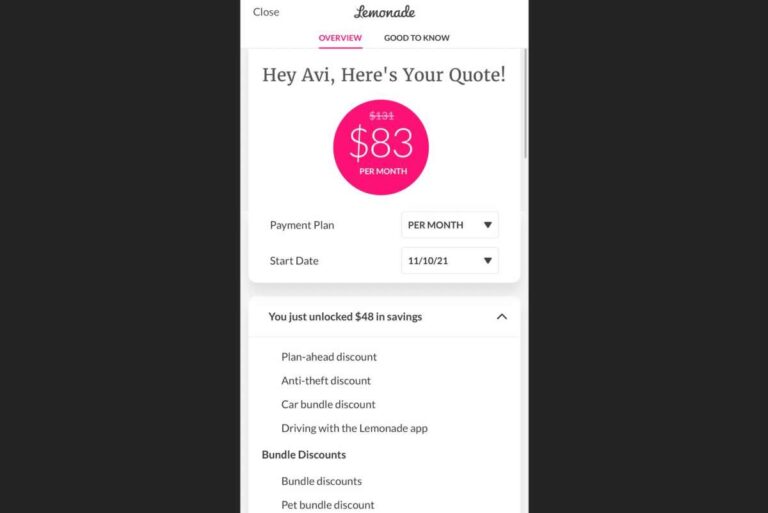
Insurance can vary sharply by state, ZIP code, age, driving record, vehicle, coverage level, and deductible. Get quotes before you buy.
Spending the entire down payment
A car purchase also brings taxes, registration, insurance, fuel, and possible repairs. Keep cash available after closing.
Rolling negative equity into a new loan
This can increase the loan balance and delay the point at which you build ownership value.
Skipping a preapproval
A bank or credit union preapproval gives you a benchmark. It also helps you compare the dealer’s financing offer.
Buying based on a temporary discount
A rebate may reduce the price, but a high APR or expensive add-ons can erase the savings.
Ignoring maintenance
Tires, brakes, batteries, and scheduled service are predictable costs. Set aside money each month rather than treating them as surprises.
Shopping before setting a budget
Choose the budget first. Then compare cars that fit it. A test drive can make an expensive car feel like a need.

A Simple Car Affordability Checklist
Before you sign, confirm that:
- The total monthly car cost fits your budget.
- You know the out-the-door price.
- You received an insurance quote.
- You compared at least one outside lender.
- The loan APR and term are clear.
- You know the total amount paid.
- You checked for dealer add-ons.
- You understand the trade-in value and payoff balance.
- You have money left for emergencies.
- You inspected a used car independently.
- You can afford the car even if fuel or insurance costs rise.
If the numbers work only with a 72- or 84-month loan, a smaller down payment, or skipped maintenance, choose a less expensive vehicle.

Frequently Asked Questions
Is the 20/4/10 rule still useful?
The 20/4/10 rule suggests putting 20% down, using a loan term of four years, and keeping transportation costs under 10% of gross monthly income. It can be a useful conservative benchmark, but it is not a law. Many buyers use take-home pay instead because it reflects the cash they can actually spend.
What percentage of income should go to a car?
A reasonable starting range is 10% to 15% of take-home pay for the payment and 15% to 20% for all car costs. Use a lower limit when you have high debt, unstable income, or limited savings.
Is a $500 car payment too much?
Not automatically. A $500 payment may fit someone with high income and low expenses. Add insurance, fuel, maintenance, and other costs first. If the total strains your budget or prevents saving, the payment is too high.
Should I buy a car before paying off credit card debt?
High-interest credit card debt often deserves priority because its interest rate can be much higher than an auto loan. Compare the rates and protect your emergency savings. A nonprofit credit counselor or fiduciary financial planner can help with a complex debt situation.
How much should I spend on a car if I have no credit?
Focus on the total cost, not only on approval. A co-signer, larger down payment, or credit union may reduce the borrowing cost, but a co-signer becomes responsible for the debt if you do not pay. Avoid loans with unclear fees or unaffordable payments.
Reliable U.S. Resources
These sources explain parts of the car-buying and financing process:
- Consumer Financial Protection Bureau: Auto loans
- Federal Trade Commission: Buying a car
- Federal Trade Commission: Auto loan shopping
- Consumer Financial Protection Bureau: Ask CFPB
Conclusion
The safest answer to “How much should I spend on a car?” is the amount that keeps the full monthly cost around 15% to 20% of your take-home pay, while leaving room for savings and unexpected bills.
Set the budget before visiting a dealer. Get an insurance quote, compare loan offers, inspect used cars, and judge the deal by its total cost. If the payment requires a very long loan or leaves no room for repairs, choose a cheaper car.