

If you’ve ever found yourself needing urgent care but didn’t have health insurance, you know how stressful it can be. You might worry about the costs, who will treat you, and if you can afford the visit at all. I have been in this situation myself, so I understand how confusing it feels. In this article, I’ll share everything you need to know about urgent care without insurance, including real costs, how to save money, and what you should expect. I’ll use simple words, short sentences, and clear explanations so you feel confident about your choices.
What Is Urgent Care?
Urgent care centers are medical clinics for illnesses and injuries that need attention fast, but are not emergencies. For example, if you have a bad sore throat, a sprained ankle, or a minor cut, urgent care is a good option.
You don’t need an appointment, and you can often be seen the same day.
Urgent care centers are different from emergency rooms. The ER treats life-threatening problems like chest pain, severe bleeding, or difficulty breathing. Urgent care is for issues that are serious, but not critical.
Most urgent care clinics have doctors, nurses, and medical assistants. They can run tests, take X-rays, and give you basic treatments. This makes them helpful for many people who need quick care.
Average Cost Of Urgent Care Without Insurance
The biggest question is: How much does urgent care cost if you don’t have insurance? Costs can vary, but I’ll share the most recent numbers and break them down.
Typical Price Range
In 2026, the average cost of an urgent care visit without insurance in the US is between $100 and $250 for a basic appointment. This price usually covers your doctor’s evaluation and basic care. If you need extra tests or procedures, the cost goes up.
Here’s a quick look at common prices:
| Service | Average Cost (No Insurance) |
|---|---|
| Basic Visit | $100 - $250 |
| X-ray | $50 - $150 |
| Blood Test | $20 - $100 |
| Stitches | $100 - $300 |
| Medication | $10 - $100 |
These numbers are based on recent surveys from large urgent care networks and health cost trackers.
Real Example
Last year, I needed urgent care for a painful ear infection. I didn’t have insurance at the time. The clinic charged me $175 for the doctor’s exam and $40 for a simple test. My antibiotics cost another $24 at the pharmacy. In total, I spent $239. The staff explained every charge and gave me a breakdown before I paid. This helped me feel more comfortable about the cost.
Factors That Affect Price
Not every clinic charges the same amount. Costs depend on:
- Location: Cities often cost more than rural areas.
- Type of treatment: More complex care means higher prices.
- Extra services: Tests, X-rays, and procedures add to the bill.
- Clinic brand: Some national chains have higher fees.
If you call ahead, most clinics will tell you their prices for basic visits and common services.
What’s Included In The Urgent Care Fee?
When you pay for an urgent care visit, you usually get:
- Doctor’s evaluation: Your main exam.
- Basic treatments: For common illnesses and injuries.
- Simple tests: Like strep throat or flu checks.
Some clinics bundle these services into one fee. Others charge separately for each service.
If you need extra tests (like an X-ray), a procedure (like stitches), or medicines, you’ll pay more. Always ask the staff for a full price list before you agree to anything.
Common Services And Their Costs
Urgent care clinics treat many health problems. Here are some typical services and what they cost without insurance:
| Health Issue | Average Cost (No Insurance) | Extra Fees |
|---|---|---|
| Respiratory Infection | $120 - $250 | Testing, Medication |
| Sprain/Strain | $100 - $200 | X-ray |
| Minor Cut | $100 - $300 | Stitches, Bandages |
| UTI (Urinary Tract Infection) | $120 - $250 | Lab Tests |
| Allergic Reaction | $120 - $250 | Medications |
If you need lab work or imaging, the clinic will tell you the price before doing the service. This is important if you’re watching your budget.
Credit: www.fastmed.com
How Urgent Care Compares To Other Options
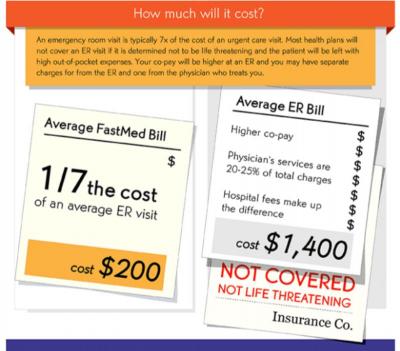
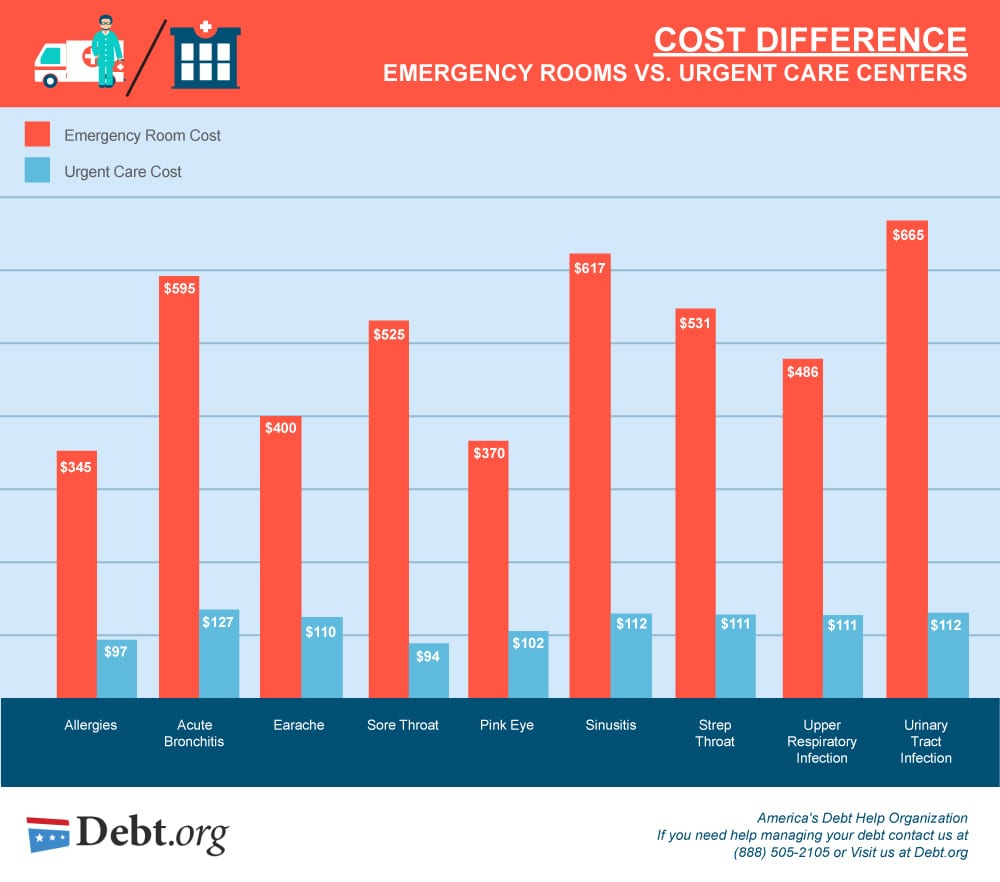
When you don’t have insurance, urgent care is often cheaper than going to the ER. Let’s compare the costs:
| Type of Care | Average Cost (No Insurance) |
|---|---|
| Urgent Care | $100 - $250 |
| Emergency Room | $700 - $3,000+ |
| Primary Care Doctor | $150 - $300 |
You can see urgent care is much less expensive than the ER. Primary care doctors may charge a similar amount, but you usually need an appointment, and they may not be open nights or weekends.
How To Save Money At Urgent Care
If you don’t have insurance, it’s smart to look for ways to lower your costs. Here are some practical tips:
- Ask for a price list: Most clinics have a list of fees for common services. The front desk can share this before you see the doctor.
- Compare clinics: Prices can change from one clinic to another, even in the same town.
- Ask about discounts: Some clinics offer discounts for self-pay patients. This can be 10%–30% off.
- Negotiate: If your bill is high, ask if the clinic can lower the price or set up a payment plan.
- Skip unnecessary tests: If you don’t need extra tests or procedures, you can save money.
- Bring your own medication: If you already have a prescription, tell the staff. This can reduce your pharmacy costs.
I once saved $60 by asking about a self-pay discount. The clinic didn’t advertise it, but the receptionist told me when I asked.

Credit: www.bloomfieldurgentmedcare.com
What To Expect During Your Visit
When you walk into an urgent care clinic without insurance, here’s what usually happens:
- You fill out a short form with your name and health issue.
- The staff will ask if you have insurance. Just say you’re paying yourself.
- They may ask for payment up front, or after the visit.
- You’ll see a doctor or nurse for your exam.
- If you need tests or treatments, they’ll explain the cost and ask if you agree.
- After your visit, you get a bill. This shows all charges.
Most clinics are used to helping people without insurance. The staff should be polite and clear about prices.
Payment Methods Accepted
Urgent care centers accept several types of payment:
- Cash
- Credit/debit cards
- Checks
- Payment plans (some clinics)
If you can’t pay the whole bill right away, ask about payment plans. Many clinics will let you pay in parts over weeks or months.
Hidden Costs To Watch For
Sometimes, urgent care visits cost more than you expect. Here are a few things to look out for:
- Extra tests: Lab work, X-rays, or advanced scans can raise your bill.
- Specialist fees: If the clinic calls in a specialist, you may pay more.
- Facility fees: Some clinics charge a fee just for using their facility.
- Follow-up visits: If you need to come back, you’ll pay again.
Always ask for a full estimate before agreeing to extra services.
When Urgent Care Might Not Be Enough
Urgent care is great for many problems, but not all. If you have any of these, go to the ER instead:
- Chest pain
- Severe bleeding
- Difficulty breathing
- Head injury with confusion
- Sudden weakness or numbness
These symptoms could be signs of something serious. Urgent care clinics may send you to the ER if they can’t handle your problem.
Are There Cheaper Alternatives?
If urgent care is too expensive, you have other options:
- Retail clinics: Located in pharmacies or stores like CVS or Walgreens. They treat simple issues and cost less ($50–$150).
- Telehealth: You talk to a doctor online or by phone. Visits often cost $30–$80.
- Community health clinics: Some offer care based on your income, or even for free.
- Free clinics: These are rare but worth searching for.
Retail clinics and telehealth are good for mild illnesses. They don’t handle injuries or complex problems.
How To Find Low-cost Urgent Care
Finding affordable urgent care can be tricky, but it’s possible. Here’s how:
- Search online: Use Google Maps or clinic websites to compare prices.
- Call ahead: Ask about fees and discounts before you go.
- Use health cost tools: Websites like Healthcare Bluebook show average prices.
- Check local hospitals: Some run urgent care clinics with sliding scale fees.
- Ask about payment plans: Many clinics offer them for self-pay patients.
If you’re not sure where to go, local health departments can help you find options.
What If You Can’t Pay Right Away?
If you don’t have the money to pay for urgent care, don’t panic. Here’s what you can do:
- Ask for a payment plan: Many clinics let you pay over time.
- Apply for charity care: Some clinics have funds to help patients in need.
- Look for financial assistance: Local groups or government programs may help.
- Negotiate your bill: Be honest about your situation; clinics often help.
Don’t avoid care because of cost. There are ways to get help.
Insurance And Urgent Care: What Changes?
If you get insurance later, urgent care visits will cost much less. Most insurance plans pay for urgent care, with a small copay ($20–$50). Your plan may cover tests, treatments, and follow-up.
If you’re uninsured, keep in mind:
- You pay full price.
- You must ask for discounts or payment options.
- You’re responsible for all charges.
If you qualify for Medicaid or other programs, apply as soon as possible. This can lower your costs for future visits.
Using Telehealth As A Low-cost Option
Telehealth is a new way to get medical care without visiting a clinic. You can talk to a doctor online, by video, or by phone. These visits are fast and cost much less than urgent care.
Here’s what you need to know:
- Average cost: $30–$80 without insurance.
- What’s covered: Simple illnesses like colds, rashes, or minor infections.
- How it works: You use a website or app, pay the fee, and speak to a doctor.
- Prescriptions: Doctors can send medicine to your local pharmacy.
Telehealth is not for emergencies or injuries. But it’s great for minor problems.
Real Stories: What Happens In Practice
Let me share another personal experience. A few years ago, my friend twisted her ankle while hiking. She didn’t have insurance, and was worried about the cost. She called three urgent care clinics. The prices ranged from $140 to $210 for an exam and X-ray. She chose the lowest-priced clinic, paid cash, and got treated. The staff gave her a discount because she paid up front. Her total bill was $160. She was surprised at how helpful the staff were when she explained her situation.
This shows that asking about prices and discounts can really help. Many clinics are open to lowering costs for patients who ask.
Updated Data And Trends (2026)
Urgent care costs have changed over the years. In 2026, most clinics use transparent pricing. They show prices on their website or let you call and ask. Some clinics now offer bundled pricing—one flat fee for common visits.
According to the Urgent Care Association, there are over 11,500 urgent care centers in the US. About 15% of visits are from patients without insurance. Clinics report that self-pay patients often ask for discounts or payment plans, and many get help.
More clinics are offering telehealth, sliding scale fees, and payment plans. This is good news for uninsured patients.
If you want more facts and data, you can check the Urgent Care Association.
Pros And Cons Of Urgent Care Without Insurance
Let’s review the main advantages and disadvantages.
Pros
- Fast care: No appointment needed.
- Lower cost than ER: Saves money for non-emergencies.
- Wide range of services: Can treat many problems.
- Transparent pricing: Many clinics show their fees.
Cons
- Full price: No insurance means you pay the whole bill.
- Extra fees: Tests and treatments can raise your cost.
- Limited in emergencies: Not for life-threatening issues.
- Payment needed: Most clinics require payment at the visit.
If you plan ahead and ask questions, you can avoid surprises.
Credit: www.debt.org
Key Mistakes To Avoid
I’ve seen people make common mistakes when visiting urgent care without insurance. Here are some you should avoid:
- Not asking for prices first: Always ask before your visit.
- Ignoring discounts: Many clinics offer them if you ask.
- Getting unnecessary tests: Only agree to what’s needed.
- Not checking other options: Retail clinics or telehealth may be cheaper.
- Skipping care due to cost: There are ways to get help.
Learning from these mistakes can save you money and stress.
Frequently Asked Questions
How Much Does A Basic Urgent Care Visit Cost Without Insurance?
Most basic visits cost $100–$250. This includes the exam and simple treatment. Extra tests or procedures will add to your bill.
Can I Use Urgent Care If I Don’t Have Insurance?
Yes, you can. Urgent care clinics welcome self-pay patients. You will need to pay for your care directly.
Are There Any Ways To Lower My Urgent Care Bill?
Yes. Ask about discounts, payment plans, and compare prices before you go. Some clinics have special rates for self-pay patients.
Is Urgent Care Cheaper Than The Er For Uninsured Patients?
Urgent care is almost always cheaper. The ER can cost $700–$3,000 or more without insurance, while urgent care is usually under $250.
What Happens If I Can’t Pay For Urgent Care?
Many clinics offer payment plans or discounts. Be honest about your situation. Ask about charity care or local assistance programs.
Getting urgent care without insurance can be stressful, but with the right information, you can make smart choices. Remember to ask about prices, look for discounts, and consider telehealth or retail clinics for minor issues. Don’t let the cost keep you from getting help when you need it.
Your health is important, and there are options to fit your budget.