

Introduction
Yes, you can usually pay off a car loan early in the United States. Most auto loans do not charge a fee for early payoff, but some contracts may include a prepayment penalty. Before sending money, ask your lender for an official payoff quote. It will show the exact amount needed to close the loan on a specific date.
Paying early can reduce future interest. However, it may not be the best use of your money if you have high-interest debt, little emergency savings, or a loan with a very low rate.
This guide explains how early payoff works, how to request a payoff quote, how much you may save, and what to check after the loan is closed.
What Does It Mean to Pay Off a Car Loan Early?
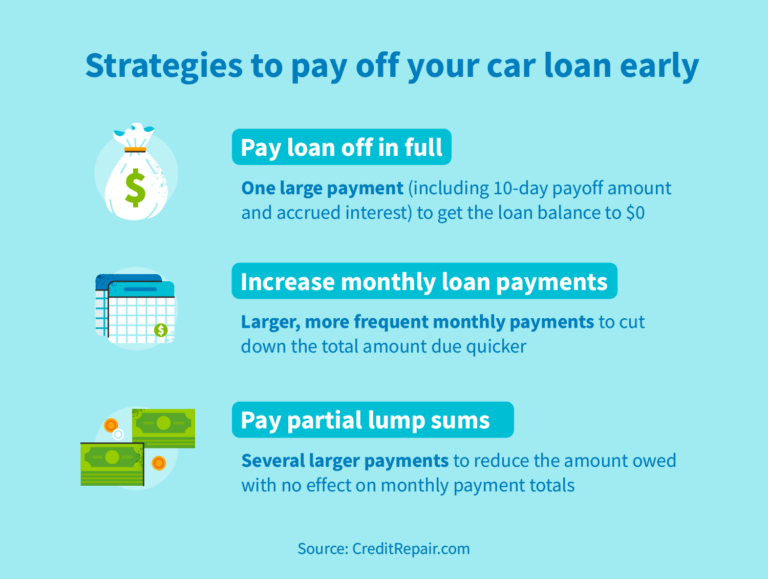
Paying off a car loan early means paying the full amount you owe before the scheduled end date. You can do this in one payment or through larger payments that shorten the loan term.
The lender calculates a payoff amount. This is different from the balance shown on your monthly statement.
The payoff amount may include:
- The remaining principal
- Interest that has built up since the last payment
- Daily interest due through the payoff date
- Unpaid fees
- Other charges allowed by the loan contract
Your monthly statement may not show the exact amount needed to close the account. Interest may continue to build between the statement date and the date your payment arrives.
Payoff balance vs. principal balance
The principal balance is the amount of borrowed money that remains.
The payoff balance is the amount needed to satisfy the loan in full on a stated date. It may be higher than the principal balance because of daily interest. It may also be lower if the lender gives a credit or refund.
Always use the lender’s payoff quote rather than guessing from the statement.

Is There a Penalty for Paying Off a Car Loan Early?
A prepayment penalty is a fee for paying a loan before its scheduled end. Some auto loans may have one, but many do not.
Your loan contract controls the answer. Look for terms such as:
- Prepayment penalty
- Early payoff fee
- Precomputed interest
- Finance charge
- Payoff before maturity
- Additional payoff conditions
Federal lending disclosures generally require the lender to provide key loan terms, including the finance charge and other costs. The Truth in Lending Act helps consumers compare credit costs, but state law and the specific contract may affect whether an early payoff fee is allowed.
You can also ask the lender directly:
“Does my contract include any fee or penalty for paying off this auto loan early?”
Do not rely only on a customer service representative’s verbal answer. Ask for the payoff amount and fee details in writing.
Why state law matters
Auto loan rules can vary by state. Some states limit or restrict prepayment penalties. Other states may allow them under certain conditions.
The lender’s contract and the law that applies to your loan matter more than general advice found online. If the fee is large or the contract is unclear, consider asking a consumer attorney or your state attorney general’s office for help.

How Much Money Can You Save by Paying Off a Car Loan Early?
You can save the interest that would have accrued after the payoff date. The exact savings depend on your interest rate, balance, remaining term, loan type, and any fee.
Most U.S. auto loans use simple interest. With a simple-interest loan, interest builds from the outstanding balance. As you pay down principal, less interest builds in later months.
A simple estimate is:
Potential interest savings = remaining scheduled payments − payoff amount
This estimate works best when your lender gives a payoff quote and your scheduled payment total is known. It may not account for refunds, fees, or other adjustments.
Hypothetical example
Assume you have:
- 36 payments left
- A monthly payment of $475
- $13,500 in scheduled remaining payments
- A lender payoff quote of $12,700
- No prepayment penalty
The estimated future savings would be:
$13,500 − $12,700 = $800
This is a hypothetical example. Your actual savings may differ because the payoff quote may expire, daily interest may change, or the payment schedule may include other charges.
A simple interest estimate
You can also estimate one day of interest with this formula:
Daily interest = outstanding principal × annual interest rate ÷ 365
For example, if the balance is $20,000 and the rate is 6%:
$20,000 × 0.06 ÷ 365 = about $3.29 per day
The lender may use a different calculation method stated in your contract. The formula above is only a rough estimate.
How to Pay Off a Car Loan Early
Follow the lender’s process. A correct payoff can prevent delays, extra interest, and payment errors.
1. Review your loan contract
Check the contract for:
- Current lender or loan servicer
- Prepayment terms
- Payment instructions
- Fees
- Required notice
- Accepted payment methods
- Title and lien-release procedures
Make sure you know whether the lender requires a certified check, wire transfer, online payment, or another method.
2. Request an official payoff quote
Contact the lender through its official website, app, phone number, or secure message system.
Ask for:
- The exact payoff amount
- The date the amount is valid through
- The daily interest amount after that date
- Any early payoff fee
- The correct payment address or account
- Instructions for sending the payment
- The expected lien-release process
A payoff quote may expire after a few days. If your payment will arrive later, ask how much interest to add.
3. Confirm the payoff amount
Check that the quote matches your loan account. If anything looks wrong, ask the lender to explain it before you pay.
Be careful with emails that change payment instructions. A scammer may impersonate a lender and send a different bank account or mailing address. Verify instructions through the lender’s official phone number or secure portal.
4. Send the payment in the required form
Use the lender’s approved method. Keep proof of payment, such as:
- Confirmation number
- Bank receipt
- Certified mail tracking
- Copy of the check
- Wire confirmation
- Screenshot of the payment submission
Do not assume that a regular monthly payment automatically pays off the loan. A lender may apply an extra amount to principal instead.
5. Confirm that the account is closed
After the payment clears, ask the lender for written confirmation that:
- The loan balance is zero
- The account is paid in full
- No additional payment is due
- The lien-release process has started
Save the confirmation with your vehicle records.
6. Track the title or lien release
The lender usually has a lien on the vehicle until the loan is paid. After payoff, the lender should release the lien. The process depends on your state.
You may receive:
- A paper title showing no lien
- An electronic title update
- A lien-release letter
- Instructions to apply for an updated title
Contact your state’s motor vehicle agency if the title does not arrive within the time the lender promised.
Should You Pay Off Your Car Loan Early?
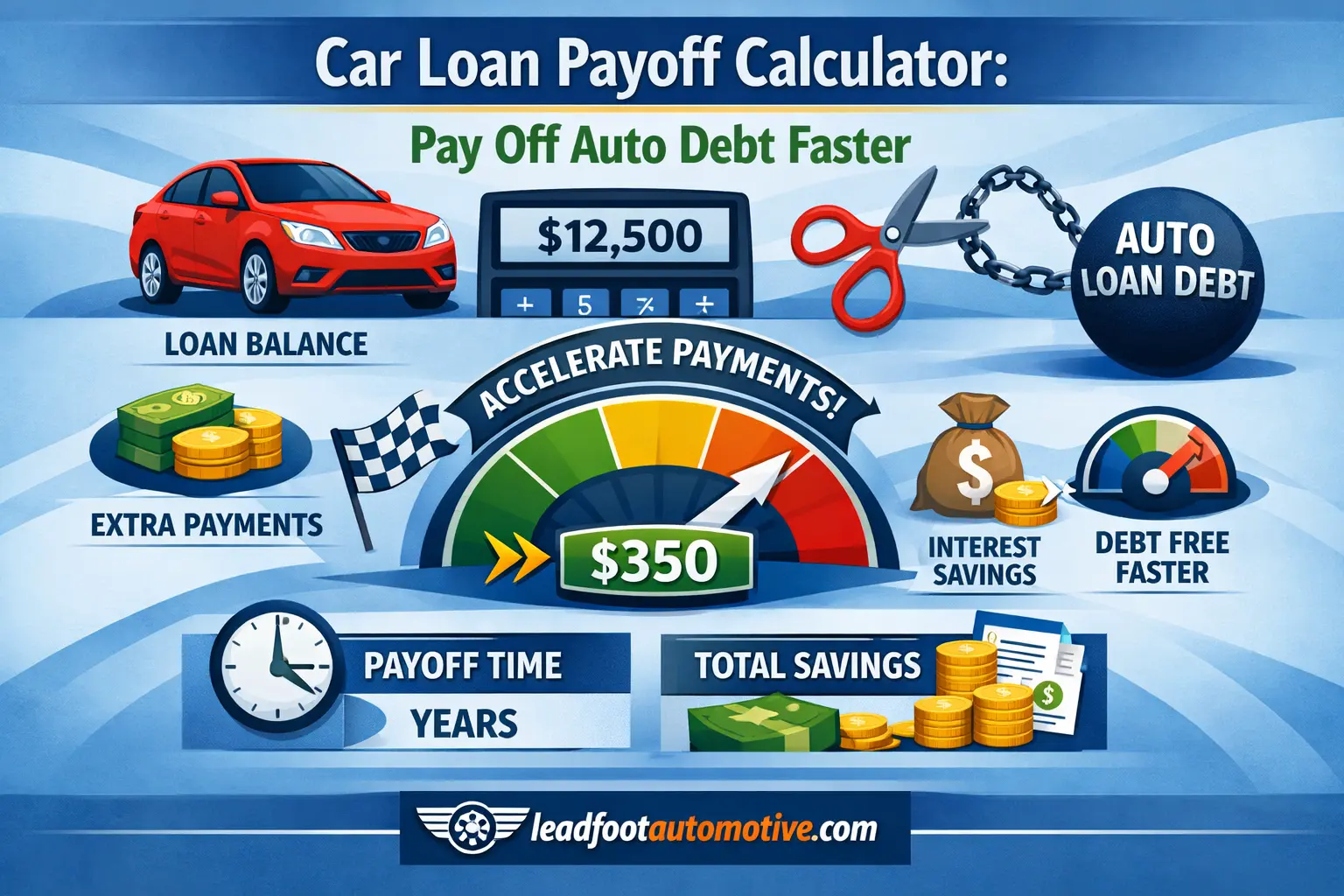
Paying early may be a good choice when it saves meaningful interest and does not weaken your finances.
Before deciding, compare early payoff with these options:
| Option | Possible benefit | Main risk or trade-off |
|---|---|---|
| Pay off the car loan | Removes the monthly payment and future interest | Uses cash that may be needed later |
| Make extra principal payments | Reduces interest while keeping some cash | Takes longer to remove the loan |
| Keep the loan | Preserves cash for emergencies | You keep paying interest |
| Pay higher-interest debt first | May save more interest | The car loan remains open |
| Build emergency savings | Helps cover repairs or job loss | The auto loan continues |
Paying off early may make sense if:
- You have a stable emergency fund
- You have no higher-rate debt
- The loan rate is higher than the return you can reasonably earn on available cash
- There is no large prepayment penalty
- You want to remove the monthly payment
- You plan to keep the vehicle for a long time
Keeping the loan may make sense if:
- Paying it off would leave you short on emergency cash
- You carry credit card debt at a much higher rate
- Your income is uncertain
- The payoff fee is high
- You need cash for near-term housing, medical, or repair costs
- The loan has a very low interest rate and your cash has a more useful purpose
The key trade-off is simple: early payoff gives a certain interest saving, while keeping cash gives flexibility.
Does Paying Off a Car Loan Early Hurt Your Credit?
Paying off a car loan early may cause a temporary change in your credit profile, but it is not normally a negative mark.
An installment loan that is paid as agreed can help show a history of on-time payments. When the account closes, it no longer adds new payment history or an active installment balance. Your credit score may rise, fall, or stay similar depending on the rest of your credit report.
Possible effects include:
- Loss of an active installment account
- A change in credit mix
- A lower total debt balance
- Continued display of the closed account and payment history
- No late payment, if the loan was paid on time
Credit scoring models differ. No one can promise a specific score change.
Paying off a loan is not the same as settling a debt for less than you owe. A normal early payoff should be reported as paid or closed according to the lender’s reporting practices.
After payoff, check your credit reports. You can request free reports through AnnualCreditReport.com. If the account shows an incorrect balance or late payment, dispute the error with the credit bureau and lender.
What Happens to Your Car Title After Early Payoff?
The lender’s lien must be released before the vehicle has clear title. A lien gives the lender a legal interest in the vehicle until the debt is satisfied.
The next step depends on your state:
- Some states use electronic lien systems.
- Some lenders mail the title after payoff.
- Some lenders send a lien-release letter.
- Some states require you to apply for a new title.
Keep your payoff confirmation and lien-release paperwork. You may need them when you sell or transfer the vehicle.
You should also ask whether your lender will:
- Update the state title record
- Mail a paper title
- Return the title to you
- Send instructions for removing the lien
Do not sell the vehicle while assuming the title is clear. Confirm the lien release first.
Should you change your auto insurance?
You may be able to remove the lender from your insurance policy after the lien ends. Do not reduce required liability or other coverage just because the loan is paid off.
The lender may have required comprehensive and collision coverage while it held the lien. After payoff, you can review your coverage with your insurer. Any change should reflect your vehicle’s value, your risk, and your state’s insurance rules.

What If You Make Extra Payments Instead of Paying Off the Loan?
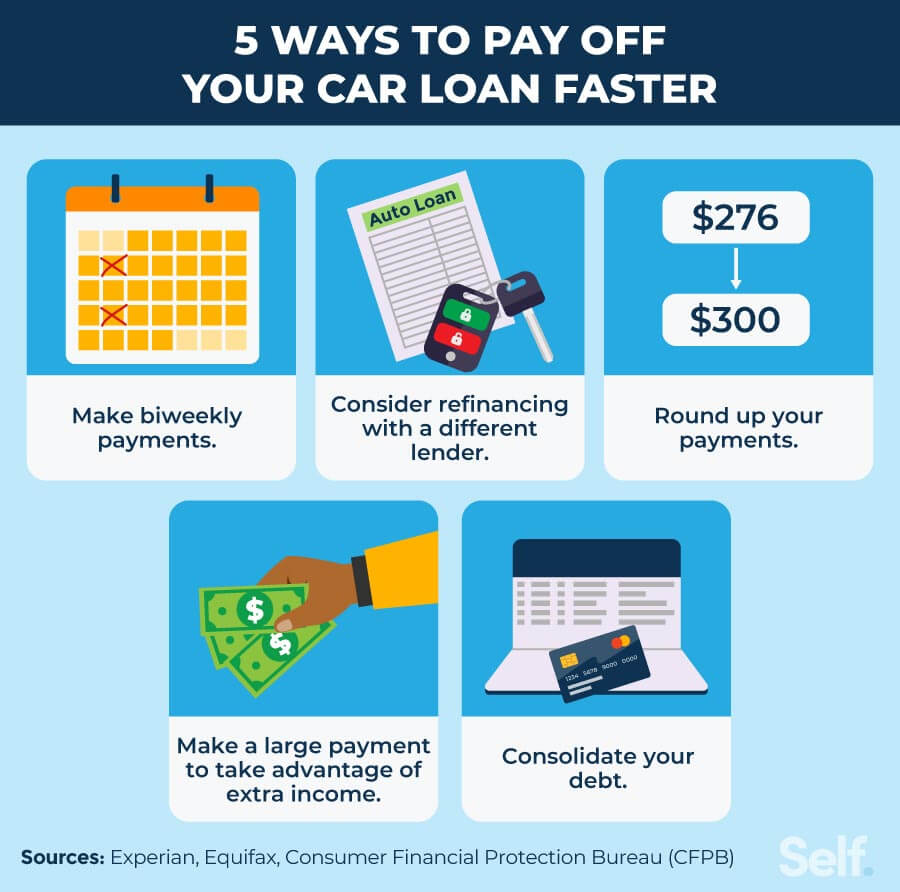
Extra payments can reduce your balance faster, but you must make sure the lender applies them correctly.
Ask the lender:
- Will extra money go toward principal?
- Can I choose a principal-only payment?
- Will the lender advance my due date instead?
- Is there a separate process for extra payments?
- Does the loan continue to accrue daily interest?
Some lenders apply an extra payment to the next scheduled installment. That may not reduce principal as quickly as you expect.
If you want the loan paid down faster, clearly label the payment as principal-only when the lender allows it. Review the next statement to confirm the principal balance dropped by the expected amount.
Do not confuse extra payments with a payoff
An extra payment does not always close the loan. You still need a payoff quote if you want to satisfy the full balance.
Also, do not skip future payments simply because you paid extra. Continue making the required payments unless the lender confirms that the account is paid in full.

Important Exceptions to Check Before Early Payoff
Early payoff is usually simple, but several situations need extra care.
You have a lease, not a loan
A car lease is not a standard auto loan. You do not own the vehicle in the same way, and early termination may involve different charges.
Ask the leasing company for an early-termination quote. Do not use an auto loan payoff calculator for a lease.
You bought add-on products
Your loan may include optional products such as:
- Extended service contracts
- Guaranteed asset protection, often called GAP
- Tire and wheel coverage
- Credit insurance
- Maintenance plans
Paying off the loan does not always cancel these products automatically. Some may offer a prorated refund. Ask each provider about cancellation and refund rules.
A GAP policy may be less useful after the loan is paid, but its cancellation terms depend on the contract. Do not assume a refund is automatic.
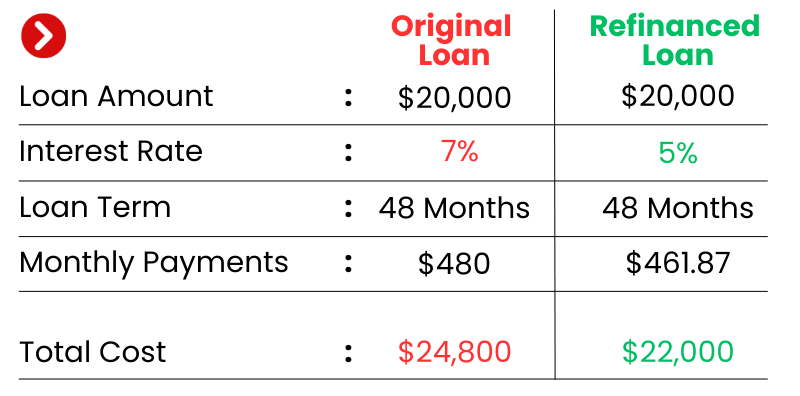
You refinanced the loan
If another lender is paying off the old loan, confirm that the old account closes correctly. The new lender may handle the payoff, but you should still check the old account until it shows a zero balance.
You traded in the vehicle
If the vehicle is traded in while a loan remains, the dealer must account for the payoff. Confirm the payoff amount and review the purchase documents. A negative equity balance may be added to the next loan.
You are behind on payments
Contact the lender before sending a large payment. Late fees, collection activity, repossession risk, and payment allocation can affect the amount needed to close the account.

Common Mistakes When Paying Off a Car Loan
Avoid these errors:
Using the monthly statement balance
The statement balance may not include all interest through the payment date. Request a payoff quote instead.
Sending payment to the wrong address
Lenders may use different addresses for regular payments and payoff checks. Follow the payoff instructions exactly.
Forgetting daily interest
If your payment arrives after the quote expires, the lender may require more money. Ask for the daily interest amount.
Assuming every extra payment reduces principal
Verify how the lender applies extra funds. Request principal-only treatment when available.
Stopping automatic payments too soon
Wait until the lender confirms the account is paid in full. Then cancel automatic payments if needed. Keep records of the cancellation.
Ignoring the lien release
A zero balance does not always mean you already have a clear title. Track the lien release with the lender and state motor vehicle agency.
Emptying your savings
A paid-off car does not help much if one repair or missed paycheck forces you into expensive credit. Keep enough cash for realistic emergencies.

Early Car Loan Payoff Checklist
Use this checklist before and after payment.
Before payment
- Review the loan contract.
- Check for a prepayment penalty.
- Decide how much cash you can safely use.
- Request a written payoff quote.
- Confirm the quote’s expiration date.
- Ask for the daily interest amount.
- Verify payment instructions through an official channel.
- Ask how extra products will be handled.
After payment
- Confirm the payment cleared.
- Get written proof that the loan is paid in full.
- Confirm the account balance is zero.
- Cancel automatic payments only after confirmation.
- Track the lien release or title.
- Check your credit reports later.
- Review your insurance policy.
- Save all documents.
Frequently Asked Questions
Can I pay off a car loan with a credit card?
Usually, lenders do not accept a credit card directly for an auto loan payoff. Some may allow a debit card or electronic transfer. Using a cash advance or balance transfer to pay off the car can also create fees and a higher interest rate. Compare the full cost before using another form of credit.
Is it better to pay off a car loan or invest the money?
There is no universal answer. Paying off the loan gives a known return equal to the interest you avoid. Investing may earn more or less, and it carries risk. Consider taxes, time horizon, emergency savings, and other debt before choosing.
Can I pay off a car loan early with a lump sum?
Yes, if the lender accepts the payment and the contract allows early payoff. Request a payoff quote first. The lump sum must cover the exact amount due through the valid payoff date.
Will I get a refund after paying off my car loan?
You may receive a refund for certain unused add-on products, such as some service contracts or insurance products. Refund rules depend on the contract and provider. Ask in writing about each product.
How long does it take to get a title after paying off a car loan?
The timing varies by lender and state. Electronic lien releases may move faster than paper title work. Ask the lender for its expected timeline and contact your state motor vehicle agency if the release is delayed.
Can I sell a car before paying off the loan?
Often, yes, but the lien must be paid and released as part of the sale. The buyer, dealer, lender, and state title agency may all need to coordinate. Do not promise clear title until the payoff and lien process is confirmed.

Key Takeaways
- You can usually pay off a U.S. car loan early.
- Request an official payoff quote instead of using your statement balance.
- Check the contract for a prepayment penalty.
- Early payoff can save future interest, but it uses cash.
- Extra payments may not work as expected unless the lender applies them to principal.
- Confirm the account is closed and track the lien release.
- Review your emergency fund, higher-interest debt, and other financial needs first.
Conclusion
Paying off a car loan early can reduce interest and remove a monthly bill. The safest process is to review the contract, request a written payoff quote, follow the lender’s payment instructions, and confirm the lien release afterward.
The best choice depends on more than the loan balance. Keep enough savings for emergencies and compare the guaranteed interest savings with other uses for your money. If the contract includes a large fee or unclear terms, contact the lender and seek advice from a qualified financial or legal professional before paying.
