
Usually, insurance follows the car for liability, but coverage can also follow the driver in some situations.
The answer to “does insurance follow the car or the driver” depends on the policy type, the state, the vehicle owner, and why the car was being used. This guide explains the rules in plain English so you can lend your car, borrow one, or handle an accident with fewer surprises.
Does insurance follow the car or the driver?
In the United States, car insurance may follow the car, the driver, or both. The key is to separate the policy into two parts: coverage for the vehicle and coverage for the person driving it.
Most auto insurance policies place primary responsibility on the vehicle’s policy. If you lend your car to a friend and that person causes a crash, your liability insurance will often respond first. However, the driver’s insurance may provide secondary coverage after the car owner’s policy reaches its limit.
This is why the question “does insurance follow the car or the driver” has no single answer for every accident. State law, policy language, permission to drive, and the type of coverage all matter.
A simple way to remember it is this:
• Liability insurance usually follows the car first.
• Personal injury protection may follow the person, depending on state law.
• Collision and comprehensive coverage usually follow the insured vehicle.
• Uninsured and underinsured motorist coverage may follow the policyholder, the vehicle, or both.
• A driver’s policy may help only after the vehicle’s coverage is used or when the driver has no access to the car’s policy.
How auto insurance coverage works
Auto insurance is not one single product. It is a group of coverages that protect different risks. Understanding each part makes the answer to “does insurance follow the car or the driver” much clearer.
Liability coverage
Liability insurance pays for injuries or property damage you cause to another person while driving. It does not usually pay to repair the car you were driving.
If your friend borrows your car with permission and causes an accident, your policy will often pay first for the other driver’s losses. Your friend’s liability coverage may apply next if your limits are not enough.
Collision coverage
Collision coverage helps pay to repair your insured vehicle after a crash. It may apply even when you caused the accident, subject to your deductible.
Collision coverage is attached mainly to the car listed on the policy. If you drive someone else’s car, your collision coverage may not automatically transfer to that vehicle.
Comprehensive coverage
Comprehensive coverage pays for damage from events other than a collision. Common examples include:
• Theft
• Vandalism
• Hail
• Falling objects
• Flood damage
• Animal strikes
Like collision coverage, comprehensive coverage generally follows the insured vehicle. It does not usually insure every car the policyholder happens to drive.
Medical payments and personal injury protection
Medical payments coverage can help pay medical bills for you and your passengers after a crash. Personal injury protection, or PIP, may also cover lost wages and other costs in no-fault states.
These coverages often depend on state law. In some states, they can follow the person rather than the car. In others, the vehicle’s policy pays first.
Uninsured and underinsured motorist coverage
Uninsured motorist coverage may help if the at-fault driver has no insurance. Underinsured motorist coverage may help when the other driver’s limits are too low.
Whether this coverage follows the vehicle, the driver, or household members varies by state and policy wording. Read the “who is insured” section instead of assuming the answer.
When insurance follows the car
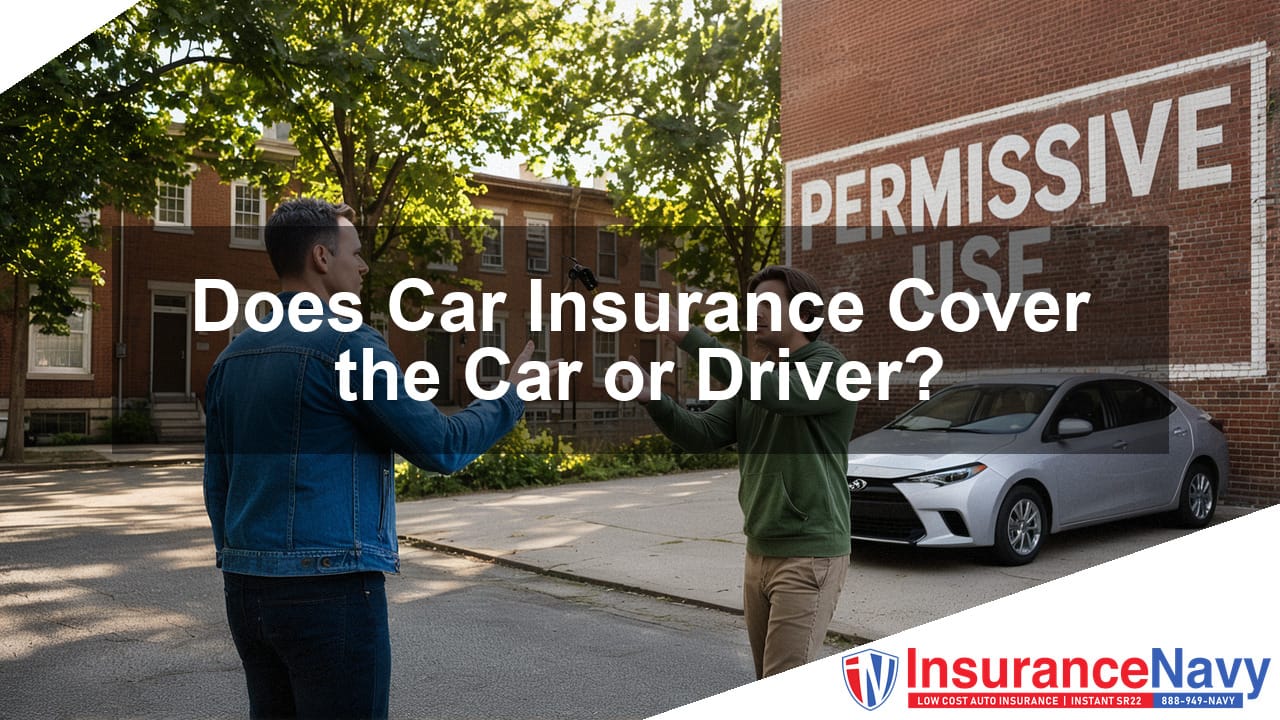
Insurance most often follows the car when someone drives that car with the owner’s permission. This idea is sometimes called permissive use.
For example, imagine that you let your neighbor use your sedan to pick up groceries. The neighbor has a valid license and does not regularly use your car. If the neighbor causes a crash, your auto policy will usually be the primary policy for the resulting liability claim.
The same basic rule may apply when:
• A family member drives your car with permission
• A friend uses your car for a short trip
• A mechanic test-drives the car during service
• A valet parks or moves the car
• A coworker drives the car for a permitted work errand
Permission is important, but it is not the only factor. A policy may exclude certain drivers, vehicles, business uses, or types of loss.
What happens when the driver has no insurance?
If the driver has no personal auto insurance, your policy may still cover an accident if the driver had permission to use the car. The car owner’s liability coverage is usually the first source of payment.
If the claim exceeds your policy limits, the driver may face personal responsibility for the remaining amount. The injured person could also pursue the vehicle owner under a state’s owner liability or negligent entrustment rules.
What if the driver had limited permission?
Suppose you allow someone to drive to the store, but that person takes the car across state lines or uses it for an unauthorized business trip. The insurer may investigate whether the use stayed within the permission given.
Some insurers still provide liability coverage but may deny certain optional coverage. Others may limit payment based on the policy terms and state law.
When insurance follows the driver
Insurance can follow the driver in limited situations. This usually happens when the driver has a separate auto policy that extends coverage to nonowned vehicles.
Nonowned auto insurance is designed for people who drive cars they do not own. It may provide liability coverage when the borrowed vehicle has no insurance or when the owner’s policy limits are exhausted.
However, nonowned coverage often does not pay for damage to the borrowed car. It is mainly liability protection. A policyholder should never assume that personal auto insurance covers a borrowed vehicle in the same way it covers a listed vehicle.
Insurance may also follow the driver when:
• The person rents a car
• The person drives a temporary substitute vehicle
• The person is injured as a pedestrian, depending on the coverage
• A policy includes broad personal liability protection
• State law extends certain medical or uninsured motorist benefits
The exact result depends on the policy contract. Two people with similar cars may receive different outcomes because their policies have different endorsements and exclusions.

Common driving situations and who pays
Real-life situations often make the rule easier to understand. Here are several examples that show how insurance may work.
You lend your car to a friend
Your friend has permission, a valid license, and causes a crash. Your car insurance will usually handle the claim first because your policy covers the vehicle.
If the damages exceed your liability limits, your friend’s policy may provide excess coverage. If your friend has no insurance, you may still face financial exposure because the car was yours.
A friend takes your car without permission
If someone takes your car without your permission, the claim may be treated differently. Your insurer may deny liability for the unauthorized driver, depending on the facts and state law.
You should report the incident quickly and explain exactly what happened. Do not say that the driver had permission if that is not true.
You borrow a friend’s car
Your friend’s insurance will usually be primary if you have permission to drive the car. Your own auto policy may provide secondary liability coverage, if the policy includes coverage for nonowned vehicles.
Your own policy may not pay for damage to your friend’s car. That depends on your policy and the specific exclusions.
Your teenager drives your car
Teen drivers usually need to be listed on the household auto policy. If a teenager regularly drives a vehicle but is not disclosed to the insurer, the company may adjust the premium, limit coverage, or investigate a claim.
Parents should tell the insurer when a teen gets a license. Hiding a regular driver can create a serious coverage problem.
A household member uses your car often
Regular drivers should generally be listed on the policy. Occasional permissive use is different from routine use.
If your roommate drives your car every week, that may go beyond casual permission. The insurer may require the roommate to be listed or may apply a named-driver exclusion.
You rent a car
Rental car coverage may come from several places:
• Your personal auto policy
• The rental company’s damage waiver
• A credit card benefit
• A travel insurance policy
Never assume that one source will cover every loss. Rental agreements can make you responsible for towing, loss of use, administrative fees, and diminished value.
You drive for delivery or rideshare work
Personal auto insurance often excludes commercial driving. Delivering food, transporting passengers, or using a vehicle for paid work may require a business policy or rideshare endorsement.
This is one of the most common gaps in modern auto insurance. Tell your insurer how you use the vehicle before a claim occurs.
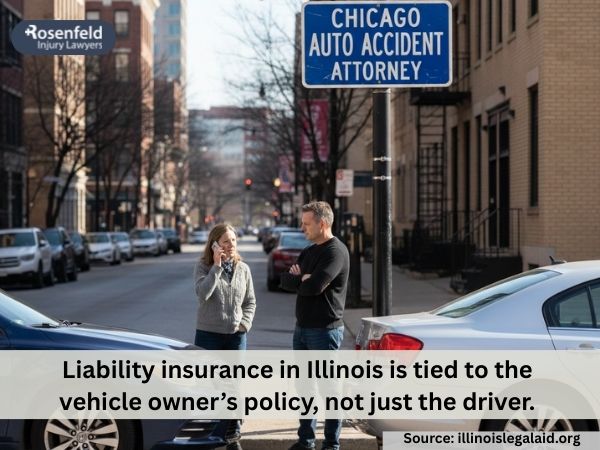
Does insurance cover someone who borrows your car?
It often does if the person has permission, a valid license, and uses the car for an allowed purpose. This is the basic permissive-use rule found in many personal auto policies.
Permission can be direct or implied. Direct permission means you clearly say the person may drive. Implied permission may exist when the person normally uses the car and you have not objected.
Coverage may be reduced or denied when the driver:
• Has no valid license
• Is excluded from the policy
• Uses the car without permission
• Uses the vehicle for an excluded business purpose
• Drives while committing a crime
• Gives the car to another person without permission
The word “may” matters here. Insurance decisions depend on the policy contract and state law. Ask your insurer for a written explanation when the facts are unclear.
State laws can change the answer
Auto insurance rules are not identical across the country. Each state sets minimum liability requirements and may regulate how insurers handle permissive drivers, medical payments, uninsured motorists, and household members.
No-fault states add another layer. In these states, your own PIP coverage may pay certain medical expenses after a crash, regardless of who caused it. Fault still matters for property damage and claims that exceed no-fault limits.
Some states also use special rules for:
• Family car doctrine
• Owner liability
• Negligent entrustment
• Rental vehicles
• Employer-owned cars
• Commercial vehicle use
The National Association of Insurance Commissioners and state insurance departments recommend reviewing your policy and asking questions before a loss. Your state insurance department can explain general rules, but it cannot interpret your individual contract or provide legal advice.
What happens when the car owner and driver share fault?
A crash can involve more than one responsible person. For example, the driver may have been speeding, while the owner may have knowingly loaned the car to an unlicensed person.
The insurer will investigate the facts. It may review the police report, witness statements, photos, vehicle damage, medical records, and policy documents.
If both the owner and driver contributed to the loss, state comparative fault rules may affect how much each person owes. Some states reduce damages based on each party’s share of fault, while others apply different standards.
This is why the answer to “does insurance follow the car or the driver” should not be used as a substitute for a claim review. Insurance coverage and legal responsibility are related, but they are not always the same thing.
Coverage limits, deductibles, and claim payments
Even when a policy covers an accident, payment is not unlimited. Liability limits set the maximum amount the insurer will pay for covered claims.
For example, a policy with limits of $50,000 per person and $100,000 per accident may not cover a severe crash involving several injured people. Property damage limits may also be too low for a newer vehicle or commercial truck.
Deductibles usually apply to collision and comprehensive coverage. They generally do not apply to bodily injury liability claims.
Before lending your car, check:
• Bodily injury liability limits
• Property damage liability limits
• Collision deductible
• Comprehensive deductible
• Excluded drivers
• Business-use exclusions
• Rental reimbursement limits
• Uninsured motorist coverage
A low premium can look attractive until a claim exposes a large gap. Higher liability limits and an umbrella policy may offer better protection for people with significant assets.

Mistakes to avoid when lending or borrowing a car
The most expensive insurance problems often begin with a simple assumption. People believe that a friend’s policy, a credit card, or a standard personal policy will cover everything.
Avoid these common mistakes:
• Lending your car to an unlicensed driver
• Failing to list a regular household driver
• Allowing business use without proper coverage
• Assuming your insurance covers damage to every car you drive
• Ignoring named-driver exclusions
• Waiting several days to report an accident
• Giving an inaccurate account of who was driving
• Choosing low liability limits without understanding the risk
• Failing to read the rental car agreement
A practical habit is to call your agent before a high-risk situation. A short conversation can clarify whether coverage applies to a teen driver, a long-term loan, a move to another state, or a delivery job.
A practical checklist after an accident
If an accident involves a borrowed or loaned vehicle, focus first on safety. Move away from traffic if possible, call emergency services when needed, and exchange information.
Then follow these steps:
Take photos of all vehicles, road conditions, signs, and visible injuries.
Get the names, phone numbers, license details, and insurance information of all drivers.
Avoid admitting fault at the scene.
Report the accident to the vehicle owner and the insurer promptly.
Explain who owned the car, who drove it, and whether permission was given.
Save medical bills, repair estimates, towing records, and other documents.
Ask the adjuster which policy is primary and whether another policy may apply.
Do not sign a release before understanding what it covers.
Clear facts help the insurer identify the correct policy. Small details, such as whether the driver was listed or whether the trip was for work, can change the result.
How to confirm your coverage before someone drives
The safest approach is to review your declarations page and policy booklet. Look for the listed vehicles, named drivers, liability limits, exclusions, and definitions of “insured.”
You can also ask your insurer these questions:
• Does my policy cover permissive drivers?
• What happens if someone borrows my car and causes a crash?
• Does my coverage apply when I drive a nonowned car?
• Are family members and roommates covered?
• Is business or delivery use excluded?
• Does my coverage extend to rental cars?
• Do my uninsured motorist benefits follow me?
Ask for answers in writing when possible. An agent can explain the policy, but only the actual contract and applicable law determine coverage after a loss.
Frequently asked questions about does insurance follow the car or the driver
Does car insurance follow the car when someone else drives it?
In many cases, yes. If the person has permission to drive, the vehicle owner’s liability policy is usually primary, subject to policy terms, limits, and state law.
Does my insurance cover me when I drive someone else’s car?
It may provide secondary liability coverage for a borrowed vehicle, but coverage varies. Personal auto insurance often does not pay for damage to the borrowed car unless the policy includes applicable coverage.
What happens if an uninsured driver crashes my car?
Your policy may cover the damage if the driver had permission, but the claim can affect your rates or limits. If the driver had no permission, the insurer may handle the claim differently.
Is the driver or the car responsible for an accident?
Insurance usually begins with the policy covering the vehicle, but the driver can also have legal responsibility. The final result depends on permission, negligence, state law, and available coverage.
Does insurance cover a friend who borrows my car?
Often, yes, when the friend has permission, a valid license, and uses the car for an allowed purpose. Regular use, excluded drivers, business use, or unauthorized use can change the result.
Does my insurance cover a rental car?
Many personal auto policies extend certain coverage to rental cars used for personal purposes. Check your policy, rental contract, and credit card benefits because exclusions and limits may apply.
Does insurance follow the driver in every state?
No. State law and policy language control how coverage applies. Medical, uninsured motorist, nonowned auto, and liability coverage may follow the driver in some situations but not all.
Conclusion
So, does insurance follow the car or the driver? In most borrowed-car accidents, the vehicle’s liability insurance responds first, while the driver’s policy may provide secondary protection. Physical damage coverage, medical benefits, uninsured motorist coverage, permission, exclusions, and state law can all change the outcome.
Before lending or borrowing a car, review the policy, confirm permission, check exclusions, and ask the insurer direct questions. A few minutes of preparation can prevent a large financial shock. Explore your state’s insurance rules, speak with a licensed agent, and share this guide with anyone who may drive your vehicle.