

You can fix small car paint chips at home by cleaning, touching up, leveling, and sealing the damaged spot.
Knowing how to fix paint chips on a car can save money and stop small rust spots from growing. The right method depends on the chip’s size, depth, location, and the type of paint on your vehicle. This guide explains the process in clear steps, based on safe detailing practices, paint repair methods, and common lessons from hands-on auto care.
What causes paint chips on a car?
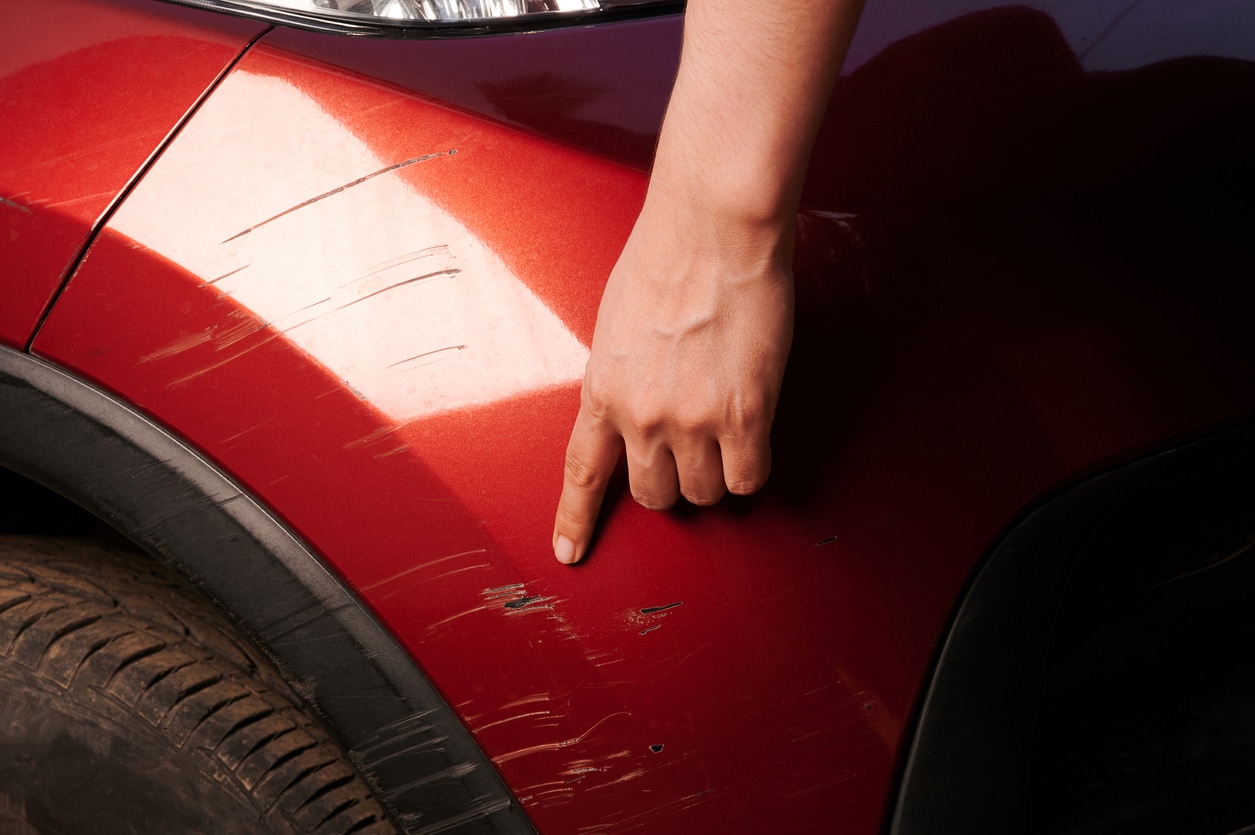
Car paint chips happen when a hard object strikes the painted surface. Gravel, road salt, sand, car doors, shopping carts, and small tools are common causes. The impact can remove the clear coat, color coat, primer, or even expose bare metal.
The front bumper, hood, fenders, mirrors, and lower doors often suffer the most damage. These areas face direct contact with road debris and harsh weather.
When asking, “does how to fix paint chips on car” depend on the cause, the answer is partly yes. A tiny chip from road gravel needs a simple touch up, while a deep chip with rust may need sanding, primer, paint, and professional refinishing.
Common causes include:
• Loose gravel thrown by passing cars
• Road salt and winter debris
• Minor parking lot impacts
• Tree branches and small stones
• Incorrect washing with grit on the paint
• Scratches that later lift or flake
A chip may look harmless, but exposed metal can oxidize quickly. Once rust begins under the surrounding paint, the repair becomes larger and more expensive.
Can you fix paint chips at home?
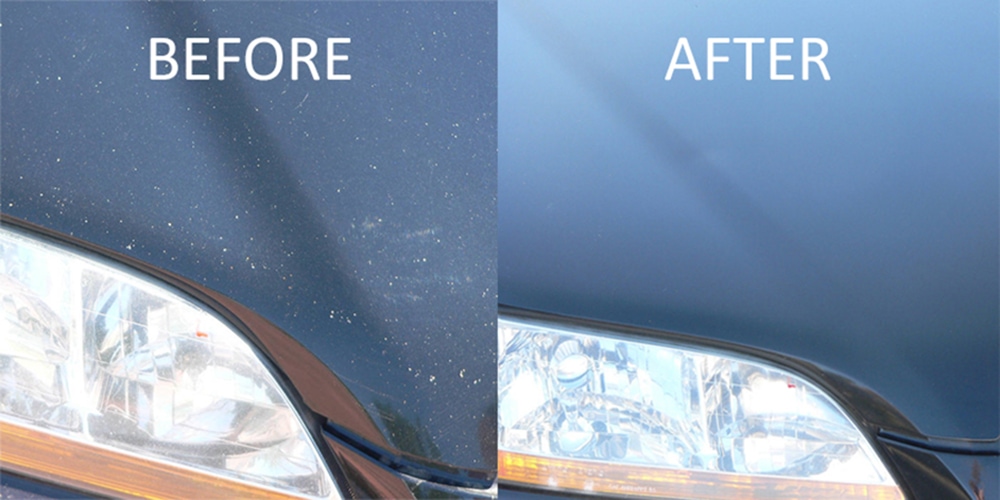
You can repair many small paint chips at home. A good do it yourself repair works best when the chip is smaller than a dime, has clean edges, and has little or no rust.
The goal is not to make the area invisible from a few inches away. The goal is to seal the exposed surface, match the color, prevent rust, and make the damage much less noticeable.
A home repair may not be suitable when:
• The damaged area is larger than a credit card
• Paint is peeling around the chip
• The panel is dented
• Rust has spread under the paint
• Several layers of paint are missing
• The damage sits on a sharp body line
• The car has a complex three stage paint color
Pearl white, candy colors, and some metallic finishes are harder to match. A professional body shop can blend the color across the panel and use controlled spray equipment for a smoother result.
So, does how to fix paint chips on car work for every vehicle? No. It works well for minor damage, but larger repairs need more skill and better equipment.
What you need to fix car paint chips
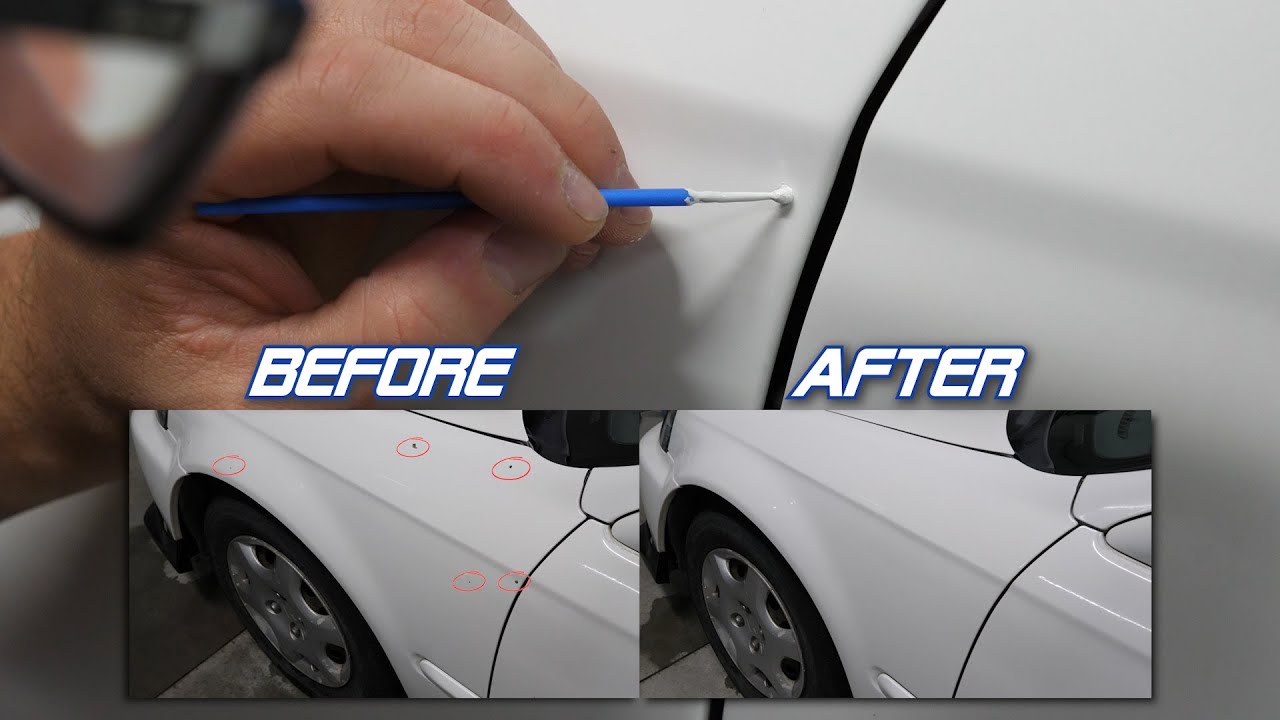
Gather the right supplies before you start. Using poor tools can create a raised blob, visible color mismatch, or new scratches.
You may need:
• Automotive soap
• Clean microfiber towels
• Isopropyl alcohol or a panel prep cleaner
• Automotive touch up paint
• A fine paint brush, paint pen, or small applicator
• Automotive primer for bare metal
• Clear coat
• Fine polishing compound
• A toothpick or plastic pick
• Nitrile gloves
• Painter’s tape
• Fine wet and dry sandpaper, such as 2,000 to 3,000 grit
• A clean, shaded work area
Buy paint made for your exact vehicle. The color code is usually found on the driver’s door jamb, inside the glove box, under the hood, or in the owner’s manual. The code may include letters, numbers, or both.
Do not rely only on the vehicle’s year, make, and model. One model can have several colors. Paint can also fade from sunlight, so a factory code may not perfectly match an older car.
A complete touch up kit often includes color paint, primer, and clear coat. Read the label and follow its drying times. Paint chemistry varies, and rushing one layer can weaken the repair.
How to fix paint chips on car step by step
The best answer to “does how to fix paint chips on car” starts with careful preparation. Most poor repairs fail because the surface was dirty, wet, or rushed.
1. Wash the damaged area
Wash the panel with automotive soap and clean water. Remove road film, wax, grease, and loose dirt.
Dry the area with a soft microfiber towel. Let it air dry for a few minutes. Work indoors or in a shaded place with low humidity. Direct sun can make the paint dry too fast.
2. Inspect the chip
Look closely at the damaged spot. Decide whether you can see:
• Clear coat only
• Colored paint
• Gray or white primer
• Bare metal
• Brown or orange rust
A clear coat mark may need polishing rather than touch up paint. A chip that exposes metal needs protection.
3. Remove loose paint
Use a clean toothpick to lift loose flakes around the chip. Do not scrape hard. The goal is to create a stable edge, not a larger hole.
If the chip has active rust, gently remove the loose rust with very fine abrasive paper. Stop when the surface is clean and stable. Deep rust may require a body shop because corrosion can continue beneath nearby paint.
4. Degrease the surface
Apply a small amount of panel cleaner or isopropyl alcohol to a microfiber cloth. Wipe the chip and the area around it.
Avoid strong household cleaners. Some contain oils, waxes, or chemicals that can affect paint adhesion. Never use gasoline or harsh solvents on the vehicle’s finish.
5. Apply primer when needed
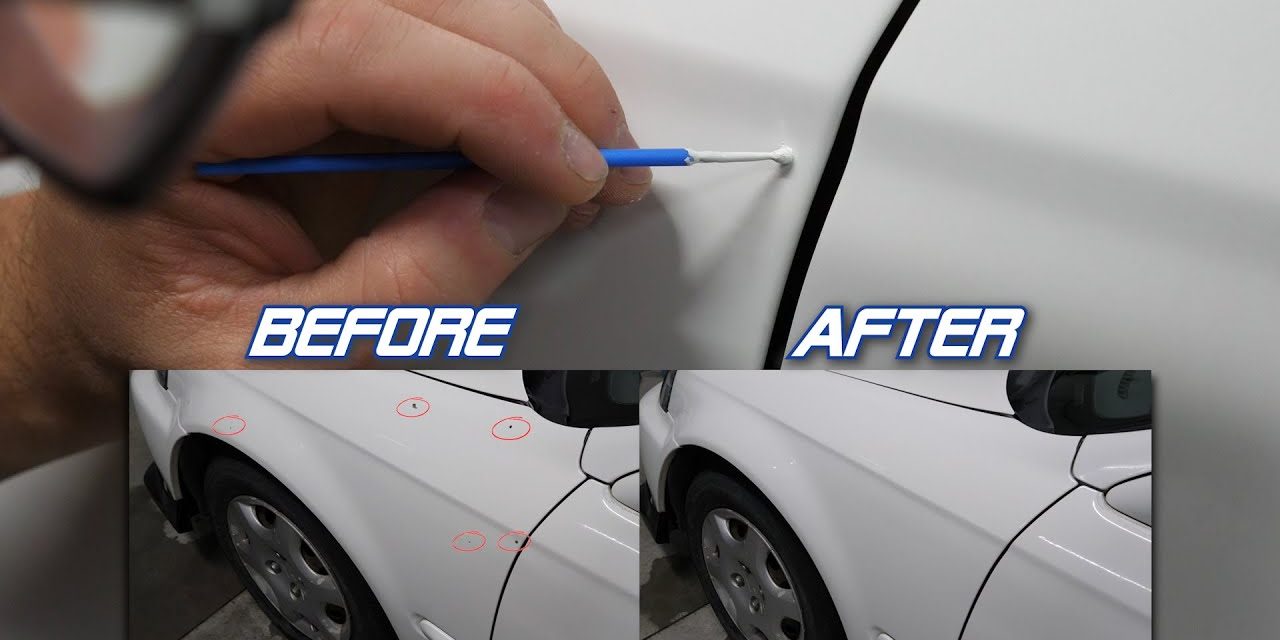
Use automotive primer if bare metal is visible. Apply a very small amount with a fine brush or applicator.
The primer should fill the exposed area without covering a large section of good paint. Let it dry for the time listed on the product label.
Primer helps protect metal and gives the color coat a stable base. Skipping primer on bare metal can lead to poor adhesion and future rust.
6. Apply the matching paint
Shake or mix the touch up paint as directed. Use the smallest practical brush. A toothpick can work well for tiny chips because it places paint only where needed.
Apply a thin layer. Do not try to fill the whole chip in one pass. Several thin coats usually look better than one thick coat.
Let each coat dry before adding the next one. The repair may need two or three color coats, depending on the depth and color.
7. Add clear coat
After the color coat has dried, apply clear coat if the kit requires it. Use a thin layer that slightly covers the repair.
Clear coat adds gloss and helps protect the color from water, sunlight, and light abrasion. It does not make a badly matched color invisible, so careful color selection still matters.
8. Level the repair
A fresh touch up spot may sit slightly higher than the original paint. Let it cure fully before leveling it. This may take several days, depending on the product.
If needed, wet sand very lightly with fine sandpaper. Keep the paper and surface wet. Use a small sanding block or your fingertip with gentle pressure.
Do not sand aggressively. It is easy to cut through the clear coat around the repair. After leveling, polish the area with a mild automotive compound and a clean microfiber towel.
9. Protect the finish
Apply a quality wax or paint sealant after the repair has fully cured. Follow the product’s waiting period.
Do not wax a fresh repair too soon. Solvents and uncured paint need time to evaporate and harden.
This process explains how to fix paint chips on car surfaces without creating a large, obvious patch. Patience matters more than force.

How to match car touch up paint
Color matching is one of the hardest parts of paint chip repair. The paint code gives you the correct factory formula, but age and sunlight can change the appearance of the paint on the vehicle.
Follow these tips:
• Find the exact factory paint code
• Buy paint from a trusted automotive supplier
• Compare the color in natural daylight
• Test the paint on a hidden area first
• Avoid judging color under yellow garage lights
• Check whether the paint is solid, metallic, pearl, or three stage
Metallic paint contains reflective flakes. If you apply it too thickly or use the wrong brush motion, the flakes may sit differently from the original finish.
Pearl paint is even more complex because it uses translucent layers that reflect light. A small touch up may still be visible from certain angles.
If the car has faded, a professional may mix a custom color to match the existing panel. This is one reason body shops can produce better results on older vehicles.
When people search “does how to fix paint chips on car,” they often focus on the application step. In practice, color selection can matter just as much.

How to repair deep paint chips and rust
Deep chips need more care because they may expose steel or aluminum. Steel can rust, while aluminum can develop corrosion that looks white or powdery.
Start by washing and drying the area. Remove loose rust without widening the damaged spot. If the metal is deeply pitted, swollen, or spreading under the paint, stop and get a professional inspection.
For a small, clean metal chip:
Remove loose rust and debris.
Clean the surface with a suitable panel cleaner.
Apply automotive primer.
Allow the primer to cure.
Add thin layers of matching color paint.
Apply clear coat.
Let the repair harden before polishing.
Do not seal active rust under touch up paint. That can hide the problem while corrosion continues below the surface.
Road salt makes rust worse because it helps water carry electrical charges across the metal. Keeping the area clean and dry slows the process, but a proper repair must remove loose corrosion first.
Does how to fix paint chips on car change when rust is present? Yes. Rust turns a simple cosmetic repair into a corrosion control job.

Common mistakes to avoid
Even a small repair can go wrong. Most errors are easy to prevent.
Avoid these mistakes:
• Painting over dirt or wax
• Using nail polish instead of automotive paint
• Applying one thick blob
• Skipping primer on bare metal
• Touching wet paint with your finger
• Sanding before the paint has cured
• Polishing too soon
• Working in direct sunlight
• Using a rough towel
• Applying clear coat over a dirty surface
A thick blob may look acceptable at first, but it catches light and gathers grime. Thin layers create a smoother transition.
Another common mistake is trying to make the repair perfect immediately. Touch up paint shrinks as it cures. Give it time before deciding whether it needs another coat.
In hands on paint work, the most useful lesson is simple: preparation beats speed. A small chip repaired slowly often looks better than a larger repair rushed in one afternoon.
Touch up paint pen, brush, or spray paint?
The best applicator depends on the size and shape of the chip.
Paint pens
Paint pens are convenient for small chips and thin scratches. They are easy to carry and simple to use.
However, the tip may release too much paint. Press lightly and test the flow on cardboard before touching the vehicle.
Small brushes
Fine brushes give you more control. They work well for irregular chips and small areas where accuracy matters.
Use a clean, pointed brush. Do not use a wide art brush that floods the repair.
Aerosol spray paint
Spray paint can work for larger areas, but it is harder to control. Overspray can reach nearby panels, trim, glass, and rubber seals.
Spraying a full panel also requires careful masking, surface preparation, blending, and clear coat. For most small chips, a brush or pen is safer.
Professional spray equipment
A body shop uses a spray gun, controlled air pressure, proper ventilation, and blending methods. This gives the best result for large or visible damage.
Do not use spray paint in a closed garage without proper ventilation and protective equipment. Paint fumes can harm your health, and many products are flammable.

How much does it cost to fix paint chips?
A home repair may cost about $15 to $60 for a touch up kit, cleaning supplies, and clear coat. The exact price depends on the paint type and the number of products needed.
A professional repair may cost $100 to $500 for a small area. Larger repairs, rust removal, panel painting, or color blending can cost more.
Prices vary by:
• Vehicle make and paint type
• Chip size and depth
• Location on the panel
• Presence of rust
• Local labor rates
• Need for dent repair
A low cost repair is not always the best value if it leaves rust or a poor color match. On the other hand, professional refinishing may be unnecessary for a tiny chip on an older daily driver.
Think of the repair as protection first and appearance second. Stopping corrosion can preserve the panel and prevent a much larger bill later.
When should you call a professional?
Call a body shop when the damage is large, deep, rusty, or highly visible. Professional help is also wise when the panel has a dent or the paint is peeling beyond the original chip.
Seek expert help if:
• Rust extends under the surrounding paint
• The panel has exposed bare metal over a wide area
• The chip is near a sensor or camera
• The bumper is cracked
• The finish is a difficult pearl or tri coat color
• You want an invisible repair
A technician can sand, prime, blend, and clear coat the panel with better control. Some shops also use paintless dent repair when the paint remains intact around a dent.
A touch up repair is often enough for a daily driver. A professional repair is more suitable for a newer vehicle, a lease return, or a high value car.
How to prevent future paint chips
You cannot prevent every road impact, but you can reduce the risk.
Helpful steps include:
• Keep a safe distance behind trucks
• Avoid driving close to loose gravel
• Wash off road salt soon after winter trips
• Use a quality wax or paint sealant
• Consider paint protection film on the hood and bumper
• Park away from crowded shopping cart areas
• Use a clean wash mitt and the two bucket method
• Repair small chips before rust appears
Paint protection film provides a clear barrier against many light impacts. It costs more than wax, but it can be useful on high impact areas such as the front bumper, hood edge, and mirror caps.
Ceramic coatings may help with cleaning and chemical resistance, but they do not make paint chip proof. They are not a substitute for paint protection film.
Does how to fix paint chips on car also include prevention? Yes. Quick repairs and better driving habits help keep small damage from becoming a major finish problem.
How long does a paint chip repair last?
A properly prepared touch up repair can last for years. Its life depends on the product, surface preparation, weather, washing habits, and exposure to sunlight.
A repair may fail early when:
• Rust remains under the paint
• The surface was not degreased
• Paint was applied in thick layers
• The product was not made for automotive use
• The area was washed before curing
• The color coat was not protected with clear coat
Touch up paint will not have the same durability as a factory baked finish. It is a protective and cosmetic repair, not a complete replacement for factory paint.
Inspect the area during regular washes. If the paint lifts, cracks, or shows rust, repair it again before the damage spreads.
Does how to fix paint chips on car require sanding?
Should you sand a small paint chip before touch up paint?
Light sanding may help remove loose rust or rough edges, but many tiny chips do not need sanding. Clean the area first, then sand only when the surface is uneven, rusty, or contaminated.
Can you fix paint chips without clear coat?
Some touch up paints are designed as one step products, but clear coat usually gives better gloss and protection. Follow the instructions for your specific paint because adding clear coat to an incompatible product can cause wrinkling or poor bonding.
How soon should you repair a paint chip?
Repair it as soon as practical, especially if bare metal is visible. Moisture, salt, and dirt can reach the metal and start corrosion.
Will touch up paint make a chip invisible?
It can make a small chip much less noticeable, but it may not become invisible. Color variation, paint age, chip depth, and the repair method all affect the final look.
Can you use a paint pen on a plastic bumper?
Yes, if the paint is made for automotive plastic and the surface is clean. Some plastic parts need an adhesion promoter, so check the product directions before applying paint.
Is it better to repair paint chips before winter?
Yes. Winter moisture and road salt can speed up corrosion on exposed metal. Sealing chips before cold weather is a smart part of seasonal car care.
Conclusion
Small paint chips are easier to manage when you act early. Clean the area, identify the depth, remove loose material, use the correct primer and color, apply thin coats, and allow enough curing time.
The best answer to “does how to fix paint chips on car” is that many minor chips can be repaired at home, but deep rust, large damage, and complex colors deserve professional care. Start with one small chip, work slowly, and inspect the result in natural light.
Protect your car by repairing new chips promptly, washing away road salt, and considering paint protection film for high impact areas. Share your repair experience or explore more practical car care guides for your next project.
