

Wash, dry, protect, and inspect your classic car often to stop moisture from starting rust.
Learning how to prevent rust on a classic car takes more than spraying on a thick coating. Rust begins in small places, such as drain holes, seams, wheel arches, and trapped dirt. With the right cleaning routine, safe storage, paint care, and regular checks, you can protect original metal and preserve your car’s value for years.
Why Classic Cars Rust So Easily
Rust is the common name for iron oxide. It forms when steel meets water and oxygen. Road salt, dirt, acid rain, and humidity make this process much faster.
Classic cars face extra risk because many have:
• Older paint that has become thin or cracked
• Unsealed body seams
• Small drain holes blocked by dirt
• Bare steel hidden under trim
• Original undercoating that has dried, split, or trapped water
• Limited rust protection compared with newer vehicles
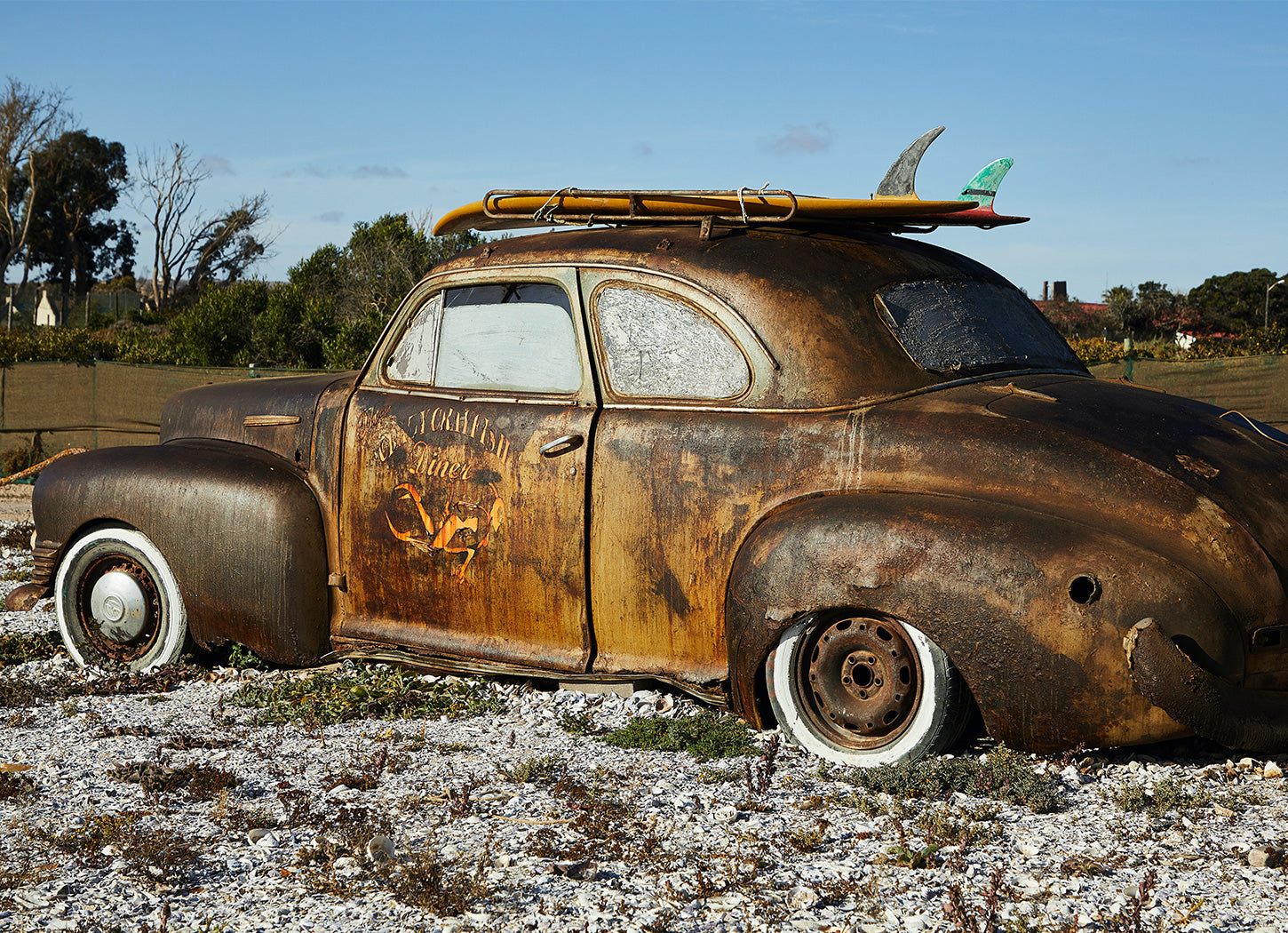
Rust is not always easy to see. A small paint bubble may signal corrosion under the surface. Brown stains around a windshield, door edge, or rocker panel can also show that water has moved beneath the paint.
That is why how to prevent rust on a classic car starts with finding moisture traps before they become major repairs.
The Main Causes of Rust on a Classic Car
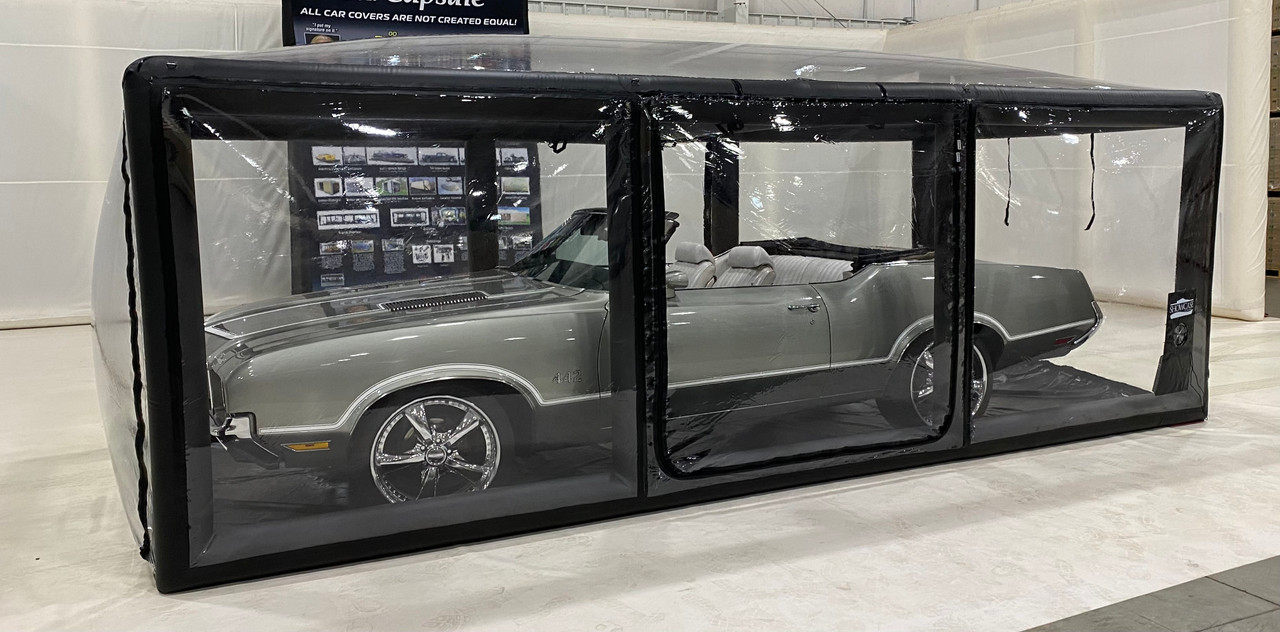
Knowing the causes helps you choose the right protection. Most rust problems come from repeated moisture exposure rather than one wet drive.
Water and humidity
Water creates the basic condition for corrosion. Humid air can affect a car even when it never leaves the garage. Condensation forms when a cold body panel meets warm, damp air.
A heated garage is not always safer. If it warms a wet car, it can increase evaporation and humidity around the metal. Good air movement is often more helpful than high heat.
Road salt and winter chemicals
Salt lowers the electrical resistance of water. In simple terms, it helps corrosion move faster across steel. Even a short drive on salted roads can leave residue in wheel wells, frame rails, and floor braces.
Calcium chloride and magnesium chloride can also remain active at lower temperatures. They may attract moisture long after the road looks dry.
Dirt and mud
Dirt holds water against metal like a wet blanket. Mud packed behind a fender or beneath a trim piece can keep a panel damp for days.
Small leaves and plant matter create a similar problem. As they break down, they can produce acids that harm paint and metal.
Damaged paint
Paint is a barrier between steel, water, and air. Scratches, stone chips, deep swirls, and cracks break that barrier. Bare steel can begin to oxidize quickly, especially in a coastal or humid climate.
Poor repairs
Old body filler, low-quality repaint work, and badly sealed seams can hide corrosion. A fresh-looking panel may still rust from the inside if the back side was never cleaned and protected.
This is one reason a professional inspection matters when buying a classic car. A shiny exterior does not always mean a healthy body.
How to Prevent Rust on a Classic Car With Regular Washing
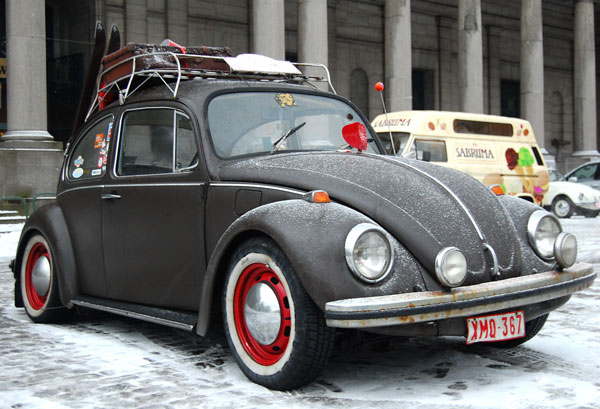
Washing is one of the simplest answers to how to prevent rust on a classic car. The goal is not only to make the paint shine. It is to remove salt, dirt, and chemicals before they stay in contact with the metal.
Use a pH-balanced car wash soap and clean water. Household dish soap can remove protective wax and may dry out older finishes when used often.
Follow this routine:
Rinse the car first to loosen grit.
Wash from the roof downward.
Use a separate mitt for the lower body and wheels.
Rinse wheel wells, rocker panels, and the underside.
Clean door jambs, trunk channels, and hood edges.
Dry the car with clean microfiber towels or a safe air blower.
Open the doors, trunk, and hood so trapped water can escape.
Avoid washing a classic car and then parking it immediately in a closed, damp garage. Let it dry fully. If possible, drive slowly around the block after washing to move water out of brake, suspension, and drain areas.
Do not use a pressure washer close to old seals, window channels, electrical parts, or loose trim. High pressure can push water past seals and force dirt deeper into seams.
A useful personal lesson is simple: the areas that look least important often cause the biggest trouble. I have seen clean collector cars develop rust because the owner washed the roof and hood but ignored the wheel arches and door drains.
Inspect Common Rust Areas
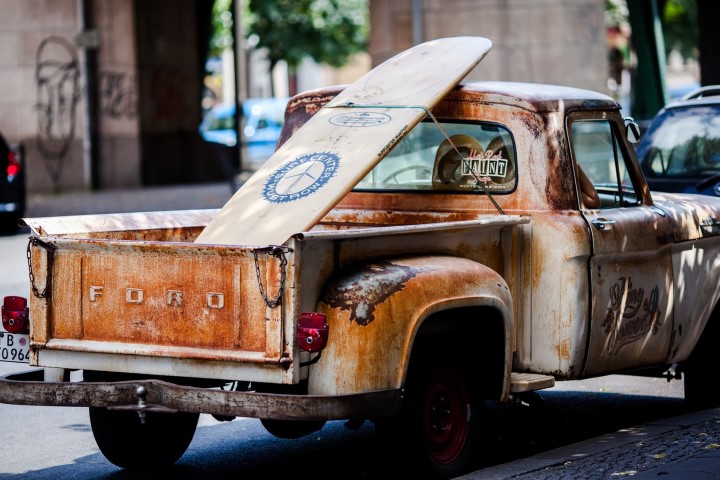
A close inspection every few weeks can save thousands of dollars. You do not need special equipment for a basic check. A bright light, clean gloves, a small mirror, and a soft inspection pick are useful.
Check these areas carefully:
• Lower door edges and inner door skins
• Front and rear fender lips
• Wheel arches and splash panels
• Rocker panels and pinch welds
• Floor pans and frame rails
• Trunk floor and spare tire well
• Hood and trunk seams
• Windshield and rear window channels
• Around headlights, taillights, and emblems
• Battery trays and radiator supports
• Body mounts and suspension mounting points
• Drain holes in doors, rockers, and quarter panels
Look for bubbling paint, flaking metal, orange dust, damp seams, and soft spots. Use a magnet covered with thin cloth to check for unusually thick filler, but remember that aluminum, fiberglass, and stainless steel parts may not respond to a magnet.
A paint thickness gauge can provide more information on a restored car. It cannot prove that a panel is rust-free, but sudden changes in thickness may reveal repairs.
Never poke hard at structural metal. A sharp tool can create damage and spread corrosion. If a frame rail, spring mount, or suspension point looks weak, stop and ask a qualified restoration shop to inspect it.
Protect Paint and Bare Metal
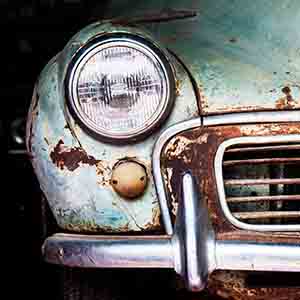
Good paint care is a key part of how to prevent rust on a classic car. Wax, paint sealants, and ceramic coatings do not repair rust, but they reduce water contact and make dirt easier to remove.
Before applying protection:
• Wash and dry the car fully.
• Remove tar, tree sap, and road film.
• Repair paint chips and scratches.
• Follow the product instructions.
• Test the product on a hidden area.
Traditional wax is easy to use and offers useful short-term protection. Synthetic sealants often last longer. Ceramic coatings can provide a hard, water-repellent surface, but they still require proper washing and inspection.
Do not apply wax over active rust. It can hide changes and make later repair harder. Rust must be cleaned, stabilized, or removed before the surface receives a protective finish.
For a small paint chip, clean the area, remove loose rust, apply a suitable rust-inhibiting primer, and touch up the paint. A touch-up will not replace a proper panel repair, but it can stop a small defect from becoming a larger one.
Use Rust Protection Inside Cavities and Seams
Many classic cars rust from the inside out. Moisture enters through seams, trim holes, drain openings, and damaged seals. It then stays inside a rocker panel, door, quarter panel, or frame section.
Cavity wax is designed for these hidden areas. It remains flexible and creeps into seams. It is often safer for enclosed panels than a hard coating that can crack.
Before using cavity protection:
Confirm that the cavity is dry.
Clear its drain holes.
Remove loose dirt and flaky rust.
Apply the product with a wand or extension nozzle.
Avoid blocking drainage paths.
Wipe away overspray from paint, glass, rubber, and brakes.
Do not spray oily products on exhaust parts, brake rotors, belts, or hot engine components. Use proper ventilation and follow the safety label.
A rustproofing product cannot make severe corrosion disappear. It works best on clean or lightly oxidized metal. Heavy rust, perforation, and layered scale need mechanical repair.
The correct use of cavity wax is one of the most valuable answers to how to prevent rust on a classic car because it protects places you cannot easily reach with a cloth.
Choose the Right Underbody Protection
Undercoating can protect a classic car from stone chips, water, and road debris. However, the wrong undercoating can trap moisture and hide rust.
Before applying any underbody product, remove dirt, loose scale, oil, and old failing coating. Inspect the metal carefully. Repair rusted areas first, then apply a compatible primer and protective coating.
Common options include:
• Rubberized coatings for chip resistance
• Paintable underbody coatings for a finished surface
• Wax-based coatings that remain flexible
• Oil or corrosion-inhibiting films for frequent maintenance
• Epoxy primers for properly prepared bare metal
There is no single best product for every car. A show car kept indoors may need a clean painted underbody and cavity wax. A car driven on wet roads may benefit from a renewable film that receives regular inspections.
Avoid spraying thick material over unknown surfaces. If water enters through a crack, the coating may hold it against the steel. This creates hidden corrosion that can be worse than visible surface rust.
Always keep factory drain holes open. Drainage is more important than making the underside look completely sealed.

Repair Rust Before It Spreads
Surface rust is usually orange or brown and sits on top of the steel. Scale rust causes rough layers and may push paint away. Perforation rust creates holes and means the metal has lost strength.
The repair method depends on the type and location.
Small surface rust
For light rust on a solid panel:
• Wash and degrease the area.
• Sand or blast away the oxidation.
• Clean the metal with the approved surface cleaner.
• Apply an epoxy or corrosion-resistant primer.
• Refinish the area with matching paint.
Do not leave bare metal exposed after sanding. Even clean steel can begin to rust from humidity.
Rust beneath paint
If the paint is bubbling, remove the paint around the affected area. Look for pitting and thin metal. If rust extends beyond the visible bubble, a simple touch-up will not last.
Rust-through and structural rust
A hole requires metal repair. The correct method is usually to cut away weak steel and weld in sound metal. Filler should smooth a properly repaired panel, not replace missing structure.
Frame rails, floor braces, body mounts, and suspension attachment points deserve special care. Rust in these areas can affect safety, alignment, and crash performance.
One mistake I have learned to avoid is treating rust as a cosmetic problem when it is actually structural. If you can push through the metal, see daylight, or find a soft mounting point, seek professional repair before driving the car regularly.

Store a Classic Car in a Dry, Ventilated Space
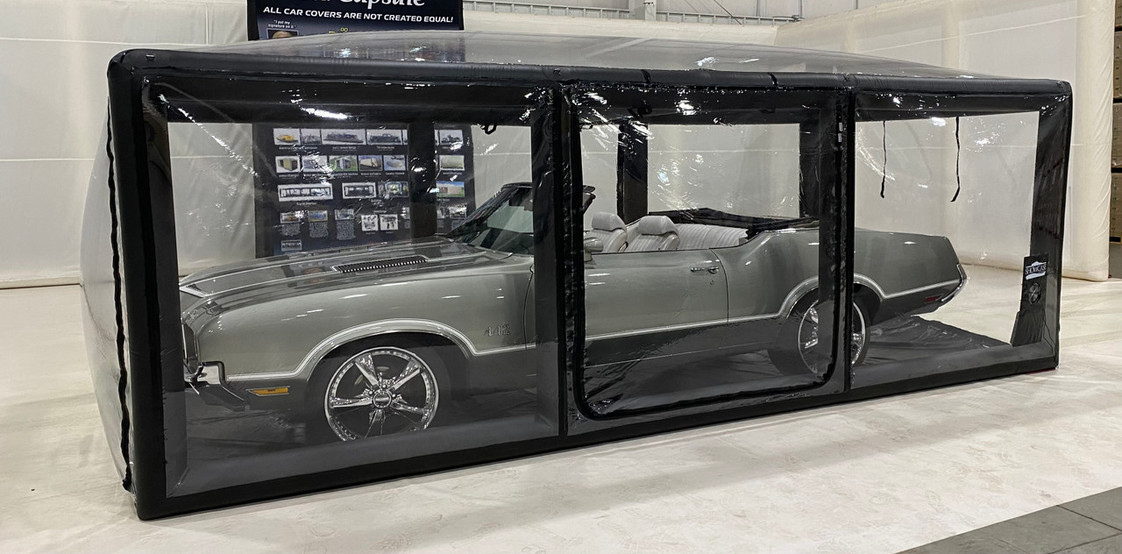
Proper storage is central to how to prevent rust on a classic car. A good garage protects the car from rain, but it should also control humidity and allow air to move.
Use these storage practices:
• Park on a clean, dry surface.
• Use a breathable, correctly fitted car cover.
• Keep the cover off a dirty or wet car.
• Use a dehumidifier or desiccant when needed.
• Add a small fan for gentle air circulation.
• Keep the vehicle away from lawn equipment, wet concrete, and open doors during storms.
• Do not store cardboard, damp rugs, or wet tools beside the car.
A plastic tarp placed directly over a car can trap condensation. This is especially risky when temperatures change from day to night.
Check a garage hygrometer to measure relative humidity. The ideal level depends on the building and climate, but keeping humidity moderate and avoiding long periods of damp air is the main goal. In a very humid region, a dehumidifier may be more useful than a heater.
If you store the car for months, inspect it every few weeks. Look under the cover, check for condensation, and confirm that no drain hole is blocked.
Prepare a Classic Car for Winter Storage
Winter storage requires more than parking the car and covering it. Salt and moisture left on the body can continue to cause corrosion while the car sits.
Before storage:
Wash the body, wheels, wheel wells, and underside.
Dry all seams, drains, and openings.
Repair paint chips and exposed metal.
Apply wax or paint sealant.
Lubricate door, hood, and trunk hinges as directed.
Change contaminated engine oil if the manufacturer or storage plan calls for it.
Check coolant protection in cold climates.
Inflate tires to the recommended storage pressure.
Place the car on a dry surface.
Use a breathable cover.
Fuel stabilizer may help during long storage, but follow the product directions and run the engine only when it can reach full operating temperature. Short starts can create condensation in the engine and exhaust system.
Avoid setting a classic car on bare soil, grass, or damp concrete. These surfaces can increase moisture around the underside.
When spring arrives, inspect the car before driving. Check the brakes, tires, battery, fluids, and underbody. Rust prevention does not replace a safety inspection.
Protect a Classic Car in Coastal and Cold Climates
Climate changes the best rust prevention plan. A car in Arizona may face dry air but still suffer from dust, paint damage, and occasional water exposure. A car near the Atlantic coast faces salt air and high humidity. A car in the Midwest may encounter road salt and wet snow.
In coastal areas:
• Rinse salt air residue from the car more often.
• Inspect fasteners, chrome, and hidden seams.
• Keep garage humidity under control.
• Use cavity wax and a renewable underbody film.
In snowy areas:
• Avoid salted roads when possible.
• Wash the underside after any winter drive.
• Do not store the car while salt residue remains.
• Inspect brake lines, frame rails, and rocker panels.
In dry regions:
• Repair chips before rare rainstorms.
• Protect rubber seals from drying and cracking.
• Watch for dust packed into seams and vents.
There is no perfect rustproofing schedule for every owner. Driving frequency, storage, road conditions, and the car’s past repairs all matter. A monthly inspection is a sensible starting point, but a coastal daily driver may need attention every week.
Common Rust Prevention Mistakes to Avoid
Even careful owners can create problems with a well-meant repair. These mistakes appear often in classic car restoration.
Covering rust with paint
Paint can hide corrosion for a short time, but it does not stop rust beneath the surface. Remove the damaged material first.
Spraying over dirt
Dirt and salt under a coating continue to hold moisture. Clean and dry the surface before applying protection.
Blocking drain holes
A sealed cavity with no drainage can become a rust chamber. Find and clear the original drains.
Ignoring the back side of panels
The visible exterior may look perfect while the inner surface is corroding. Inspect both sides whenever trim or panels are removed.
Using household oils or random chemicals
Some products damage rubber, wiring, paint, or brakes. Use products made for automotive corrosion protection.
Washing without drying
Water left in seams can be as harmful as water from rain. Use air or towels to dry hidden areas.
Trusting a thick undercoating
A heavy coating may hide rust from future inspections. Apply it only after the metal has been checked and prepared.
Delaying small repairs
A tiny chip is cheap to fix. A rusted quarter panel, floor, or frame section is not. Early action is the best investment.
A Simple Rust Prevention Schedule
A schedule makes how to prevent rust on a classic car easier to follow. It also turns rust control into a habit instead of an emergency.
After every wet or salty drive
• Rinse the underside and wheel wells.
• Dry the car fully.
• Check for trapped mud and leaves.
Every month
• Inspect paint chips and bubbles.
• Check door, trunk, and hood drains.
• Look at rocker panels and wheel arches.
• Check the garage for condensation.
Every three to six months
• Wash the underside in detail.
• Renew wax or paint sealant as needed.
• Inspect cavity protection and underbody coatings.
• Remove trim only when inspection suggests a hidden problem.
Once a year
• Inspect the car on a lift if possible.
• Check frame rails, floor pans, body mounts, and brake lines.
• Reapply cavity wax where protection has dried or washed away.
• Review storage and humidity control.
This plan is flexible. A car that stays in a dry garage may need less frequent treatment. A car driven in rain, snow, or salt needs more frequent care.
Frequently Asked Questions About How to Prevent Rust on a Classic Car
What is the best way to prevent rust on a classic car?
The best method is a combination of regular washing, complete drying, paint protection, cavity protection, good drainage, and dry storage. No single spray or coating can replace inspection and proper repairs.
Should I drive my classic car in the rain?
You can drive it in the rain if the car is well sealed and you dry it afterward. Avoid storing it wet, and inspect the underside if the roads contain salt or heavy dirt.
Does waxing prevent rust on a classic car?
Wax helps protect painted surfaces by reducing water and dirt contact. It cannot stop rust that already exists beneath the paint or inside a body cavity.
Is rustproofing oil safe for a classic car?
Rustproofing oil can protect clean, lightly oxidized metal and hidden cavities. Keep it away from brake parts, belts, exhaust components, tires, and areas that require a dry friction surface.
Can I use undercoating over surface rust?
It is better to remove loose rust and scale before applying undercoating. Sealing dirty or active corrosion can trap moisture and make the problem difficult to detect.
How often should I inspect my classic car for rust?
Inspect it at least once a month during humid or wet seasons. Check it more often if you drive on salted roads, live near the coast, or store the car in a damp garage.
Is surface rust on a classic car serious?
Surface rust may be minor when the steel remains solid, but it can spread under paint and turn into scale or holes. Treat it early and inspect the surrounding metal.
Conclusion
Learning how to prevent rust on a classic car is mostly about control: control moisture, remove salt, protect paint, keep cavities dry, and inspect hidden areas. Wash the car with care, clear every drain, repair chips early, and use coatings only on clean, prepared metal.
A classic car does not need to live in a museum to stay healthy. It needs consistent attention and a storage space that does not feed corrosion. Start with one inspection today, create a simple maintenance schedule, and protect the metal before rust becomes part of the restoration bill. Share your own rust prevention tips or explore more classic car care guides to keep your favorite vehicle on the road.