

Vacuum, spot-treat, gently scrub, and dry cloth car seats fully to remove dirt without damaging the fabric.
Learning how to clean cloth car seats is easier when you use the right order and the right amount of moisture. As someone who has cleaned everything from coffee spills to muddy child seats, I have found that slow, gentle work gives better results than soaking the upholstery. This guide explains safe products, stain methods, drying tips, common mistakes, and ways to keep your car seats fresh for longer.
:max_bytes(150000):strip_icc()/how-to-clean-cloth-car-seats-4693504-01-B-550a4fe9d4a340b2b13b276ac06af6c8.jpg)
What You Need to Clean Cloth Car Seats
Before you start, check your vehicle owner’s manual. Some seats have special coatings, built-in heating elements, side airbags, or delicate trim that needs extra care. The manual may also list cleaning products approved by the vehicle maker.
Gather these supplies:
• A vacuum with a crevice tool
• Two or three clean microfiber cloths
• A soft interior brush or soft toothbrush
• A bucket of warm water
• Mild dish soap or an automotive upholstery cleaner
• A spray bottle
• Clean white towels
• A soft sponge
• Baking soda for odors
• A fan, if available
Use white or light-colored cloths when possible. Dark towels can transfer dye to light fabric, especially when they are wet.
Avoid bleach, strong solvents, ammonia, rough brushes, and large amounts of water. These products can fade cloth, weaken fibers, or leave a sticky residue.

How to Clean Cloth Car Seats Step by Step
The safest way to clean cloth car seats is to work from dry cleaning to light damp cleaning. This keeps dirt from turning into mud and helps the seats dry faster.
1. Remove loose items
Take out floor mats, toys, papers, child seats, and other items. Move the front seats forward and backward so you can reach hidden dirt.
If you have a child safety seat, clean it according to its manual. Do not use harsh chemicals on the straps unless the manufacturer allows them.
2. Vacuum the seats well
Vacuum the entire seat surface, including:
• Seat cushions
• Seat backs
• Seams
• Creases
• The gap between the seat and center console
• The area under the front edge
Use the crevice tool around seams. Dirt in these areas acts like sandpaper when you scrub. Removing it first makes the rest of the job safer and easier.
3. Test the cleaner
Mix a small amount of mild soap with warm water, or prepare an upholstery cleaner as directed on the label. Test it on a hidden area beneath the seat or near the back edge.
Wait several minutes. Check for color loss, water marks, rough texture, or fabric bleeding. If the test area changes, stop and choose a different cleaner.
4. Apply cleaner sparingly
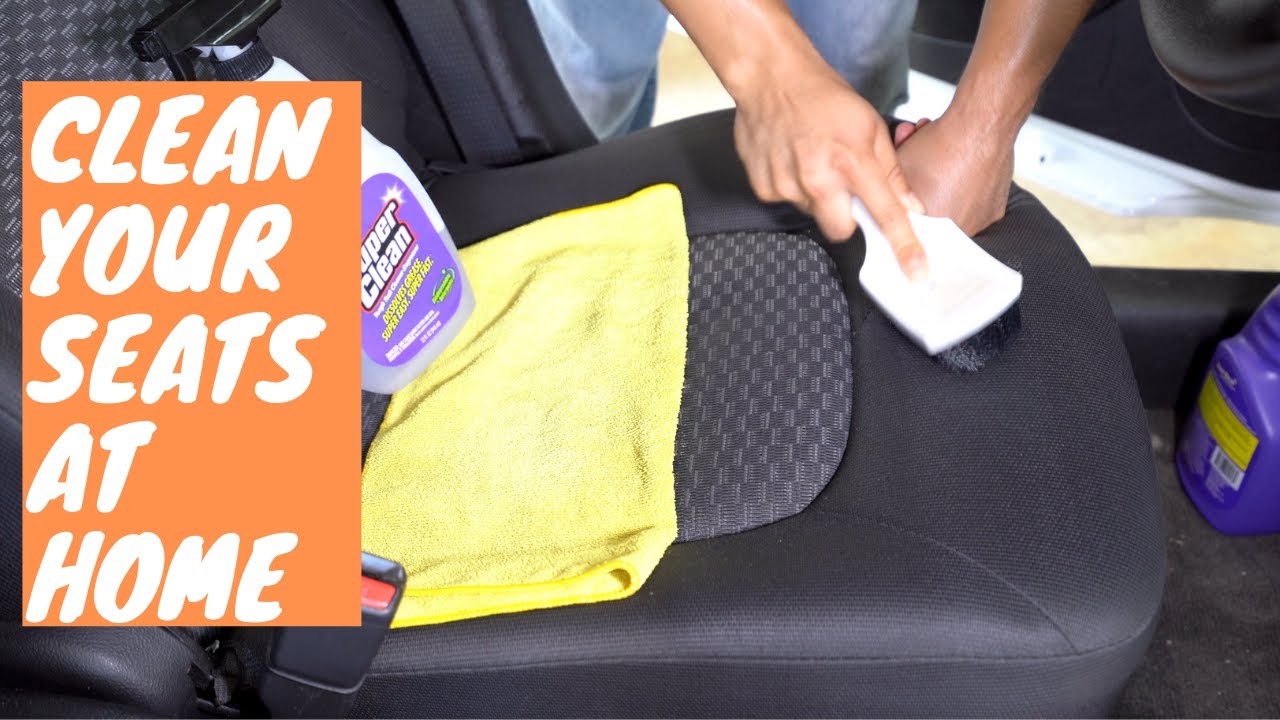
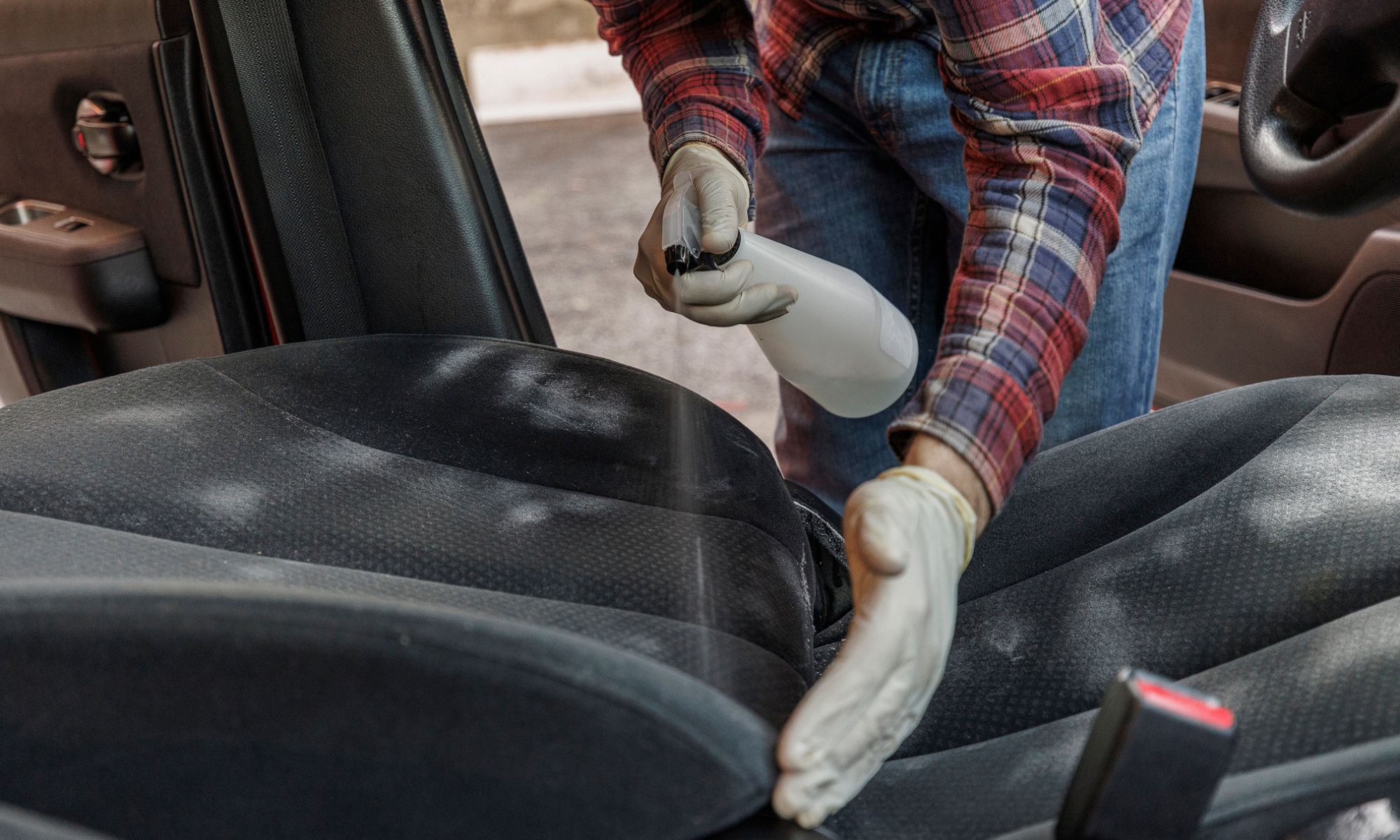
Do not spray the seat until it is soaked. Spray the cleaner onto a cloth or brush instead of directly onto the upholstery when possible.
Work on one small section at a time. A section about the size of a hand is easy to control and prevents the cleaner from drying unevenly.
5. Scrub gently
Use a soft brush in small circles. Let the cleaner loosen the dirt rather than forcing it deep into the fabric.
For most cloth car seats, light pressure is enough. Hard scrubbing can push stains deeper and may cause the fabric to pill or fray.
6. Remove the residue
Wipe the area with a clean, slightly damp microfiber cloth. Rinse the cloth often in clean water and wring it out well.
This step matters because soap left behind can attract more dust. Think of residue as a thin layer of glue that catches new dirt.
7. Dry the seats completely
Press dry towels onto the damp area to absorb extra moisture. Open the doors or windows and use a fan if you can.
Never leave the car closed while the seats are wet. Poor airflow can cause a musty odor and may support mold growth. The seats should feel dry before you use the vehicle normally.

How to Remove Common Cloth Car Seat Stains
Different stains need different treatment. First remove any solid material with a spoon or dull edge. Do not rub a fresh spill, since rubbing spreads it across more fibers.
Coffee and soda stains
Blot the spill with a dry towel. Then use a small amount of mild soap mixed with warm water.
Work from the outside of the stain toward the center. This helps prevent a dark ring from forming around the cleaned area. Wipe with plain water afterward to remove soap.
Grease and oil
Gently lift excess grease with a paper towel. Apply a small amount of upholstery cleaner made for greasy stains, and follow the label directions.
Do not pour water onto an oil stain. Water alone will not dissolve grease and can spread the mark.
Ink
Ink can be difficult to remove without affecting the fabric color. Avoid rubbing alcohol unless the seat maker or cleaner label says it is safe.
Test any product in a hidden place first. Use small dabs, replace the cloth as ink transfers, and stop if the fabric color changes.
Milk and other dairy spills
Milk can look clean after drying but still leave a strong odor. Blot the spill, clean the area with mild soap and water, then wipe away all residue.
Dry the seat quickly. If the smell remains, an enzyme upholstery cleaner may help, but it should be tested first and used exactly as directed.
Vomit or other biological stains
Wear disposable gloves and remove solid material carefully. Clean the area with an upholstery product labeled for this type of contamination.
Ventilate the vehicle well. If the spill soaked into the foam, surface cleaning may not remove the odor completely, and professional extraction may be needed.
Mud
Let thick mud dry first. Vacuum the loose dirt, then use a damp cloth and mild cleaner for the remaining mark.
Cleaning wet mud often pushes it deeper into the seat. Patience saves time here.
How to Remove Odors From Cloth Car Seats
Odors often come from food, spilled drinks, sweat, moisture, smoke, or bacteria trapped below the surface. Masking the smell with an air freshener does not solve the source.
Start by vacuuming the seats and removing trash from the cabin. Clean visible spills, wipe nearby plastic surfaces, and check under the seats. Odors can travel, so cleaning only one small spot may not be enough.
For a light smell, sprinkle a thin layer of baking soda over dry cloth seats. Let it sit for several hours, then vacuum it completely. Do not use baking soda on wet fabric, and avoid leaving powder near seat controls or electrical parts.
If the odor remains after cleaning, the liquid may have reached the foam. A professional upholstery extractor can remove more moisture and soil than surface wiping. However, extraction must be followed by thorough drying.

How to Clean Cloth Car Seats Without a Machine
You do not need a carpet cleaner to clean cloth car seats. Hand cleaning works well for fresh spills and light soil.
Use this simple method:
Vacuum the seat carefully.
Mix a small amount of mild soap with warm water.
Dip a soft brush into the mixture.
Wring the brush so it is damp, not dripping.
Work in small sections.
Wipe each section with a clean damp cloth.
Press dry towels onto the fabric.
Leave the doors or windows open until the seat is fully dry.
A machine can help with deeply soiled seats, but too much water creates a new problem. Wet foam dries slowly and may develop a musty smell. If you use an extractor, make several dry passes after the cleaning pass.

How Often Should You Clean Cloth Car Seats?
The best schedule depends on use, weather, passengers, and pets. A car used for commuting may need a light vacuum every one to two weeks and a deeper clean every few months.
Clean cloth car seats sooner when:
• A drink or food spills
• Mud or salt gets tracked inside
• Pets ride in the vehicle
• Children use the back seat
• The car smells damp
• You notice visible stains
• Someone has been sick in the car
Quick action prevents stains from bonding with the fabric. In my experience, a five minute cleanup after a spill often prevents an hour of scrubbing later.
Mistakes to Avoid When Cleaning Cloth Car Seats
Many seat cleaning problems come from using too much product or water. Avoid these common mistakes.
Soaking the upholstery
Cloth seats have padding beneath the surface. When water reaches the foam, it can take a long time to evaporate. Excess moisture may also affect seat sensors, wiring, or heating components.
Skipping the vacuum
Scrubbing loose grit into fabric can create wear. Always vacuum first, even when the seat looks only slightly dirty.
Using a stiff brush
A stiff brush may roughen the fabric and create fuzzy patches. Choose a soft upholstery brush and use light pressure.
Mixing cleaning chemicals
Never mix bleach, ammonia, vinegar, or commercial cleaners unless the product directions clearly allow it. Chemical mixtures can release harmful vapors or damage the fabric.
Ignoring the owner’s manual
Modern seats may contain side airbag systems, pressure sensors, heating elements, and occupancy sensors. Do not remove seat covers or spray near electrical connectors.
Closing the car too soon
A seat that feels dry on top may still be damp inside. Give it plenty of airflow and time before closing the vehicle.
Scrubbing a stain in every direction
Random scrubbing can spread a stain. Use controlled strokes from the outside toward the middle, then blot instead of rubbing.
When to Hire a Professional Detailer
Professional cleaning is useful when dirt has reached the seat foam or when a stain covers a large area. It may also be the best choice after flooding, heavy smoke exposure, or a major biological spill.
Consider professional help when:
• The odor returns after several cleanings
• The seat stays damp for more than a day
• There is visible mold
• The fabric has large water rings
• The stain came from ink, oil, or chemicals
• The seat contains complex electrical parts
Ask the detailer what cleaning method will be used and how the vehicle will be dried. A good professional should explain the products, protect electronic areas, and avoid over-wetting the seats.
Cleaning cannot always restore fabric to its original condition. Sun damage, permanent dye transfer, torn fibers, and old oil marks may need repair or replacement instead.
Tips for Keeping Cloth Car Seats Clean
Regular care makes deep cleaning much easier. You do not need to wait until the seats look dirty.
Try these habits:
• Vacuum the seats every few weeks.
• Keep a small towel in the car for fresh spills.
• Use a covered container for drinks and snacks.
• Remove wet coats, towels, and sports gear promptly.
• Brush pet hair before vacuuming.
• Clean muddy shoes before passengers enter.
• Use seat covers only when they are approved for your vehicle’s side airbags.
• Park in the shade when possible to reduce fading.
• Clean spills as soon as they happen.
Do not use unapproved seat covers on seats with side airbags. A cover can interfere with deployment and create a safety risk. Always choose a product designed for your specific vehicle.
Frequently Asked Questions About How to Clean Cloth Car Seats
What is the best cleaner for cloth car seats?
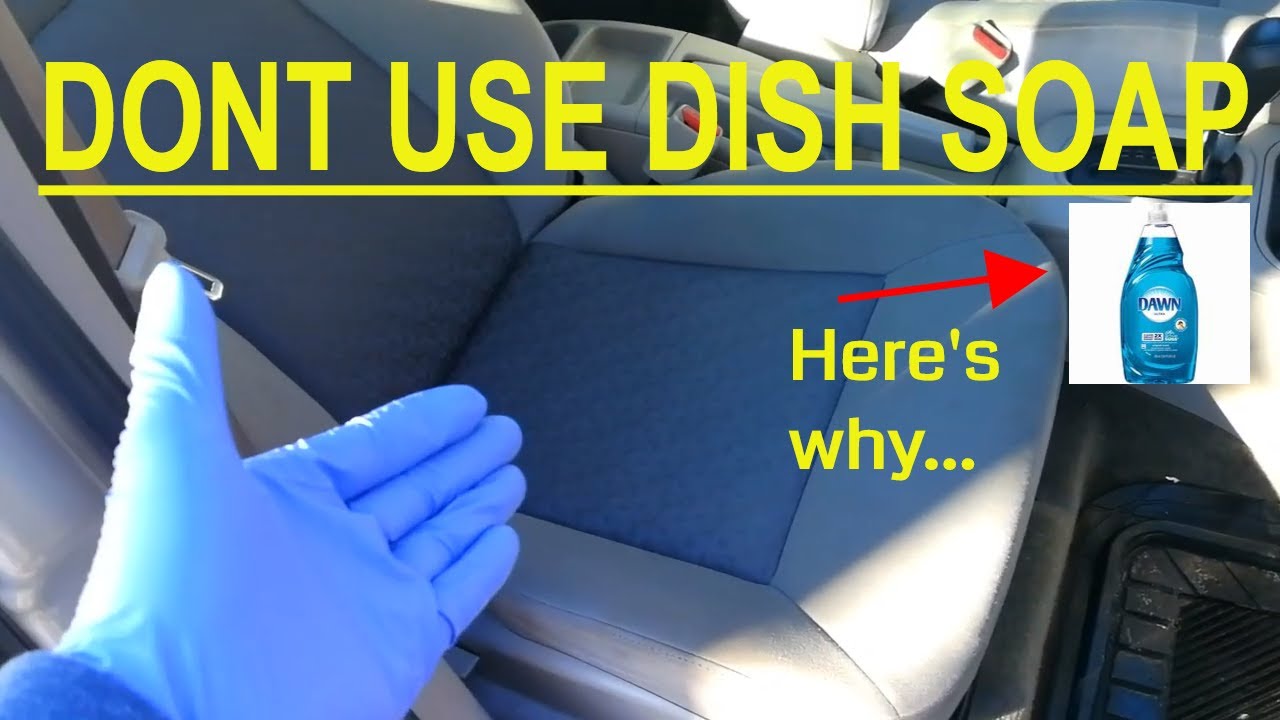
A mild upholstery cleaner or a small amount of gentle dish soap diluted in water is suitable for many cloth seats. Always read the vehicle manual and test the product on a hidden spot before cleaning the visible area.
Can I use vinegar to clean cloth car seats?
Diluted vinegar may help with some odors, but it is not safe for every fabric or finish. Test it first, use very little liquid, and never mix vinegar with bleach or ammonia.
Can I use a steam cleaner on cloth car seats?
Steam can loosen dirt, but high heat and moisture may damage adhesives, sensors, foam, or fabric coatings. Use steam only when the seat maker allows it, and keep the tool moving rather than holding it in one place.
How do I dry cloth car seats after cleaning?
Press clean towels onto the seats, open the doors or windows, and use a fan to improve airflow. Do not close the car until the padding feels fully dry, since trapped moisture can cause odors.
How do I clean cloth car seats with old stains?
Vacuum first, test a suitable upholstery cleaner, and treat the stain in several gentle rounds. Old stains may be permanent, especially if they contain oil, dye, or bleach damage.
Is baking soda safe for cloth car seats?
Baking soda is generally useful for light odors when applied to dry fabric. Use a thin layer, keep it away from controls and openings, and vacuum every grain from the seat afterward.
How often should I deep clean cloth car seats?
Many vehicles benefit from a deeper cleaning every few months, but high use may require it more often. Clean fresh spills right away instead of waiting for the next scheduled cleaning.
Conclusion
Learning how to clean cloth car seats does not require expensive equipment. Vacuum first, use a gentle cleaner, control moisture, treat stains based on their type, and dry the fabric completely. Always test products, protect electrical parts, and follow the vehicle manual.
Start with one seat and a small hidden test area today. A few careful minutes can make the cabin look fresher, smell better, and stay cleaner. For more practical car care tips, explore related guides or share your own seat cleaning results in the comments.