

You can remove spray paint from a car with soap, clay, solvent, polish, or professional paint correction.
If you are wondering how can you get spray paint off a car without ruining the original finish, the safest answer depends on where the paint landed, how long it has dried, and whether it bonded to the clear coat. This guide explains tested removal methods, common mistakes, safety steps, and when professional help is the smarter choice.
What to Know Before Removing Spray Paint From a Car
Spray paint is usually an unwanted layer sitting above the car’s factory paint. That is good news. In many cases, you can remove it without repainting the panel.
However, the original finish may already have damage beneath the spray paint. Overspray can also contain solvents that soften clear coat, especially on older or poorly maintained vehicles. Your goal is to remove the unwanted paint while disturbing as little of the factory finish as possible.
The right method depends on several factors:
• Whether the spray paint is fresh or fully cured
• Whether it is water-based, enamel, lacquer, or automotive paint
• Whether the paint is on metal, plastic trim, glass, or rubber
• How thick the paint is
• Whether the car has a healthy clear coat
• Whether the paint covers a small spot or an entire panel
A simple rule helps: start with the mildest method and increase strength only when needed. Think of it like removing a sticker from glass. You would not begin with a razor if warm water might work.

Safety Steps Before You Start
Before learning how can you get spray paint off a car, prepare the work area. Work outdoors or in a well-ventilated garage with the doors open. Many paint removers and solvents produce vapors that can irritate your eyes, skin, and lungs.
Wear chemical-resistant gloves and safety glasses. Keep the car away from cigarettes, heaters, sparks, and open flames. Read the product label before using any solvent, because some products can damage plastic, rubber, or automotive clear coat.
Wash your hands after the job. Do not mix cleaning chemicals. Also, never use a product on the whole vehicle before testing it on a hidden area.
You will usually need:
• Two buckets of clean water
• Car wash soap
• Microfiber towels
• A soft wash mitt
• Automotive clay bar or synthetic clay towel
• Clay lubricant
• Isopropyl alcohol diluted with water
• Automotive adhesive or tar remover
• A dual action polisher or hand polish
• Automotive wax or paint sealant
• Nitrile gloves and eye protection
Avoid household products such as strong paint stripper, acetone, lacquer thinner, gasoline, and abrasive kitchen cleaners. They may remove the spray paint, but they can also stain trim, soften clear coat, or strip the vehicle’s protective layer.

Method 1: Wash Off Fresh Spray Paint
Fresh spray paint is the easiest type to remove. If the paint is still wet or tacky, do not rub it aggressively. Rubbing can spread the pigment across a larger area and create more work.
First, rinse the panel with cool, clean water. Then mix car wash soap in a bucket according to the label. Use a soft microfiber mitt and gently wash from the cleanest area toward the painted area.
Rinse the mitt often. Use a separate bucket for rinsing so dirt does not scratch the surface. Dry the area with a clean microfiber towel.
If some spray paint remains, repeat the wash once or twice. Do not scrub with a dry towel. Dry friction can act like fine sandpaper.
Fresh paint may also respond to a small amount of automotive tar and adhesive remover. Apply it to a microfiber towel, not directly to the entire panel. Wipe a small section, then wash and dry the area.
This method works best when the spray paint has not cured. Once it hardens, soap alone usually cannot break the bond.

Method 2: Use a Clay Bar for Light Overspray
An automotive clay bar is one of the safest ways to remove light overspray from a car’s painted surface. It does not dissolve the paint. Instead, it pulls tiny bonded particles from the surface.
Start by washing and drying the vehicle. Never clay a dirty panel because trapped grit can create scratches. Spray a generous amount of clay lubricant on a small area.
Flatten the clay into a thin pad. Move it lightly across the surface in straight lines. You may feel roughness at first. When the area becomes smooth, wipe it with a clean microfiber towel.
Fold the clay often to expose a clean surface. If the clay falls on the ground, throw it away. Small grains of sand can create visible scratches.
A clay bar works well for:
• Fine spray paint mist
• Road tar
• Industrial fallout
• Tree sap residue
• Small bonded particles
It may not remove thick paint drips or heavily cured graffiti. Do not press harder when the clay stops working. Pressure can increase marring without improving paint removal.
After claying, the surface may look dull or show light marks. This is often called clay marring. A mild polish can usually improve it.

Method 3: Try Isopropyl Alcohol Carefully
Diluted isopropyl alcohol can help soften some fresh or lightly cured spray paint. It is also useful for removing residue after clay treatment.
Mix one part isopropyl alcohol with one part clean water for an initial test. Spray the mixture onto a microfiber towel rather than soaking the panel. Wipe a small, hidden spot for a few seconds.
Check the paint for color change, hazing, stickiness, or dullness. If the finish looks normal, work on a small section of the affected area. Wipe gently, then wash the panel with car soap.
Do not let alcohol sit on the surface for a long time. Avoid using it on hot paint or in direct sun. Alcohol can dry quickly and leave marks, especially on neglected or freshly repainted surfaces.
This method is less useful for thick enamel or lacquer spray paint. It is best for light transfer and small areas, not large-scale removal.
When considering how can you get spray paint off a car, always treat alcohol as a test product rather than a guaranteed solution.
Method 4: Use an Automotive Solvent or Tar Remover
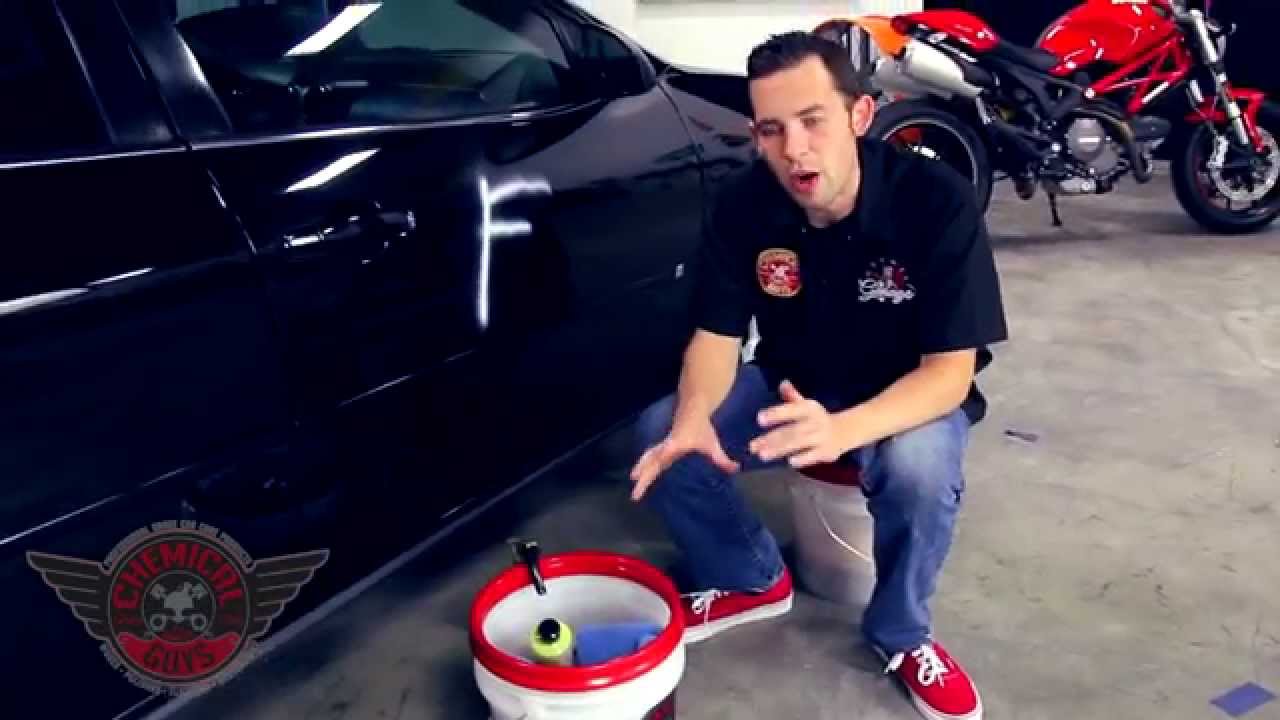
A purpose-made automotive paint-safe solvent may remove tougher spray paint. Look for products labeled for automotive surfaces, adhesive residue, road tar, or overspray. Product labels matter because formulas vary widely.
Apply the remover to a microfiber towel. Gently dab or wipe a small area. Give the product only the dwell time listed on the label. Then wipe away the softened paint and wash the panel.
Repeat with several light applications rather than one long, harsh application. Use a fresh section of the towel as paint transfers onto it. A dirty towel can move dissolved pigment across the panel.
Test carefully on:
• Clear-coated paint
• Matte paint
• Plastic bumpers
• Black trim
• Chrome
• Painted wheels
Matte finishes require special care. Solvents and polishing can create shiny spots that cannot be corrected easily. If the vehicle has a satin or matte finish, contact a specialist before using any chemical remover.
Do not use paint thinner, acetone, or lacquer thinner unless a trained professional confirms that the product is safe for that specific finish. These chemicals can attack clear coat and plastic very quickly.
Method 5: Polish Away Remaining Paint Transfer
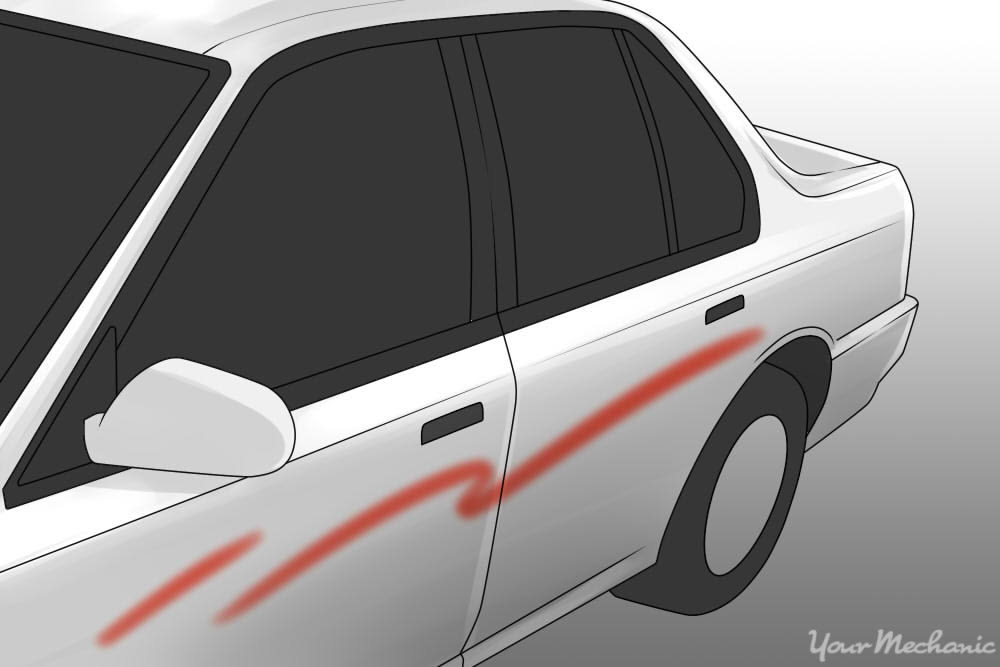
If a thin layer remains after washing, claying, or solvent treatment, polishing may remove it. Polishing uses mild abrasives to level a very small amount of the surface and remove contamination or light marks.
For hand polishing, apply a small amount of finishing polish to a foam applicator. Work on an area no larger than about two square feet. Use moderate pressure and overlapping passes.
Wipe the residue with a clean microfiber towel. Inspect the panel under bright, indirect light. If the spray paint remains, you can repeat the process once or twice.
A dual action polisher can work faster, but it also requires care. Use a soft polishing pad and a mild compound first. Avoid jumping straight to a heavy cutting compound.
Polishing is not the same as sanding. It removes much less material and is safer for small areas. Still, every polishing step reduces a little clear coat. Stop if the panel becomes hot, hazy, or uneven.
A professional detailer can measure paint thickness before aggressive correction. This is especially important on older cars, repainted panels, and edges where clear coat may be thin.

Method 6: Remove Thick Drips With a Professional Approach
Thick spray paint drips are harder than fine overspray. They may need controlled leveling before polishing. This can involve a plastic razor blade, a specialized overspray scraper, wet sanding, or machine correction.
Do not use a steel razor blade on painted body panels. It can cut through the clear coat and leave deep scratches. A plastic blade may be safer, but it still requires lubrication and a very shallow angle.
If a drip is raised above the surface, a professional may carefully reduce the high spot before polishing. Wet sanding with very fine automotive abrasive can work, but it is easy to remove too much clear coat.
Wet sanding is risky because:
• It can expose the base coat
• It can create deep sanding marks
• It can flatten body lines
• It can damage nearby trim
• It may require repainting and blending
For thick paint on a door, hood, roof, or fender, professional correction is often cheaper than repairing a damaged clear coat. A mistake at home can turn a simple cleaning job into a body shop repair.

How to Remove Spray Paint From Plastic, Rubber, and Glass
The same method does not work on every part of a vehicle. Plastic trim and rubber seals can absorb solvents or develop pale stains. Always identify the material before applying a chemical.
For plastic trim, begin with warm water and car soap. Use a soft brush only if the surface has texture. If paint remains, test a plastic-safe automotive cleaner on a hidden spot.
For rubber seals, avoid strong solvents. They can cause swelling, softness, or discoloration. A mild cleaner and repeated gentle wiping are safer.
Glass is more resistant than paint, but it still needs care. Use glass cleaner and a plastic scraper first. A new razor blade can be used on flat glass with plenty of lubricant, but keep it away from window tint, painted edges, and rubber seals.
Never use a razor on the painted body of the car. The glass and paint have very different levels of hardness and protection.
If spray paint landed on headlights, test any solvent with caution. Some headlight lenses have a protective coating that can haze or peel. A professional headlight restoration service may be the safer option.
What Not to Use on Car Paint
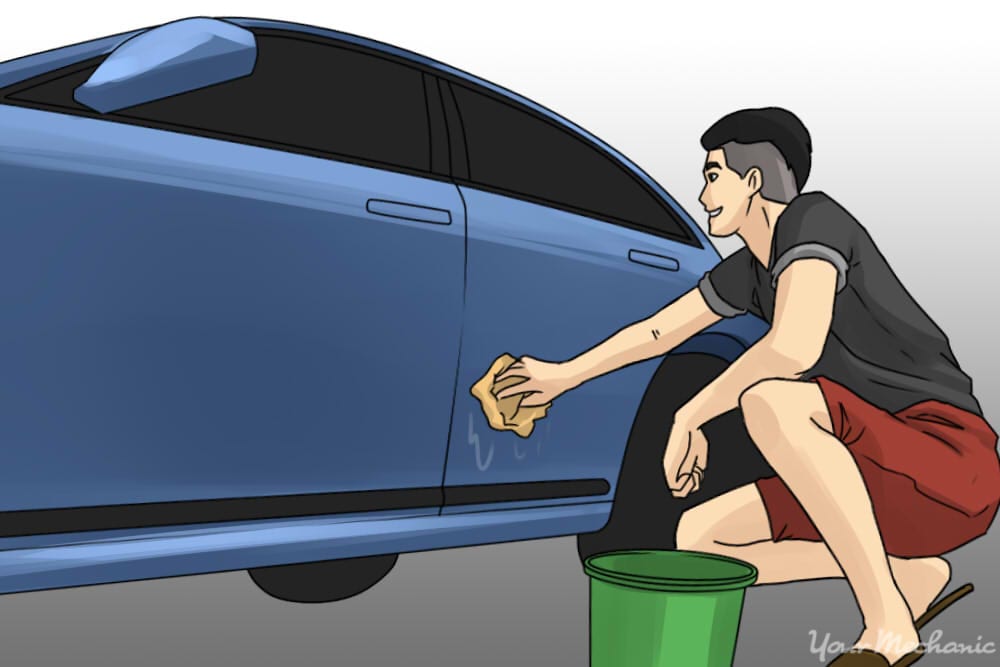
Many online tips recommend harsh household chemicals. Some may appear to work, but they can cause damage that shows up days or weeks later.
Avoid these products on automotive paint unless a trained professional approves them:
• Acetone
• Lacquer thinner
• Paint stripper
• Nail polish remover
• Gasoline
• Brake cleaner
• Oven cleaner
• Abrasive powder cleaner
• Melamine foam
• Steel wool
These products can soften clear coat, stain plastic, remove wax, or dull the finish. Melamine foam is especially risky because it works as a very fine abrasive. It may remove paint transfer while also creating a dull patch.
Pressure washing also deserves caution. A pressure washer may remove loose paint from a damaged panel, but it can lift clear coat, damage emblems, or force water behind trim.
The safest answer to how can you get spray paint off a car is not the strongest chemical. It is the least aggressive method that solves the problem.
A Safe Step-by-Step Removal Process
Use this process for light or moderate overspray on a healthy, glossy clear coat.
Move the car into shade and let the surface cool.
Rinse away loose dirt and dust.
Wash the panel with car soap and a clean microfiber mitt.
Dry the panel with a soft towel.
Test a mild method on a hidden area.
Try clay and lubricant for light bonded overspray.
Use a paint-safe automotive solvent for remaining residue.
Wipe the area clean after each short application.
Polish lightly if the surface has haze or paint transfer.
Wash the panel again.
Apply wax or paint sealant after the finish is clean and dry.
Inspect the work in daylight and under a bright work light.
Work slowly. A five-minute test can prevent an expensive repaint. If the surface feels sticky, looks cloudy, or changes color, stop at once and rinse it with clean water.
After removing spray paint, the panel may have lost wax or sealant. Reprotect it with a compatible product. Wax will not repair clear coat damage, but it can restore short-term protection and improve gloss.
When You Should Call a Professional
Some spray paint jobs are too risky for home treatment. Call a reputable auto detailer or body shop when the paint covers a large panel, has been baked by the sun, or appears to have damaged the clear coat.
Professional help is also wise when:
• The car has matte or satin paint
• The vehicle has a custom finish
• The panel was recently repainted
• The spray paint is thick and fully cured
• The original paint is peeling
• You see cracking, bubbling, or discoloration
• The paint reaches deep scratches
• You cannot identify the spray paint type
• The panel contains delicate plastic trim
Ask the professional whether they plan to clay, chemically remove, polish, wet sand, or repaint the area. A clear explanation usually signals careful work.
A good detailer should inspect the finish before promising a result. Some spray paint can be removed completely. In other cases, the clear coat has already been etched, and correction can only improve the appearance rather than restore it perfectly.
Common Mistakes That Make the Damage Worse
The most common mistake is using too much force too soon. People often see spray paint and reach for a rough sponge, abrasive pad, or strong solvent. That can create scratches, stains, and dull patches.
Another mistake is working on a hot panel. Heat speeds up chemical reactions and causes products to dry before they can be wiped away. It also makes the paint more vulnerable.
Other mistakes include:
• Skipping the test spot
• Using one dirty towel for the whole panel
• Letting solvent dry on the paint
• Scrubbing in circles with grit on the surface
• Using a metal scraper
• Polishing before washing
• Sanding without measuring paint thickness
• Applying wax before removing all residue
• Ignoring plastic and rubber nearby
In my experience with paint correction problems, patience prevents more damage than any special product. The person who spends a few minutes testing usually gets a better result than the person who rushes with the strongest cleaner.
How to Protect the Car After Removal
Once the spray paint is gone, wash the panel again with pH-balanced car soap. Check for roughness by gently sliding a clean plastic bag over the dry surface. If it feels gritty, more clay treatment may be needed.
Inspect the area from several angles. Look for:
• Remaining color transfer
• Haze
• Fine scratches
• Clear coat failure
• Uneven gloss
• Solvent staining
If the finish looks healthy, apply a wax, synthetic sealant, or ceramic coating designed for your paint system. Follow the product instructions and avoid applying protection to a surface that still has solvent residue.
Good prevention also helps. Park away from active construction, cover the vehicle during nearby painting work, and remove fresh overspray as soon as possible. If vandalism caused the damage, photograph the car before cleaning it. Your insurer or law enforcement agency may need that evidence.
Frequently Asked Questions About How Can You Get Spray Paint Off a Car
Can you remove spray paint from a car without damaging the original paint?
Yes, light overspray often comes off with washing, clay, or a paint-safe automotive solvent. The risk increases when the paint is thick, cured, or already bonded to damaged clear coat.
Does WD-40 remove spray paint from a car?
WD-40 may soften some fresh paint and adhesive residue, but it is not a dedicated paint remover. If you try it, test a hidden area, use a small amount, and wash the panel thoroughly afterward.
Will rubbing alcohol remove spray paint from a car?
Diluted isopropyl alcohol can help with light paint transfer and some fresh overspray. Test it first, keep contact brief, and do not use it on hot paint or delicate matte finishes.
Can a clay bar remove dried spray paint?
A clay bar can remove light, bonded overspray from a smooth clear coat. It may not remove thick drips or heavily cured paint, and it must be used with plenty of lubricant.
Is acetone safe for car paint?
Acetone is not a safe first choice for automotive paint. It can soften clear coat, stain plastic, and damage trim, so a paint-safe automotive remover is usually a better option.
Should you use a pressure washer to remove spray paint?
A pressure washer is not a reliable or safe way to remove bonded spray paint from a car. High pressure can lift damaged clear coat, strip trim, and spread contamination.
How much does professional spray paint removal cost?
The price varies with the affected area, paint type, vehicle finish, and required correction. A small overspray cleanup may cost far less than repainting a panel, while thick or damaged paint can require body shop work.
Conclusion
The safest way to get spray paint off a car is to start gently. Wash the area, test a hidden spot, use clay for light overspray, choose an automotive-safe solvent for tougher residue, and polish only when needed.
Avoid harsh household chemicals, metal blades, rough scrubbing, and rushed sanding. If the paint is thick, the finish is matte, or the clear coat looks damaged, professional correction can protect the value and appearance of your vehicle.
Inspect your car carefully, choose the mildest method that works, and protect the finish after removal. If this guide helped, share your experience or explore more vehicle care guides before tackling your next paint problem.
