

In the United States, professional car window tinting usually costs about $150 to $800 for a full vehicle. A basic dyed film may cost $100 to $300. Carbon film often costs $200 to $500. Ceramic film commonly costs $400 to $1,000 or more.
The final price depends on the vehicle size, number of windows, film type, installer, old tint removal, and whether the windshield is included. Your state’s tint law also matters. A low price is not a good deal if the film bubbles, blocks your view, or fails inspection.
This guide explains typical US prices, what changes the quote, how tint types differ, and how to avoid paying for work you cannot legally use.

Average Cost to Tint Car Windows
Most US drivers pay between $200 and $600 for professional tinting on the side and rear windows. A small coupe costs less than a large SUV because it has less glass and takes less labor.
These are useful planning ranges, not fixed national prices. There is no single US price list for window tinting. Local labor rates, film brands, shop demand, and vehicle design can change the quote.
| Vehicle and service | Typical US price range |
|---|---|
| Two front windows | $60–$150 |
| Small coupe, side and rear windows | $150–$350 |
| Sedan, full side and rear windows | $200–$500 |
| SUV or crossover, full side and rear windows | $250–$700 |
| Large SUV or truck | $300–$800 |
| Windshield strip only | $50–$150 |
| Full windshield | $150–$400 |
| Old tint removal | $50–$250 |
| Premium ceramic package | $400–$1,000+ |
Some shops charge by the window. Others use a package price. Ask what the package includes before comparing quotes.
A quote for “full tint” may cover only the side and rear glass. It may not include the windshield, sunroof, tint removal, or a warranty.
Typical cost by tint film
| Film type | Usual full-vehicle price | Main benefit | Main limit |
|---|---|---|---|
| Dyed film | $100–$300 | Lowest cost and reduced glare | May fade sooner |
| Metallic film | $150–$400 | Good heat control | May affect some signals |
| Carbon film | $200–$500 | Stable color and good heat control | Costs more than dyed film |
| Ceramic film | $400–$1,000+ | Strong heat and UV control without metal | Highest price |
| Premium ceramic film | $700–$1,500+ | Higher-end film and shop service | May offer less value for some cars |
These ranges assume professional installation in the US. A mobile installer, luxury vehicle shop, or major city may charge more. A discount shop may charge less, but the lower price can reflect a thinner film, limited warranty, or less careful preparation.
The key point is simple: film type often changes the price more than the color or darkness of the tint.
What Makes Car Window Tinting More or Less Expensive?
The main cost drivers are the car’s glass area, the condition of the windows, the film you choose, and the work included in the package.
Vehicle size and window shape
A two-door coupe may have only four main windows. A three-row SUV may have eight or more pieces of glass. Larger windows require more film and more time.
Curved glass can also raise the price. The installer may need to shrink and shape the film with heat. Rear windows with deep curves can take more skill than flat door glass.
Hard-to-reach glass may cost more as well. Examples include:
- Large rear quarter windows
- Deeply curved hatch glass
- Third-row windows
- Glass with built-in antennas
- Panoramic roofs
- Frameless door windows
Old tint removal
Removing old film is often a separate charge. Removal may cost $50 to $250, depending on the number of windows and the condition of the film.
Old film can peel off in sheets. It can also leave glue behind. Removing adhesive takes extra time. Rear defroster lines need special care because a scraper or harsh tool can damage them.
Ask whether your quote includes:
- Film removal
- Adhesive removal
- Rear defroster protection
- Glass cleaning
- Reinstallation of trim
Do not place new film over damaged, peeling, or badly bubbled tint. The new film may not bond well, and the old defects may remain visible.
Windshield tint
A full windshield often adds $150 to $400. A top strip may add about $50 to $150.
Windshield work needs extra care. The film must not reduce safe vision or violate your state’s rules. Many drivers choose a clear or very light heat-control film instead of a dark windshield tint.
A clear film can still block some ultraviolet light and reduce heat, but the exact performance depends on the product. “Clear” does not mean “legal everywhere.” Check the film’s visible light transmission and your state law.
Sunroof and panoramic roof tint
A sunroof or panoramic roof may add $50 to $200 or more. The price depends on size and access.
Some vehicles already have dark factory glass. Adding film can make the roof much darker than expected. It can also increase heat absorption. Ask the installer to explain the combined result of the factory glass and new film.
Location and installer skill
Prices tend to be higher in large cities and areas with higher labor costs. A shop with a clean indoor bay, trained installers, better tools, and a written warranty may charge more than a temporary or mobile setup.
That higher price can be worthwhile when the shop:
- Uses computer-cut patterns
- Cleans the glass well
- Removes trim safely
- Gives a written warranty
- Explains legal limits
- Allows enough curing time
- Fixes defects under its warranty
A cheap quote is not automatically bad. A high quote is not automatically good. Compare the process, film, warranty, and final coverage.

Dyed, Carbon, Metallic, or Ceramic Tint: Which Is Worth the Price?
For most drivers, carbon film offers a useful middle ground, while ceramic film makes more sense when heat control matters and the higher cost fits the budget.
Dyed window film
Dyed film is usually the least expensive option. It uses dye to create a darker appearance and reduce glare.
It may suit a low-cost vehicle or a driver who mainly wants privacy and a darker look. It can also be a sensible choice when the vehicle is older and the owner does not want to spend several hundred dollars.
The trade-offs include possible fading, color change, and lower heat performance than some newer films. Product quality still varies, so ask about the warranty.
Metallic film
Metallic film uses small metal particles. It can offer good glare and heat control.
Its main concern is signal interference. In some vehicles, metallic film may affect radio, GPS, satellite radio, cell, or keyless-entry signals. Ask the installer about compatibility before choosing it.
Metallic film may also have a reflective appearance. That look may not be allowed in some states.
Carbon film
Carbon film usually costs more than dyed film. It often provides a darker, more stable appearance and better heat control.
It does not use the same metal layer that creates signal concerns in metallic film. Carbon is often a good fit for drivers who want more performance than basic dyed film but do not want ceramic pricing.
The exact result depends on the brand and product line. “Carbon” is not a universal performance standard.
Ceramic film
Ceramic film uses ceramic particles that can filter infrared energy and ultraviolet light. Good ceramic products may reduce cabin heat while remaining nonmetallic.
Ceramic film often costs $400 to $1,000 or more for a full vehicle. It can cost more for a large SUV, a luxury car, or a package with windshield and sunroof coverage.
Ceramic film may be worth the added cost when you:
- Park outside often
- Live in a hot, sunny region
- Drive long distances
- Want a lighter film with useful heat control
- Want to avoid metal-based signal concerns
Ceramic film is not magic. It will not make a parked car cool in direct summer sun. It also cannot correct poor installation. Ask for the exact product name and its published specifications.
Do not compare tint by darkness alone
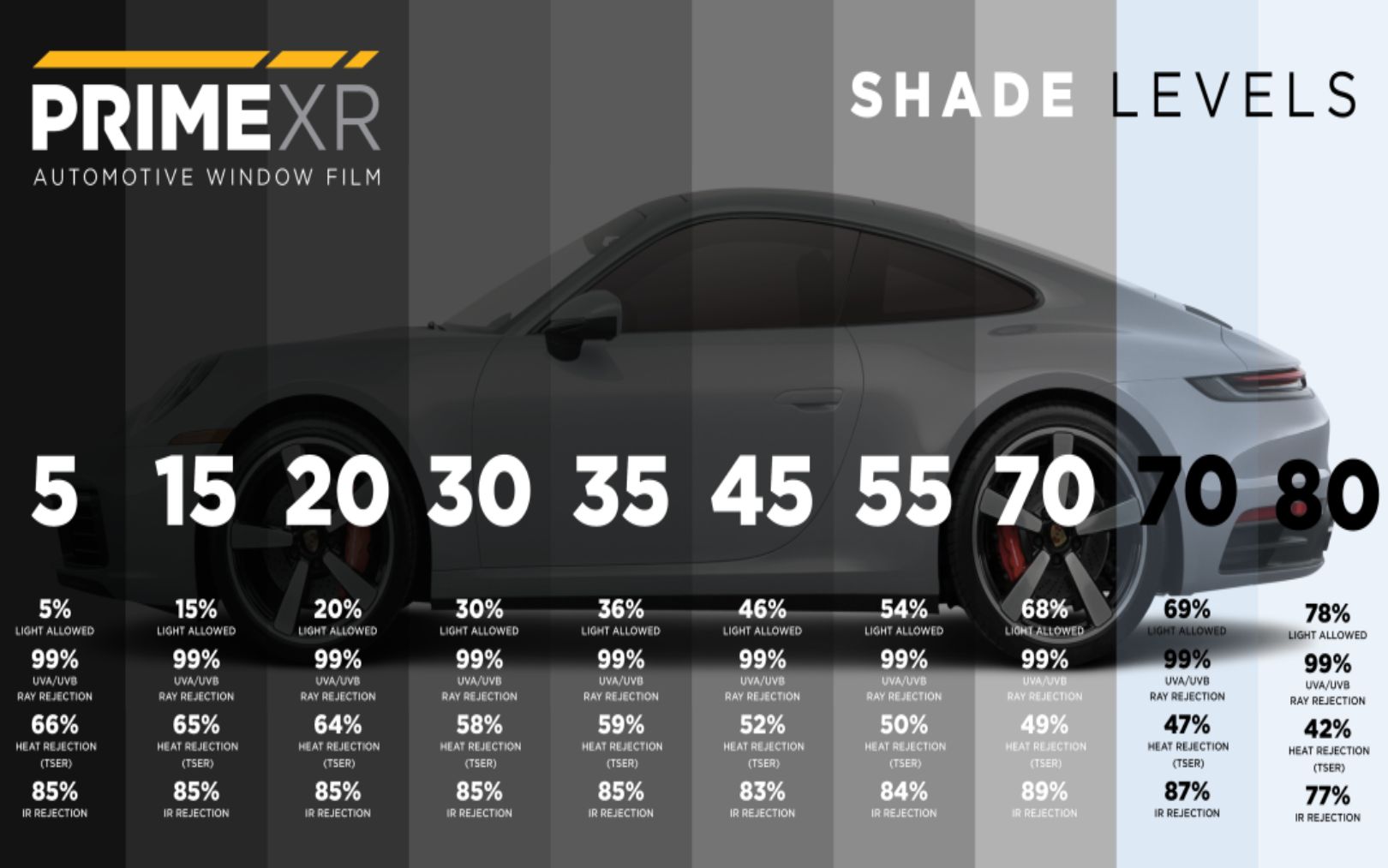
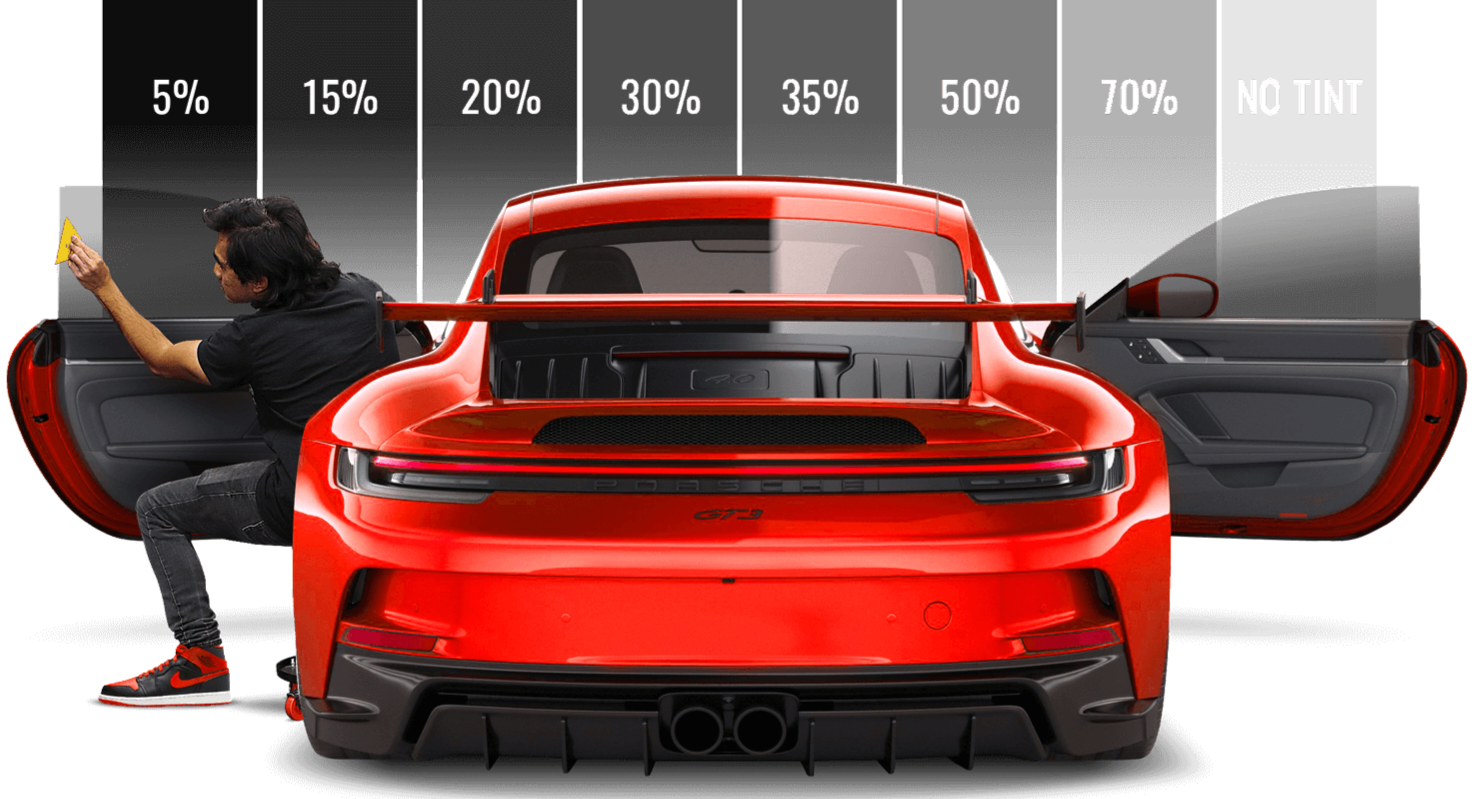
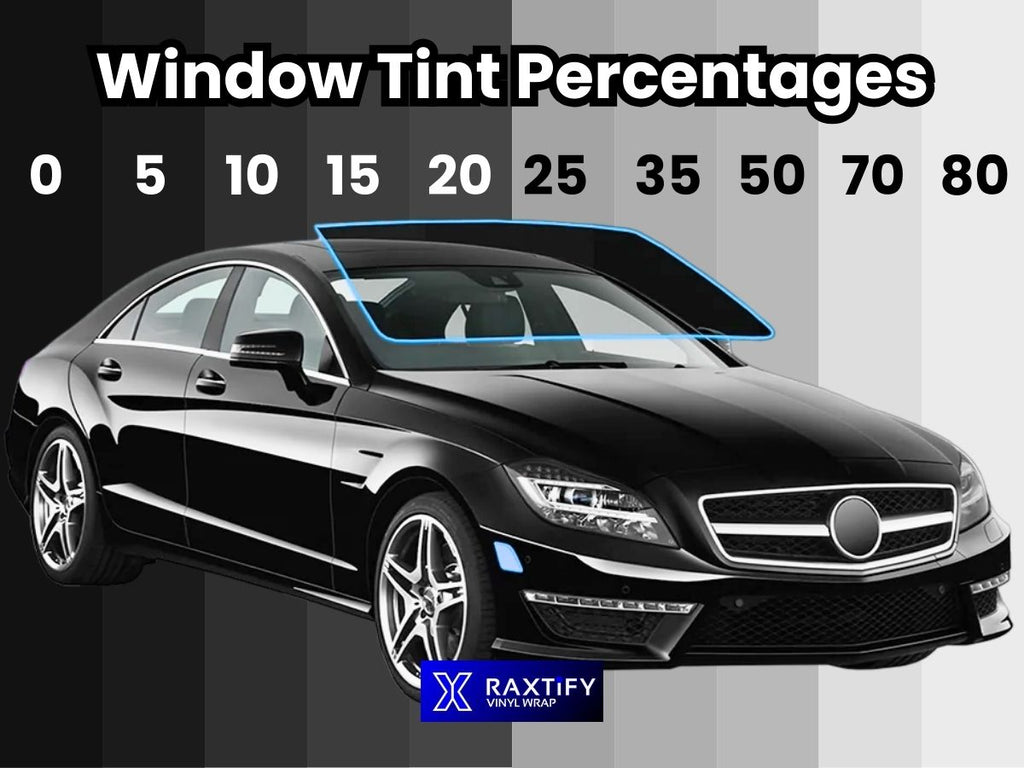
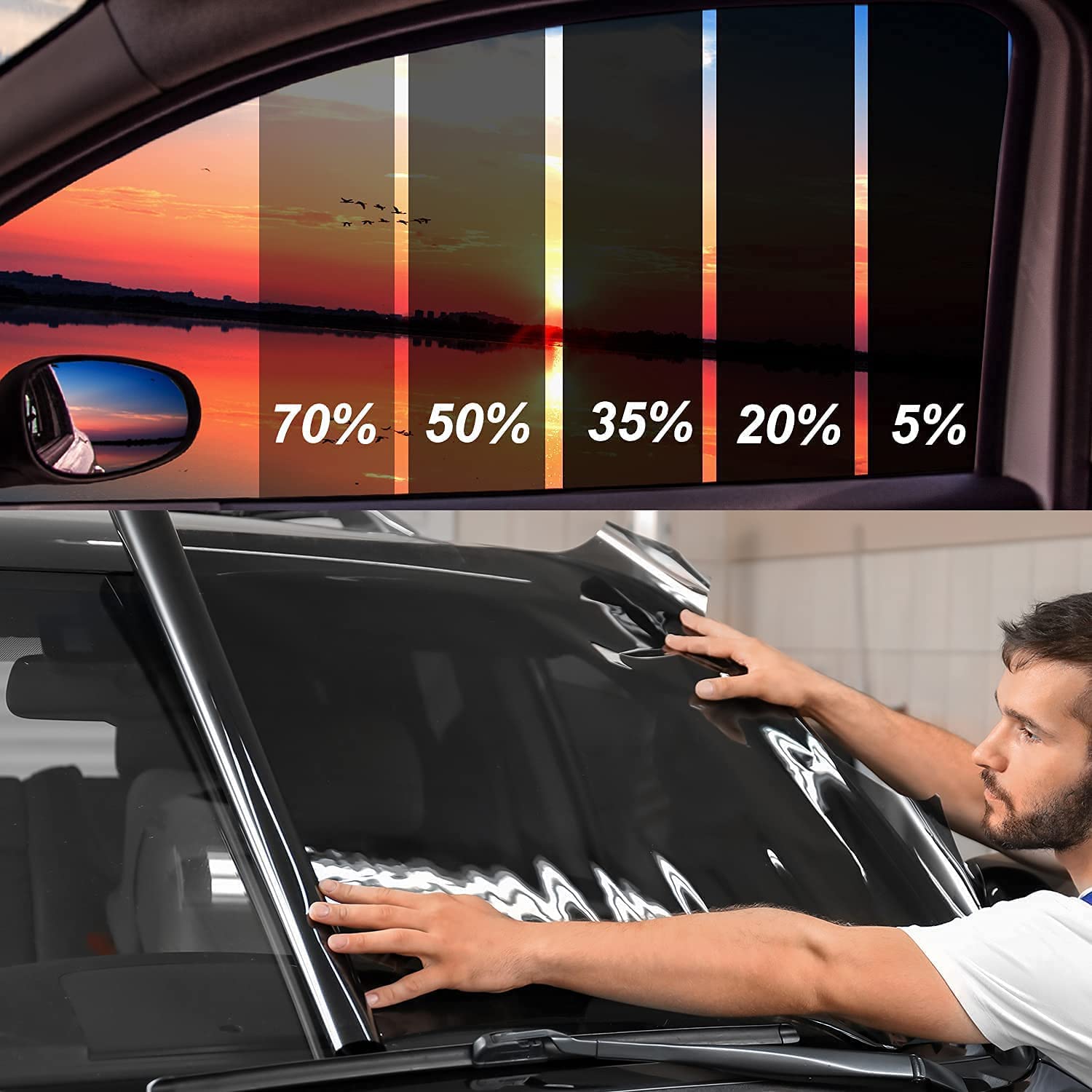
Tint darkness is described by visible light transmission, or VLT. VLT is the share of visible light that passes through the glass and film.
A lower VLT number means darker film:
- 70% VLT is light
- 50% VLT is medium
- 35% VLT is darker
- 20% VLT is very dark
- 5% VLT is often called “limo tint”
The VLT of the finished glass depends on both the film and the original glass. If factory glass already blocks some light, adding 50% film may produce a much darker result than 50% film on clear glass.
Ask the shop to measure the final glass with a tint meter. A film label alone may not show the legal VLT after installation.

How Much Does It Cost to Tint Different Parts of a Car?
The cost changes based on the part of the vehicle being tinted. Many shops sell packages, so individual prices are only rough guides.
Front side windows
Tinting two front windows often costs $60 to $150. This is common when a vehicle already has factory privacy glass in the rear.
Before choosing a dark front tint, check your state law. Front-window rules are often stricter than rear-window rules.
Rear side and back windows
Rear glass packages often cost $100 to $350, depending on vehicle size and glass shape. SUVs and hatchbacks may cost more because they have more windows.
Rear privacy glass is not the same as aftermarket tint. Factory glass may be darkened through the glass itself. Film added over it can make the result much darker.
Full side and rear package
A full side-and-rear package usually costs:
- $150–$350 for a small car with dyed film
- $200–$500 for a sedan with carbon film
- $400–$800 for an SUV with ceramic film
Confirm whether the rear windshield is included. Some shops count it as a separate window.
Windshield strip
A windshield strip is a narrow band near the top of the windshield. It may cost $50 to $150.
The strip must stay within legal limits. A strip that reaches too low can obstruct your view or fail inspection. The allowed height varies by state.
Full windshield
A full windshield application often costs $150 to $400. Many drivers choose a very light film for heat and UV control.
This service should be done by a skilled installer. The windshield is a key viewing area, and bubbles, haze, or poor edges can create a safety problem.
Sunroof
Sunroof tint often costs $50 to $200. A large panoramic roof can cost more.
Ask whether the film is made for roof glass and whether the shop will remove or protect the roof shade. Heat, glass movement, and access can affect the job.

Is Professional Window Tinting Worth the Cost?
Professional tinting is usually worth the cost when you want a clean finish, a warranty, and less risk of damage.
A professional shop has tools and methods that are difficult to match in a driveway. It can also identify glass features, antenna lines, defroster elements, and trim that need care.
Professional installation
Professional tinting commonly costs $150 to $1,000 or more. The price buys more than film. It also covers preparation, cutting, fitting, shrinking, installation, and cleanup.
Look for:
- A written warranty
- The exact film name
- A clear price for removal
- Indoor installation
- Recent examples of similar vehicles
- A policy for bubbles and peeling
- A receipt with the installation date
Small water pockets may appear after installation. They often shrink as the film cures. Large bubbles, dust spots, creases, peeling edges, or cloudy areas may signal an installation problem.
DIY window tint kits
DIY kits often cost $20 to $150, depending on the film and whether the pieces are pre-cut.
DIY tint can work for a patient person with a clean workspace and simple glass. It is harder on curved rear windows and vehicles with complex trim.
Common DIY problems include:
- Dust trapped under the film
- Creases
- Uneven edges
- Excess adhesive
- Film cuts into rubber seals
- Damage to rear defroster lines
- Poor shrinking on curved glass
A DIY kit may save money, but replacing failed film can cost more than professional installation. Do not use sharp tools near defroster lines unless you understand the risk.

How to Compare Window Tint Quotes
A good quote should state what you are buying. Ask each shop the same questions.
What film brand and product line will you use?
“Ceramic” alone is not enough. Get the exact name.What is the final VLT on my car?
Ask whether the number accounts for factory glass.Which windows are included?
Confirm the front windows, rear windows, rear windshield, sunroof, and windshield.Is old tint removal included?
Ask about adhesive cleanup and defroster protection.What warranty applies?
Check coverage for bubbling, peeling, fading, cracking, and color change.How long should the film cure?
Follow the shop’s care instructions. Do not roll windows down before the stated time.Will you check my state’s tint rules?
You remain responsible for legal use, but a reputable shop should know the local limits.Will you provide a written receipt?
Keep it with the warranty and vehicle records.
Compare complete quotes, not just the lowest starting price. A $180 quote may become $350 after removal, windshield work, and a better film.
Example price calculation
Consider this hypothetical sedan:
- Carbon film for side and rear glass: $325
- Old tint removal: $100
- Light windshield film: $225
- Total before tax: $650
Now compare a basic package:
- Dyed film for side and rear glass: $200
- No removal
- No windshield work
- Total before tax: $200
Both quotes may be fair. They cover different work and provide different results.
Window Tint Laws in the United States
Window tint laws vary by state. The same film may be legal in one state and illegal in another.
State rules may cover:
- Maximum darkness
- Minimum VLT
- Front side windows
- Rear side windows
- Rear windshield
- Windshield strips
- Reflectiveness
- Red, amber, or other colors
- Medical exemptions
- Side mirrors
- Inspection requirements
The Insurance Institute for Highway Safety maintains a state-by-state overview of vehicle tint rules. You should also check your state department of motor vehicles, highway patrol, or official legislative code for the current rule.
Useful starting points include:
- IIHS: Window tint laws
- Your state’s official DMV or highway patrol website
- Your state’s vehicle inspection guidance
Do not rely only on a shop’s statement that a tint is “legal.” Laws can differ by window and may change. A medical exemption may require paperwork, a specific certificate, or a doctor’s documentation.
A darker tint can also reduce night visibility. This matters even when the tint is technically legal. Choose a level that lets you see clearly in rain, dark streets, parking garages, and poorly lit roads.
Common Window Tint Mistakes
The most common mistake is choosing tint by appearance alone. A dark film may look good in a photo but make night driving harder.
Other common errors include:
- Ignoring the factory glass
- Forgetting to price tint removal
- Assuming ceramic film is always the best value
- Adding dark film to already dark privacy glass
- Tinting the windshield without checking the law
- Choosing a shop with no written warranty
- Rolling the windows down too soon
- Comparing only the starting price
- Using a product with no clear specifications
- Expecting tint to stop all cabin heat
Ask the installer to show you a sample on glass. If possible, view it indoors and outside. The same film can look different in shade, sunlight, and a dark cabin.
Also ask what happens if the final VLT fails inspection. A professional shop should explain its policy before installation.
How Long Does Car Window Tint Last?
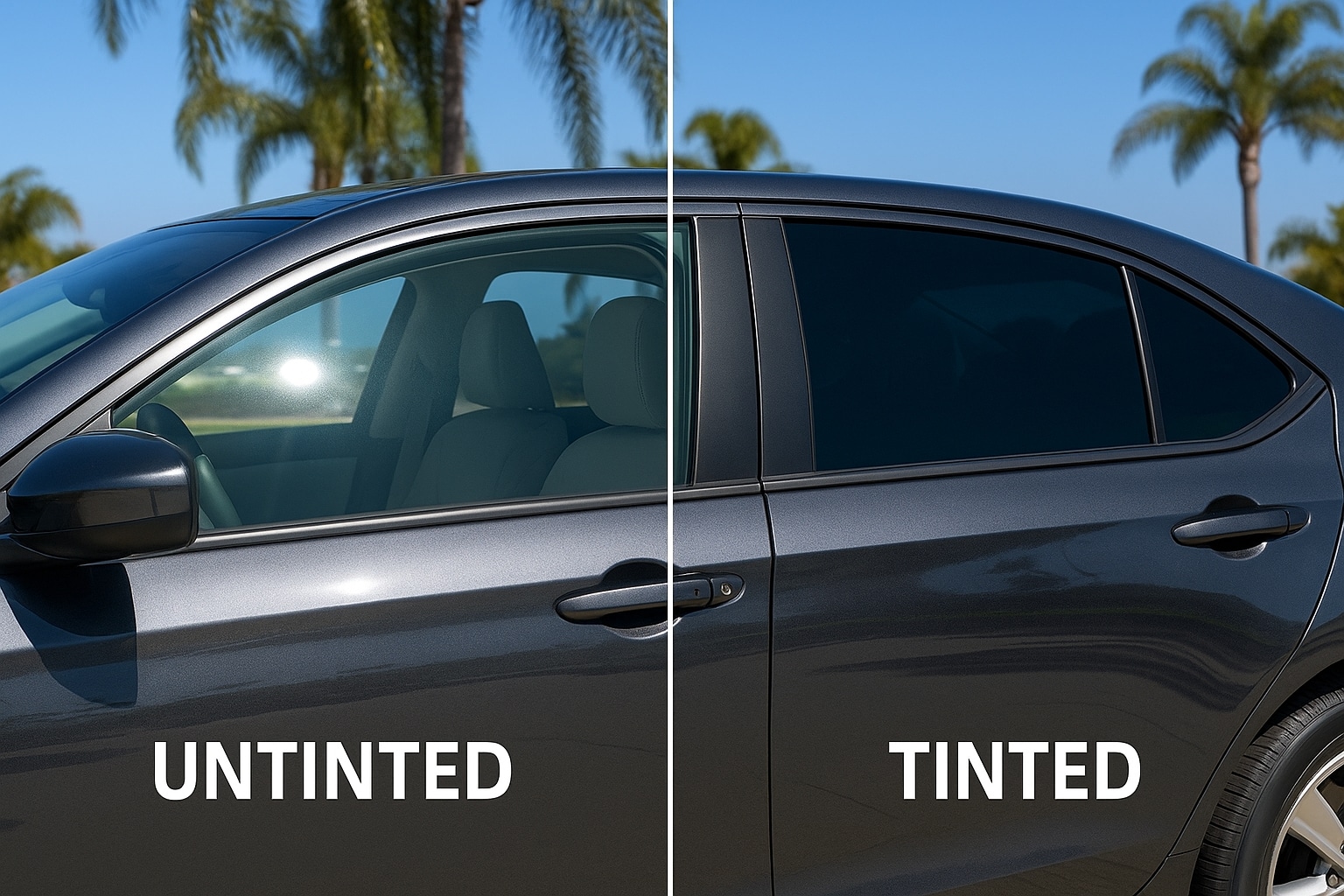
Good window film can last for years, but lifespan depends on film quality, sunlight, climate, cleaning, and installation.
Dyed film may show fading or color change sooner than higher-grade film. Carbon and ceramic films often have longer warranties, but the warranty period depends on the brand and installer.
To help tint last:
- Use a soft microfiber cloth
- Choose an ammonia-free cleaner
- Avoid abrasive pads
- Do not scrape the inside of the glass
- Follow the curing time
- Ask before using a rear-window tool near defroster lines
A warranty does not always cover every problem. Read the terms. Some warranties cover the original owner only. Others require installation by an authorized dealer.
Frequently Asked Questions
How much does it cost to tint two front windows?
Tinting two front windows usually costs $60 to $150 in the United States. The price depends on the film, vehicle, city, and installer. Check your state’s front-window VLT rule before booking.
Is ceramic tint worth the extra money?
Ceramic tint may be worth it if you drive in strong heat, park outside, or want better heat control without metallic film. It may not be worth the added cost if you mainly want a darker look on an older car.
Does window tint reduce car insurance?
Window tint does not usually create a standard insurance discount. Ask your insurer if you want a policy-specific answer. Tint can also create inspection or legal issues if it violates state rules.
Can I tint over factory privacy glass?
You can often apply film over factory privacy glass, but the final result may be much darker. Measure the combined VLT first. Dark rear glass can reduce visibility at night.
How long does tint installation take?
Many standard jobs take about two to four hours. Large vehicles, tint removal, windshield work, and complex glass can take longer. Ask the shop for its expected completion time.
When can I roll down my windows after tinting?
Follow the installer’s instructions. Many shops advise waiting several days, but cure time depends on the film, weather, humidity, and glass. Rolling the window down too soon can lift the film at the edge.
Key Takeaways
- Professional car window tinting in the US often costs $150 to $800.
- Basic dyed film is the least expensive option.
- Ceramic film often costs $400 to $1,000 or more.
- Tint removal, windshield work, sunroofs, and large SUVs raise the price.
- VLT measures how much visible light passes through the finished glass.
- Factory privacy glass affects the final darkness.
- State laws control legal tint levels and windshield use.
- Compare the film, windows covered, removal service, warranty, and final VLT—not just the headline price.
Conclusion
For most US vehicles, a realistic budget is $200 to $500 for a quality side-and-rear tint job. Choose dyed film for the lowest price, carbon film for a balanced option, and ceramic film when heat control is worth the higher cost.
Before you pay a deposit, request a written quote. Confirm the exact film, final VLT, windows included, removal fee, warranty, and state-law limits. That short check can prevent an expensive re-tint later.
